
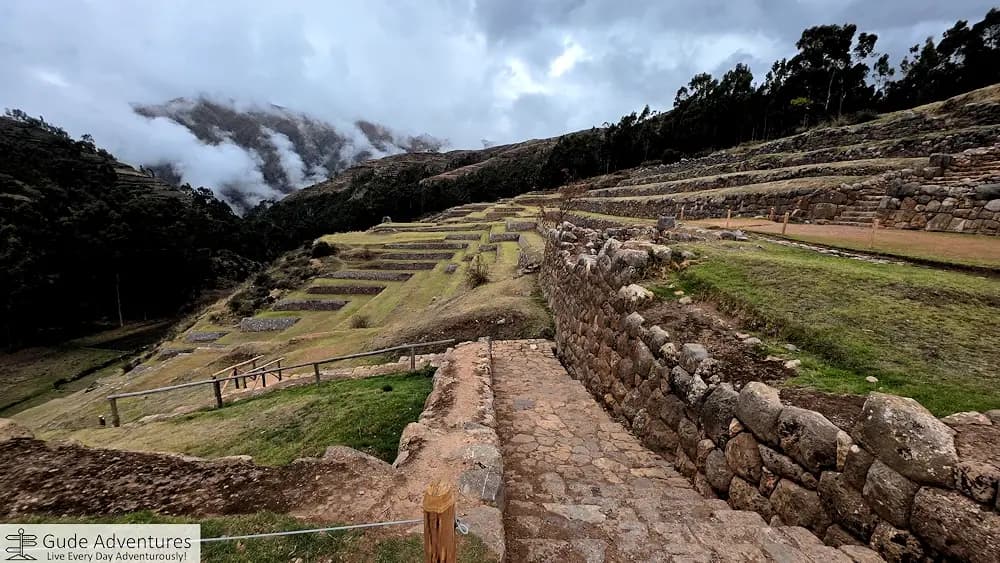
Things to see and do in Chinchero, Peru


Chinchero, Peru: The Living Inca Village of the Sacred Valley
Perched high in the Sacred Valley of the Incas, about 30 kilometers (18 miles) northwest of Cusco, lies the charming village of Chinchero, Peru — a place where ancient Inca traditions still shape daily life. Known for its colorful markets, impressive ruins, and skilled weavers, Chinchero is one of the most authentic and culturally rich destinations in the Andes.
With its blend of history, scenery, and craftsmanship, Chinchero is a must-visit stop for anyone exploring the Sacred Valley or traveling between Cusco and Urubamba.
We visited Chinchero on 10/19/2025. While there we walked among the ruins and visited the church and museum.
A Village Steeped in Inca and Colonial History
Chinchero sits at an altitude of 3,762 meters (12,343 feet), offering sweeping views of the snow-capped Cordillera Vilcabamba mountain range. The village was once an important Inca settlement, believed to be the royal estate of Inca Tupac Yupanqui, who built palaces and agricultural terraces here in the 15th century.
Today, visitors can walk among the Chinchero ruins, where finely crafted Inca stone walls still support the terraces used for farming centuries ago. At the center of town stands the Colonial Church of Our Lady of Monserrat, built by Spanish settlers in the early 1600s directly atop an Inca foundation. Its ornate murals and baroque altar beautifully illustrate the fusion of Inca and colonial cultures.
Chinchero’s World-Famous Weaving Tradition
Perhaps what makes Chinchero most famous is its role as a hub of traditional Andean weaving. The village is home to several textile cooperatives where local women demonstrate ancestral techniques passed down through generations.
Using natural dyes made from plants, flowers, and insects — like the vivid red derived from cochineal — the artisans hand-spin alpaca and sheep wool into vibrant textiles. The intricate designs tell stories of Andean life, from farming to festivals, and each pattern carries symbolic meaning.
Visitors can watch live demonstrations, learn about natural dyeing, and purchase authentic Chinchero textiles directly from the artisans — an experience that supports local communities while preserving ancient traditions.
The Chinchero Market Experience
Every Sunday, the Chinchero Market bursts to life with stalls overflowing with textiles, pottery, and produce. While it’s smaller than Cusco’s San Pedro Market, it’s more authentic — locals still gather here to barter goods and socialize, just as their ancestors did.
It’s the perfect place to find handwoven ponchos, scarves, and table runners, or simply enjoy the lively atmosphere surrounded by Andean music and mountain views.
Visiting Chinchero, Peru
- Location: 30 km (18 miles) from Cusco, en route to Urubamba.
- Altitude: 3,762 meters (12,343 feet).
- Best Time to Visit: May–October (dry season).
- Getting There: About 45 minutes by car or tour bus from Cusco; often included in Sacred Valley tours.
A Window Into the Andean Soul
Chinchero, Peru, is more than an archaeological site — it’s a living community where Inca heritage, colonial influence, and modern Andean life coexist beautifully. Between its ancient terraces, bustling markets, and masterful weaving, Chinchero offers a genuine glimpse into the heart of the Sacred Valley.
For travelers who want to experience Peru’s living traditions up close, Chinchero is an unforgettable stop on the road to Machu Picchu.
Looking for a place to stay? Click here for options.
Thinking of visiting? Viator offers numerous tours in Peru. Click here for details.
Pictures from Chinchero
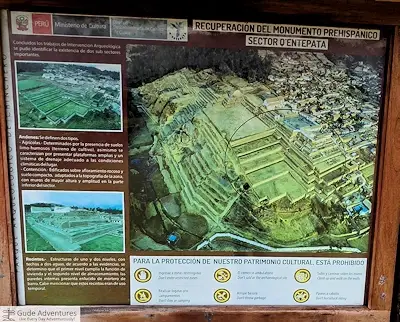
Map of the Chinchero site.
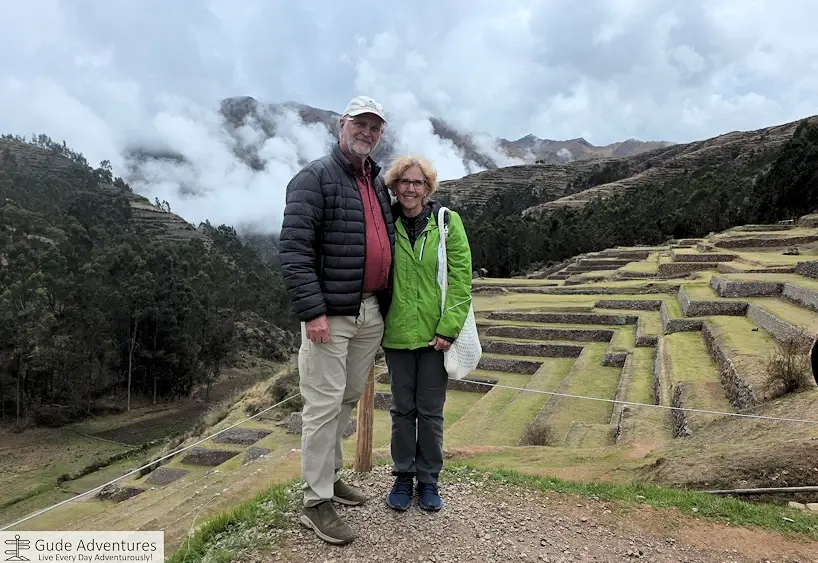
The terraces of Chinchero.
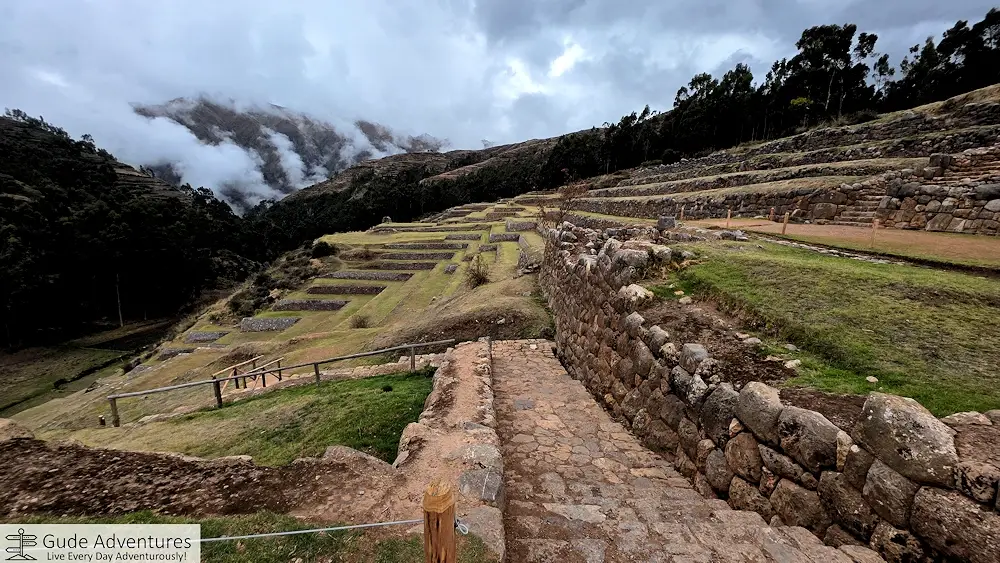
Chinchero terraces.
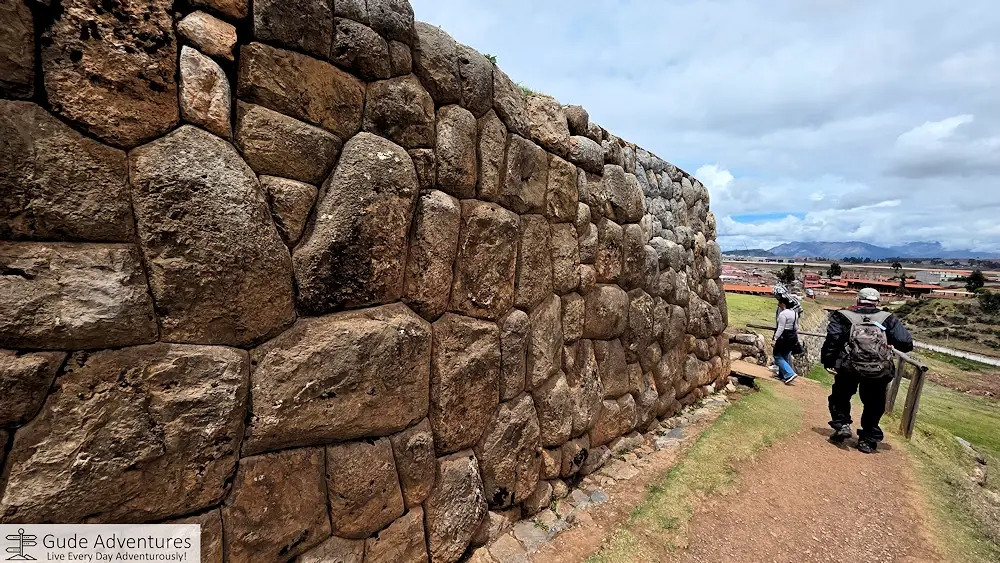
The wall of one on the terraces.
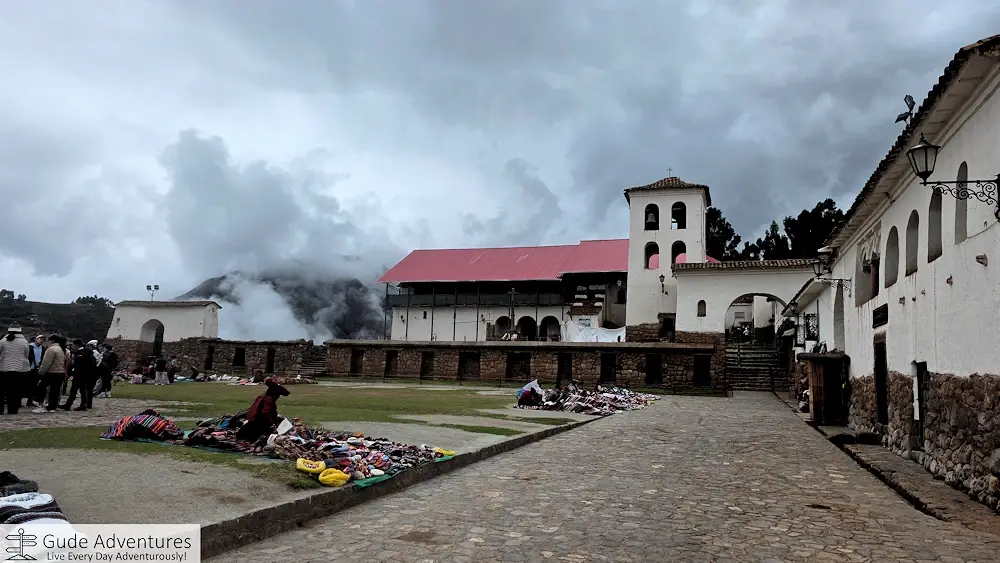
he Church of Our Lady of Monserrat was built on top of the Inca temple next to the main plaza.
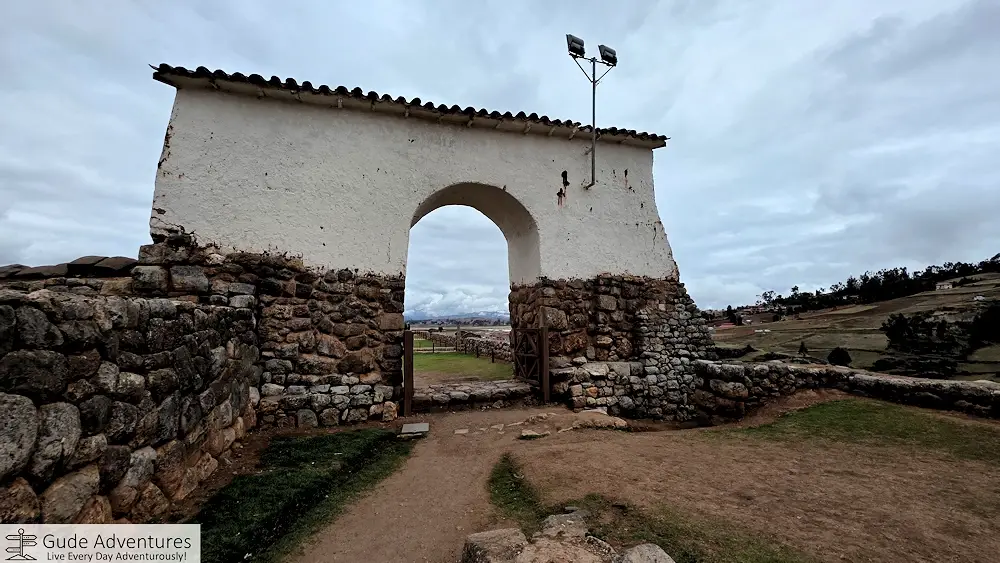
Gate from the main plaza down to the Camino Inca.
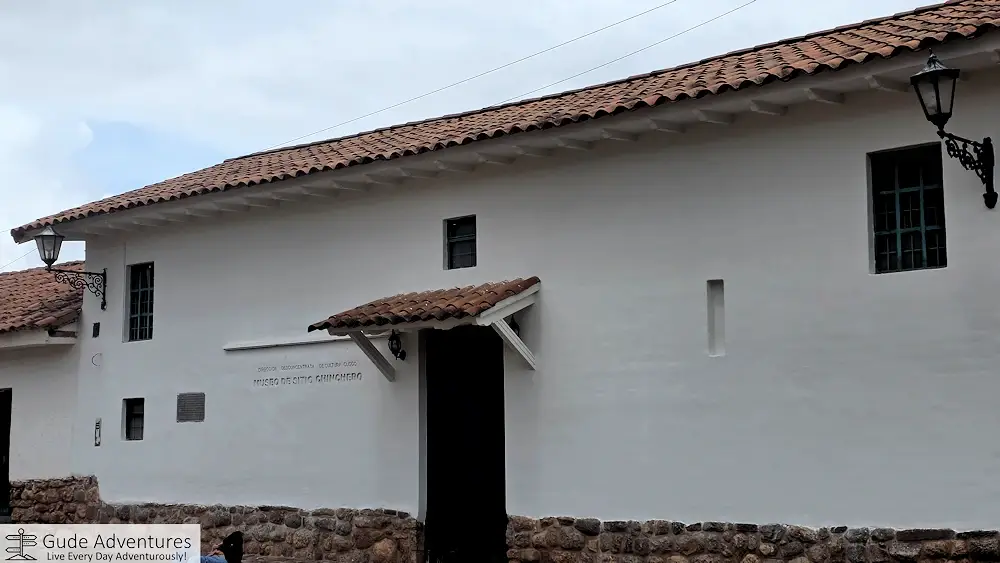
Museo de Sitio de Chinchero.
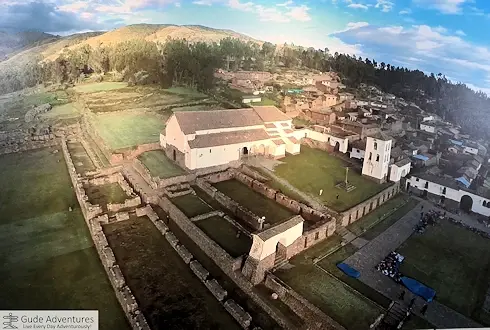
Aerial photo of Chinchero in the museum.
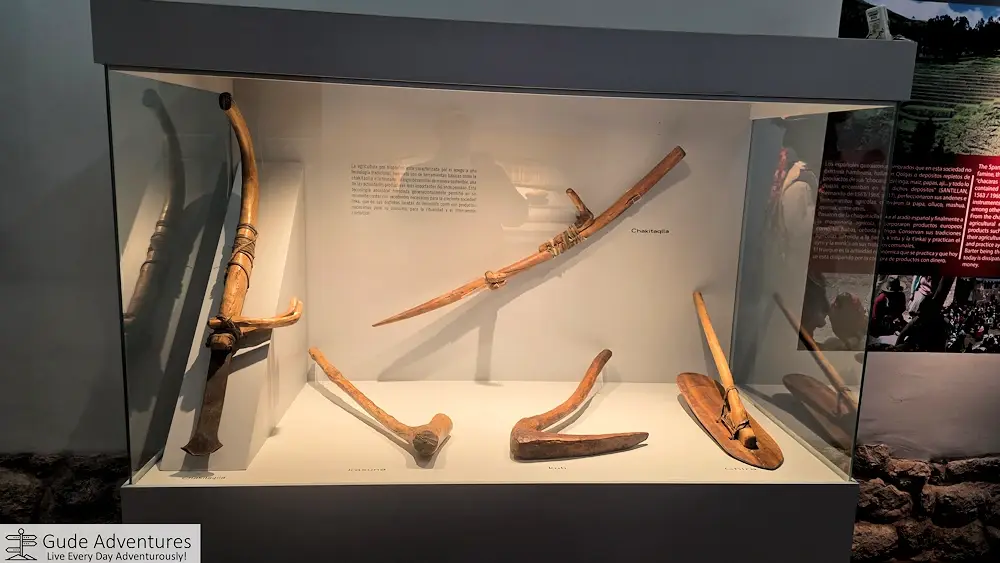
Inca agricultural tools in the museum.
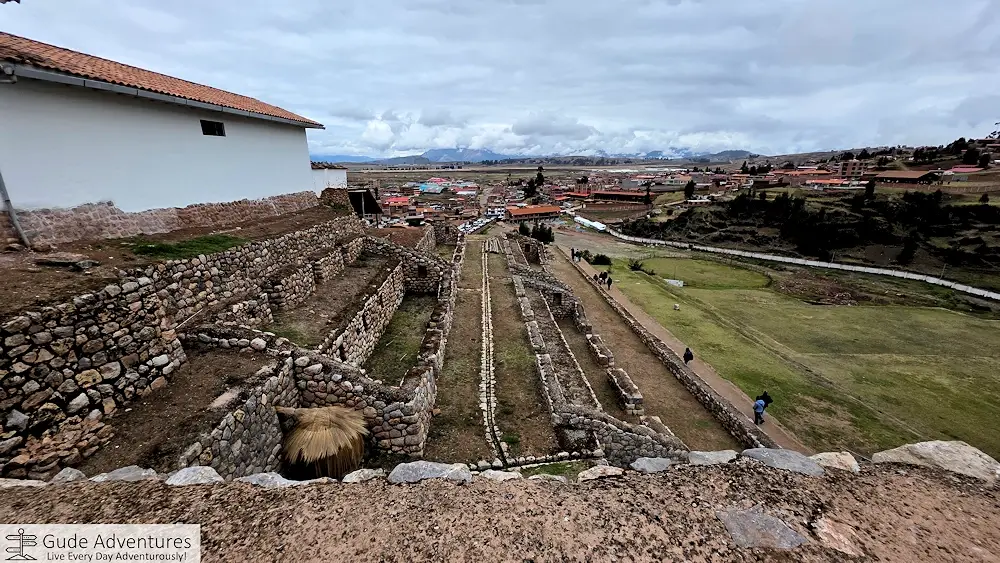
Terraces next to the museum.
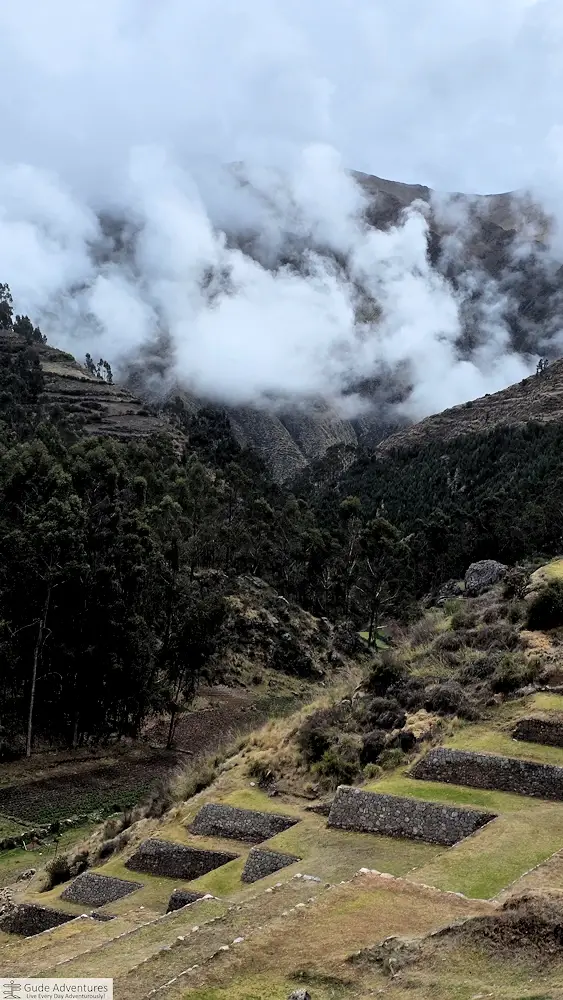
Terraces extending down into the valley along the Camino Inca.
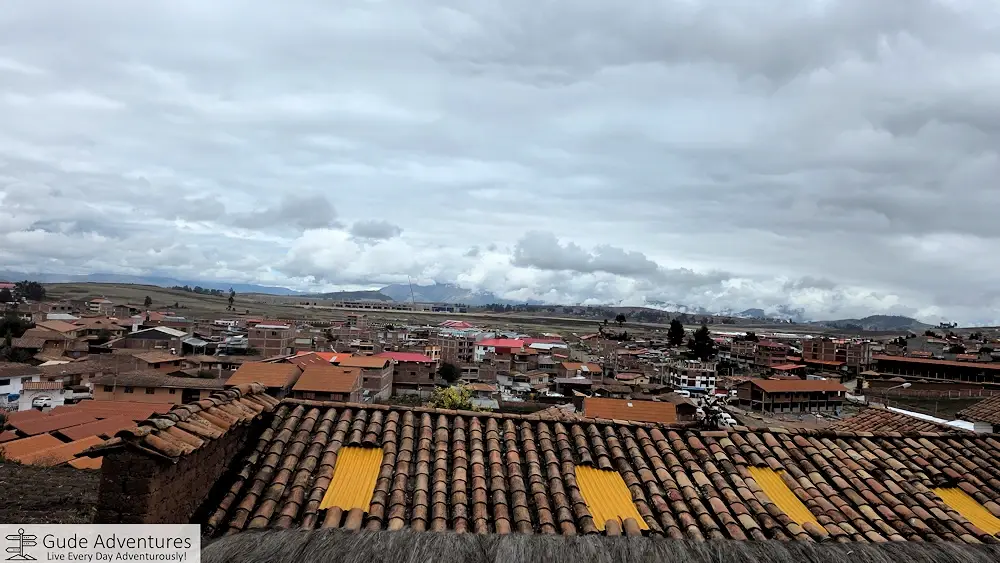
View of the modern city.