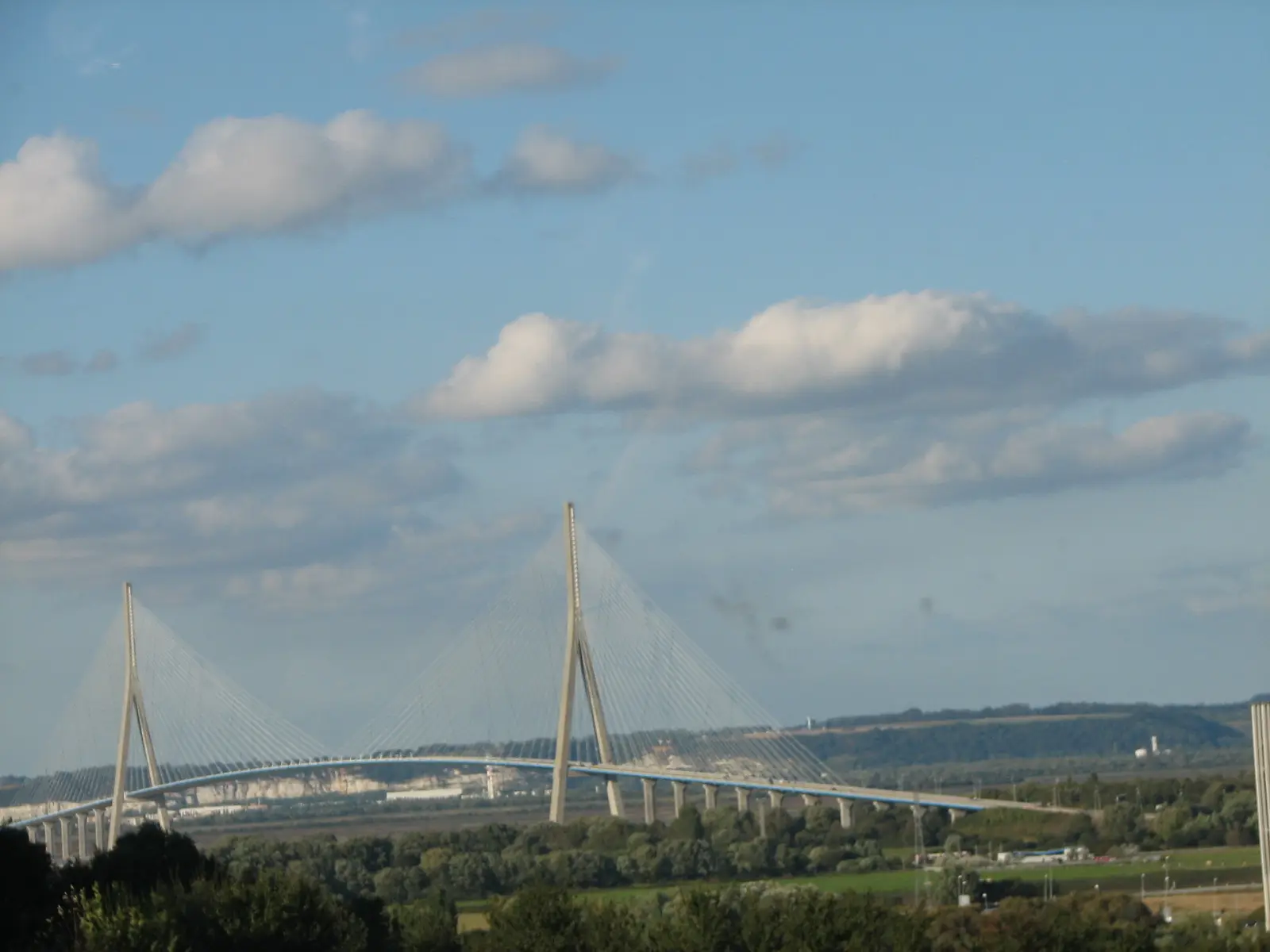
What to see and do in Le Havre, Normandy, France


Le Havre is a city in Normandy, France located on the River Seine, about 75 miles northwest of Paris.
Le Havre is one of the largest ports in France and a major hub for ferry services to England. The city was founded in 1517 and has a rich history. During World War II, Le Havre was heavily bombed by the Allies, but much of the city was rebuilt in the 1950s with the help of the famous French architect Auguste Perret, who used concrete in a modernist style to create a new town center. Today, Le Havre is a vibrant and dynamic city, with a thriving economy based on shipping, tourism, and service industries.
In 2005, Le Havre was added to the UNESCO World Heritage List, recognizing its significance as an example of post-war reconstruction and modernist architecture. If you are interested in architecture, history, or just looking for a dynamic and lively city, Le Havre is definitely worth a visit.
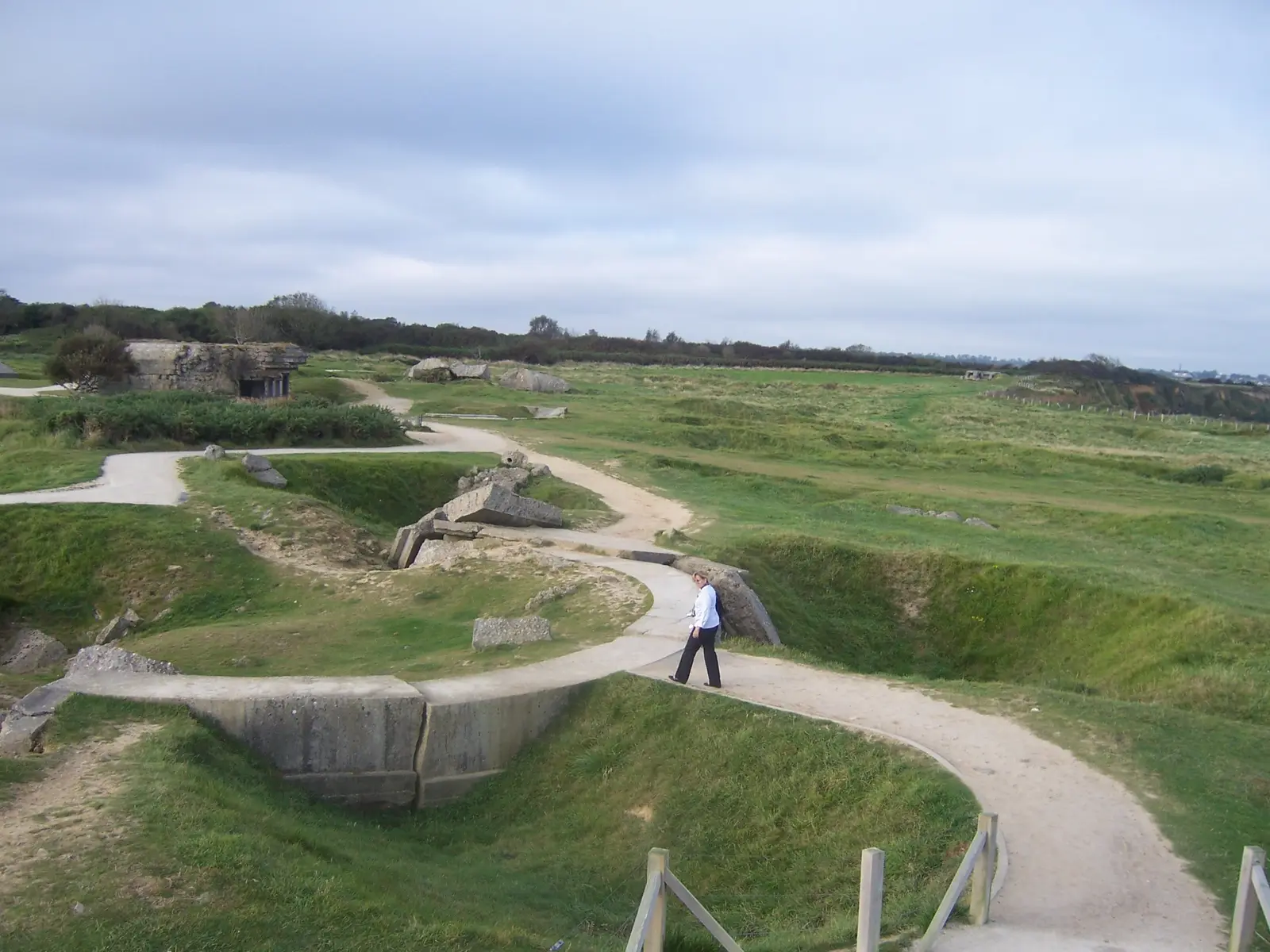
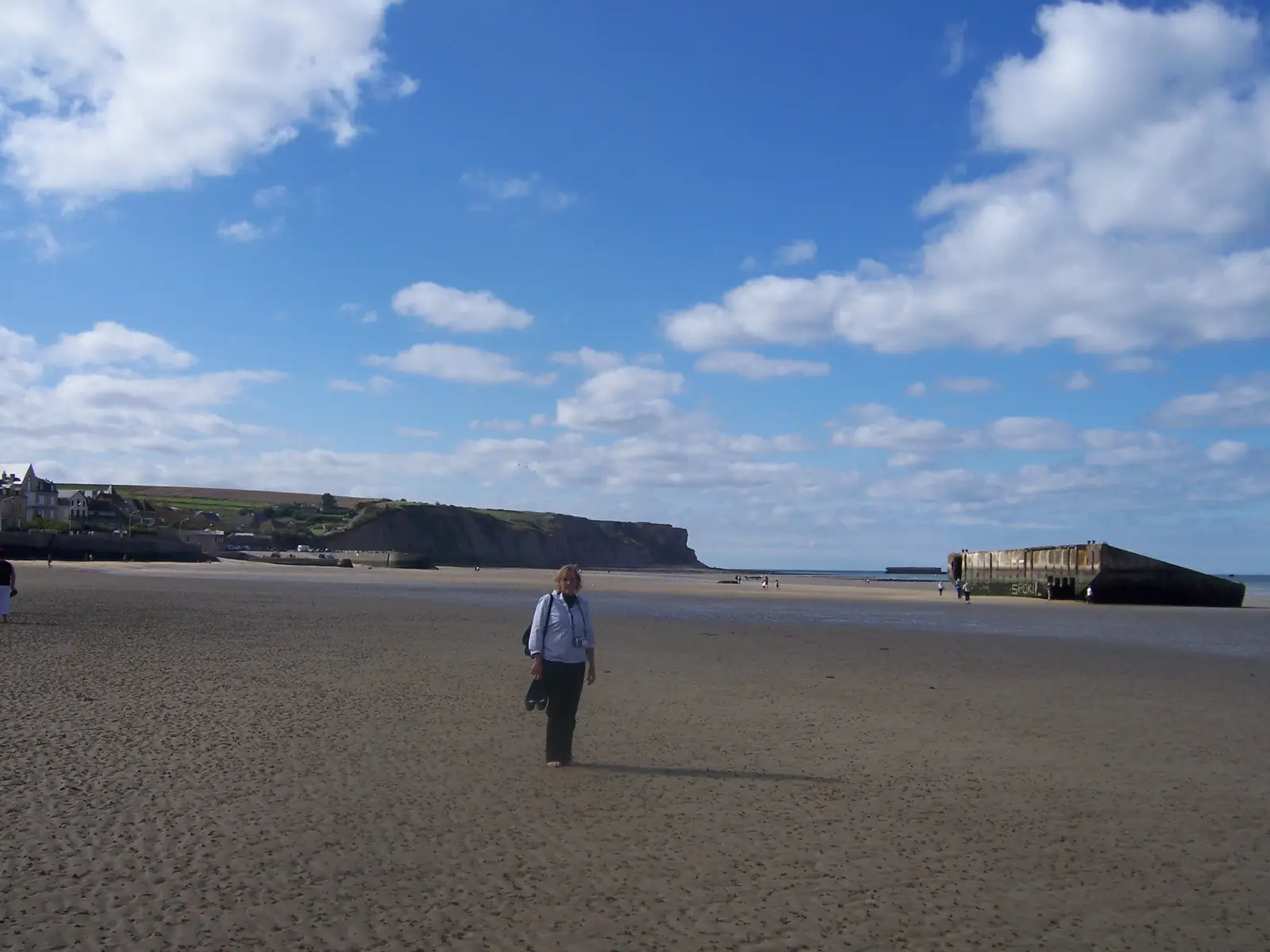
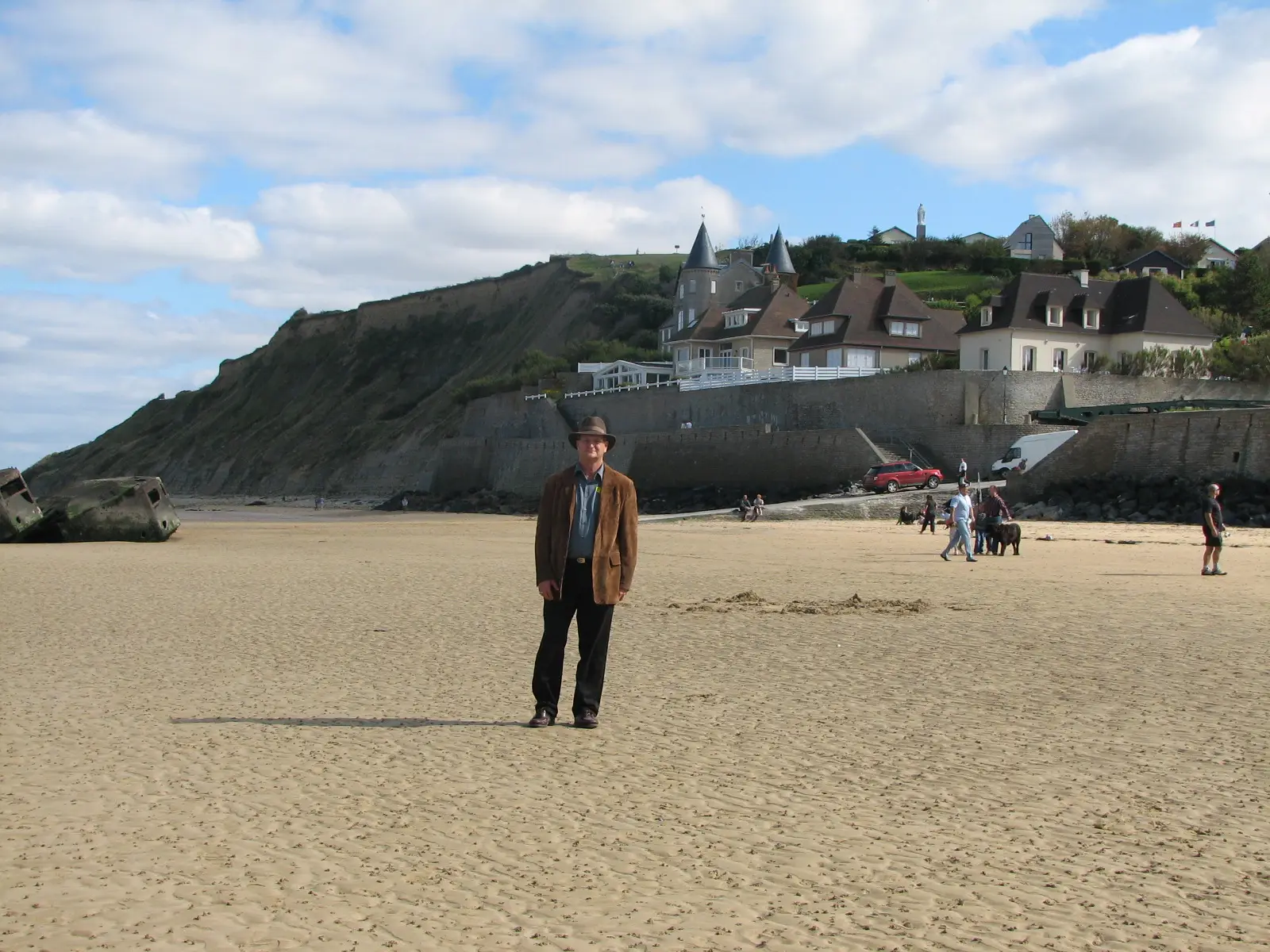
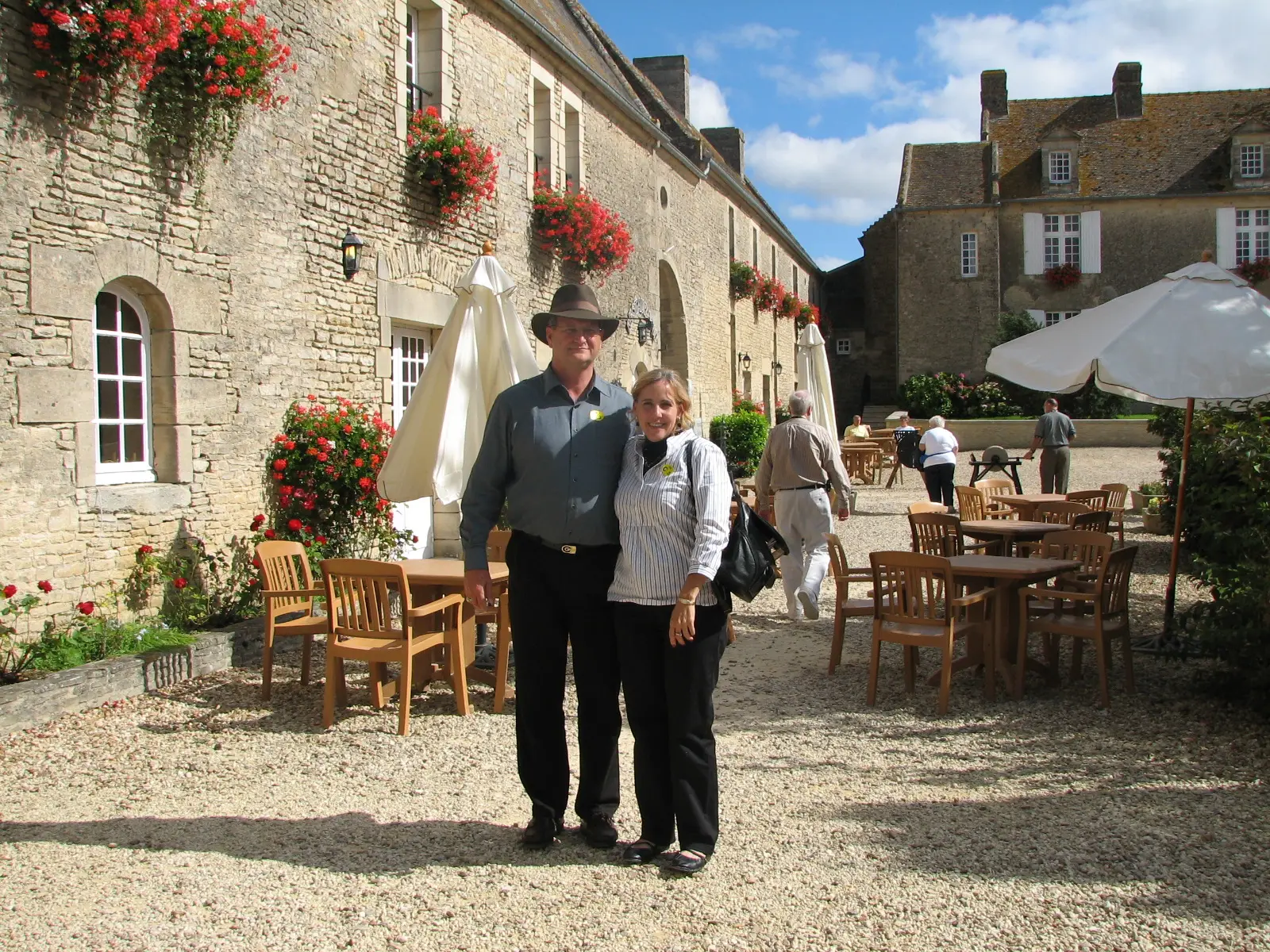
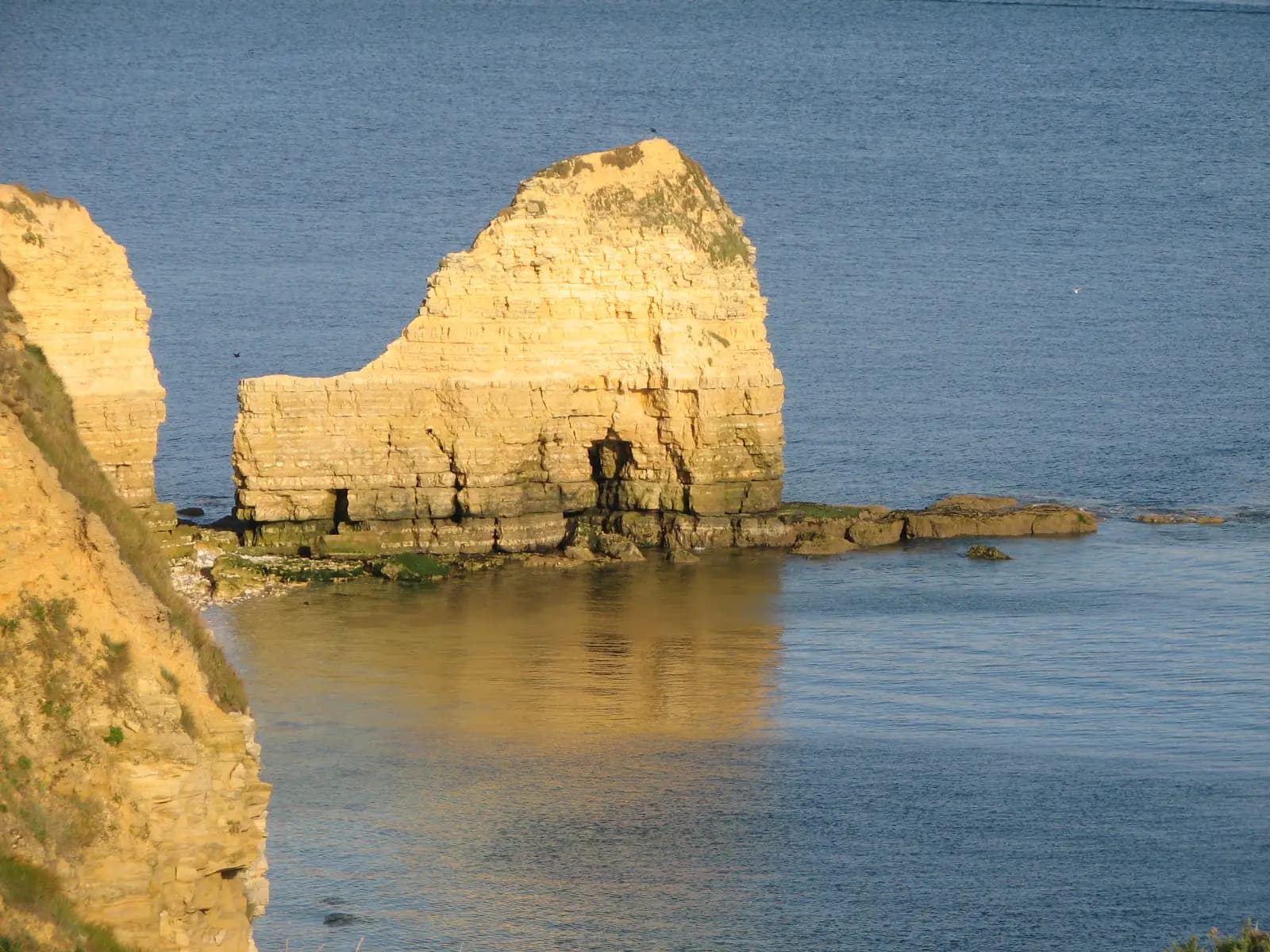
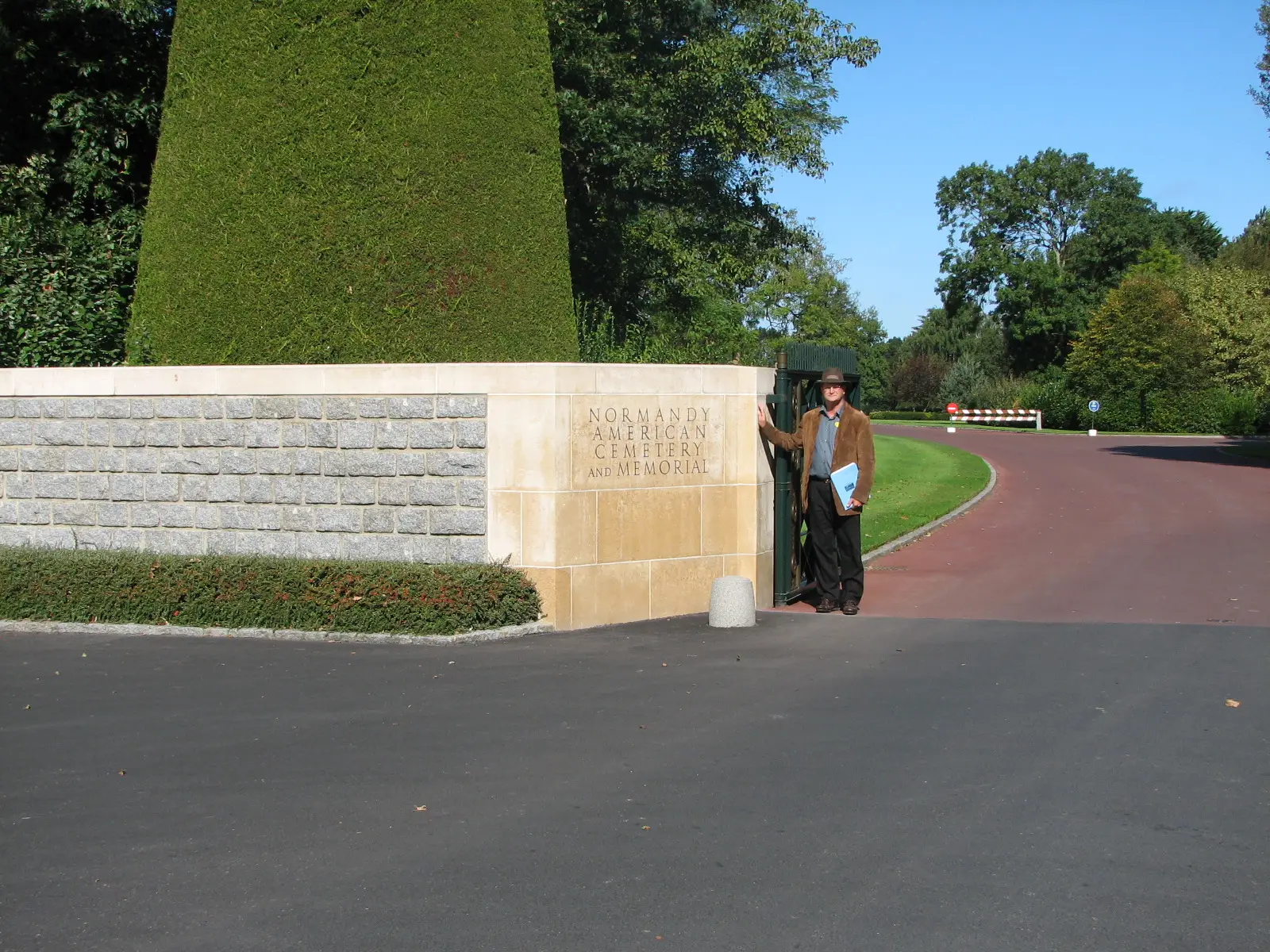
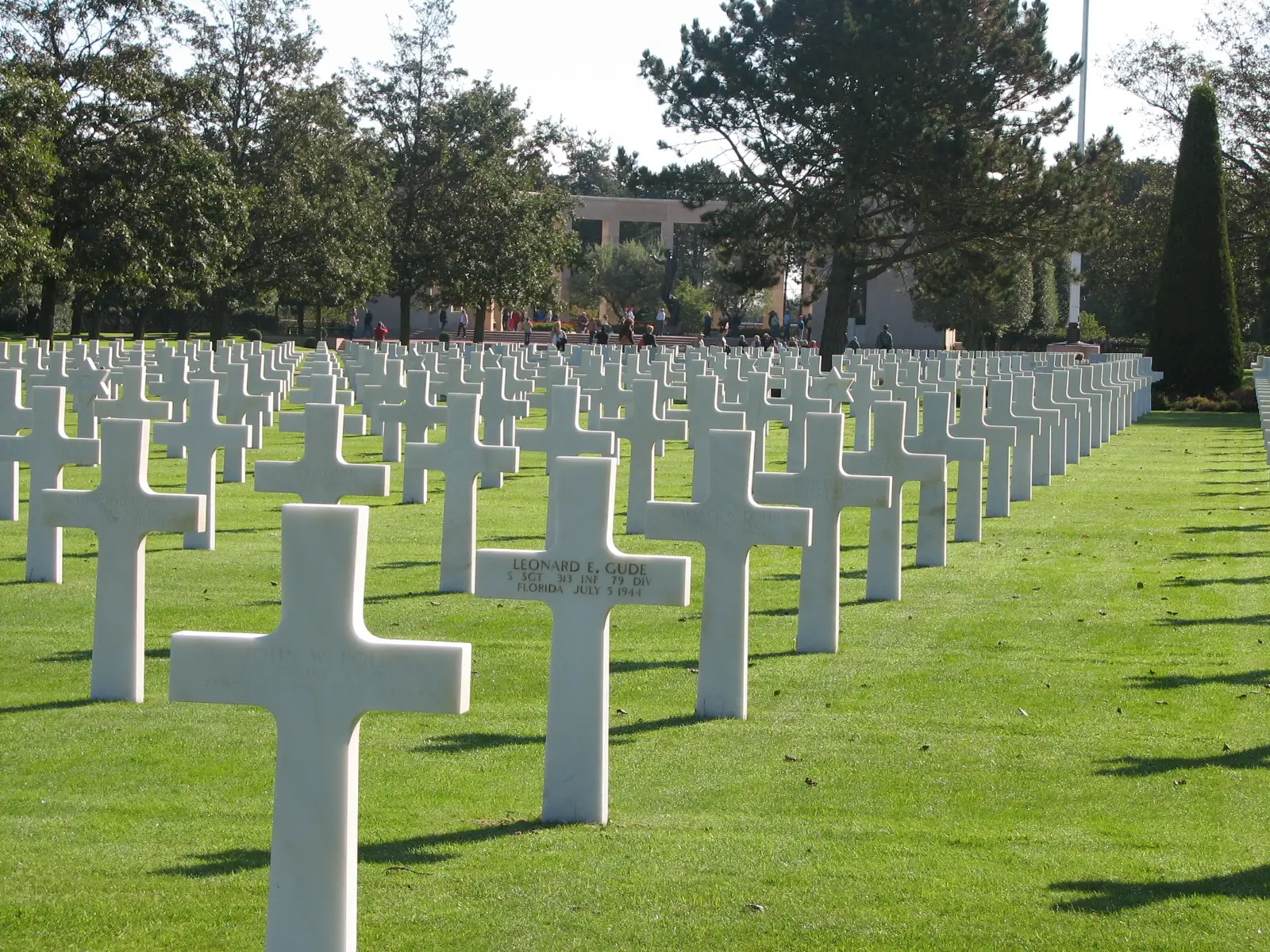
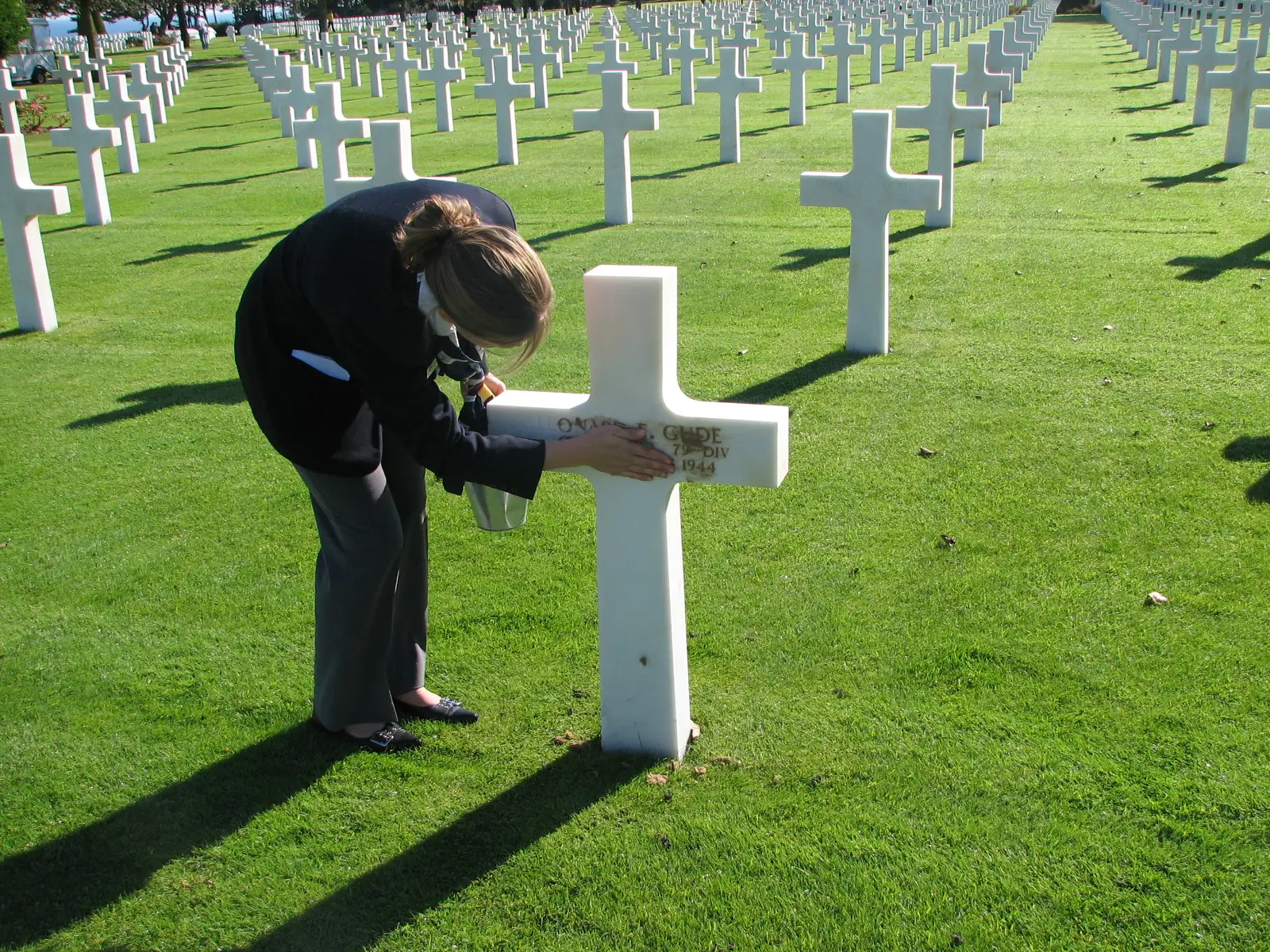
We arrived by ship at Le Havre on 9/23/2007 and traveled to Normandy by bus. It is a region of northern France. Its varied coastline includes white-chalk cliffs and WWII beachheads, including Omaha Beach, site of the famous D-Day landing. While there, we visited the cliffs at Pointe Du Hoc, the landing beaches, the D-Day Museum in Arromanche, and the American cemetery in Colleville-sur-Mer where my uncle is buried.
The beaches of Normandy, located on the northwestern coast of France, are known for their historic significance as the site of the Normandy landings, also known as "D-Day", during World War II.On June 6, 1944, the beaches of Normandy became the site of one of the largest amphibious invasions in history, as Allied forces landed on five beaches - Utah, Omaha, Gold, Juno, and Sword - to begin the liberation of Nazi-occupied France.
Today, the Normandy beaches are popular tourist destinations, attracting visitors from around the world who come to pay their respects to the soldiers who lost their lives during the D-Day landings, and to learn more about the history of the region. The beaches are lined with monuments, museums, and cemeteries, including the American Cemetery and Memorial at Colleville-sur-Mer and the Bayeux War Cemetery.
In addition to their historical significance, the beaches of Normandy offer scenic beauty and a peaceful atmosphere. With miles of golden sand, dunes, and clear waters, they are a popular spot for beach-goers, swimmers, and water sports enthusiasts.
Whether you're interested in history or just looking for a relaxing day by the sea, the beaches of Normandy are definitely worth a visit.
Looking for a place to stay? Click here for options.
Looking for things to do? Viator offers numerous tours in the Normandy area. Click here for details.
Pictures from Normandy American Cemetery
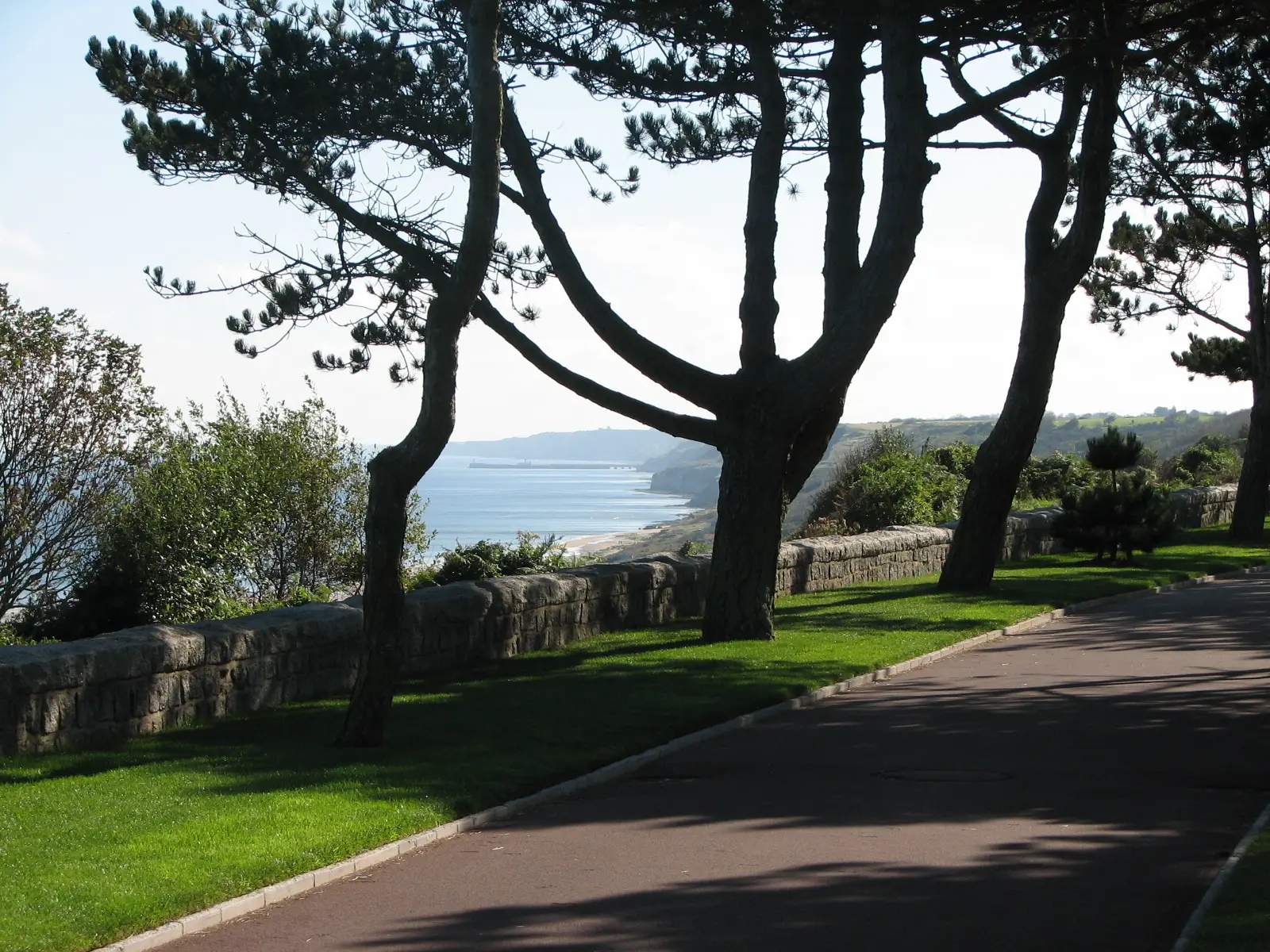
Normandy Beaches