Things to see and do on Taquile Island, Peru


Taquile Island, Peru: A Timeless Treasure on Lake Titicaca
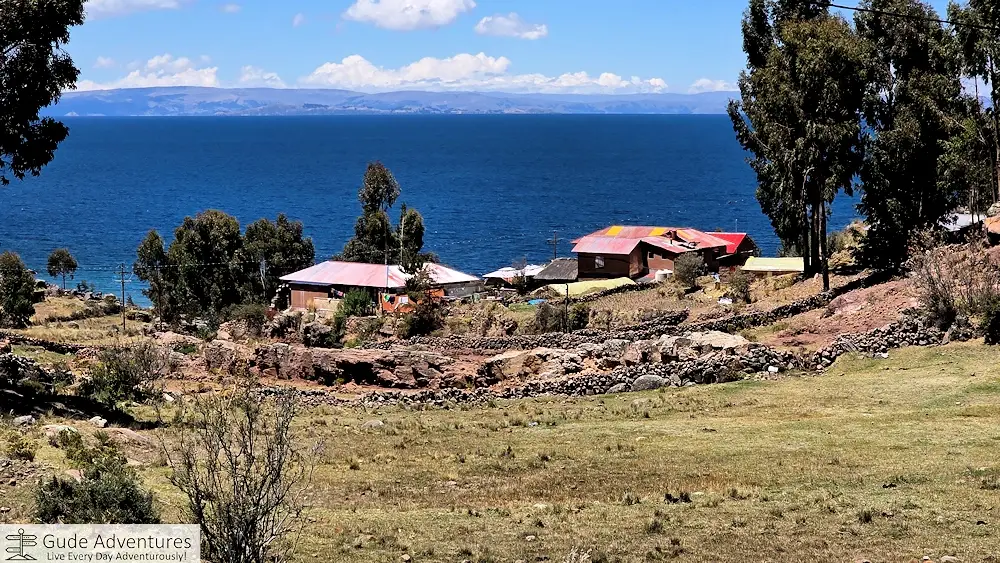
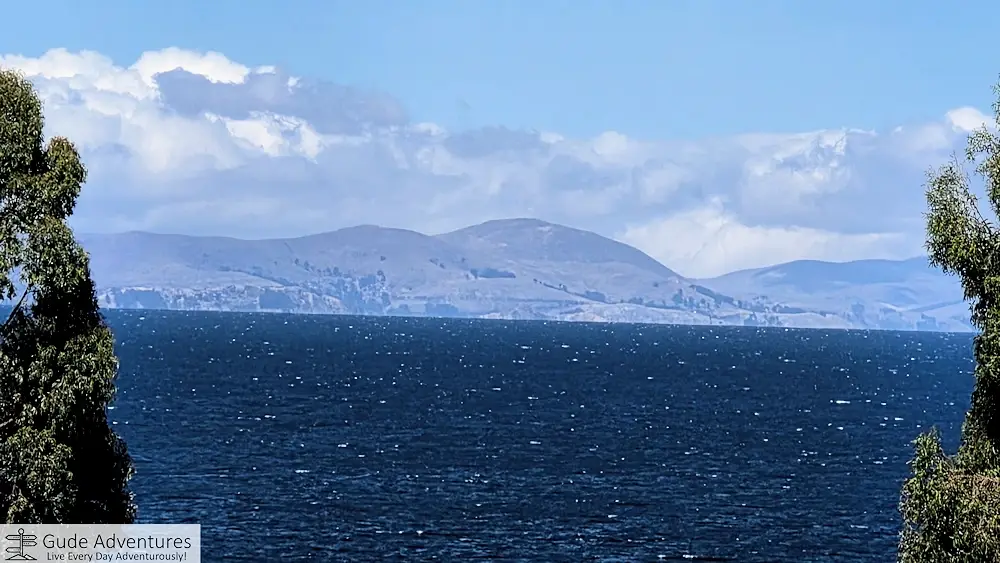
Floating high in the Andes Mountains, surrounded by the deep blue waters of Lake Titicaca, lies Taquile Island, Peru — a place where time seems to stand still. Known for its breathtaking scenery and centuries-old weaving traditions, Taquile is one of the most enchanting destinations on Lake Titicaca, and a must-see stop for travelers seeking authentic Andean culture.
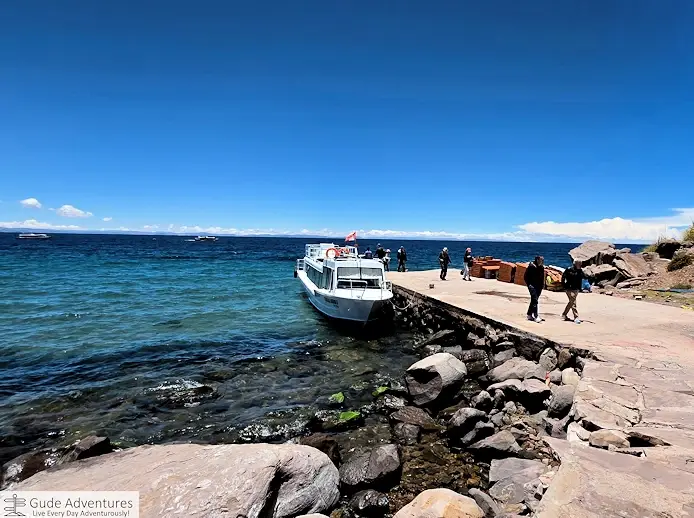
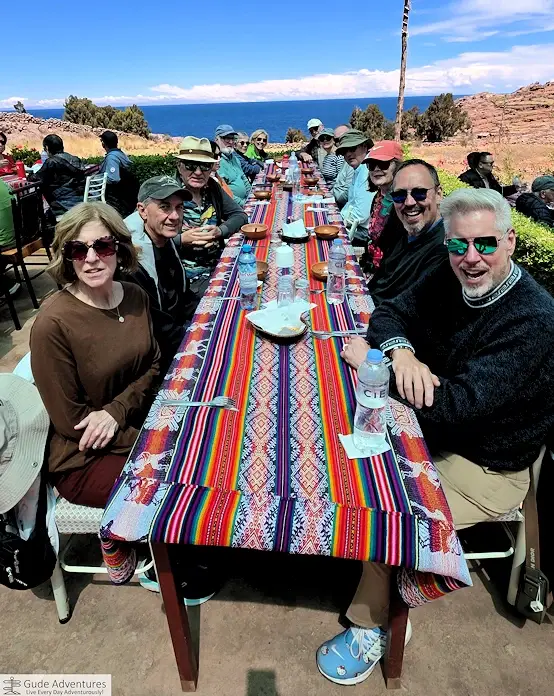
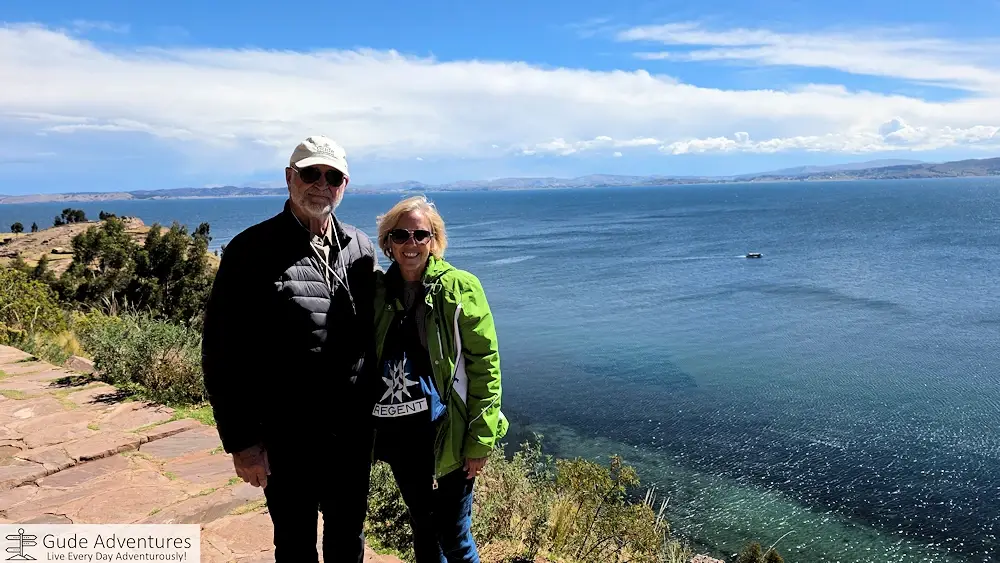
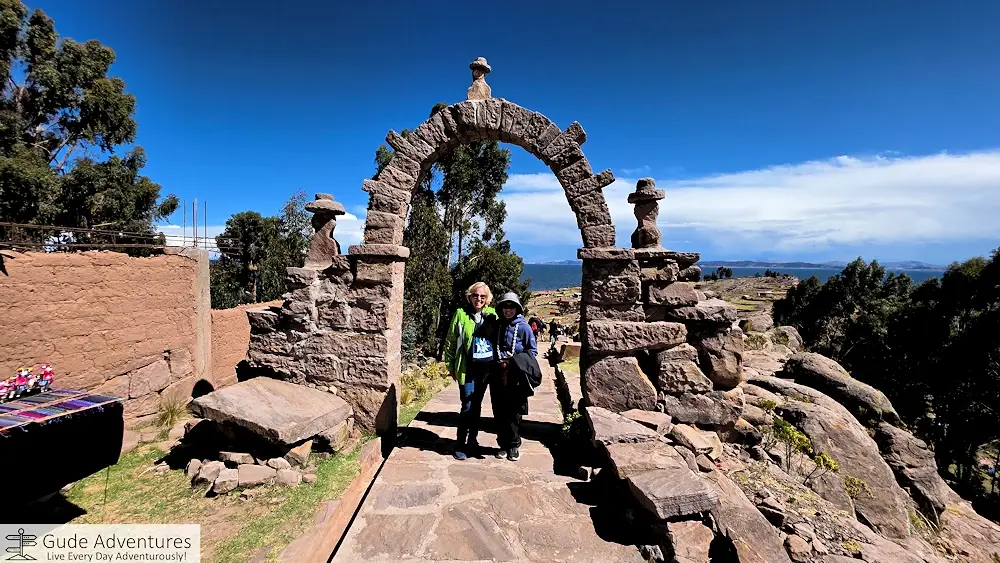
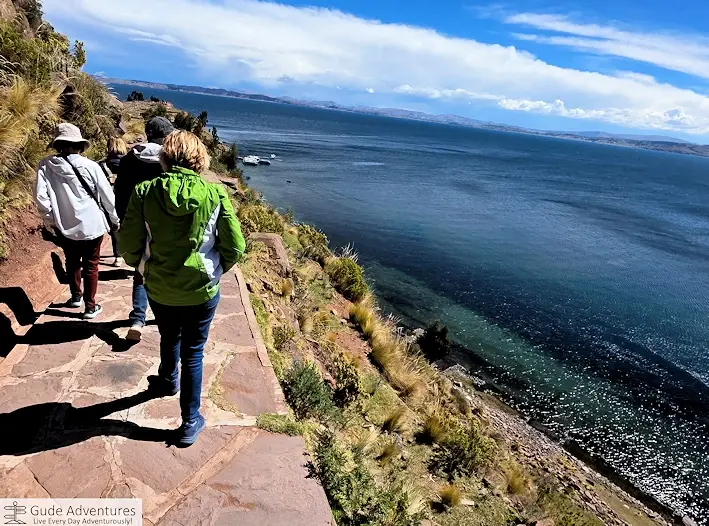
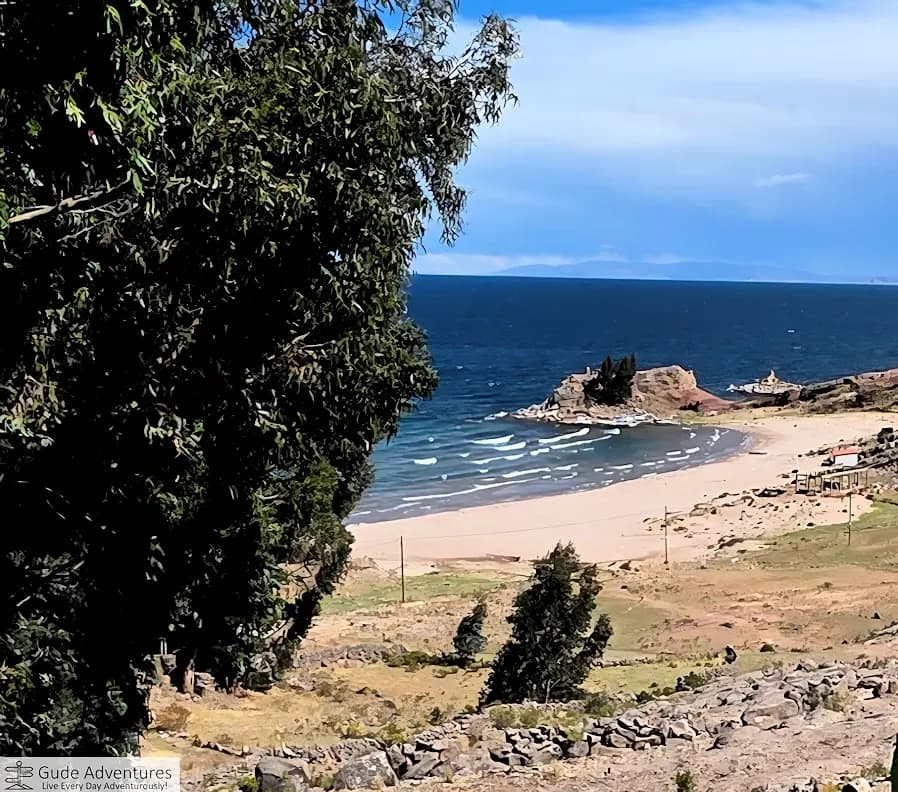
On 10/22/2025, we traveled by boat to Taquile Island where we hiked to the top of the island, had lunch there, and then hiked down the other side of the island.
The Living Heritage of Taquile Island
Located about 45 kilometers (28 miles) from Puno, Taquile Island rises from the world’s highest navigable lake at 3,812 meters (12,507 feet) above sea level. The island’s history dates back to the pre-Inca era, but it’s the local people — the Taquileños — who make this island extraordinary.
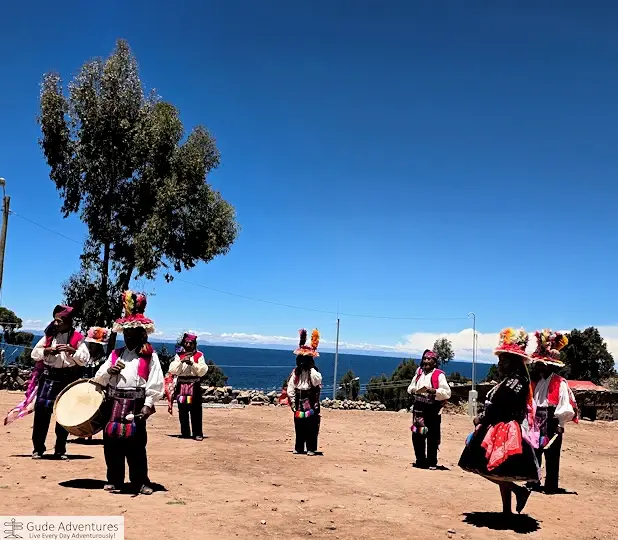
The roughly 2,000 residents of Taquile live much as their ancestors did, maintaining strong community ties and traditional customs. What makes Taquile truly unique, however, is its UNESCO-recognized textile art. The island’s weaving tradition has been passed down for generations and reflects a deep understanding of social identity, symbolism, and craftsmanship.
On Taquile, men are the primary knitters, creating fine hats and clothing that display their marital or social status, while women spin and weave intricate textiles using traditional techniques. Every garment tells a story — of nature, family, and life on the lake.
Exploring Taquile Island
1. Hike with a View
Visitors to Taquile often arrive by boat from Puno. Once you dock, a stone pathway leads uphill to the main village, about a 45-minute walk. The climb is steep but rewarding — the panoramic views of Lake Titicaca and the Bolivian Andes are simply unforgettable.
2. Experience Local Culture
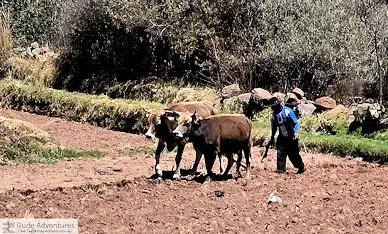
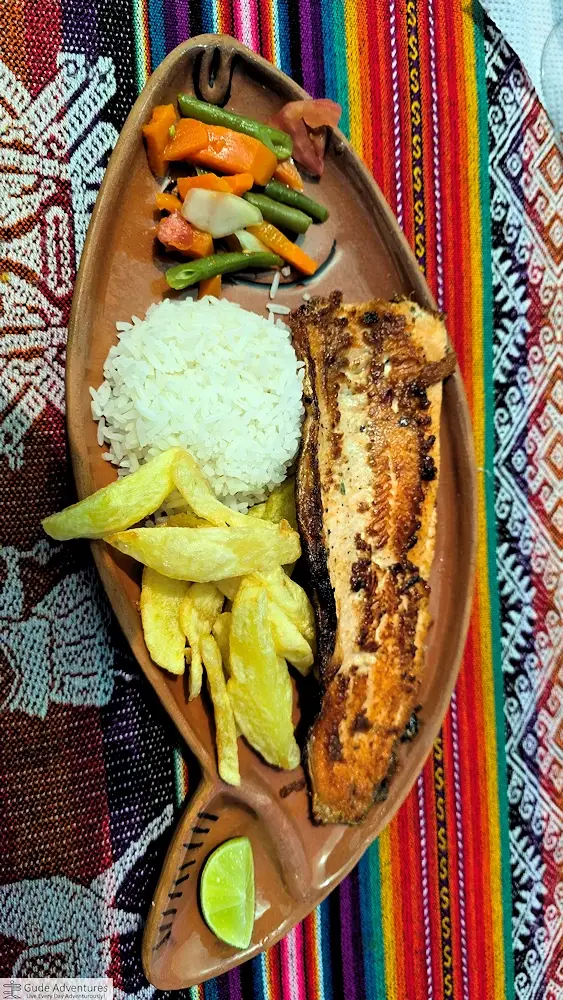
The Taquileños are welcoming hosts, often inviting travelers into their homes for traditional meals and cultural demonstrations. Many families participate in community-based tourism, offering homestays where visitors can enjoy home-cooked Andean dishes like quinoa soup and fresh trout, while learning about weaving and farming.
3. Shop for Authentic Textiles
Don’t miss the Cooperative Handicraft Center near the main plaza. Here, you’ll find high-quality alpaca and wool textiles made by local artisans. Buying directly from the community ensures that your purchase supports local families and preserves their weaving traditions.
Practical Travel Information
- Getting There: Daily boat tours from Puno take about 2.5 hours each way, often including a stop at the Uros Floating Islands.
- Best Time to Visit: The dry season, from May to October, offers clear skies and calm waters.
- Altitude: 3,812 meters (12,507 feet). Be sure to acclimate in Puno before your visit.
- Tips: Bring sunscreen, water, and cash — there are no ATMs on the island.
A Journey Through Time on Lake Titicaca
Visiting Taquile Island, Peru, feels like stepping into another world — one where ancient customs remain strong, community life thrives, and nature reigns supreme. From the rhythmic sound of looms to the sweeping lake vistas, Taquile offers a rare and meaningful connection to Peru’s Andean roots.
If you’re exploring Lake Titicaca, make sure Taquile is on your itinerary. Its combination of cultural authenticity, scenic beauty, and warm hospitality makes it one of the most memorable destinations in southern Peru.
Looking for a place to stay? Click here for options.
Thinking of visiting? Viator offers numerous tours in Peru. Click here for details.
Pictures from Taquile Island