
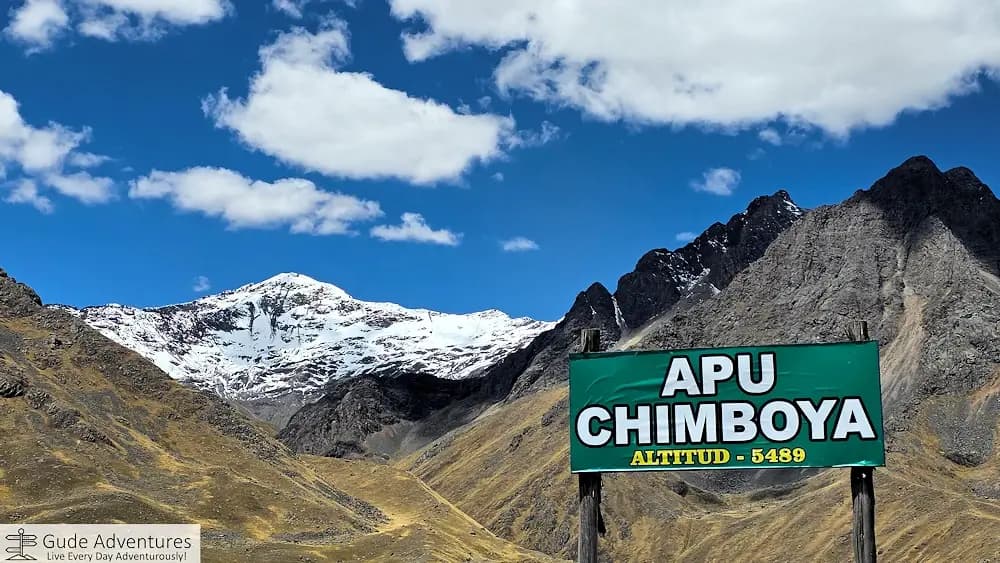
Things to see and do in Chimboya, Peru


Chimboya, Peru: The Sacred Mountain of the Andes
Rising majestically in the southern Andes, Chimboya, Peru—also known as Nevado Chimboya or Chimboya Peak—is one of the most stunning mountains in the Cusco region. Standing at an elevation of about 5,489 meters (18,008 feet), this snow-capped peak is both a natural wonder and a sacred site in Andean culture. For travelers journeying along the Cusco–Puno railway, Chimboya is a breathtaking sight, marking the high point of one of the most scenic train routes in the world.
We visited Chimboya, Peru on 10/21/2025 by bus as we traveled from Cusco to Puno.
A Mountain of Legend and Beauty
Nevado Chimboya lies near the La Raya Pass, which marks the border between the Cusco and Puno regions of southern Peru. This pass, located at around 4,335 meters (14,222 feet) above sea level, is the highest point on the PeruRail Titicaca Train route that connects Cusco and Lake Titicaca.
The La Raya Pass on the continental divide. The small lake located there is the headwaters of the Ramis River as it flows to Lake Titicaca and the Pacific Ocean and the Urubamba River which flows into the Amazon and the Atlantic Ocean.
As the train winds through the Andean plains and valleys, the towering silhouette of Mount Chimboya dominates the horizon. Covered in glacial ice and surrounded by sweeping highland landscapes, the mountain symbolizes the enduring power of the Andes—both geologically and spiritually.
Local communities consider Chimboya an apu, or sacred mountain spirit, believed to protect the villages and water sources in the region. These beliefs have been passed down for centuries and remain deeply rooted in Andean tradition.
The Source of the Amazon River
Chimboya holds another fascinating distinction—it is one of the sources of the mighty Amazon River. The Apurímac River, which begins near the slopes of Nevado Chimboya, eventually joins the Ucayali and Marañón Rivers, forming the headwaters of the Amazon. For many explorers and geographers, this makes Chimboya one of the birthplaces of the world’s largest river system.
Standing near the mountain, it’s incredible to imagine that the small streams flowing from its glaciers will one day merge into the Amazon hundreds of miles away.
Trekking and Travel Around Chimboya
While Chimboya Peak itself is challenging to climb and typically attempted only by experienced mountaineers, the surrounding region offers plenty for adventure travelers.
1. La Raya Pass
Most visitors experience Chimboya from La Raya Pass, a scenic stop by bus, on the Cusco–Puno railway or the Andean Explorer luxury train. Here, you can enjoy sweeping views of the Andes, visit small artisan markets, and take photos of the majestic mountain.
2. Photography and Landscape Viewing
The combination of high-altitude plains, grazing alpacas, and the snow-capped Chimboya in the distance creates one of the most iconic landscapes in Peru.
3. Cultural Encounters
Nearby villages such as Marangani and Santa Rosa provide glimpses of traditional Andean life, where Quechua culture thrives amid the mountain backdrop.
Visitor Information
- Location: Between the Cusco and Puno regions, near La Raya Pass.
- Elevation: 5,489 meters (18,008 feet).
- Best Time to Visit: May to September (dry season).
- Getting There: By train, car, or bus along the Cusco–Puno route.
Experience the Spirit of the Andes
Whether you catch a glimpse of it from the window of a train or visit the highland pass that bears its name, Chimboya, Peru, is more than a mountain—it’s a symbol of the Andes’ beauty, power, and spiritual significance. As the birthplace of the Amazon and a sacred site for local communities, Nevado Chimboya stands as a reminder of Peru’s natural grandeur and deep cultural roots.
Looking for a place to stay? Click here for options.
Thinking of visiting? Viator offers numerous tours in Peru. Click here for details.
Pictures from Chimboya
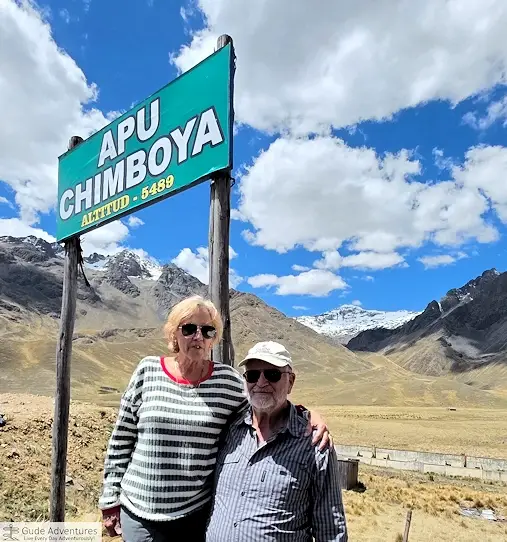
Chimboya Peak is about 5,489 meters (18,008 feet) above sea level.
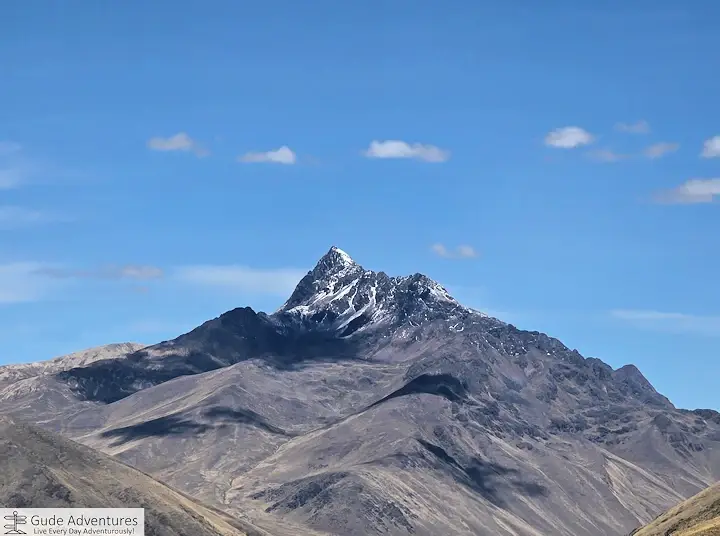
Cunurana mountain west of the La Raya Pass.
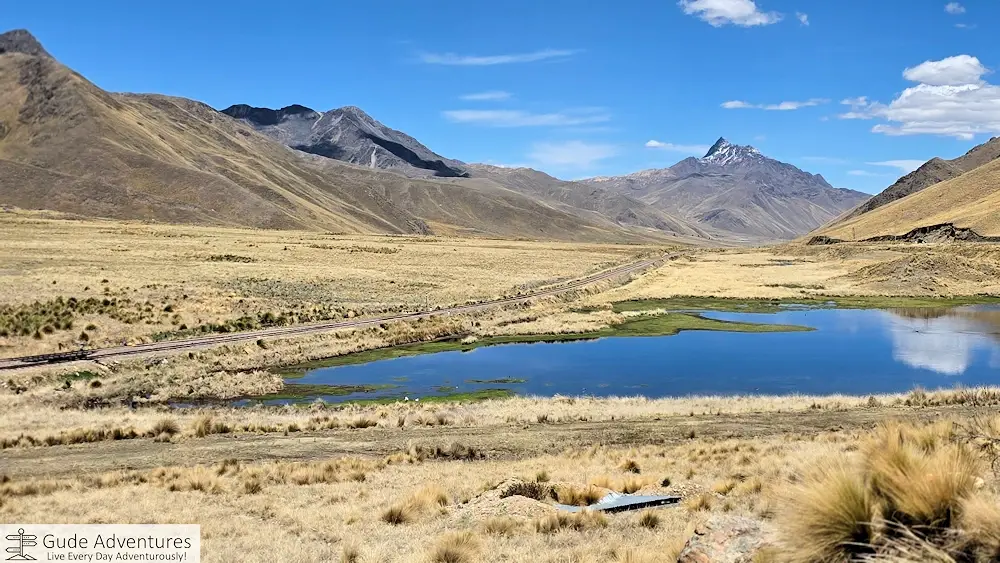
The Cusco–Puno railway passing thru the La Raya Pass on the continental divide. This small lake is the headwaters of the Ramis River as it flows to Lake Titicaca and the Urubamba River which flows into the Amazon.
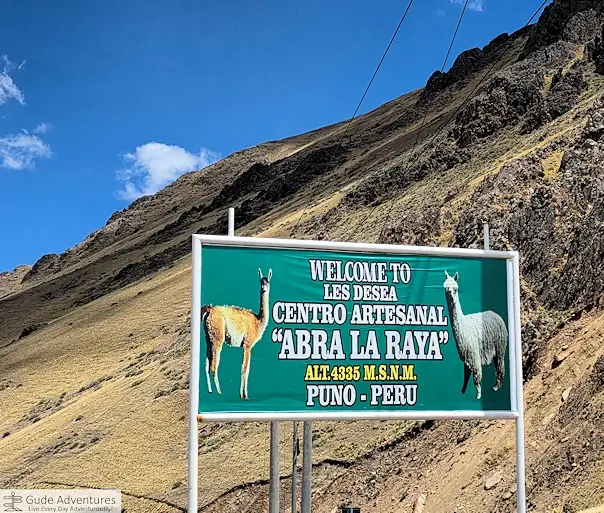
La Raya Pass is around 4,335 meters (14,222 feet) above sea level.
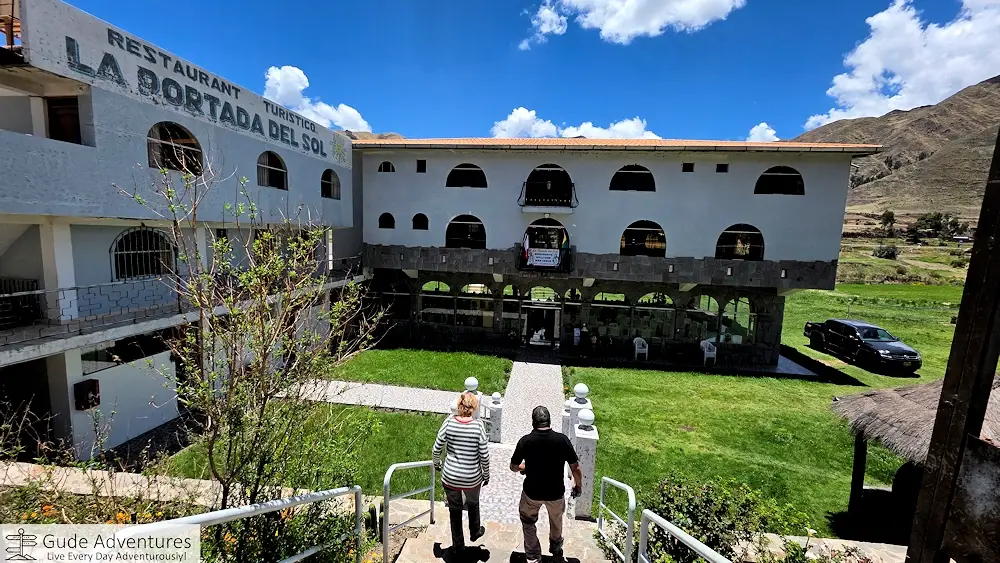
Lunch stop at the La Portada del Sol restaurant.
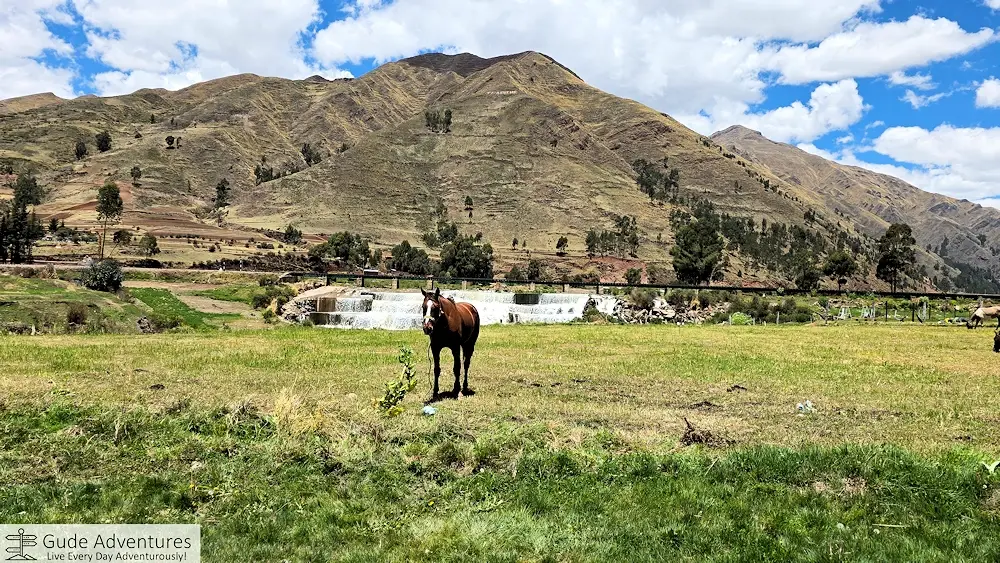
Waterfall near the La Portada del Sol restaurant on the Urubamba River.
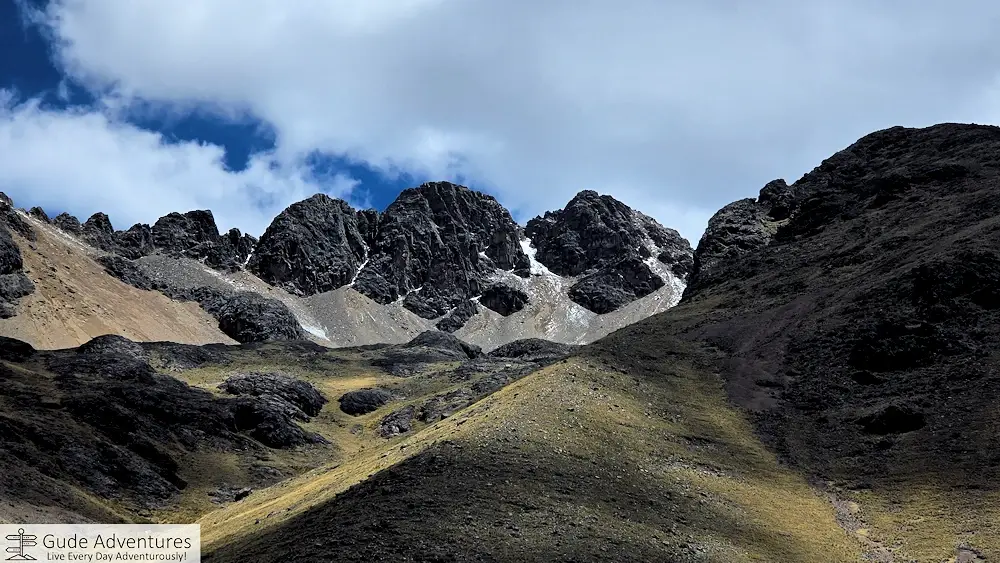
Vinoccocha mountain peaks.
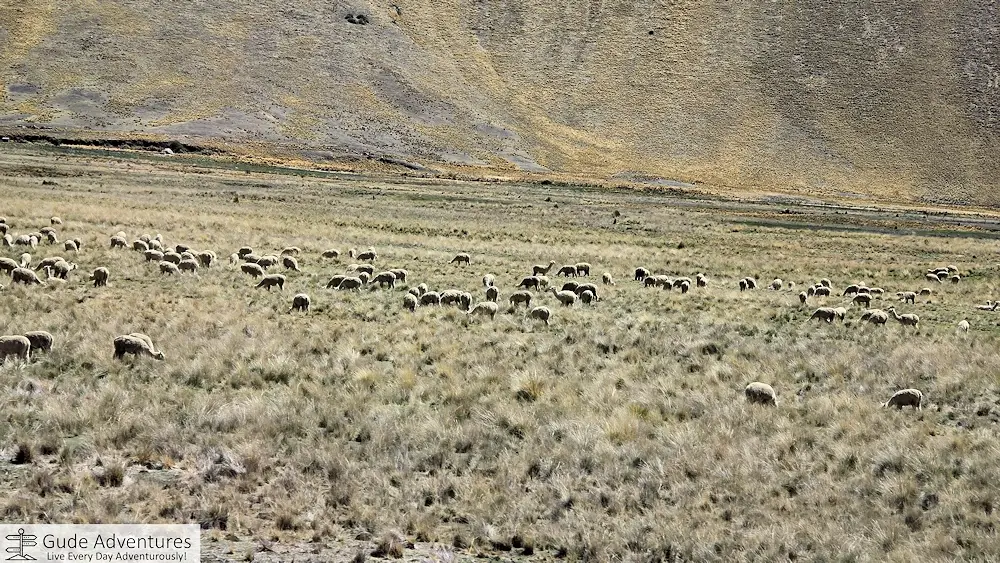
Llamas in the La Raya Pass.
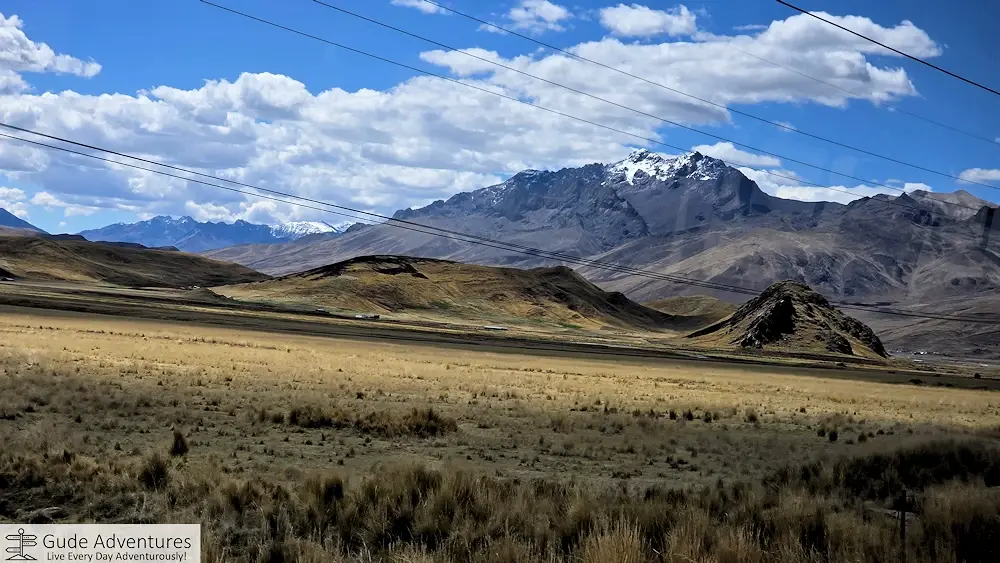
View of Cunurana mountain from the west.