
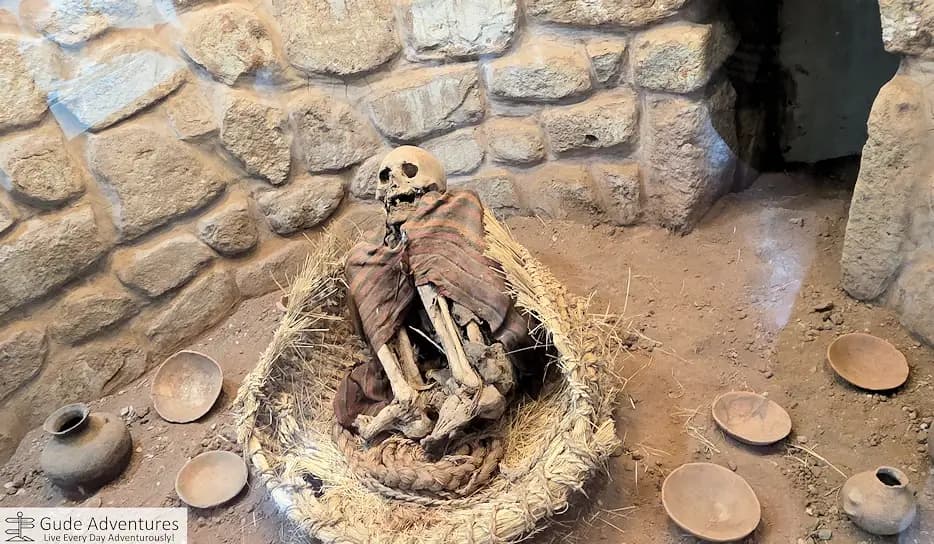
Things to see and do in Pucara, Peru


Pucará, Peru: The Ancient Highland Town of Art, History, and Tradition
Perched in the northern highlands of Puno, between Cusco and Lake Titicaca, lies Pucará, Peru—a small Andean town with an outsized cultural legacy. Known for its archaeological ruins, colorful pottery, and deep-rooted traditions, Pucará is one of southern Peru’s hidden gems. Whether you’re traveling the Route of the Sun (Ruta del Sol) from Cusco to Puno or exploring Peru’s lesser-known historical sites, Pucará offers a captivating glimpse into the country’s ancient and artistic soul.
We visited Pucara on 10/21/2025 where we toured the Museo Arqueologico de Pucara.
The Legacy of the Pucará Civilization
Long before the rise of the Inca Empire, the Pucará culture flourished in the region between 500 BC and 300 AD. This early Andean civilization developed advanced agricultural systems, ceremonial centers, and stone sculptures that influenced later cultures across the Andes.
The centerpiece of this ancient world is the Pucará Archaeological Complex, located just outside the modern town. Here, visitors can explore pyramidal platforms, temples, and monolithic stone figures that reflect the spiritual and artistic sophistication of the Pucará people. The site is believed to have been both a religious and administrative center, serving as a key link between the northern and southern Andean civilizations.
The Museo Lítico de Pucará
To fully appreciate the region’s history, stop by the Museo Lítico de Pucará (Pucará Lithic Museum), located near the town’s main plaza. The museum houses stone sculptures, ceramics, and artifacts excavated from the archaeological site. Among the most striking are the monoliths of warrior priests and sacred animals, intricately carved with symbols representing fertility, rain, and life cycles.
This museum provides context for the Pucará culture’s religious beliefs and artistic traditions, making it a must-see for archaeology enthusiasts and history lovers.
The Iconic Torito de Pucará
Beyond its ancient ruins, Pucará is famous for the Torito de Pucará, or “Little Bull of Pucará.” The bulls originated from a legend where a bull caused a spring to gush forth and end a drought in the town of Pucara.
These small, hand-painted ceramic bulls are one of Peru’s most beloved folk art symbols. Traditionally placed on rooftops, the toritos are believed to bring good luck, protection, and prosperity to the home.
Each bull is crafted and painted by local artisans using techniques passed down for generations. Travelers can visit workshops to see the process and purchase authentic pieces directly from the artists—a meaningful souvenir that supports local craftsmanship.
The cross and ladder are thought to help ensure an easy passage into the afterlife.
Visiting Pucará, Peru
Located along the Cusco–Puno highway, Pucará is often included as a stop on the Ruta del Sol tourist route, which connects major sites like Raqchi, La Raya Pass, and Lake Titicaca.
- Distance from Cusco: About 390 km (6–7 hours by bus).
- Best Time to Visit: May to October for clear skies and mild temperatures.
- What to Bring: Sun protection, warm clothing, and a camera for the sweeping Andean landscapes.
A Hidden Gem of the Andes
Pucará, Peru, may be small, but its history and artistry have left a lasting mark on Andean culture. From its mysterious archaeological ruins to its vibrant folk art, Pucará is a place where the ancient and the living coexist beautifully.
If you’re exploring southern Peru, don’t just pass through — stop in Pucará, meet its artisans, and experience a town where tradition still shapes the rhythm of everyday life.
Looking for a place to stay? Click here for options.
Thinking of visiting? Viator offers numerous tours in Peru. Click here for details.
Pictures from Pucara
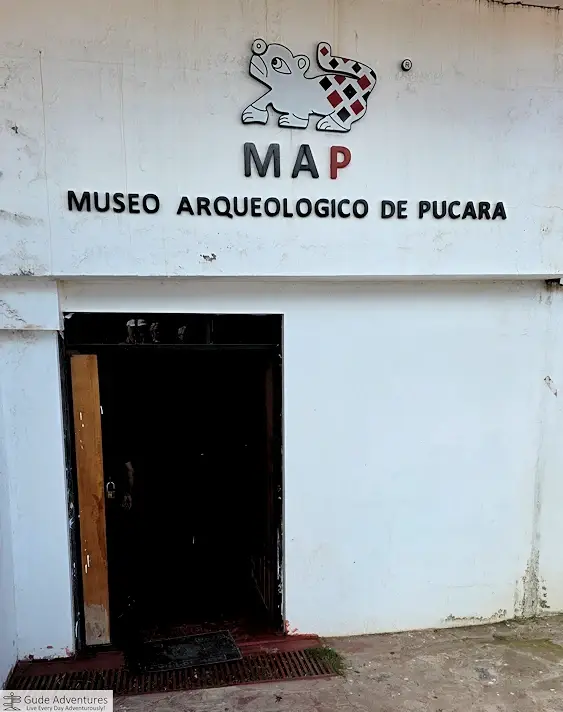
The Museo Arquelogico de Pucara entrance.
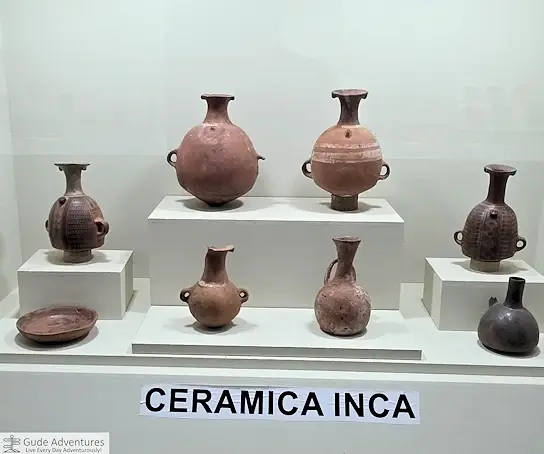
Inca ceramics in the Museo Arquelogico de Pucara.
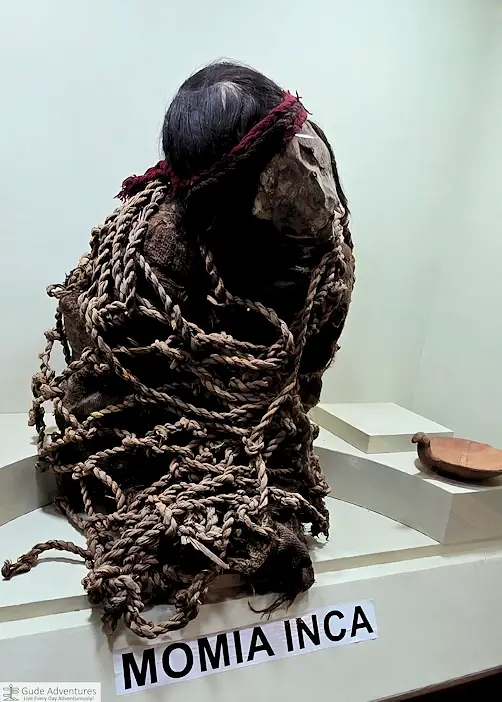
Inca mummy in the Museo Arquelogico de Pucara.
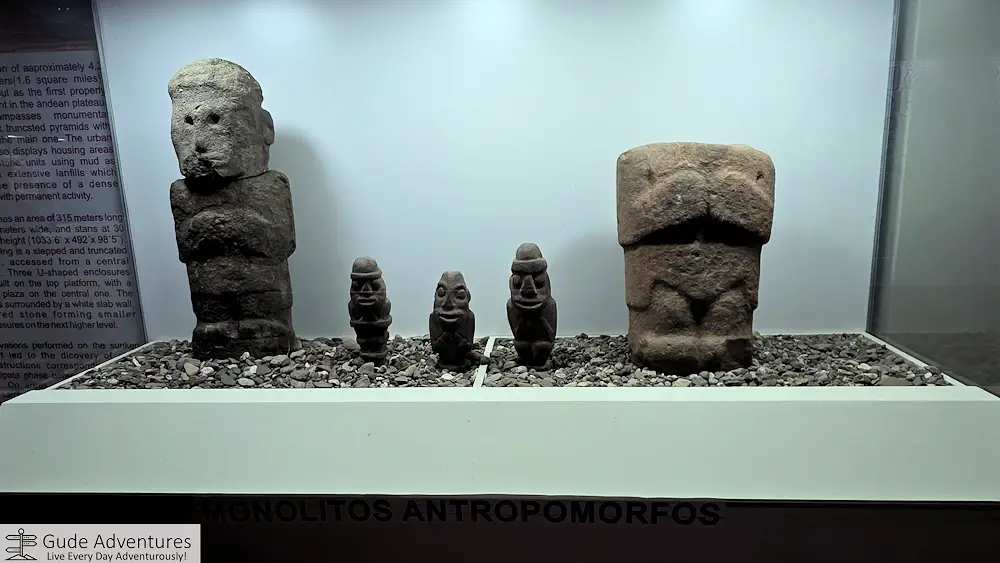
Inca statues in the Museo Arquelogico de Pucara.
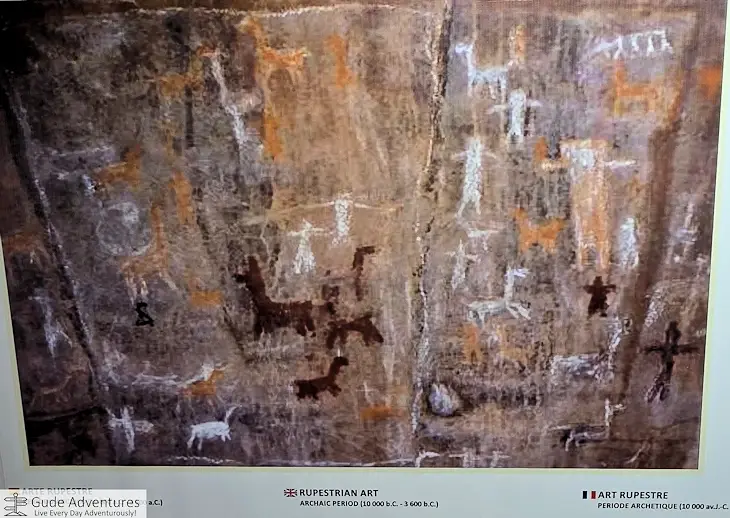
Rupestrian art in the Museo Arquelogico de Pucara.
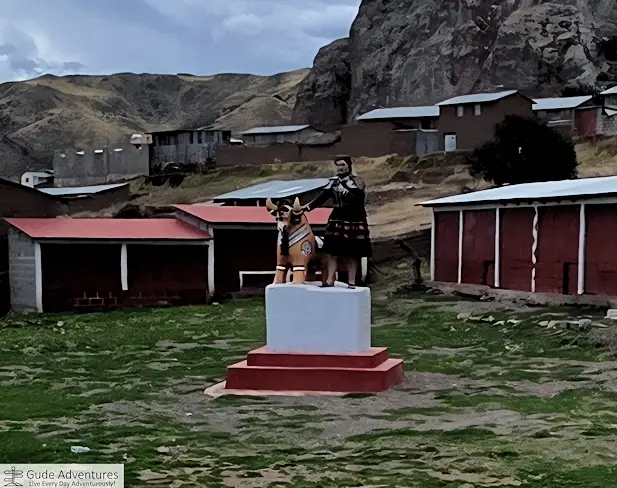
The town of Pucará andd statue of the Torito de Pucará.
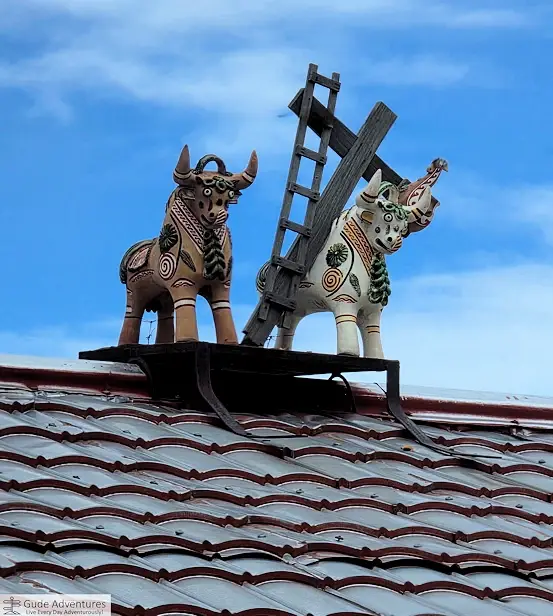
Torito de Pucará, or “Little Bull of Pucará” are seen on rooftops throughout Peru. The cross and ladder are thought to help ensure an easy passage into the afterlife.
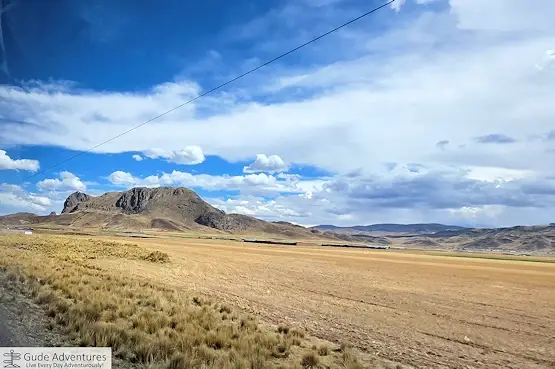
The Pukara Archaeological Complex is located on the side of this mountain.
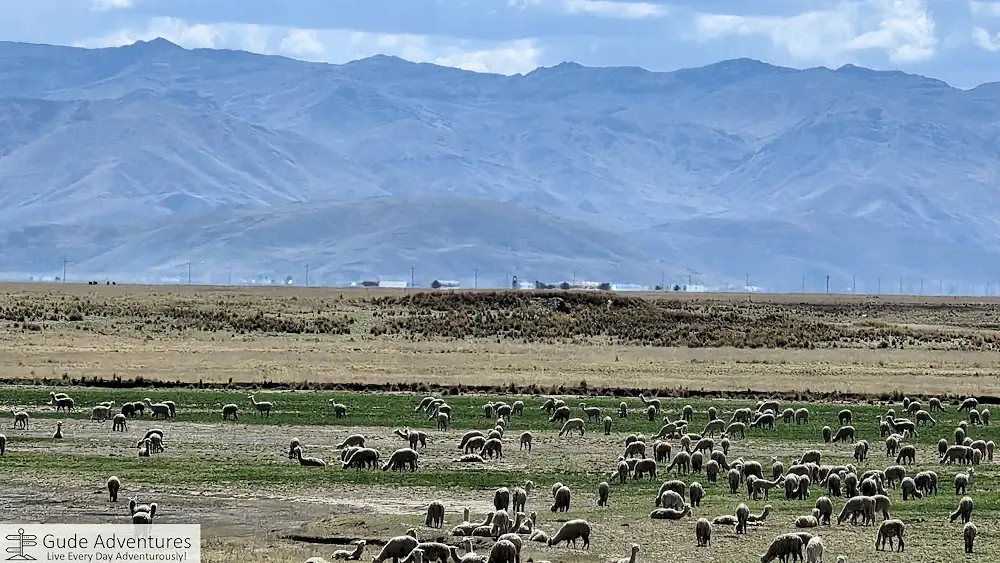
Herd of llamas near Pucará.