Things to see and do at Castillo de San Marcos in St Augustine, Florida


Castillo de San Marcos: A Majestic Sentinel of Florida’s Past
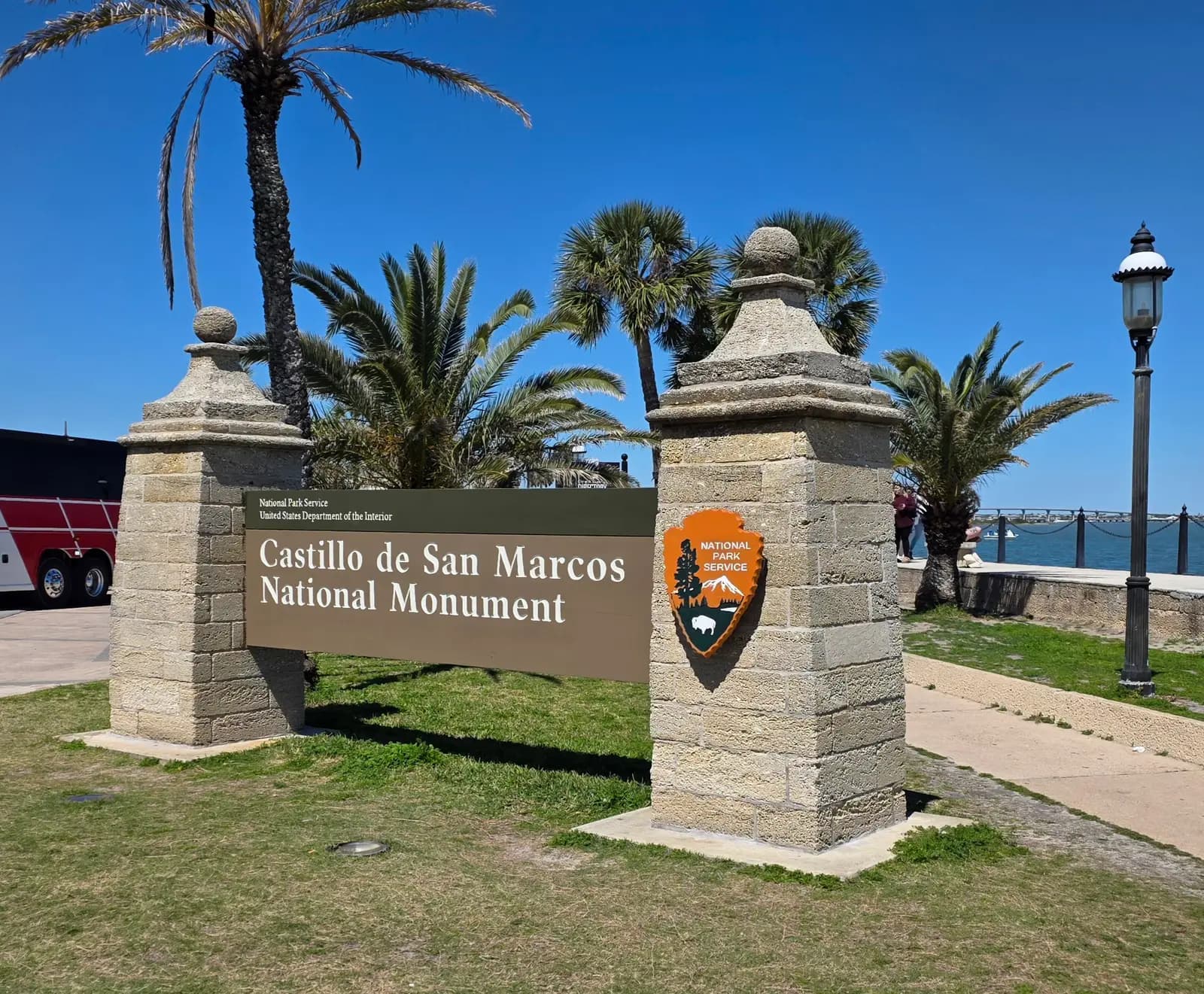
Rising from the banks of Matanzas Bay in St. Augustine, the Castillo de San Marcos is a commanding presence—an enduring reflection of centuries of cultural exchange, imperial ambition, and military innovation. As the oldest masonry fort in the continental United States, it has never been captured in battle. Nearly 350 years since its initial construction, this fortress stands as both an architectural marvel and a living chronicle of American history.
Designed to Defend: The Strength of Coquina
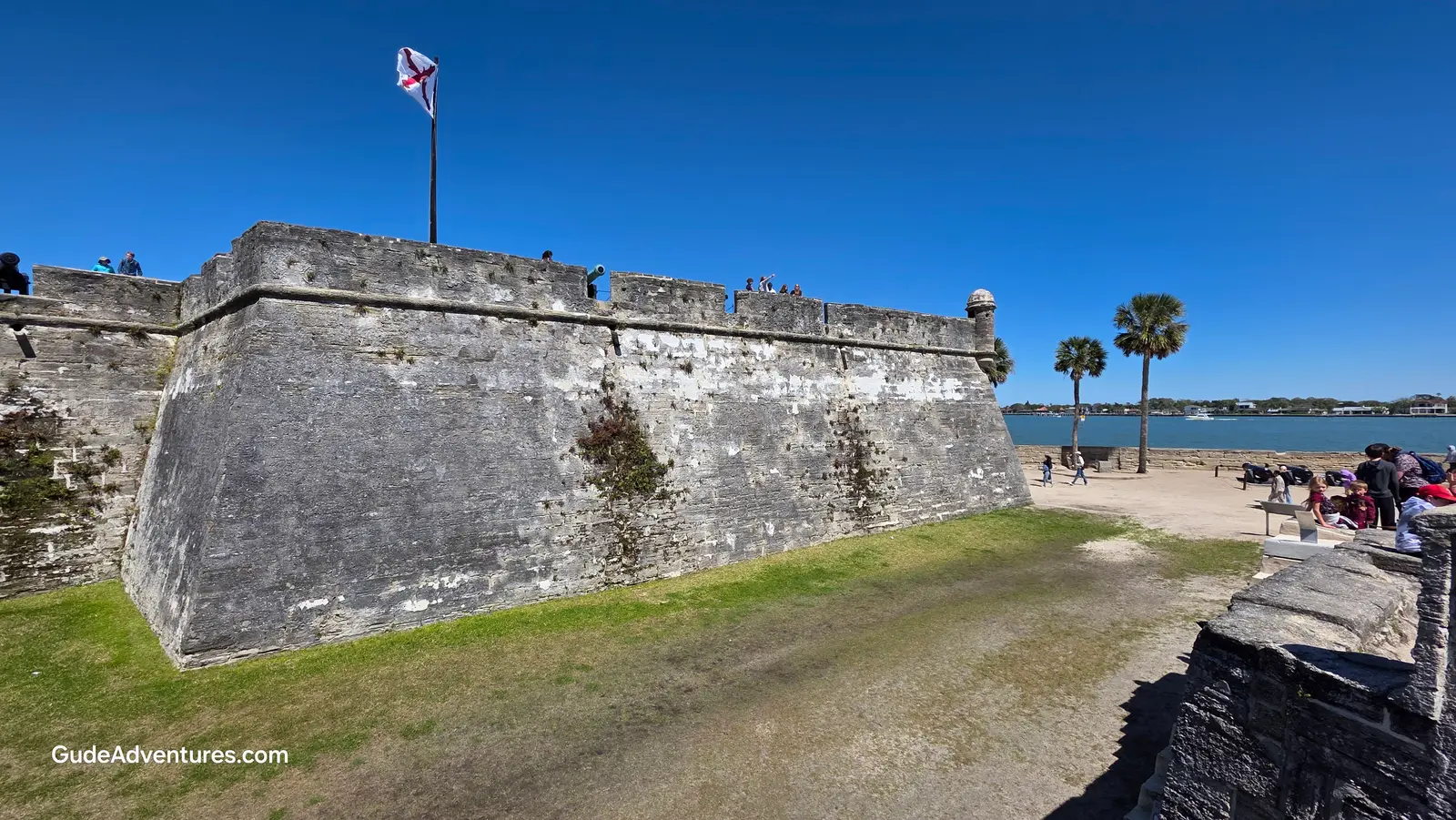
Construction of the Castillo began in 1672 under Spanish engineer Ignacio Daza and continued until 1695, with major enhancements completed between 1738 and 1756. Built entirely of coquina—a soft limestone of compressed seashells—its walls (now 33 ft high and 12 ft thick) are a testament to smart military engineering. Rather than shattering under bombardment, coquina absorbed enemy cannon fire, rebounding shots harmlessly—a feature that allowed the fort to withstand British sieges in 1702 and 1740.
A Fort Shaped for Warfare
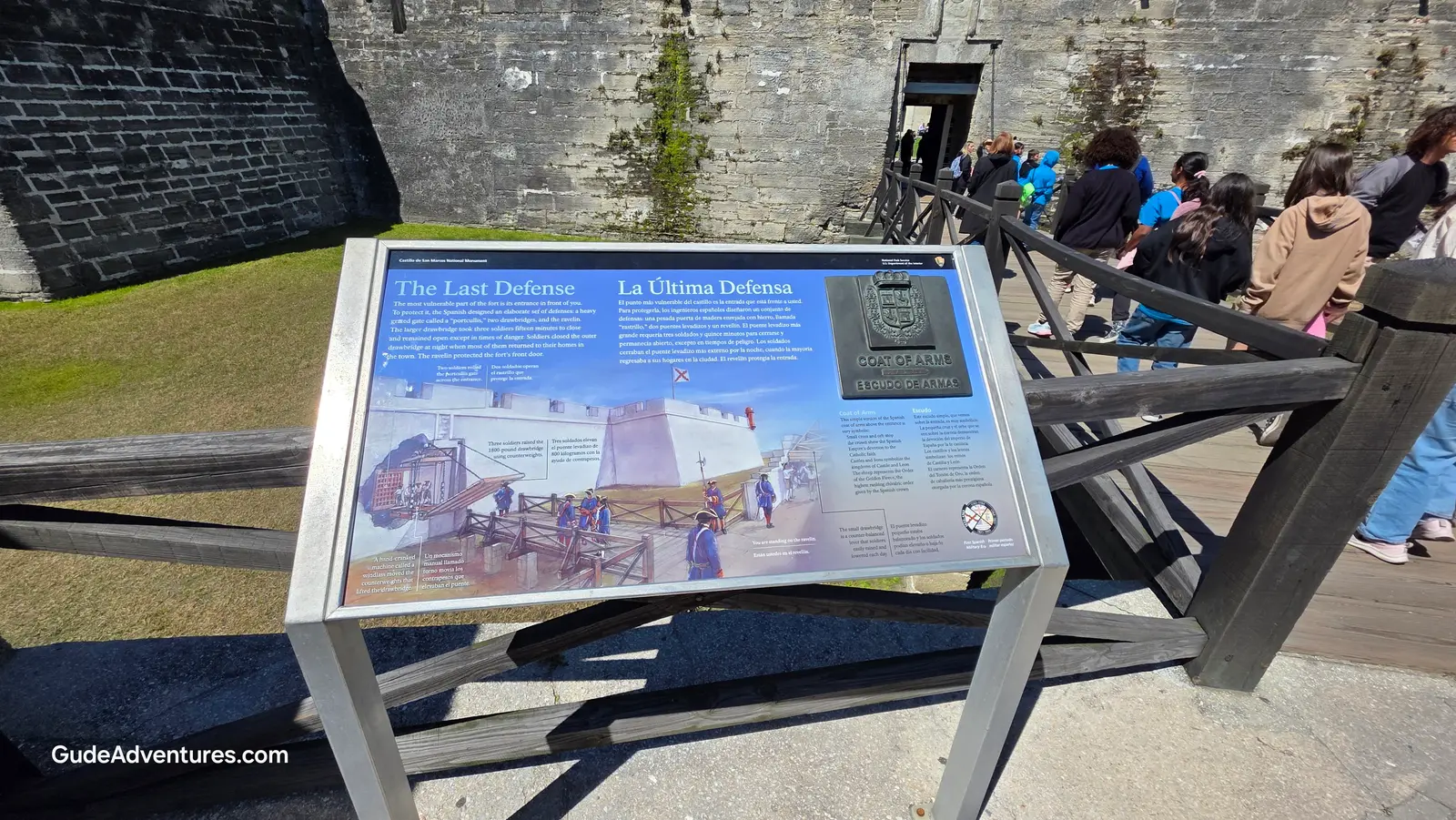
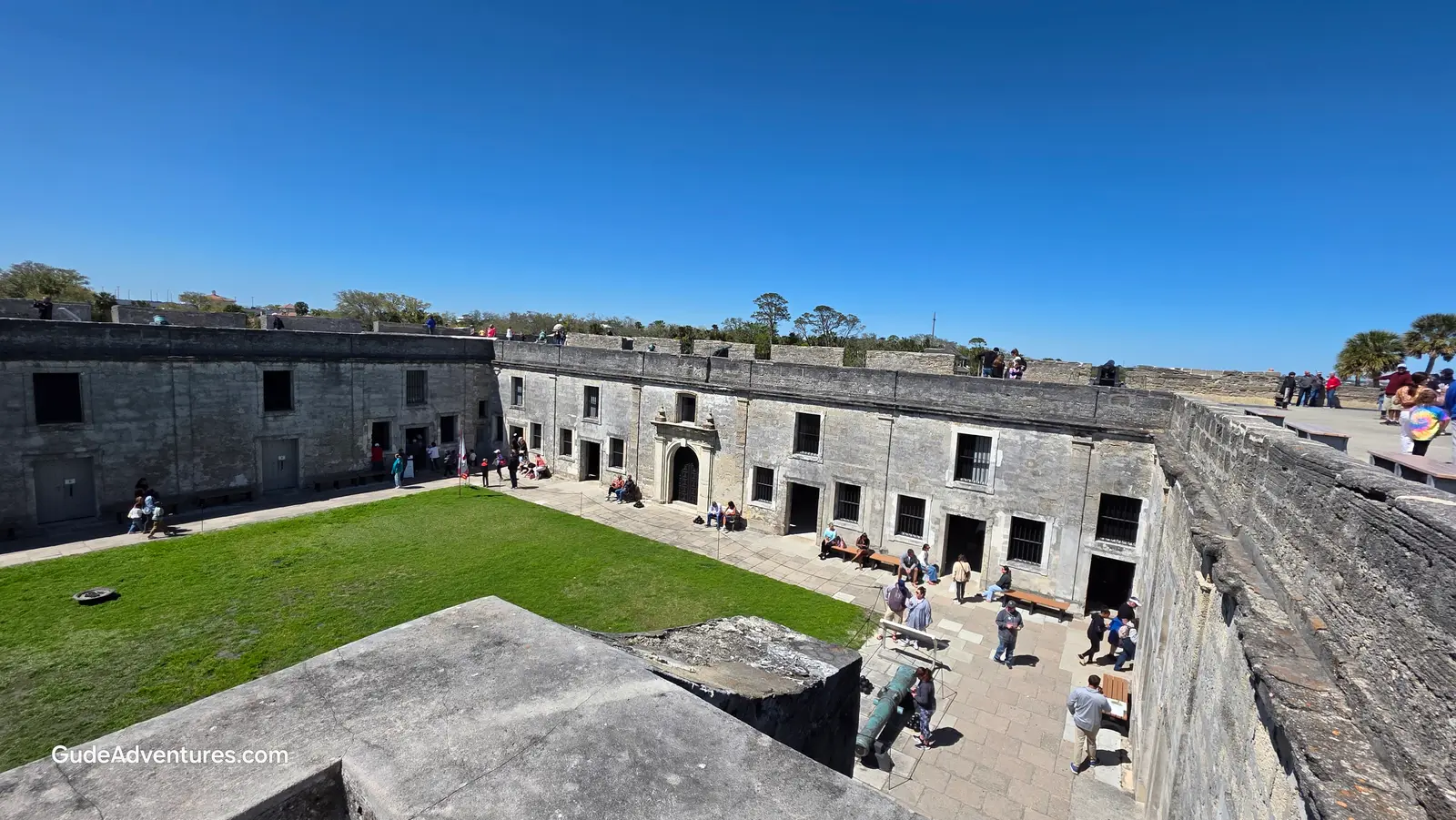
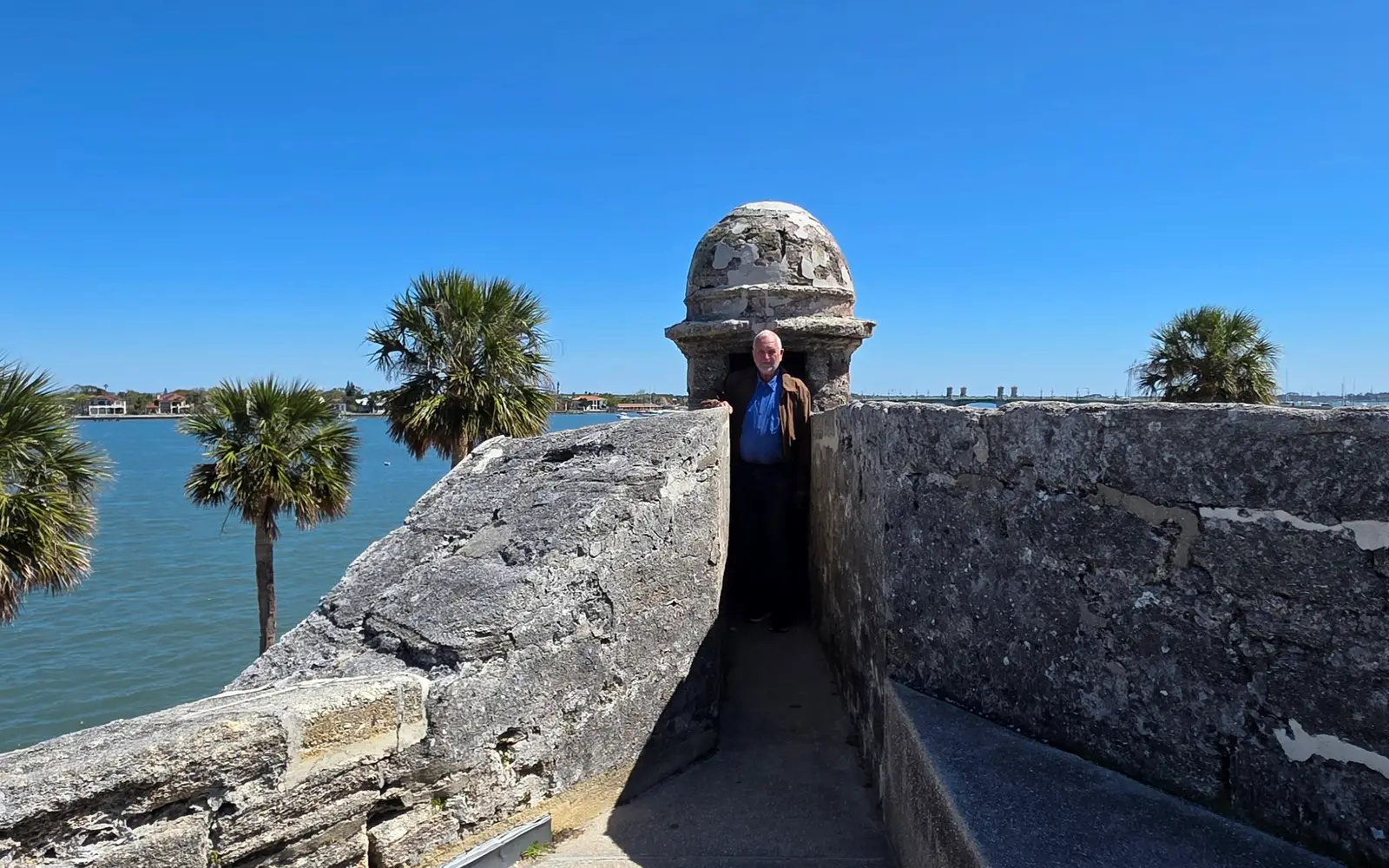
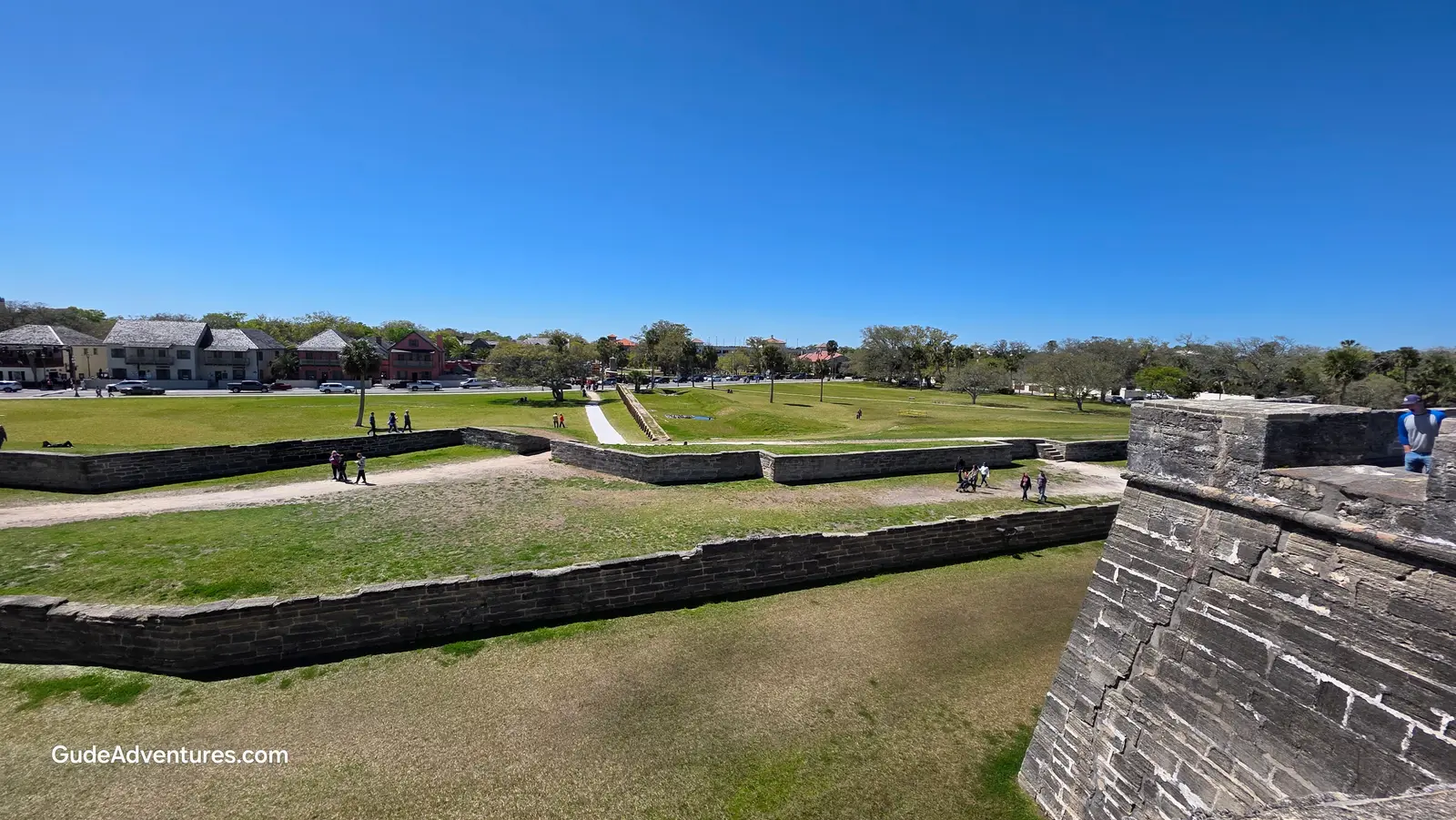
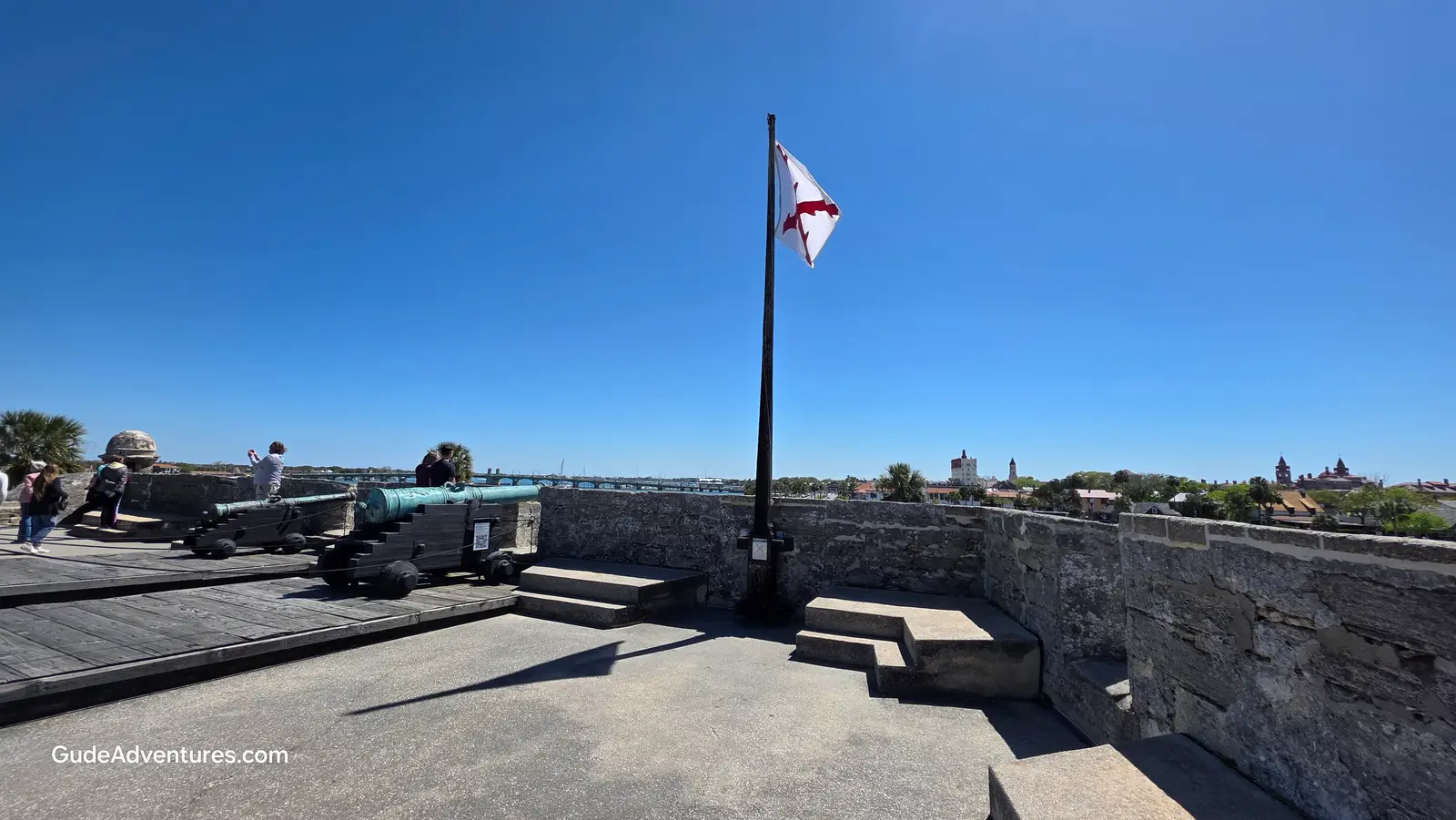
The Castillo’s star-shaped, bastioned design features four diamond-pointed bastions—San Pedro, San Agustín, San Carlos, and San Pablo—built for crossfire coverage and strategic defense. Inside, visitors today can explore vaulted casemates, an open parade courtyard, gun decks, and the ravelin—a triangular outwork shielding the main entrance.
A Fortress Through Dynasties
The Castillo’s walls have witnessed shifting empires and centuries of conflict:
- Spanish Era (1695–1763): Served as a bastion against pirates, British forces, and hostile tribes.
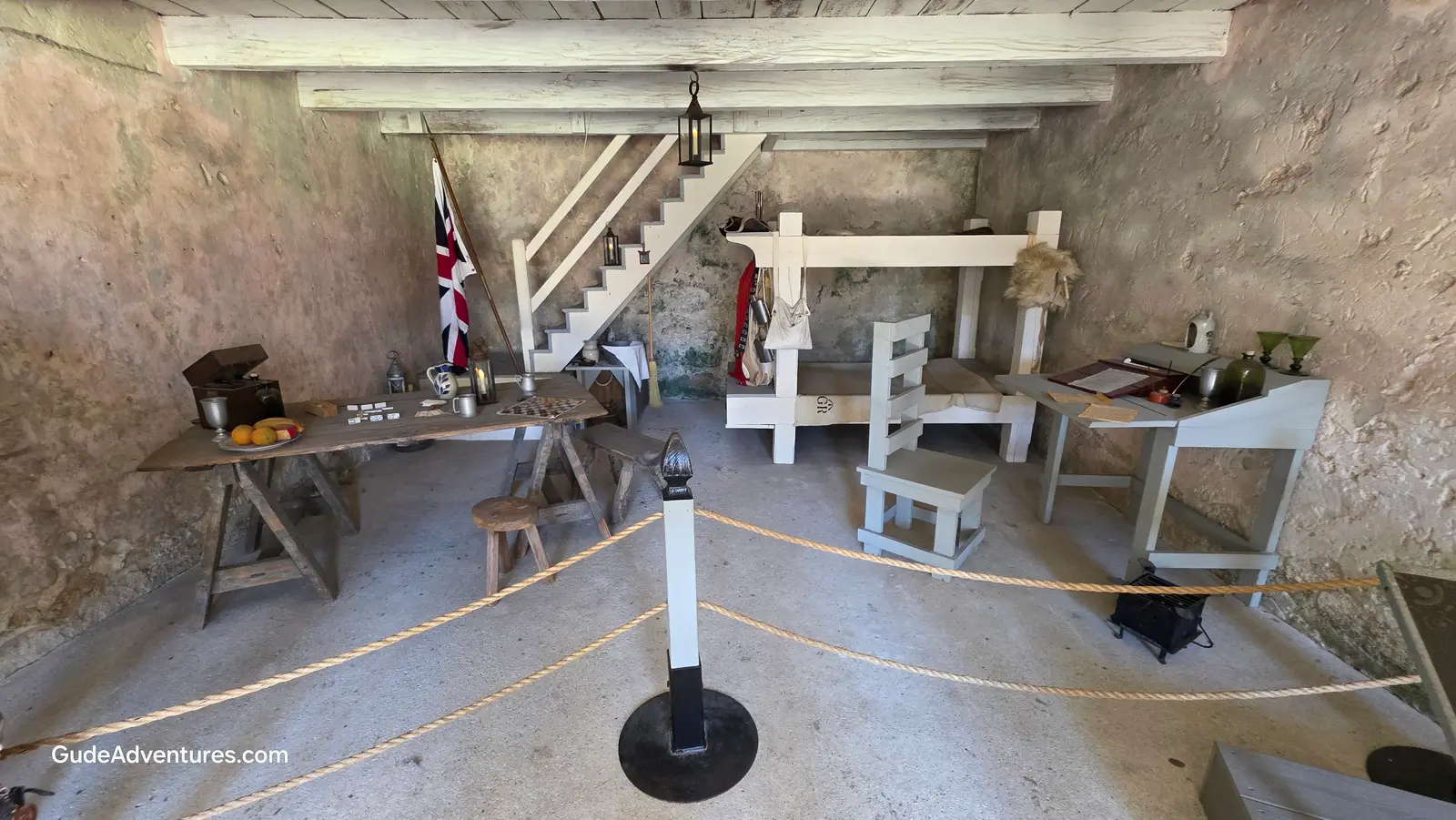
- British Rule (1763–1783): Renamed Fort St. Mark, it saw use during the Revolutionary War.
- Return to Spain and U.S. Transition: Reclaimed by Spain in 1784, then ceded to the U.S. in 1821, renamed Fort Marion after Revolutionary hero Francis Marion.
- American Service: Functioned as a military prison during the Seminole Wars and Civil War, storing Native American leaders like Osceola and Confederate soldiers.
It was decommissioned by 1900, declared a national monument in 1924, renamed back to Castillo de San Marcos in 1942, and now stands under the care of the National Park Service.
Living History and Cultural Legacy
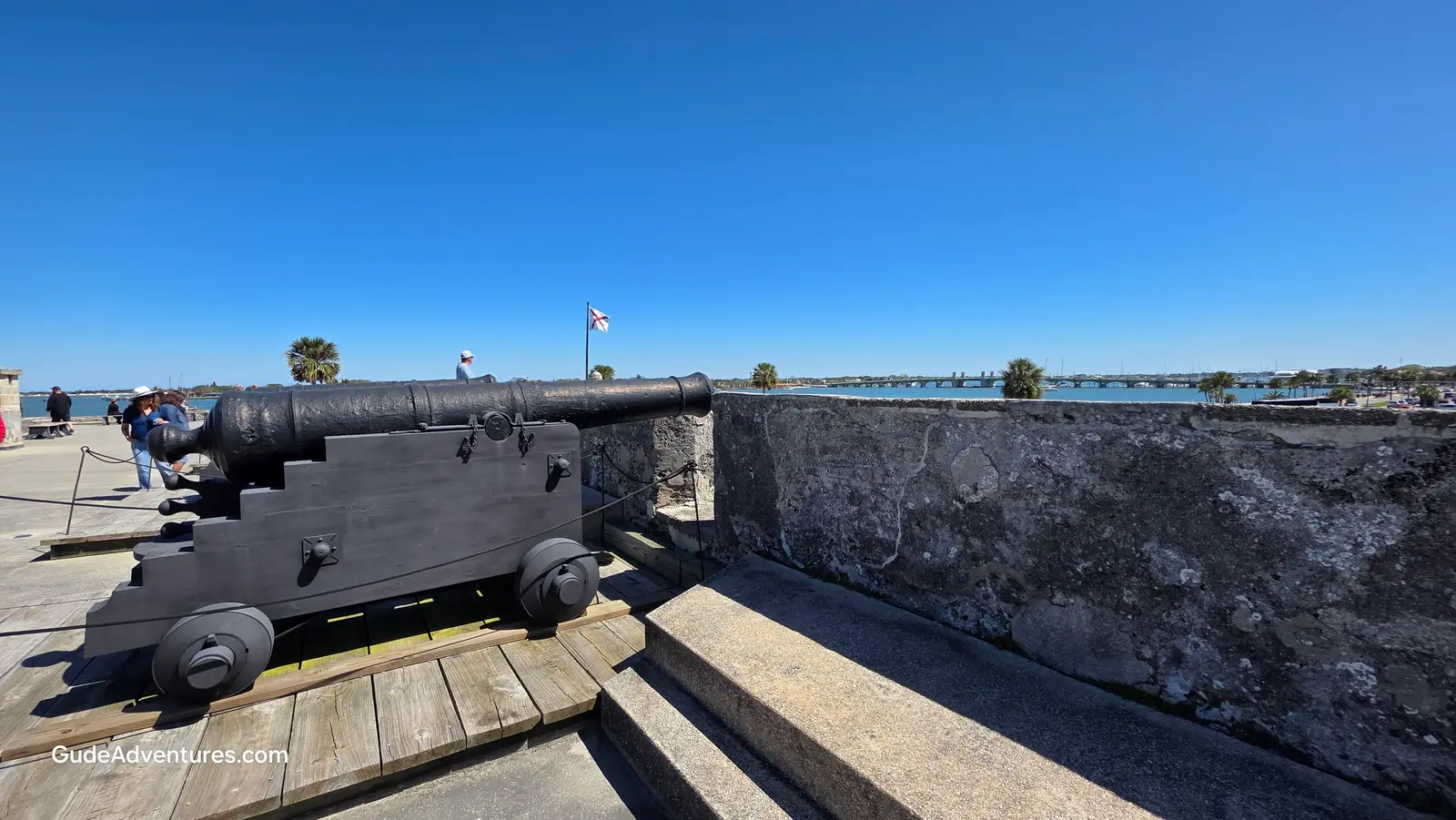
Today, the Castillo is far from a static relic. Park rangers in period dress lead engaging programs and cannon-firing demonstrations. Immersive reenactments bring the past to life on its gun decks. Families wander through interpretive exhibits within vaulted rooms, while guided tours explore stories of the Spanish, British, Native Americans, and Civil Rights activists who have left their mark.
A Monument to Preservation and Progress
The grounds are more than just old walls—they were a stage for the Civil Rights Movement. Under the famous “Freedom Tree,” activists and civil rights leaders gathered in peaceful protest, a poignant reminder of Florida’s continuing struggle for justice. Listed on the National Register of Historic Places and declared a Historic Civil Engineering Landmark, Castillo de San Marcos honors resilience in its stones and lessons in its walls.
Planning Your Visit
Hours: Fort interior is open 9 a.m.–5 p.m. (last entry at 5 p.m.); grounds are open from 5:30 a.m.–midnight.
Admission: Adults (16+) pay $15; children enter free.
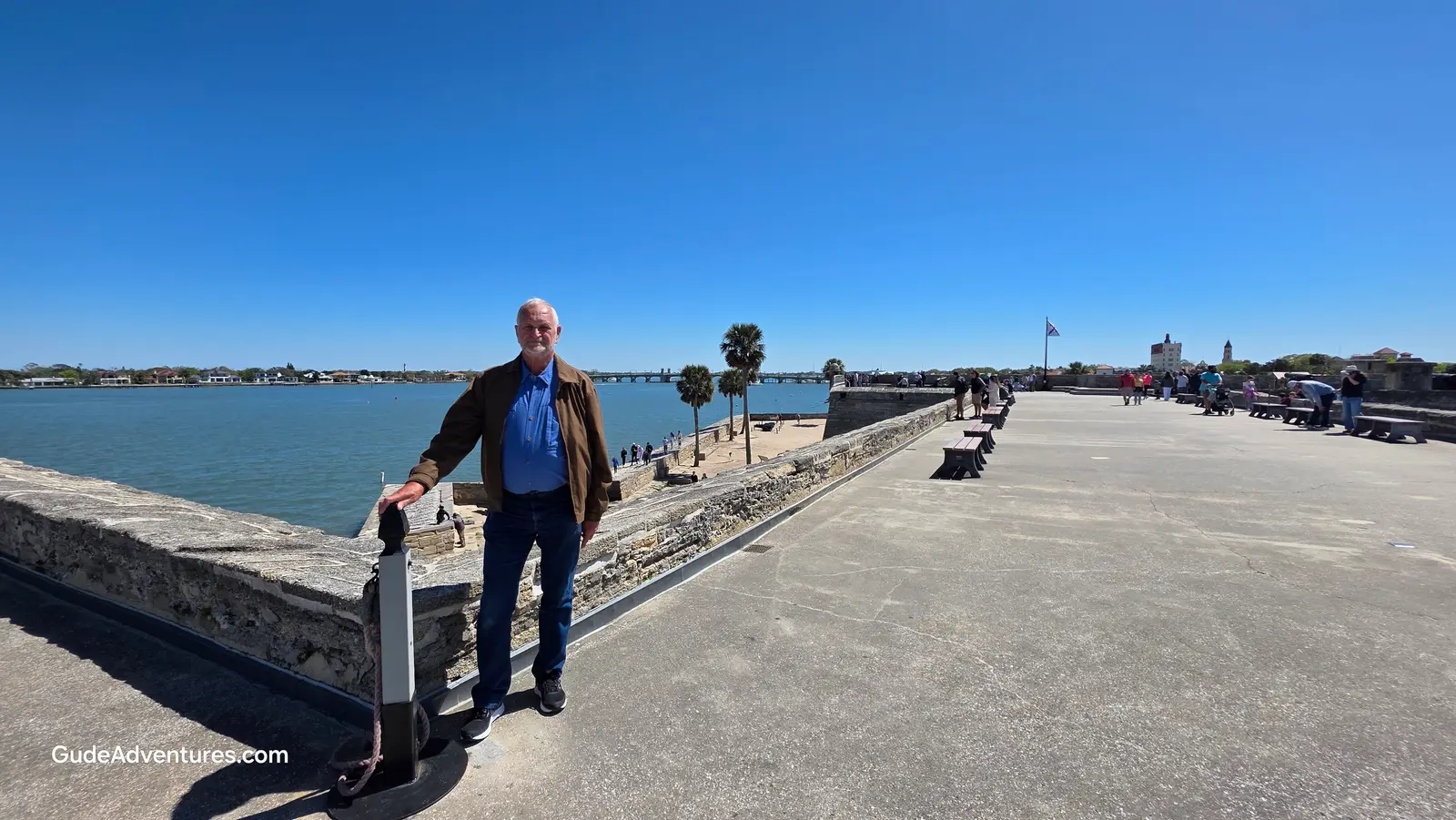
What to Expect: Explore gun decks and casemates, enjoy guided programs, cannon firings, and sweeping bay views—especially magical at sunrise and sunset.
Why the Castillo Matters
The Castillo de San Marcos is not simply a fortress; it's a microcosm of North American history—from colonial strife to civil rights. It stands durable on its coquina foundation, a testament to ingenuity, defense, and cultural convergence. Whether you're drawn to military architecture or living history, this fortress offers a profound, immersive experience.
Set aside a few hours to walk its walls, feel the weight of past eras, and watch a cannon fired echo across centuries. In visiting the Castillo, you're witnessing a cornerstone of Florida's—and America’s—story.
Looking for a place to stay? Click here for options.
If you’re planning a visit, Viator offers numerous tours near St Augustine. Click here for details.
For more information on wineries, distilleries, and craft breweries in the area visit https://flbwd.com
Pictures from Castillo de San Marcos