
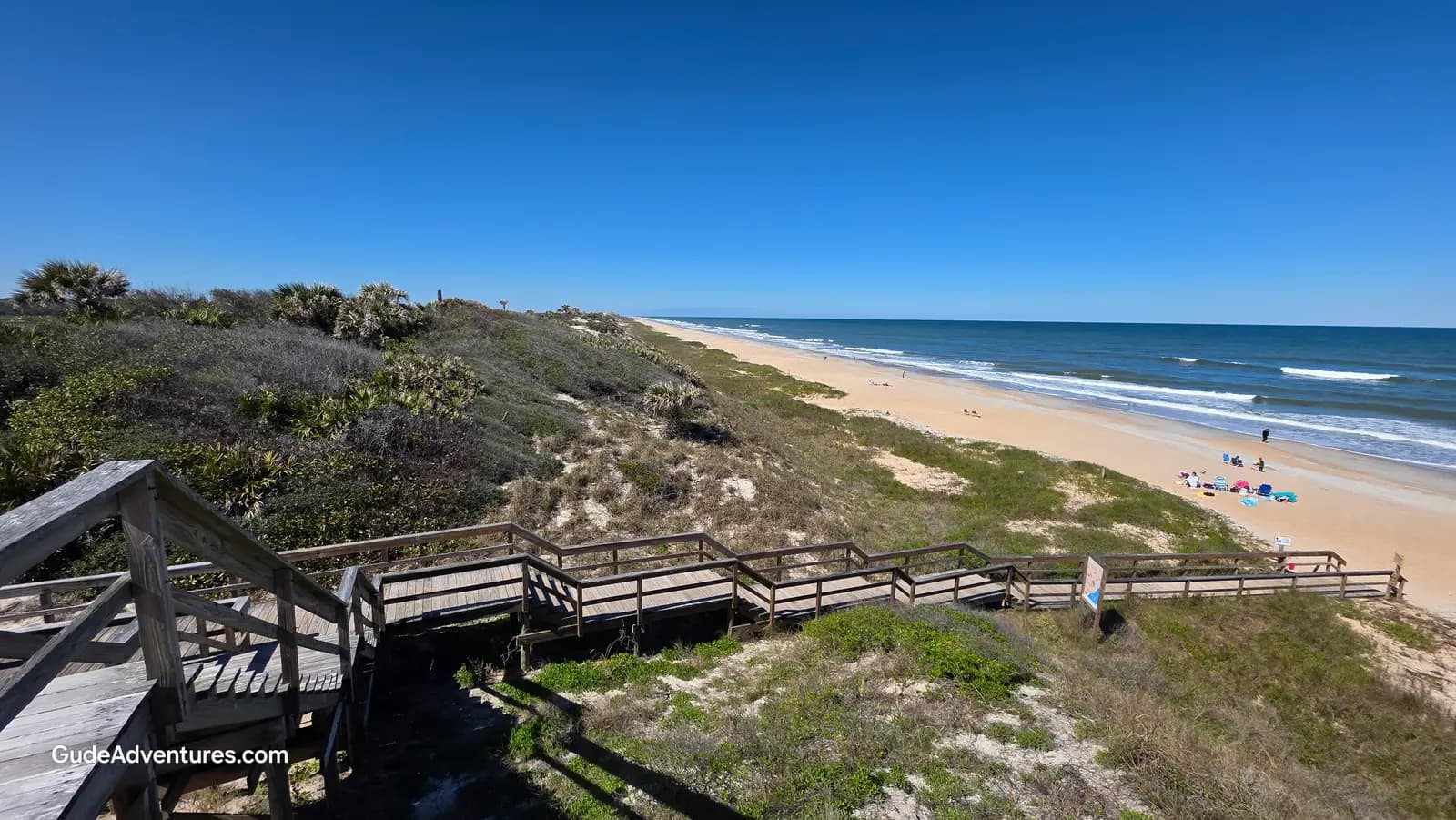
Things to see and do at the Guana Reserve in Florida


Guana Reserve: Florida’s Wild Coastline Untamed
If you’re looking for a side of Florida that isn’t paved over or packaged into a theme park, head to the Guana Tolomato Matanzas National Estuarine Research Reserve—or just Guana Reserve for short. Located between Ponte Vedra Beach and St. Augustine on Florida’s northeast coast, this protected area is one of the state’s best-kept secrets. It's where coastal wilderness still reigns and where hiking boots and binoculars are more useful than beach towels.
A Historic Marker marks the site where Ponce de Leon first sighted Florida on April 2, 1513 at 30 degrees and 8 seconds north..
Where Land, Water, and Wildlife Collide
Guana Reserve spans more than 76,000 acres of protected habitat, including salt marshes, mangroves, maritime hammocks, dunes, and estuarine waters. That variety makes it a biological goldmine. The estuary—where freshwater and saltwater meet—is one of the most productive ecosystems on Earth, and Guana is a prime example. It’s home to hundreds of bird species, endangered sea turtles, alligators, bobcats, and more. This isn’t a place to just drive through. You hike it. You paddle it. You sit quietly and let it unfold in front of you.
Trails Worth Taking
On the Guana River Wildlife Management Area side, you’ll find over 10 miles of trails winding through pine flatwoods, oak canopies, and scenic overlooks. These trails vary in length and difficulty but all feel raw and immersive—nothing feels manicured or artificial. One of the most rewarding trails is the Yellow Trail, which leads to an overlook of the Guana River. Bring water, sunscreen, and mosquito repellent—you’re in real Florida now.
The Education Center
On the southern end of the reserve, the Environmental Education Center (EEC) acts as a gateway for new visitors. It’s small but packed with hands-on exhibits about estuarine ecosystems, local wildlife, and conservation efforts. There’s also a short loop trail behind the center that includes scenic views of Guana Lake and interpretive signs for a quick and informative nature walk.
Fishing, Kayaking, and Birding
Guana Reserve isn’t just for hiking and learning—it’s a haven for outdoor recreation. Anglers line the banks of Guana Lake and launch kayaks into the river to fish for red drum, sea trout, and flounder. The lake is actually a dammed portion of the Guana River, offering calm, shallow water perfect for paddling.
Birdwatchers especially love this place. Guana is part of the Great Florida Birding Trail, and depending on the season, you might spot roseate spoonbills, bald eagles, ospreys, and migratory songbirds.
A Protected Treasure
Managed jointly by the Florida Department of Environmental Protection and the National Oceanic and Atmospheric Administration (NOAA), Guana Reserve isn’t just a park—it’s a living lab for climate and conservation research. But it’s also open to the public and surprisingly accessible, just off scenic A1A.
Final Take
Guana Reserve is the antidote to Florida’s tourist traps. No crowds. No lines. Just raw, wild space where nature calls the shots. Whether you come to hike, paddle, fish, or just breathe, you’ll leave with a clearer head and a deeper appreciation for Florida’s wild side. If you want to see the real Florida, this is it—no filter needed.
Looking for a place to stay? Click here for options.
Thinking of visiting? Viator offers numerous tours in Florida. Click here for details.
For more information on wineries, distilleries, and craft breweries in the area visit https://flbwd.com
Pictures from Guana Reserve in Florida
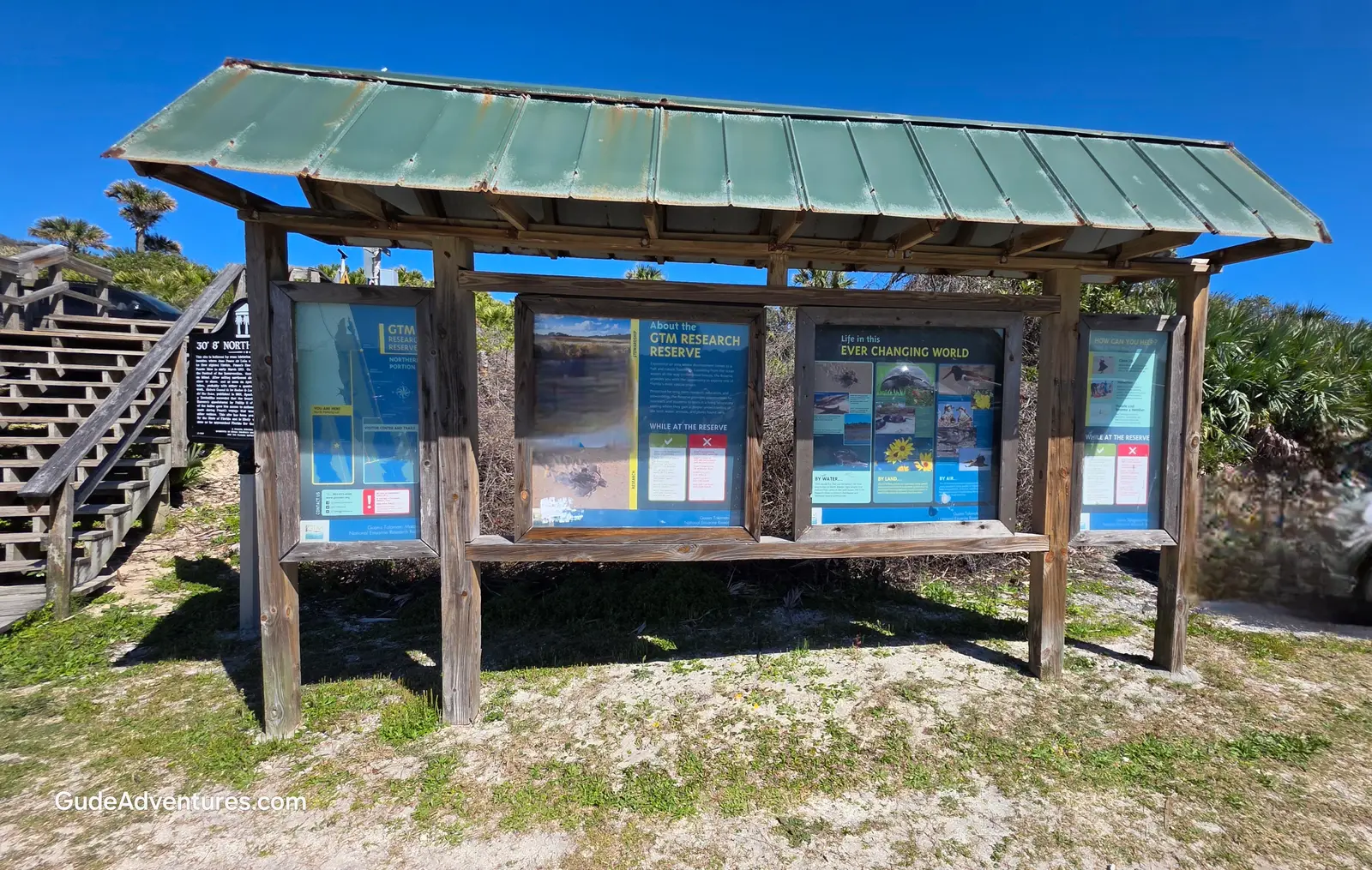
Guana Reserve information.
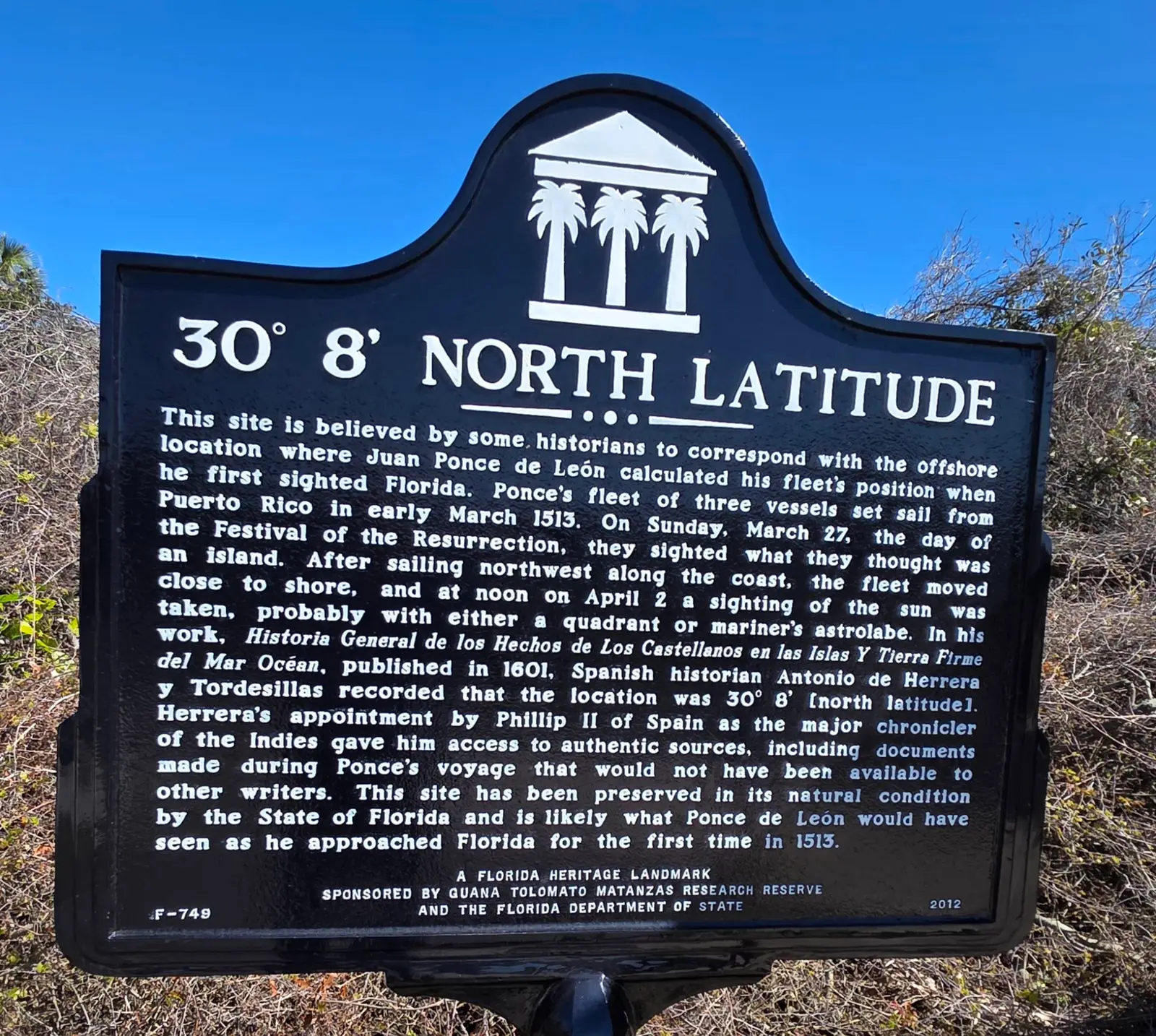
Historic Marker regarding site where Ponce de Leon first sighted Florida on April 2, 1513.
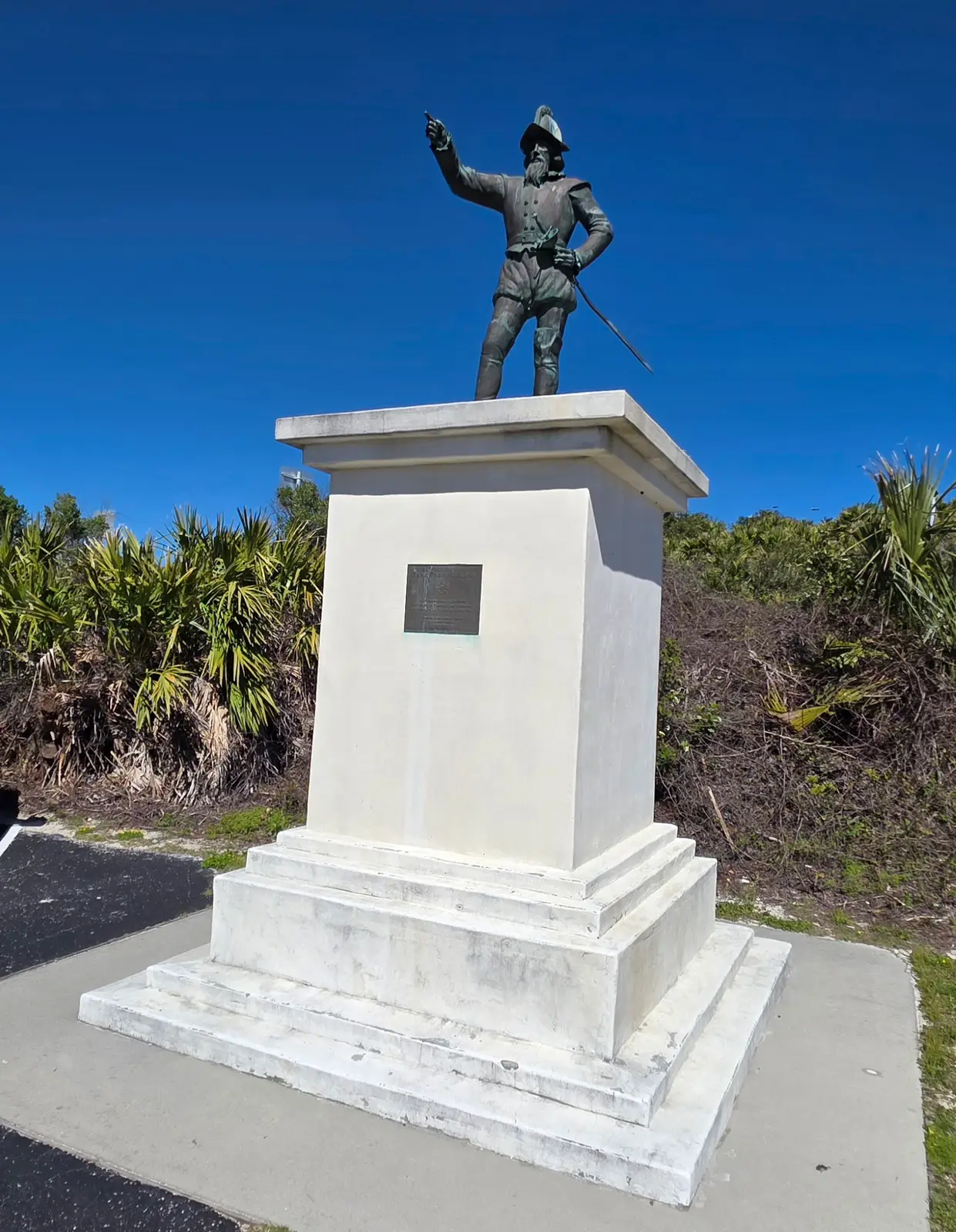
Ponce de Leon statue in the park.
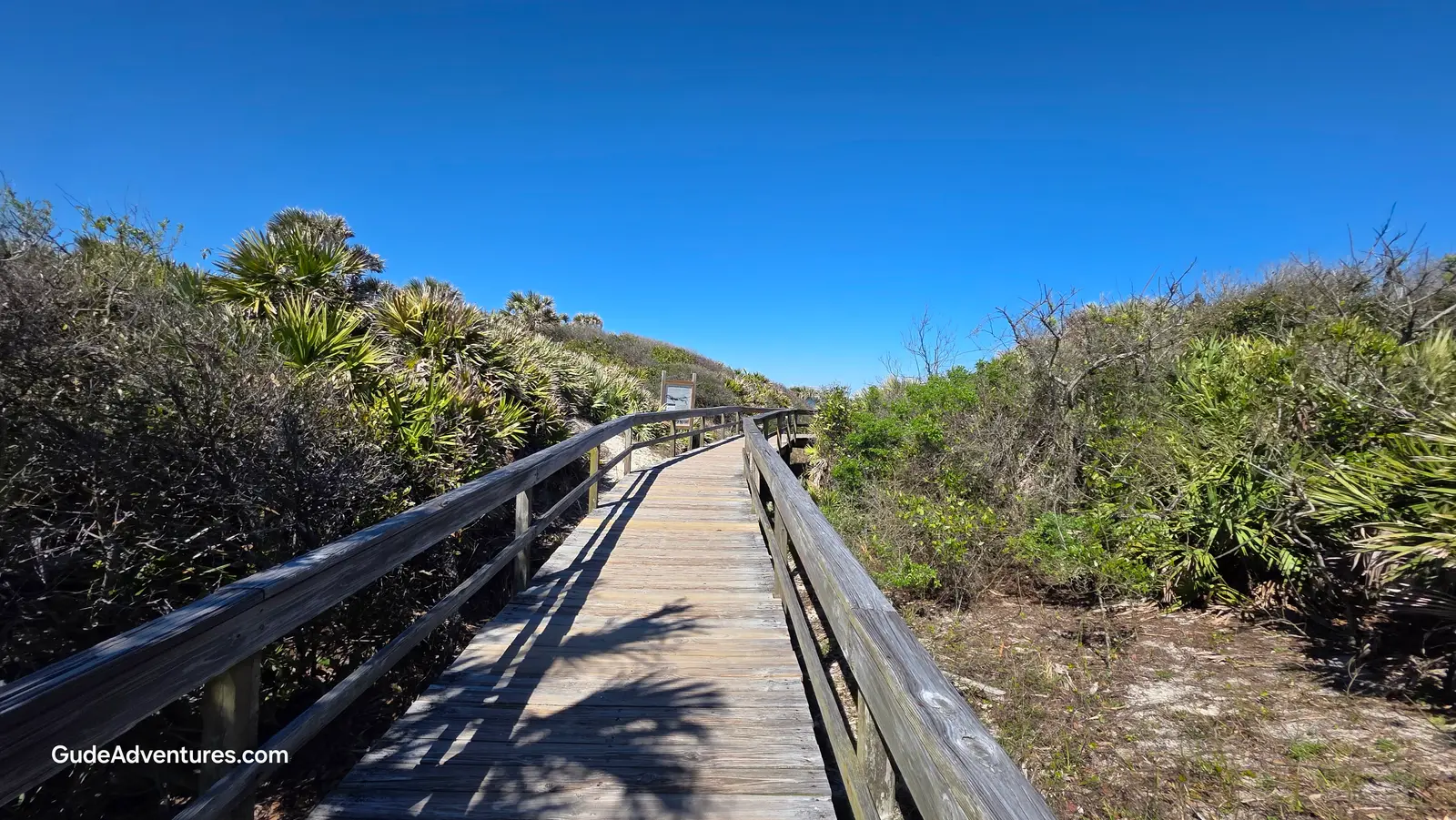
Boardwalk in the Guana Reserve.
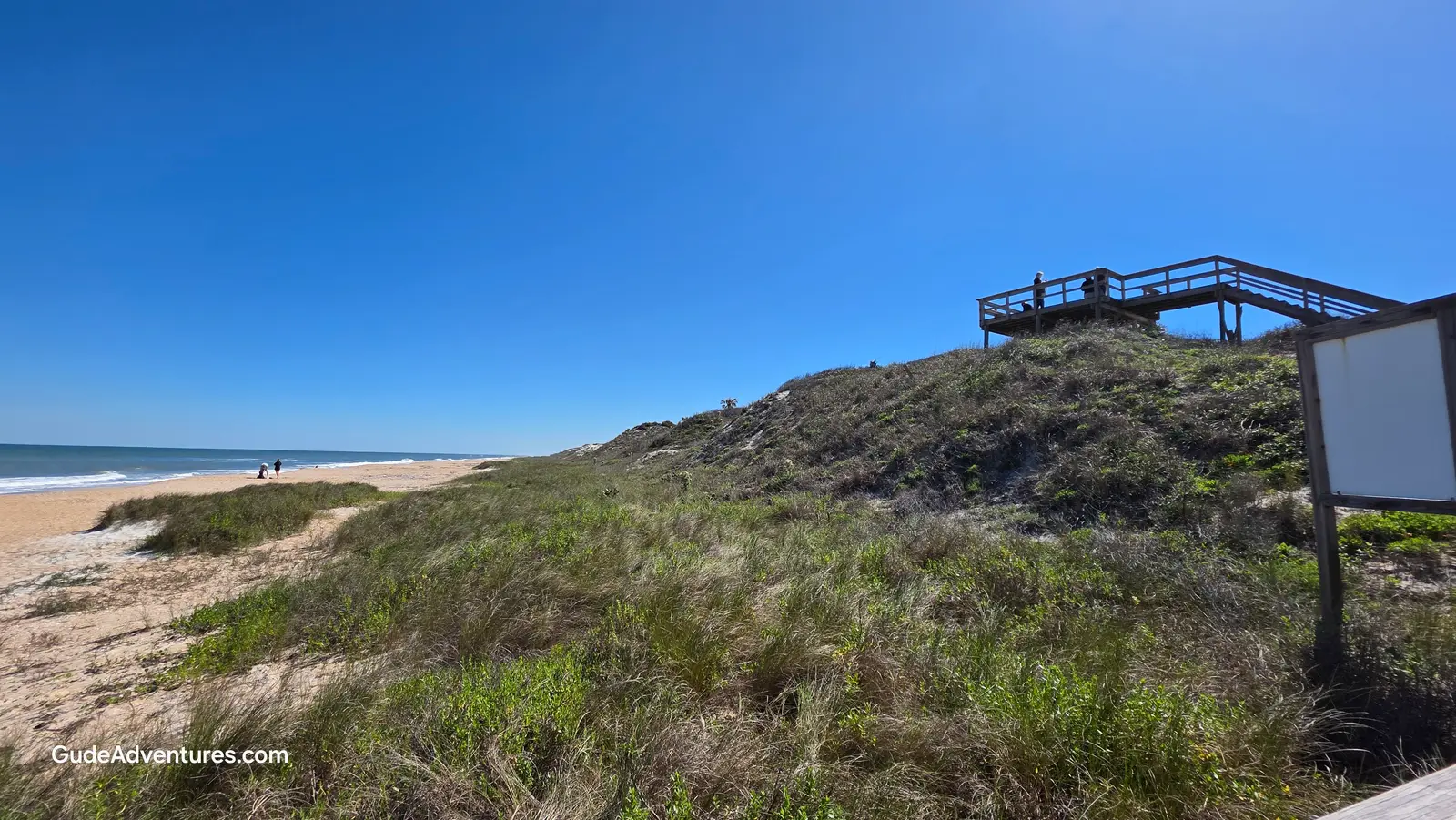
Beach overlook at the Guana Reserve.
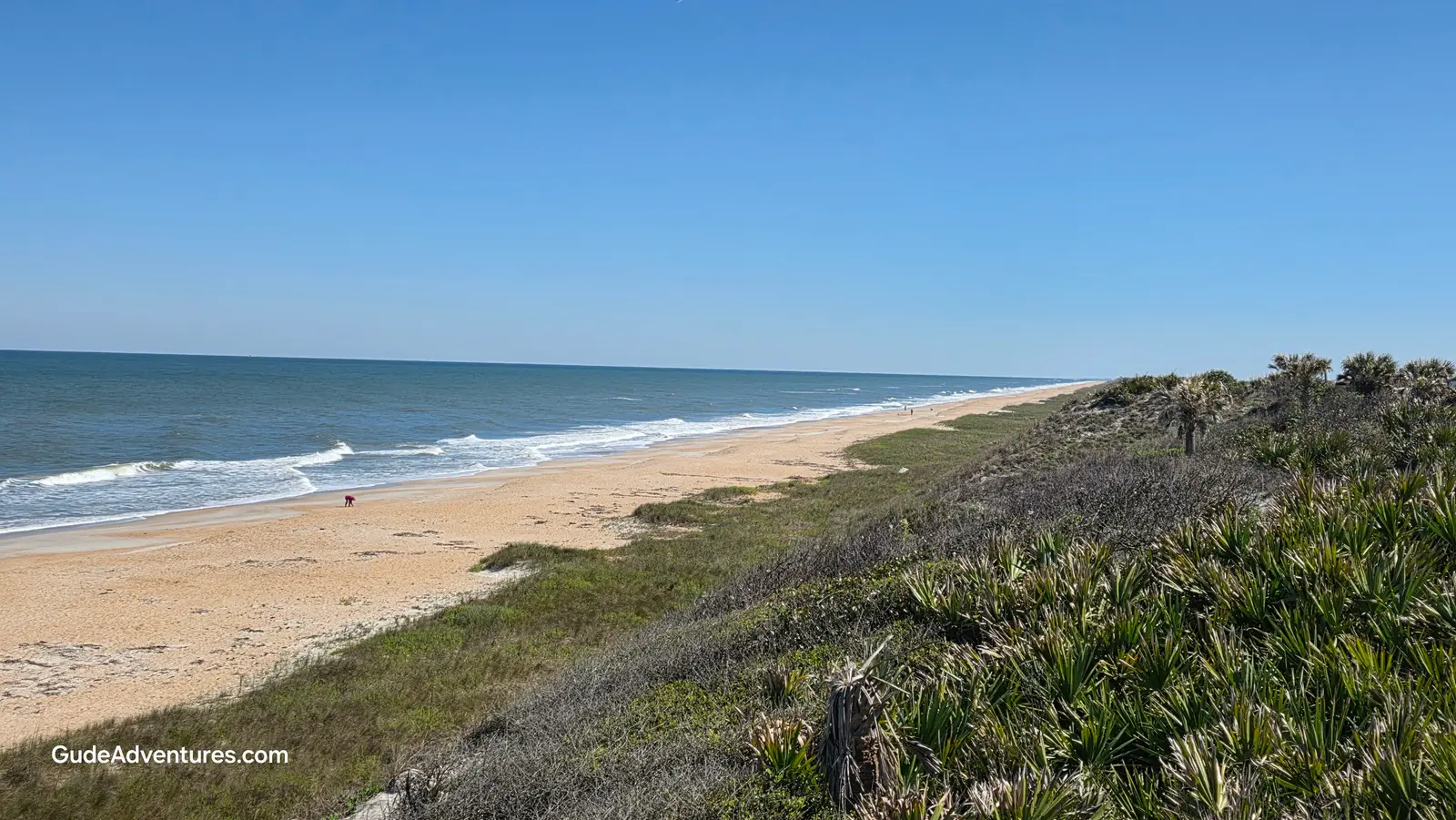
The beach at the Guana Reserve.
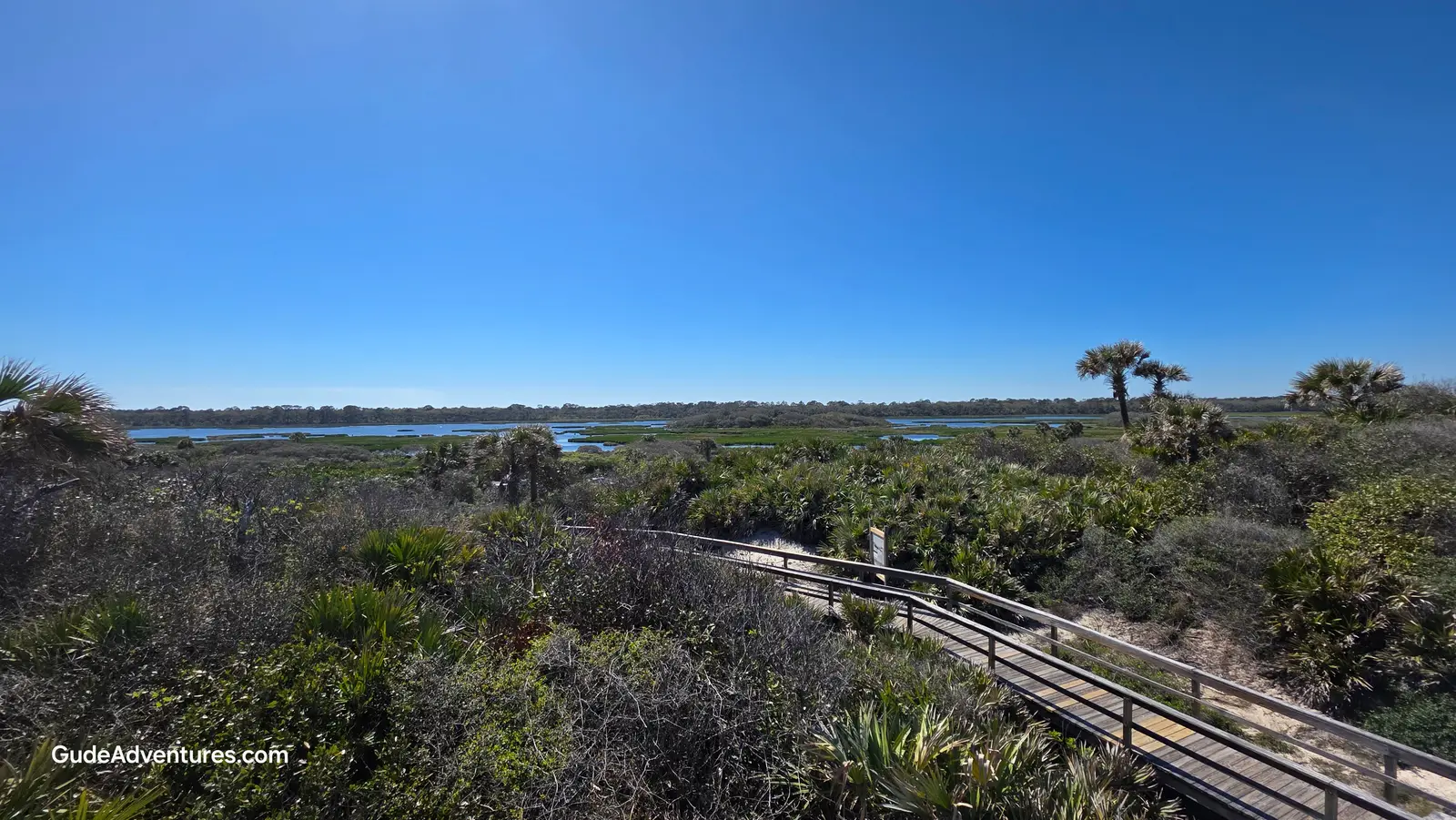
View towards the Guana River.
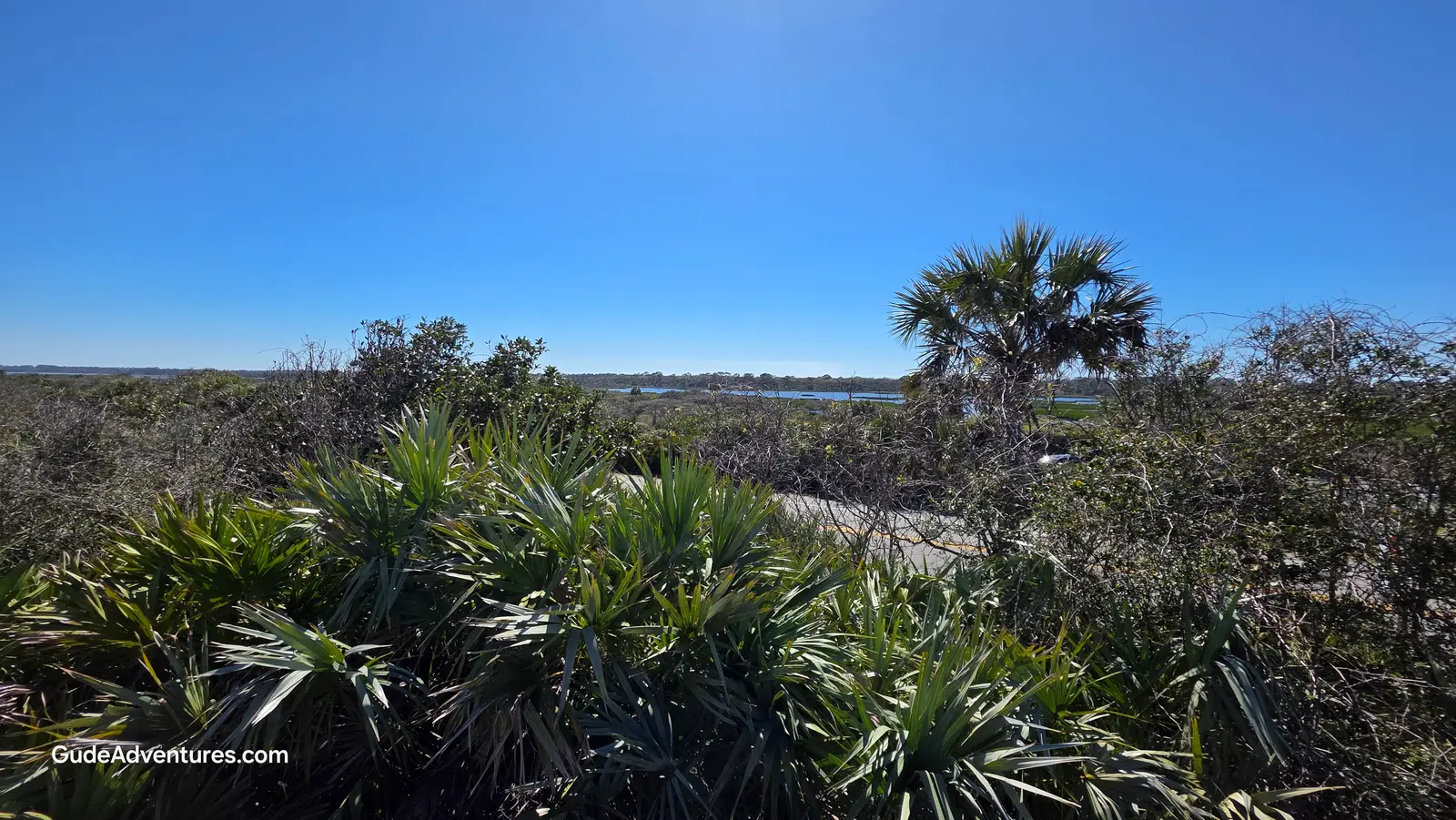
Maritime hammock in the Guana Reserve.
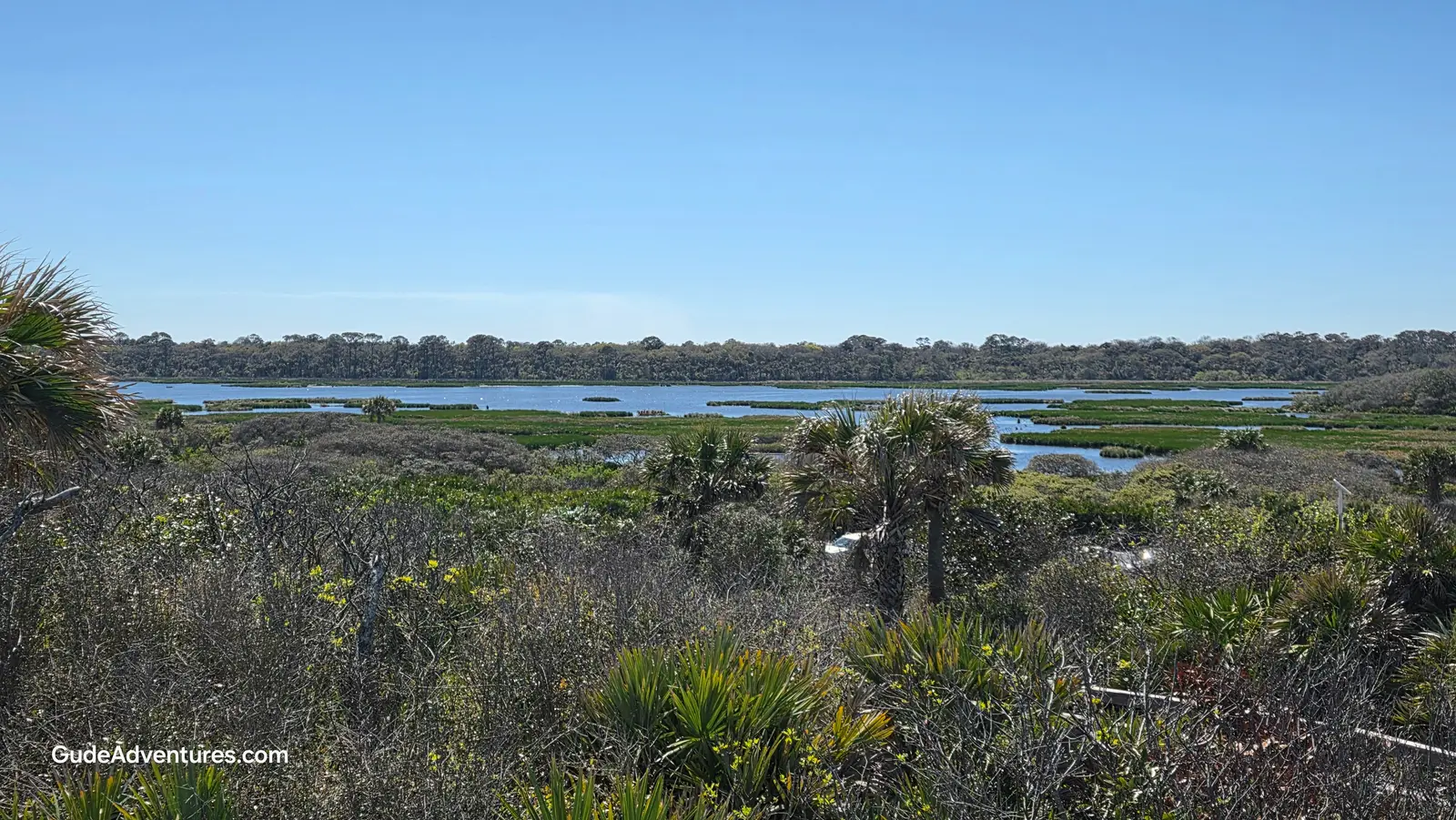
The Guana River.