
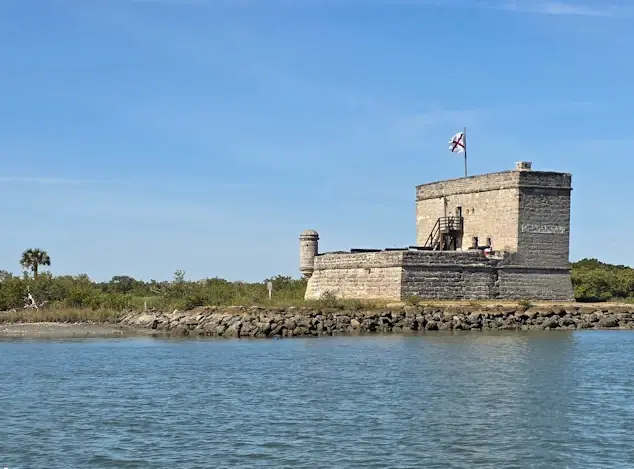
Things to see and do at Fort Matanzas in Florida


Fort Matanzas: Florida’s Quiet Sentinel on the Matanzas River
About 15 miles south of St. Augustine, tucked into the coastal wilderness, stands a small, white coquina fort that looks more like a watchtower than a fortress. This is Fort Matanzas—a lesser-known but deeply significant piece of Florida’s colonial history. Small in size but big in historical value, Fort Matanzas offers a unique, off-the-beaten-path experience that combines natural beauty with a dramatic backstory.
Built to Defend the Oldest City
Fort Matanzas was built by the Spanish in 1742 to guard the Matanzas Inlet, a southern waterway into St. Augustine. The city had already survived attacks by the British, and Spanish authorities realized they needed a second line of defense. The fort took about 18 months to build, using coquina stone quarried from nearby Anastasia Island—the same material used in the massive Castillo de San Marcos in downtown St. Augustine.
Though the fort never fired a shot in battle, its presence sent a clear message: approach St. Augustine from the south, and you’ll be met with resistance. The name “Matanzas” itself is chilling—it means "slaughters" in Spanish, a reference to a 1565 massacre in which Spanish forces executed over 200 French Huguenots nearby, solidifying Spain’s control over the area.
A Quick Boat Ride to the Past
One of the coolest things about visiting Fort Matanzas is how you get there: by ferry boat. Operated by the National Park Service, the short ride across the river sets the tone. You leave behind the mainland—and the modern world—for a place that feels frozen in time.
Once on Rattlesnake Island, where the fort stands, you can walk through the small structure, climb its narrow ladder to the observation deck, and imagine what life was like for the handful of Spanish soldiers stationed there in the 1700s. It’s compact, quiet, and striking against the backdrop of blue sky and tidal marsh.
More Than Just a Fort
The park surrounding Fort Matanzas covers more than 300 acres of barrier island ecosystem. A network of boardwalks and trails weaves through coastal scrub and salt marsh, offering great opportunities to spot birds, turtles, and even the occasional dolphin offshore. There’s also a short nature trail near the visitor center, shaded by live oaks and perfect for a quick walk before or after your boat ride.
A few miles down the road is Matanzas Beach, a quiet, uncrowded stretch of sand that’s ideal for swimming, shelling, or just relaxing. It’s not flashy, but that’s part of its charm.
A Hidden Gem Worth the Stop
Fort Matanzas doesn’t have the scale of other historic sites in Florida, but that’s exactly what makes it special. It’s calm. It’s authentic. And it tells a story most people never hear—about borders, power, and the centuries-long tug-of-war for control of Florida.
If you’re visiting St. Augustine or just looking for a low-key, high-reward detour, Fort Matanzas is absolutely worth the stop. It’s free, it’s beautiful, and it reminds you that sometimes the quietest places hold the loudest stories.
Looking for a place to stay? Click here for options.
If you’re planning a visit, Viator offers numerous tours near St Augustine. Click here for details.
For more information on wineries, distilleries, and craft breweries in the area visit https://flbwd.com
Pictures from Fort Matanzas in Florida
Fort Matanzas entrance.
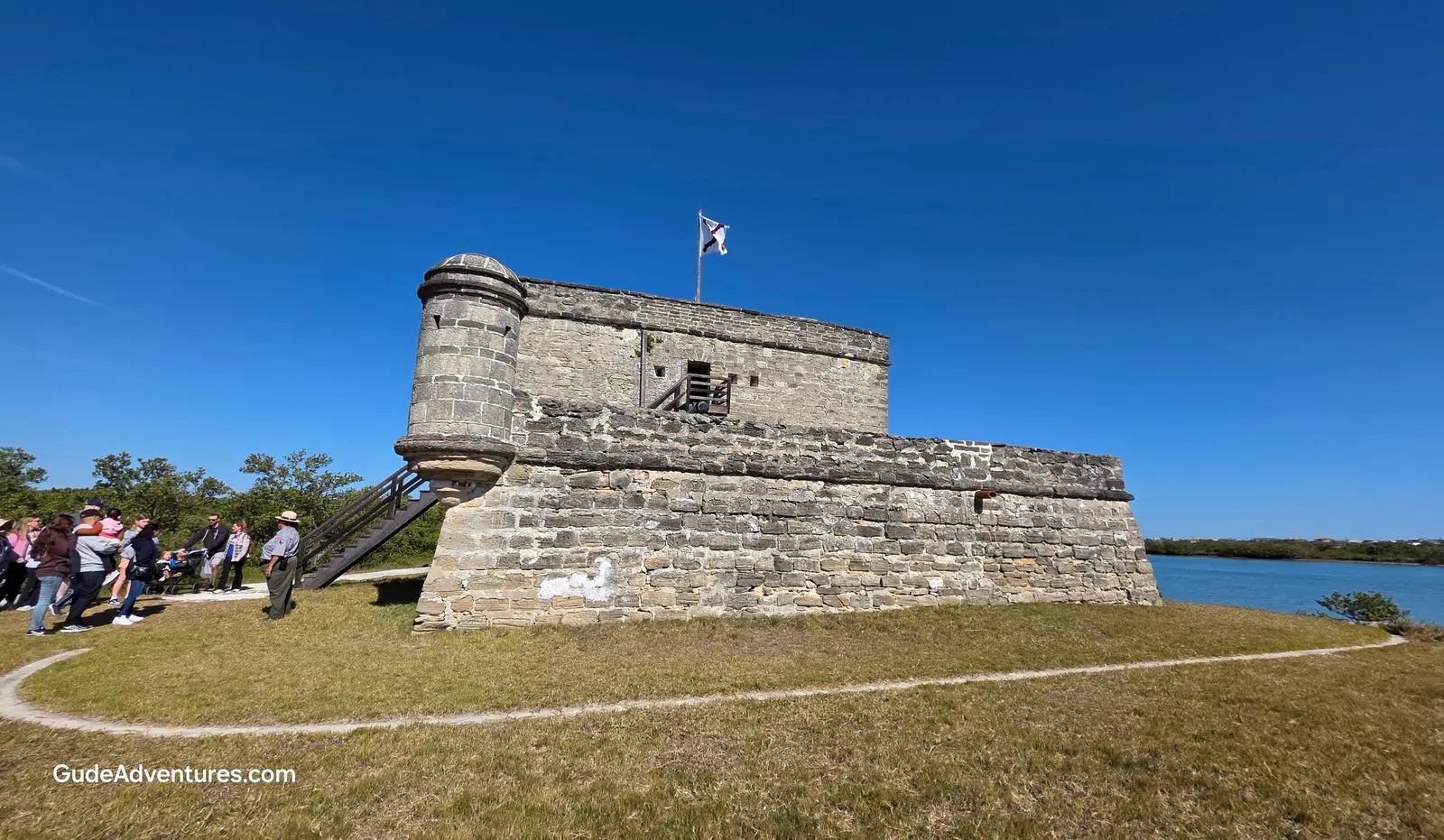
Fort Matanzas.
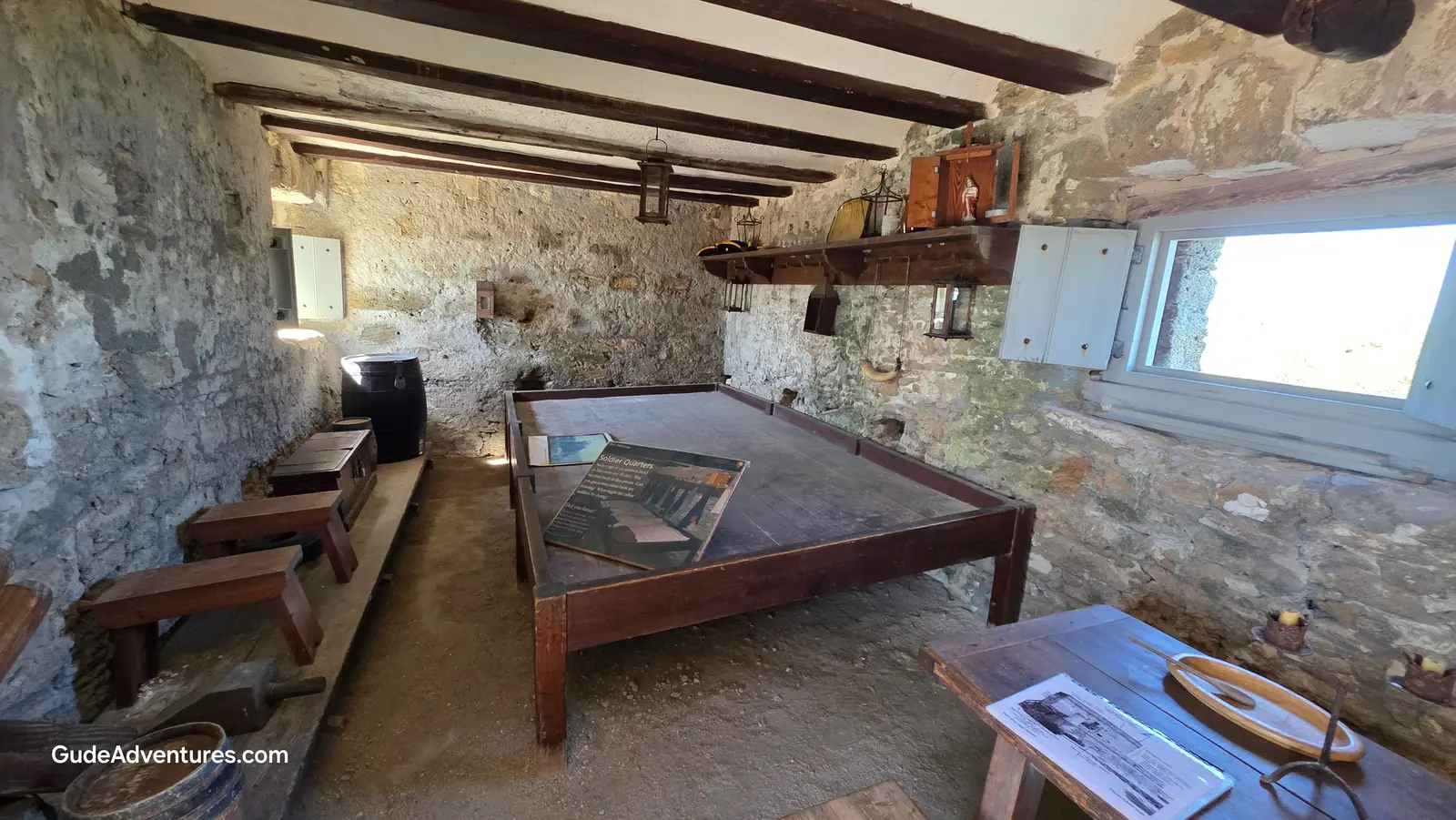
Sleeping quarters in Fort Matanzas.
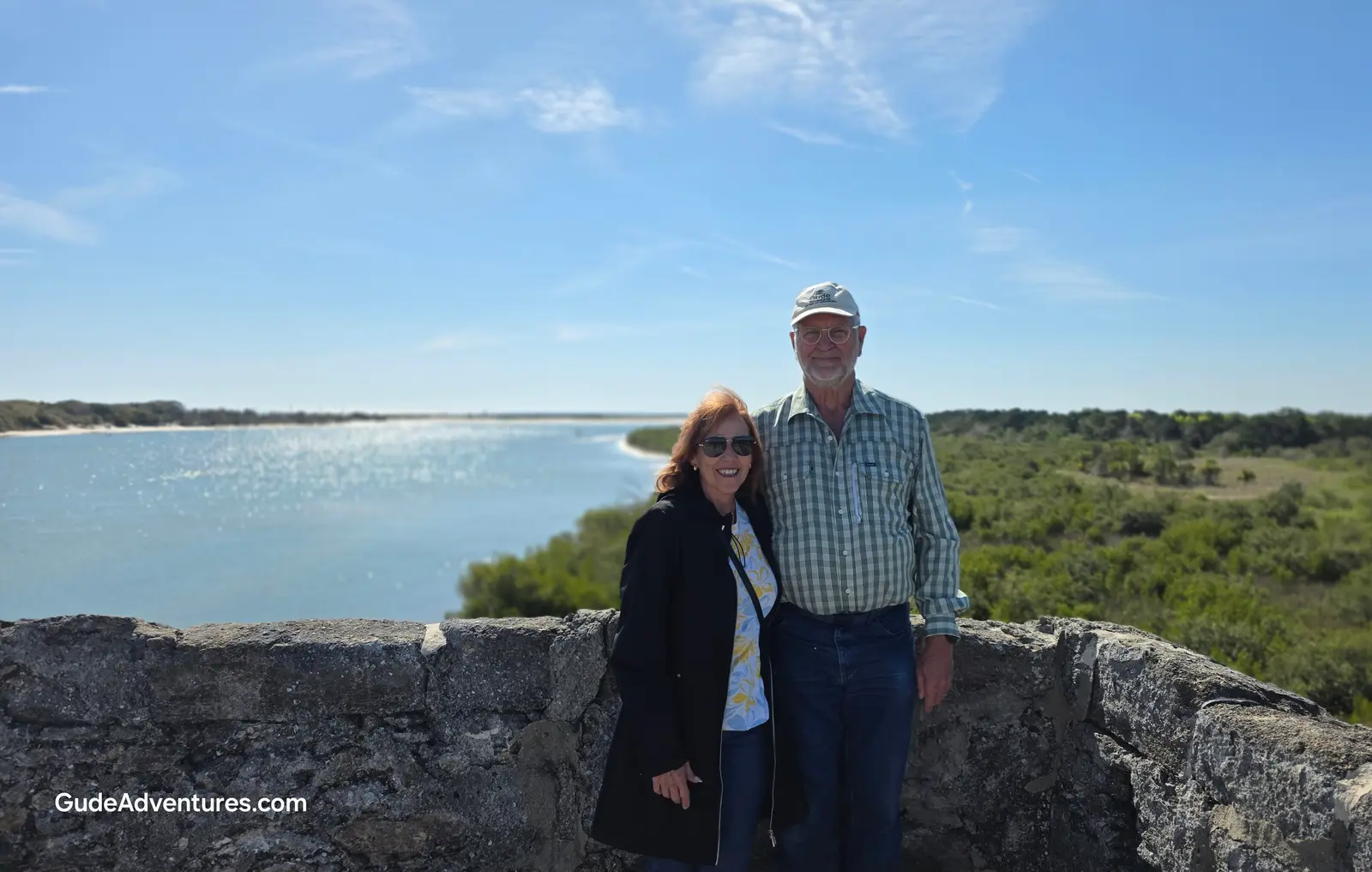
View from Fort Matanzas to the coast and mouth of the river.
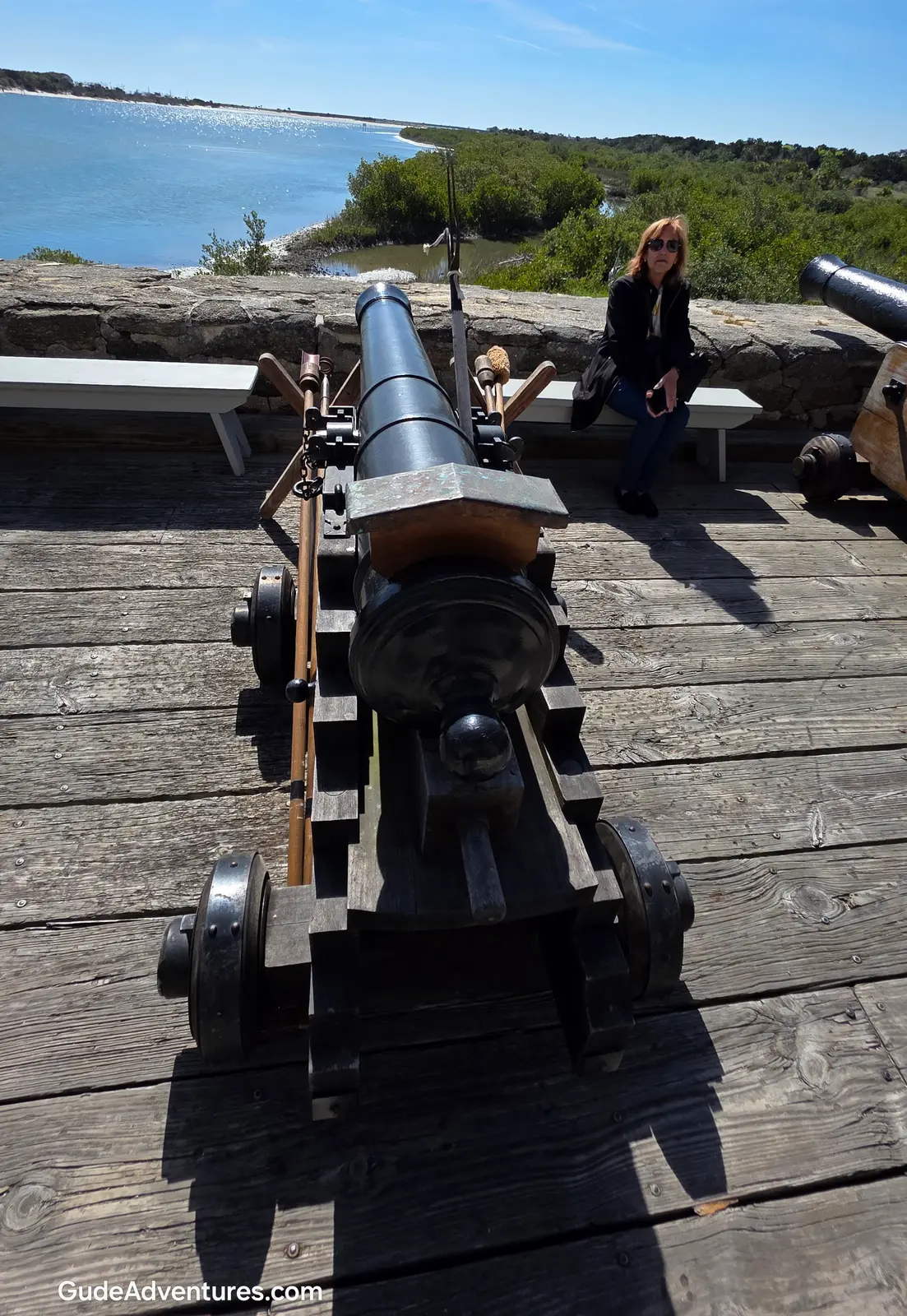
One of the cannons at Fort Matanzas.
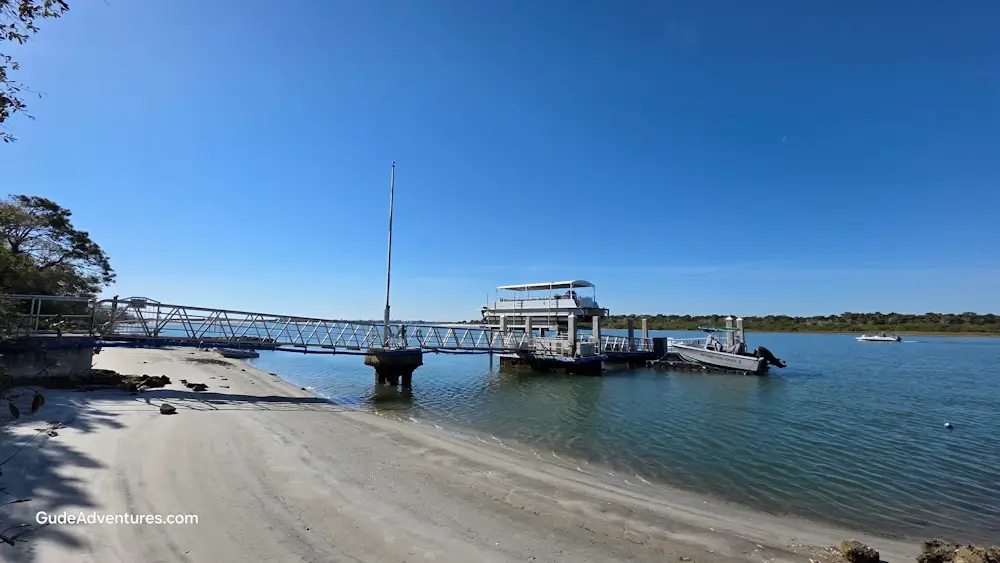
Ferry from the park entrance to Fort Matanzas.
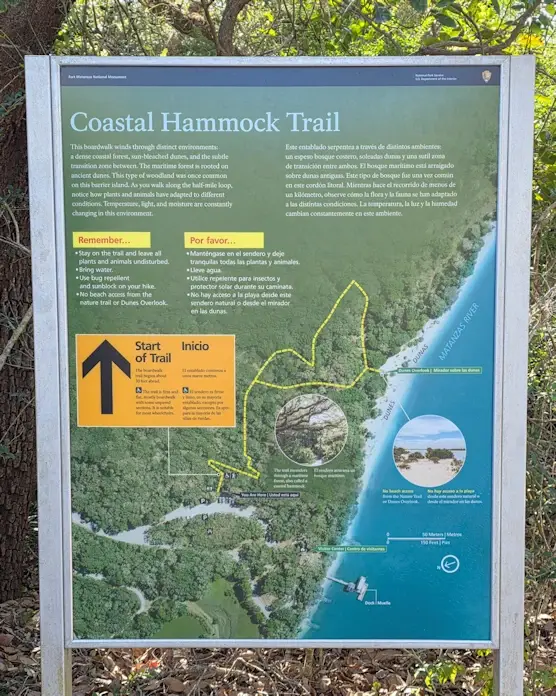
Hiking trail at Fort Matanzas.
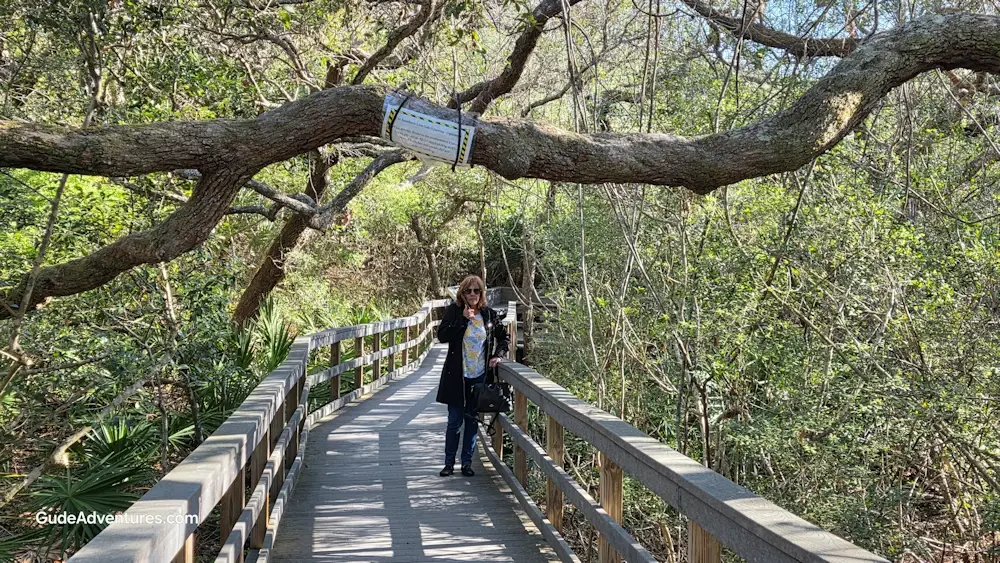
Boardwalk on hiking trail at Fort Matanzas.