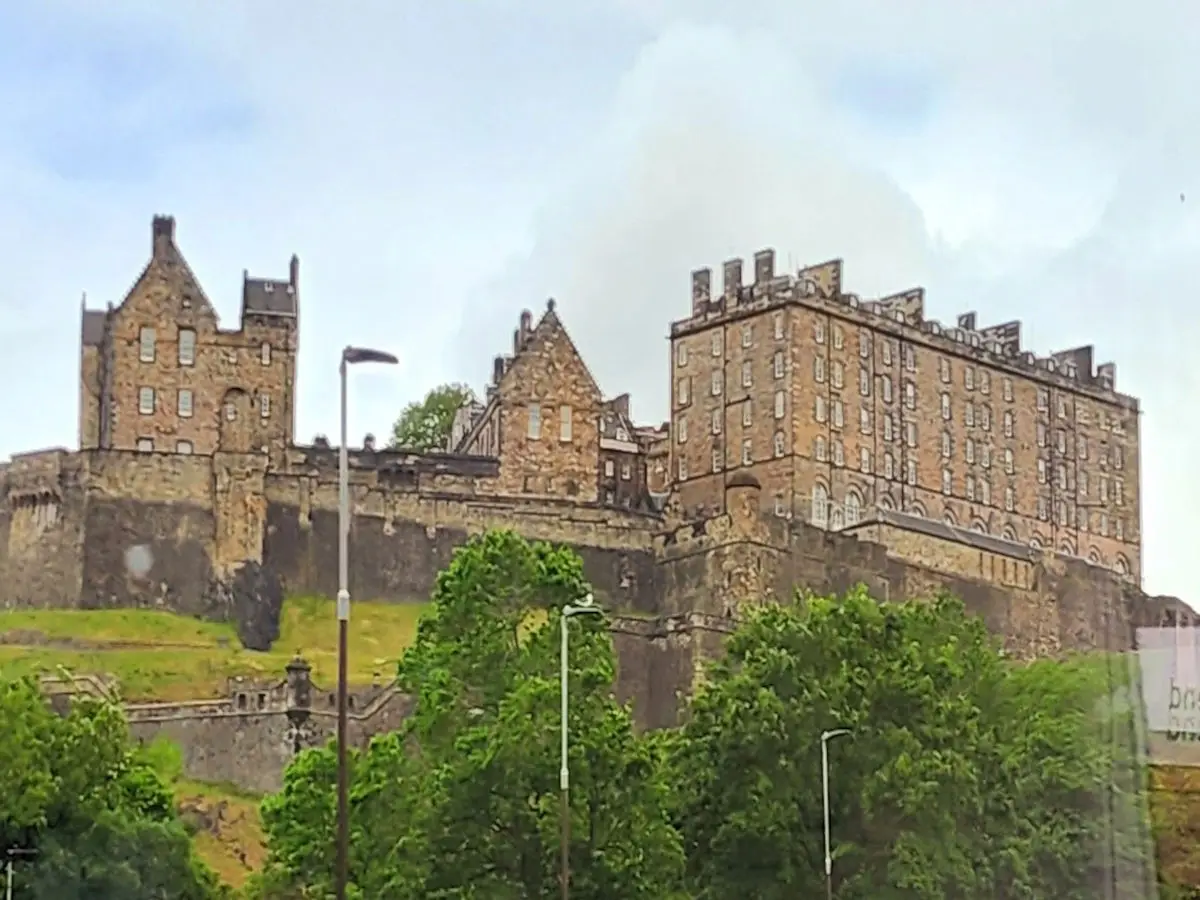
What to see and do at Edinburgh Castle, Scotland


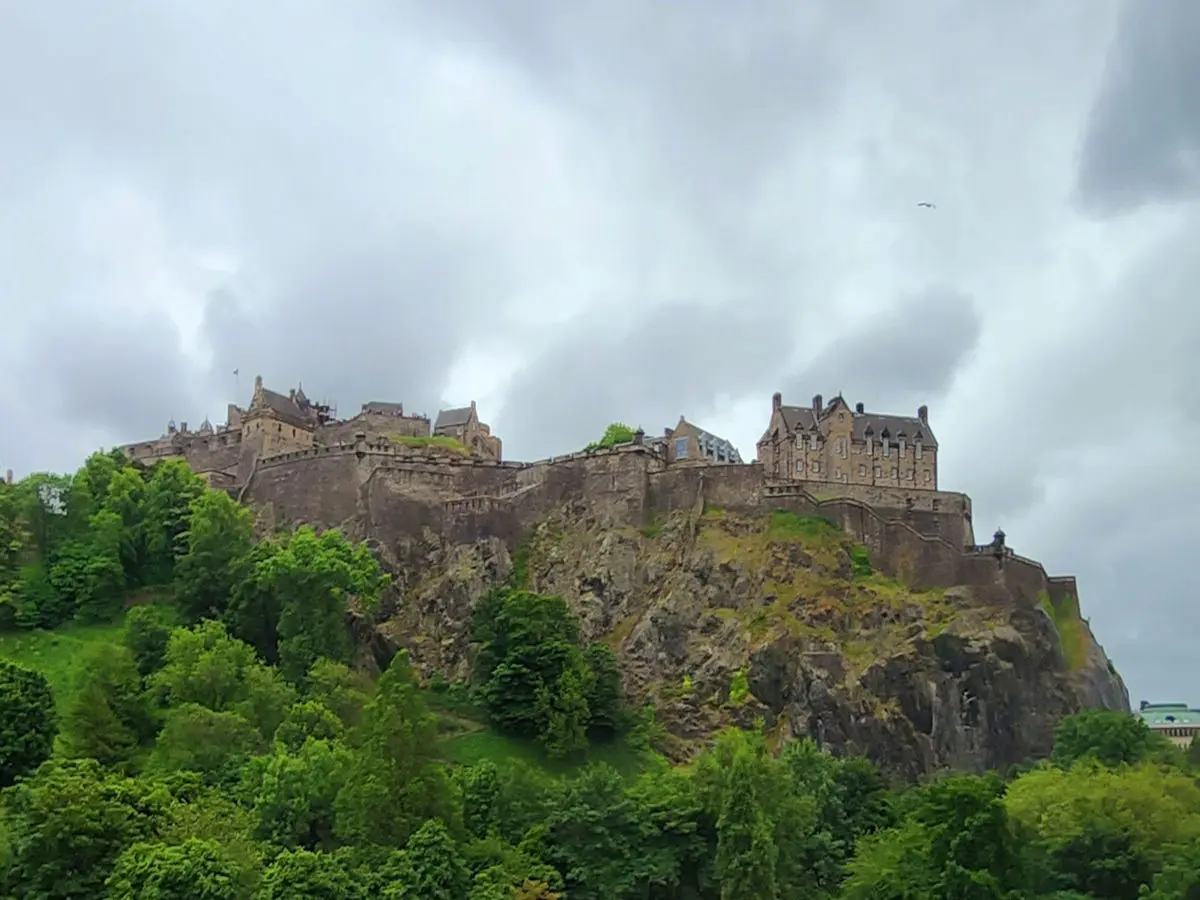
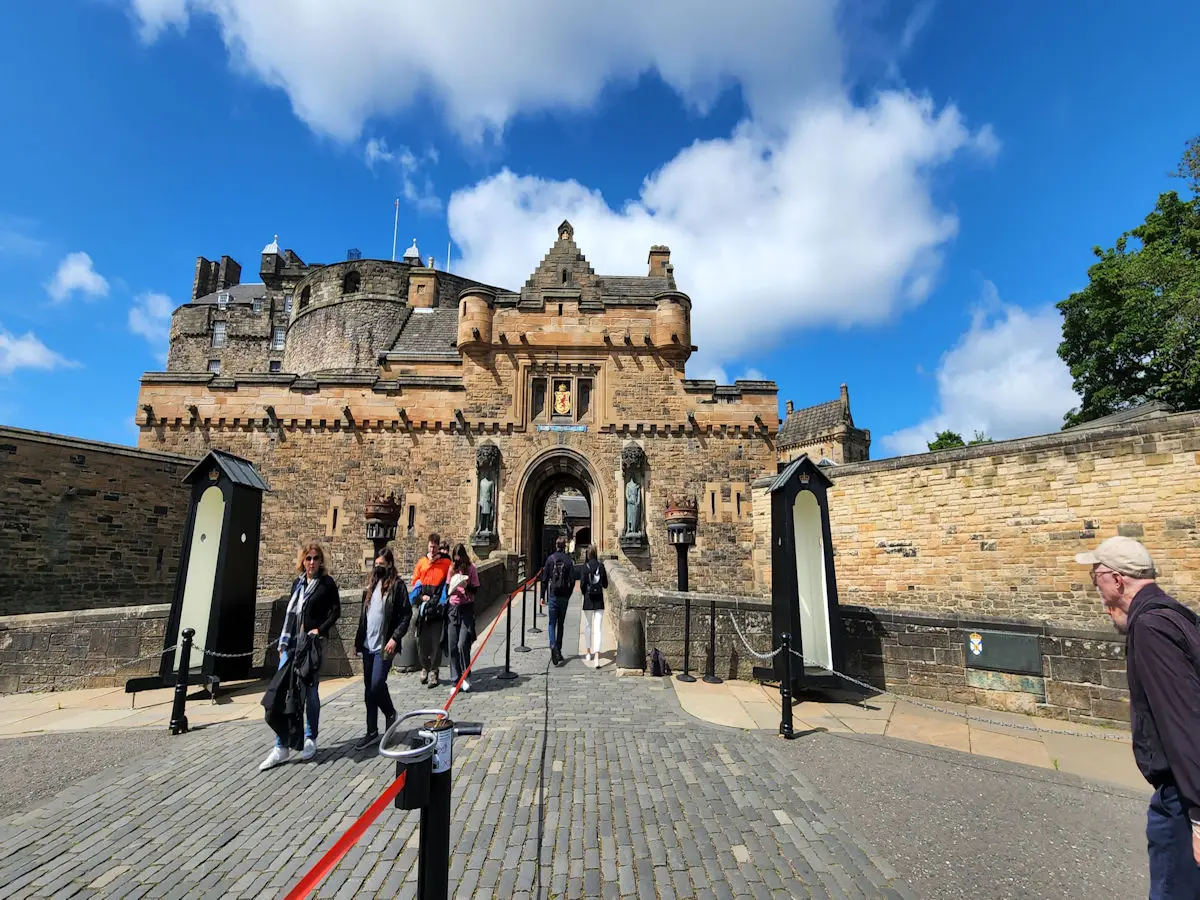
Edinburgh Castle is a historic fortress located on top of a volcanic rock in the heart of Edinburgh, the capital of Scotland
Edinburgh's Castle Rock reminds tourists of the Acropolis in Athens. There has been a royal castle on the rock since at least the reign of David I in the 12th century. There have been 26 sieges of the castle in its 1,100-year history making it "the most besieged place in Great Britain and one of the most attacked in the world".
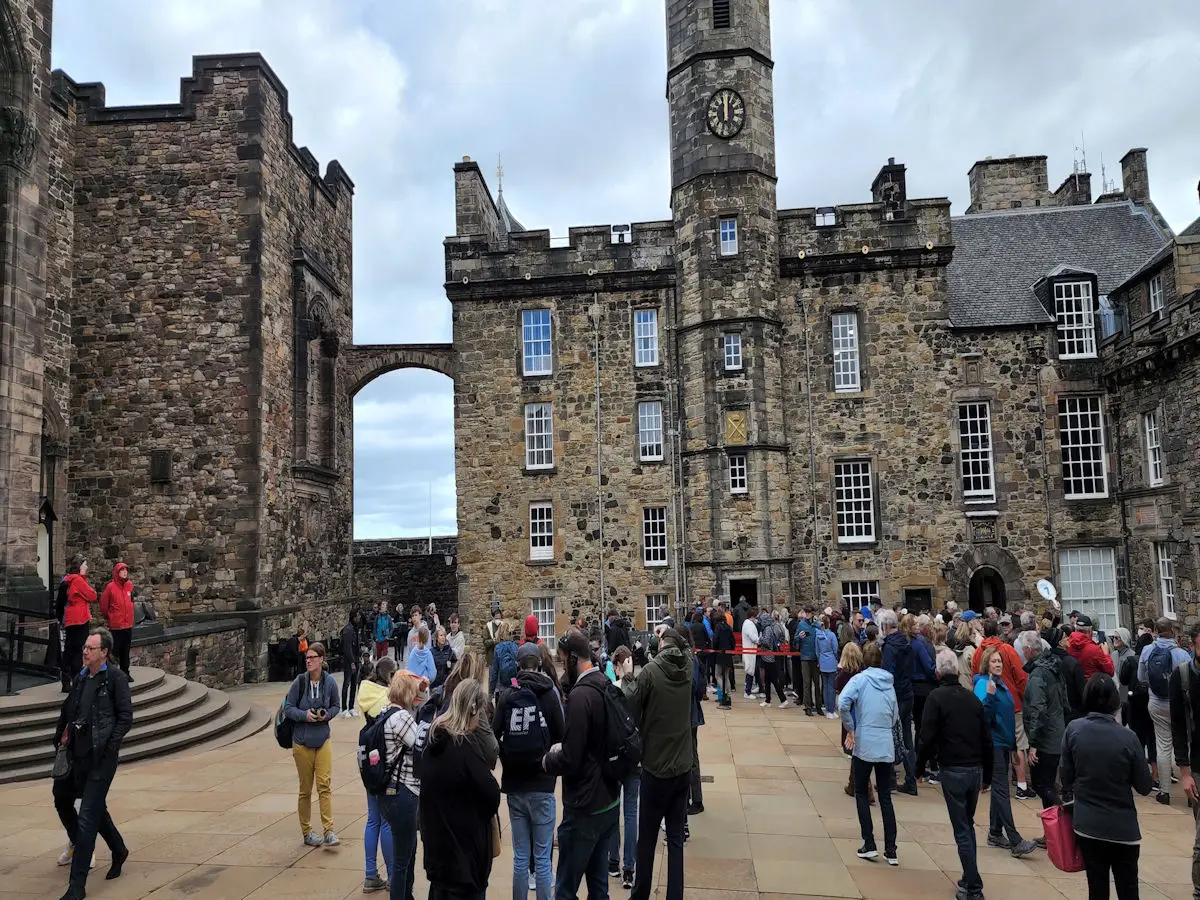
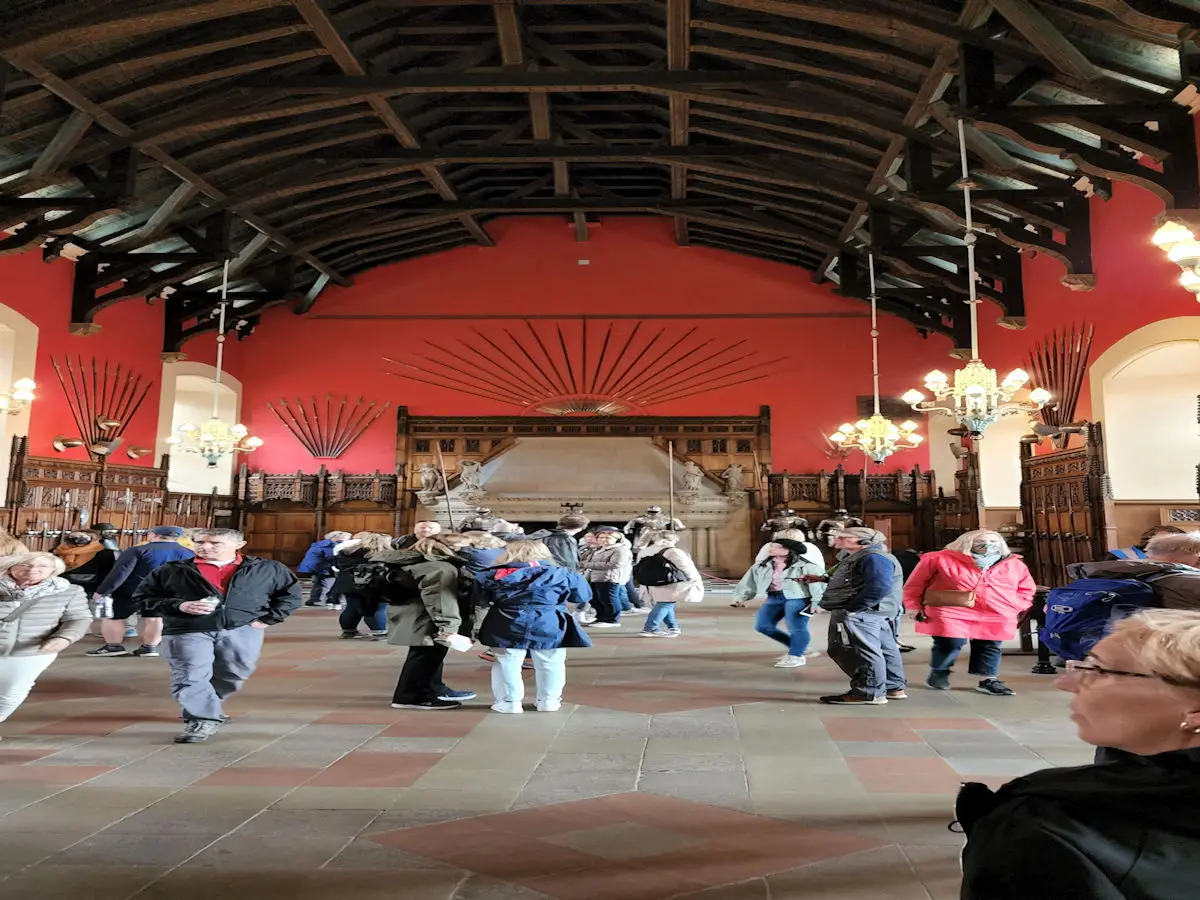
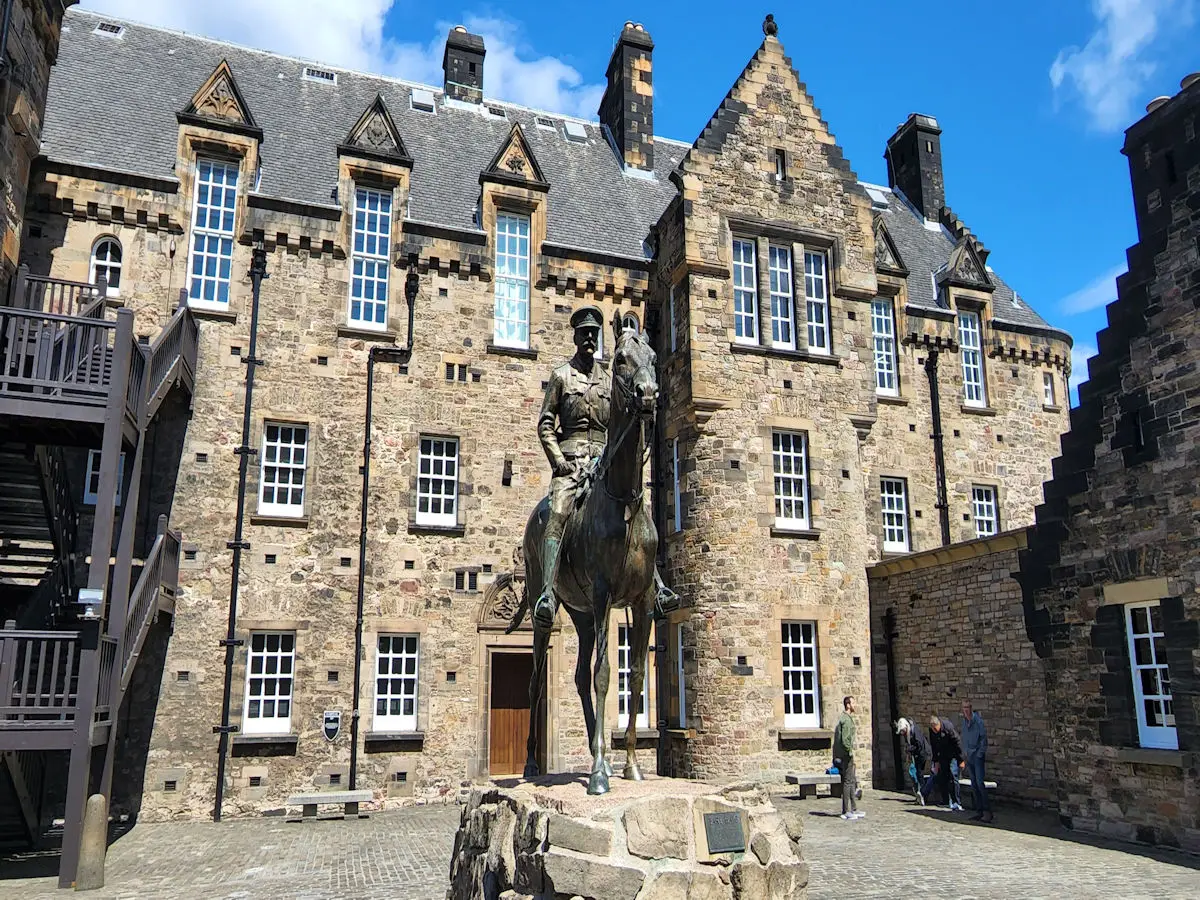
We visited Edinburgh Castle on 6/12/2022. We spent several hours visiting many of the buildings within the castle walls. We were able to view the Scottish Crown Jewels and the Stone of Destiny. However, photography was not allowed in the throne room. So, we don't have any pictures of them.
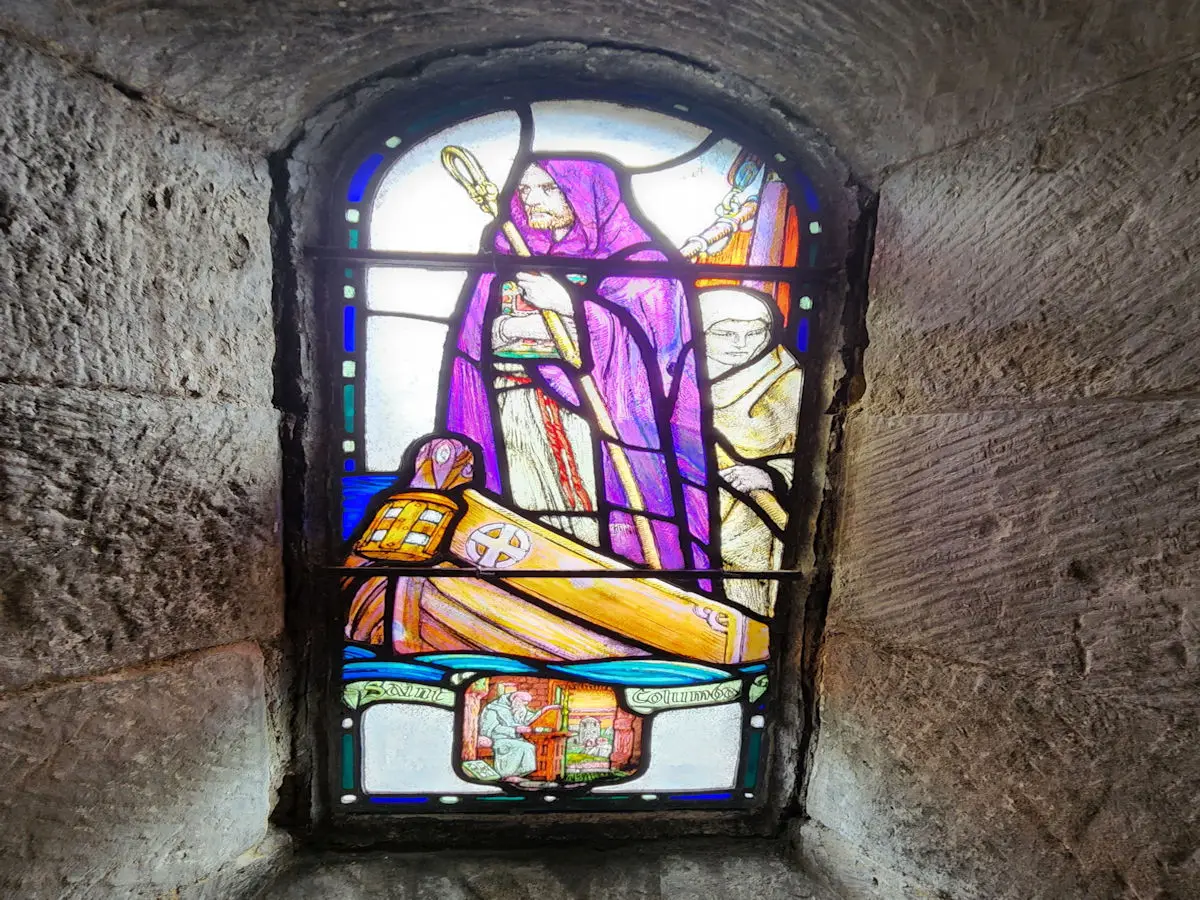
The castle has played a significant role in Scottish history, serving as a royal palace, military stronghold, and prison. It is now one of Scotland's most popular tourist attractions. The earliest known settlement on the site of Edinburgh Castle dates back to the Iron Age, but the castle's most prominent features were built in the 16th and 17th centuries. The castle's most famous feature is the 12th-century St. Margaret's Chapel, the oldest building in Edinburgh. The castle is also home to the Scottish National War Memorial, which commemorates the country's fallen soldiers.
Edinburgh Castle has served as a royal residence for many Scottish monarchs, including Mary Queen of Scots, who gave birth to her son James VI in the castle. The castle has also been the site of several military conflicts throughout its history, including during the Wars of Scottish Independence and the Jacobite Rising of 1745.
Visitors to Edinburgh Castle can explore the castle's various structures and exhibits, including the Scottish Crown Jewels, the Stone of Destiny (which was used in the coronation of Scottish kings), and the famous One O'Clock Gun, which is fired every day at 1 pm.
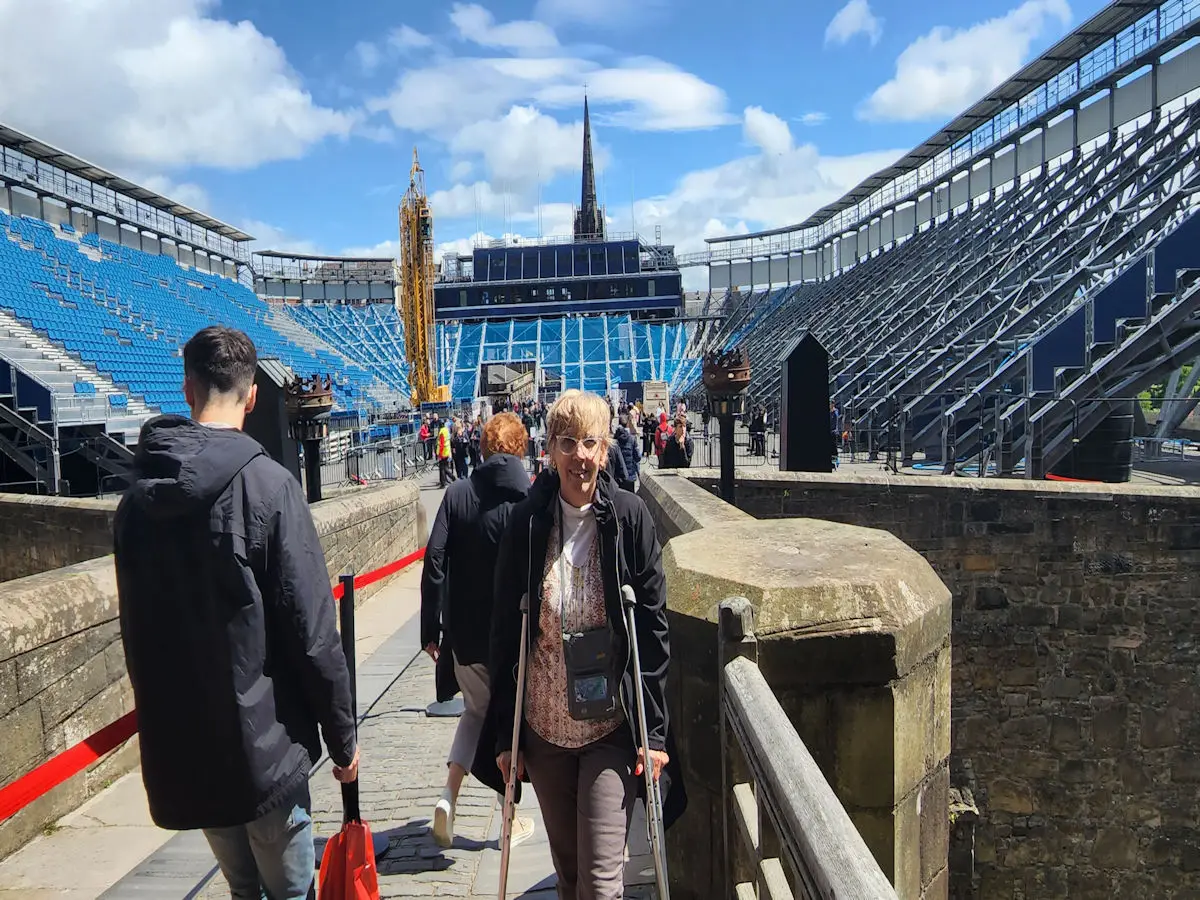
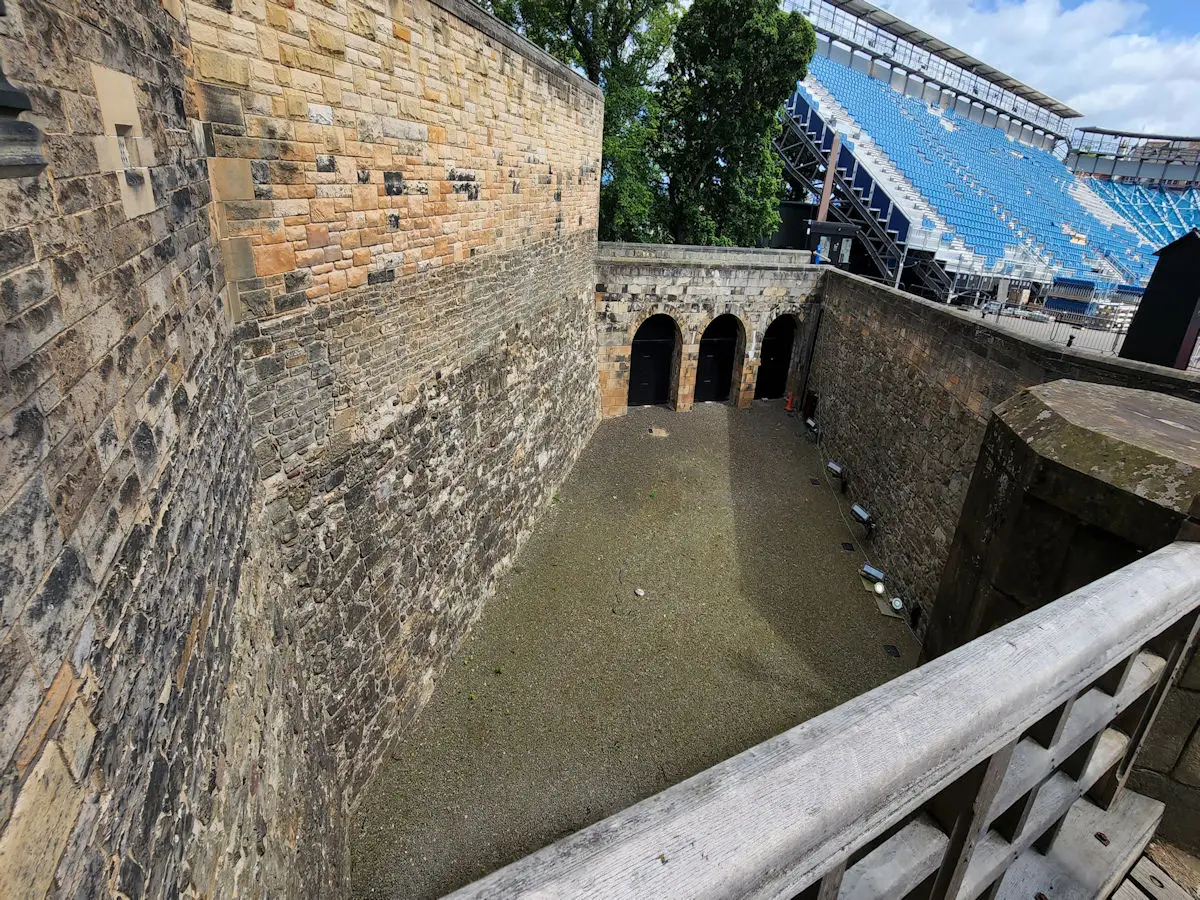
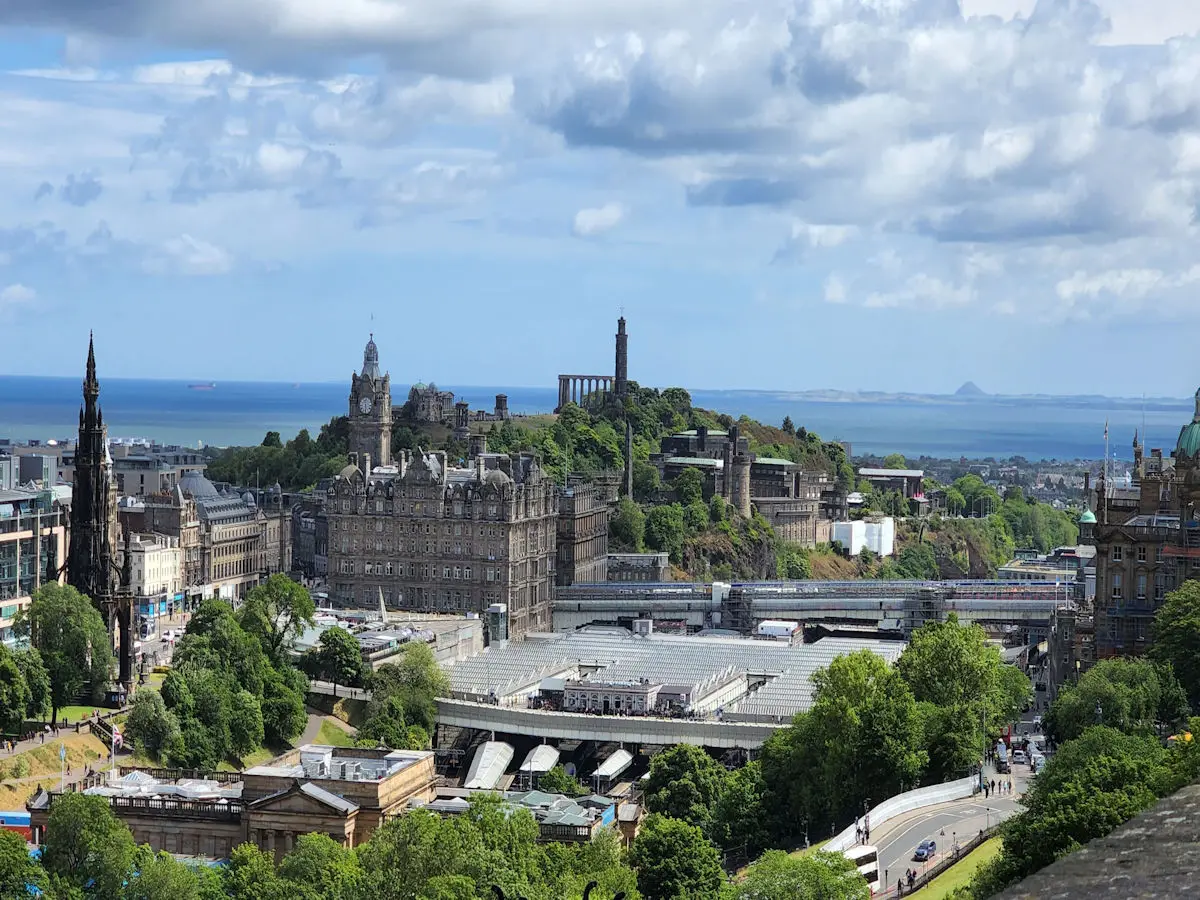
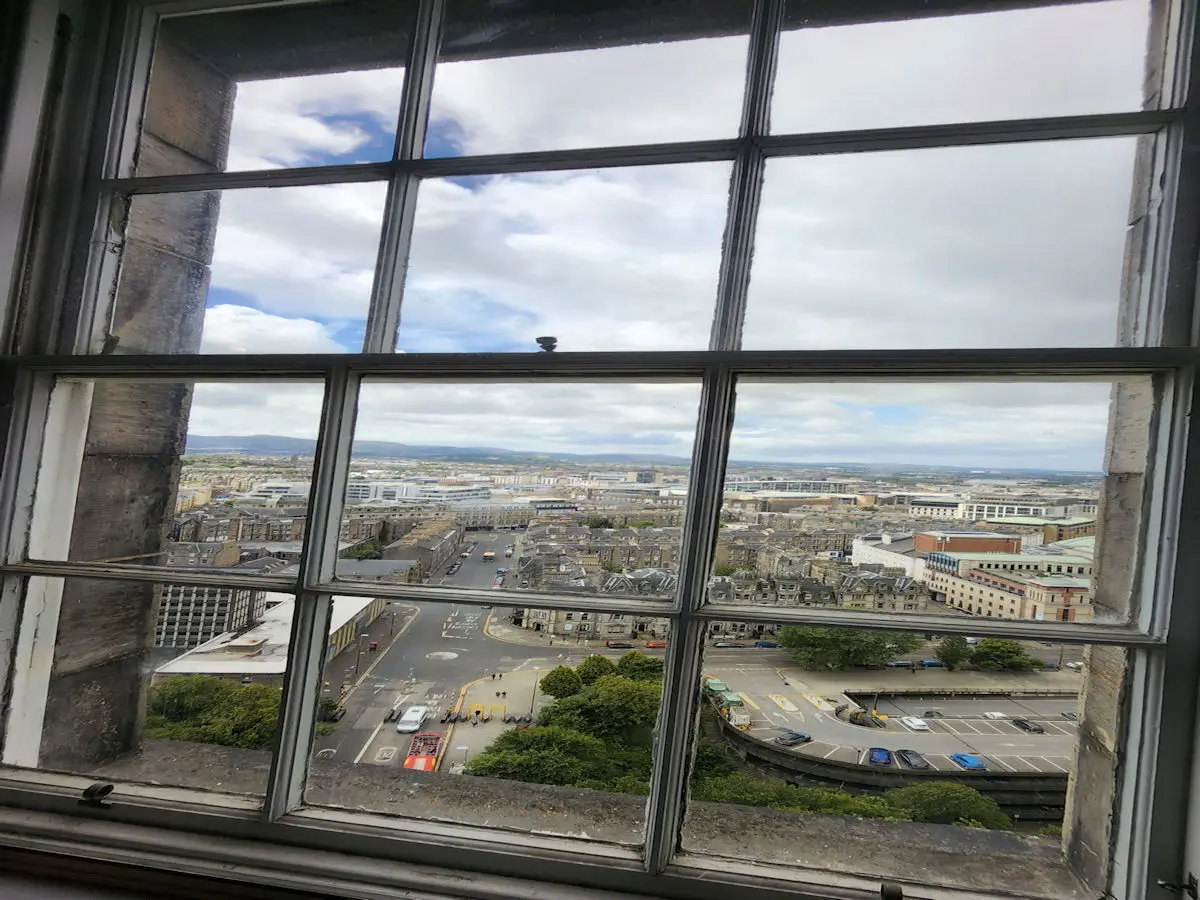
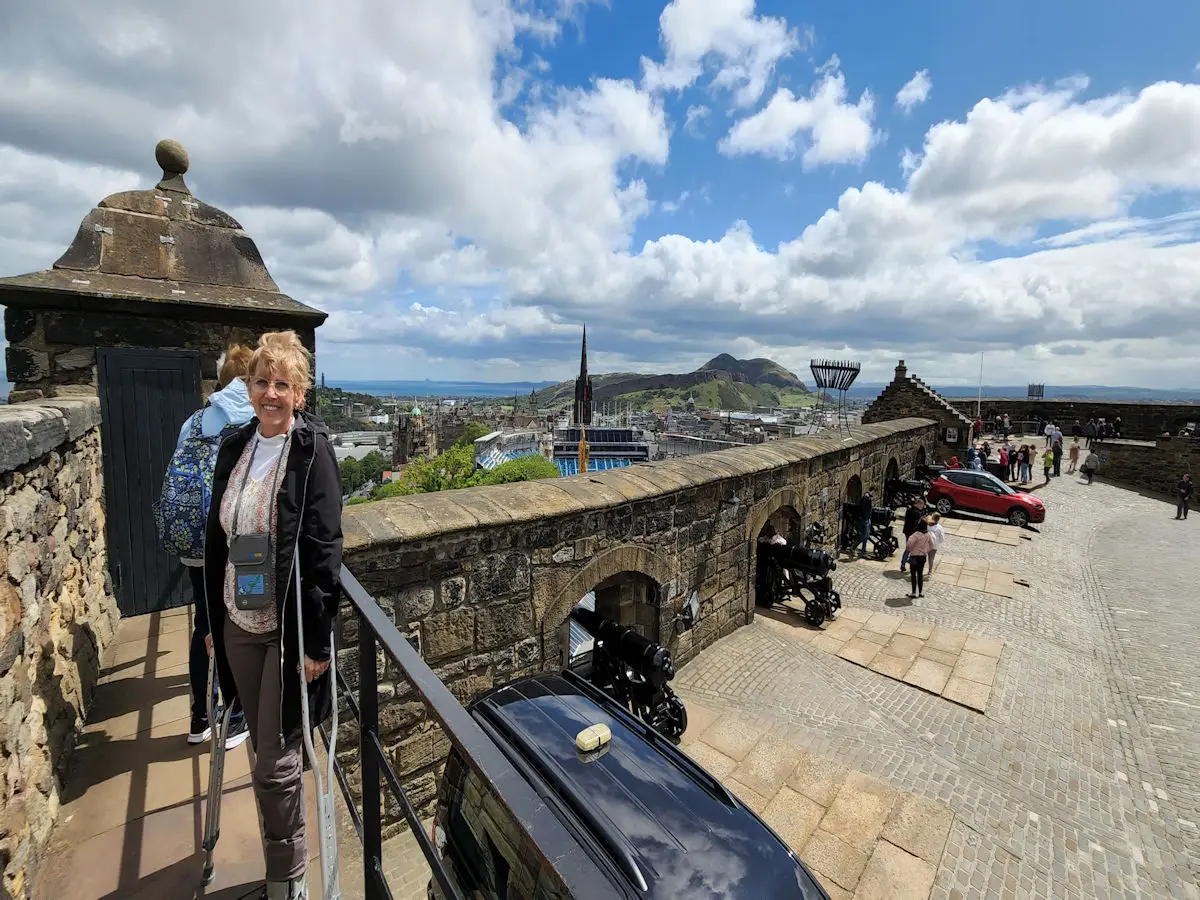
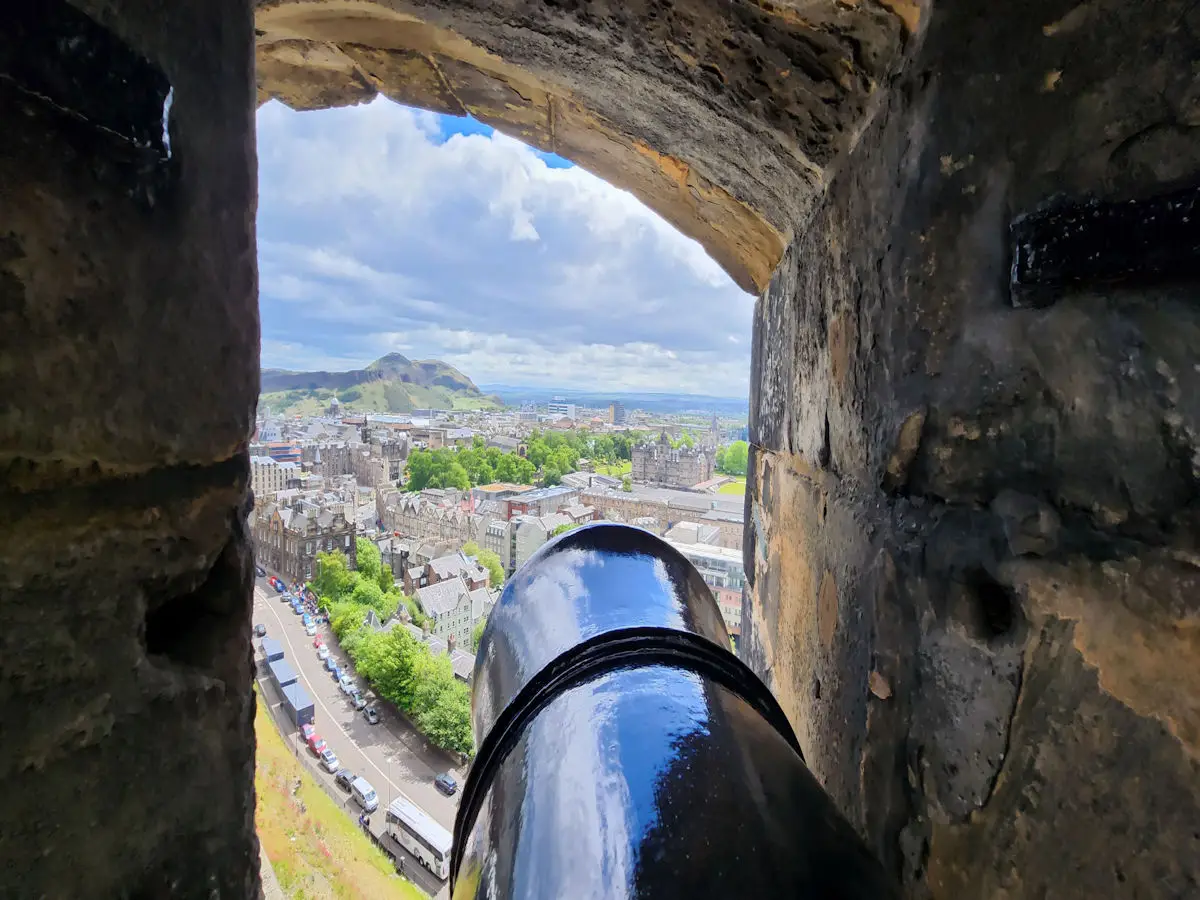
In addition to its historical significance, Edinburgh Castle also offers stunning views of the city and hosts several events throughout the year, including the Edinburgh Military Tattoo, a popular music and dance festival featuring performances by military bands from around the world.
Overall, Edinburgh Castle is a must-visit destination for anyone interested in Scottish history, architecture, and culture.
Looking for a place to stay? Click here for options.
Looking for things to do? Viator offers numerous tours in Edinburgh. Click here for details.
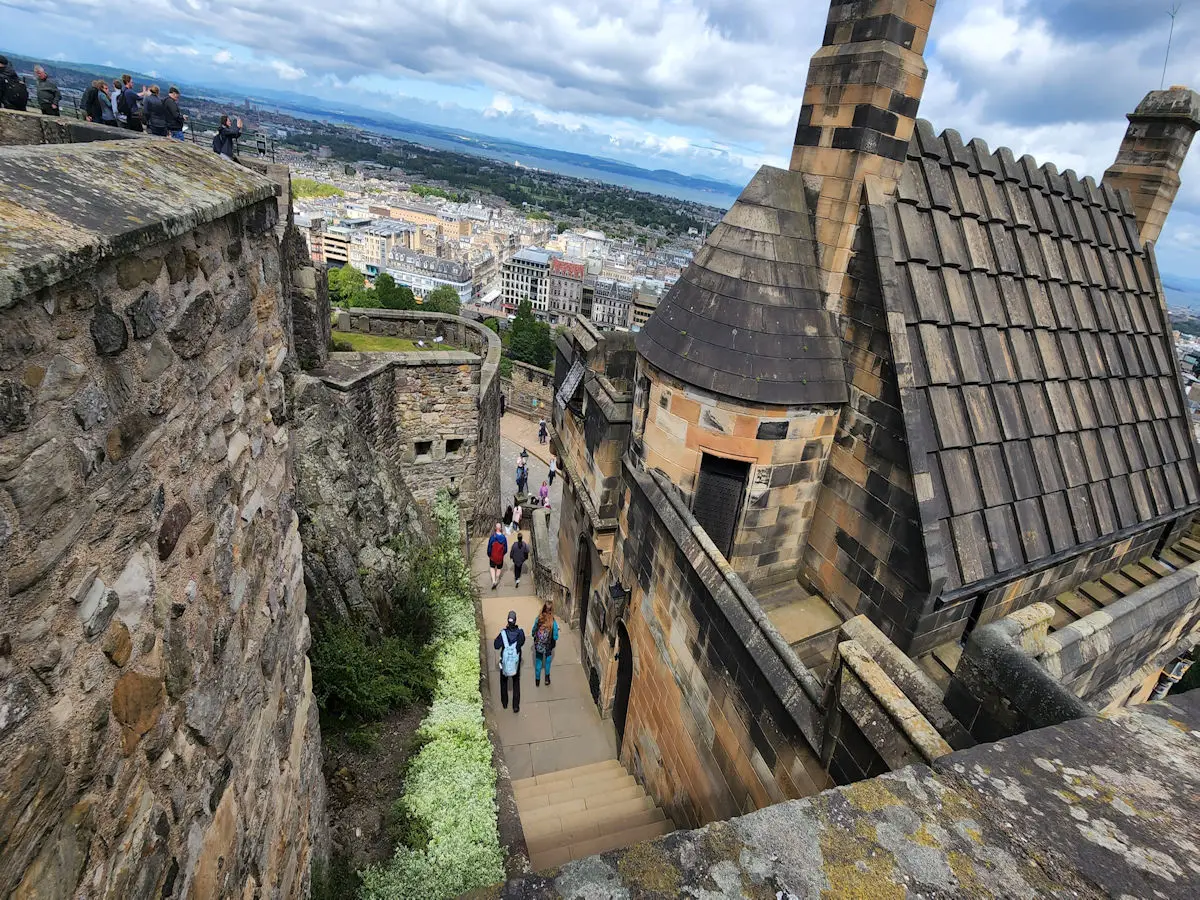
Pictures from Edinburgh Castle