What to see and do in Progreso, Mexico


Progreso, Mexico: Known for its Long Pier, Beautiful Beaches, and Relaxed Atmosphere
Progreso, Mexico, is a charming coastal town located in the Yucatán Peninsula, about 30 minutes north of Mérida, the state capital. It is primarily known for its long pier, beautiful beaches, and relaxed atmosphere, making it a popular destination for tourists and locals alike.
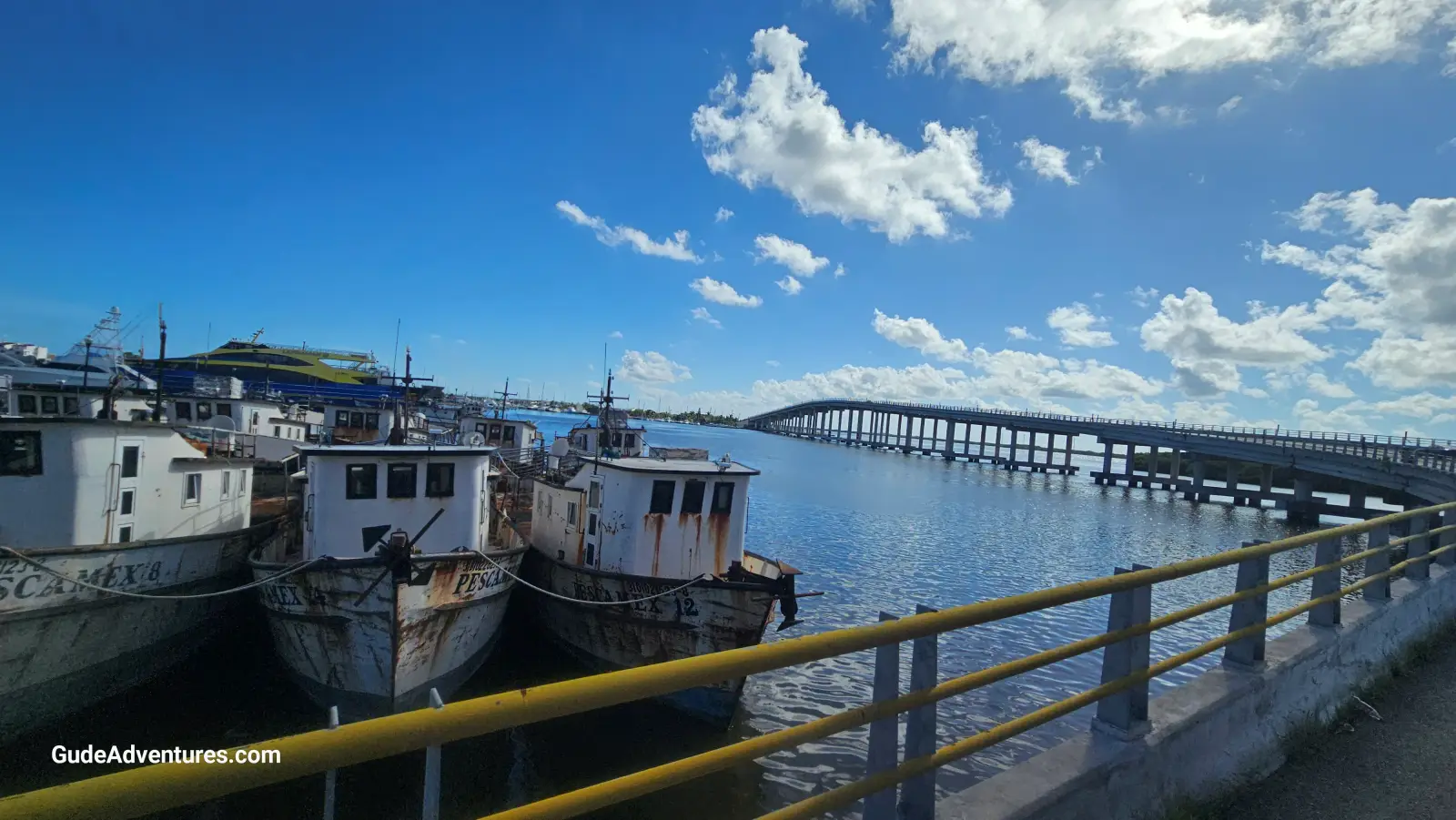
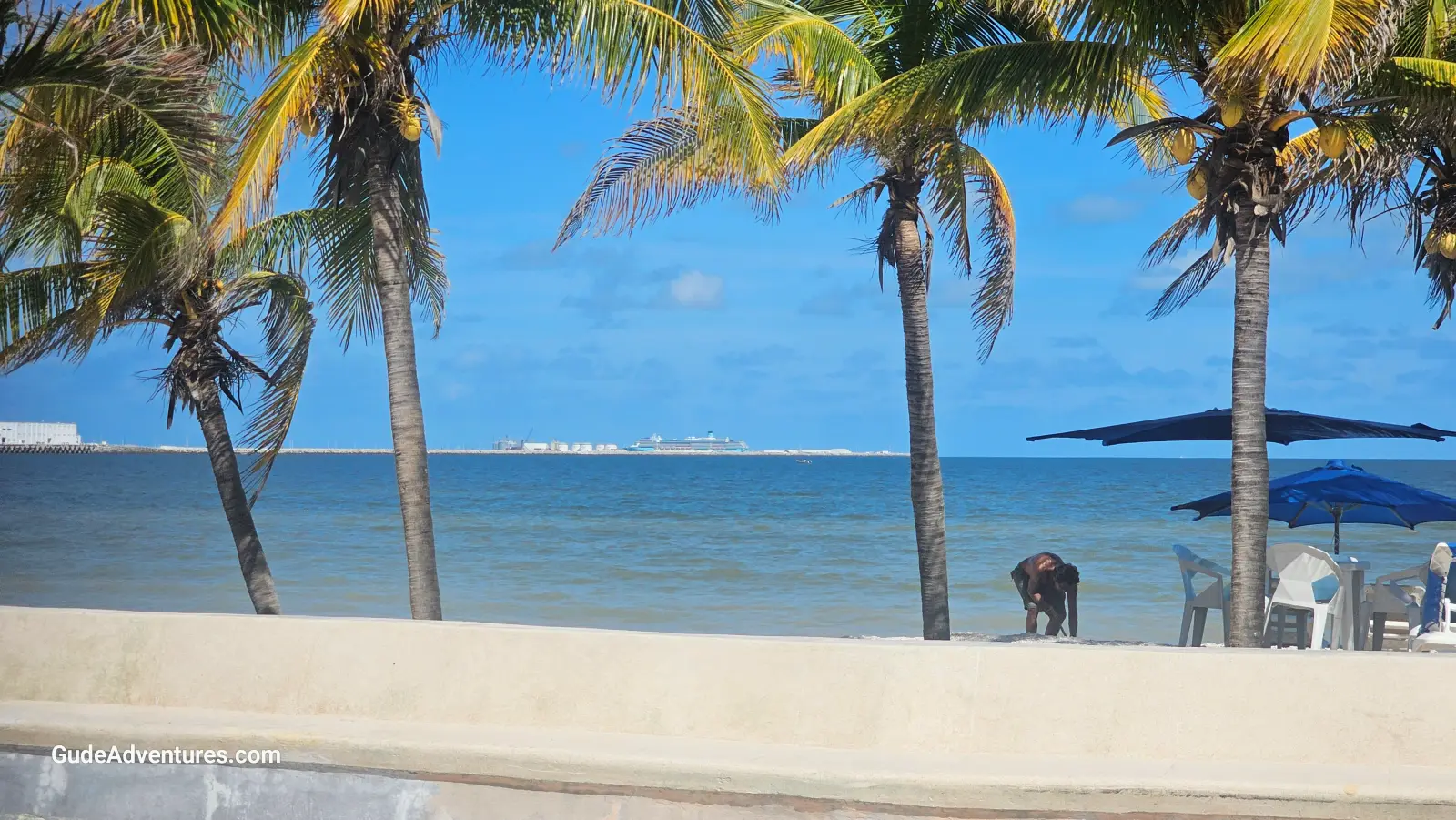
The Progreso Pier is one of the longest piers in the world, stretching over four miles into the Gulf of Mexico. The pier is an essential port for cargo and cruise ships, making Progreso a significant location for maritime trade in the region. Cruise passengers often disembark here to explore the town, enjoy beach days, or take excursions to nearby Mayan ruins and cenotes. A free shuttle bus takes passengers from the cruise ship terminal to downtown.
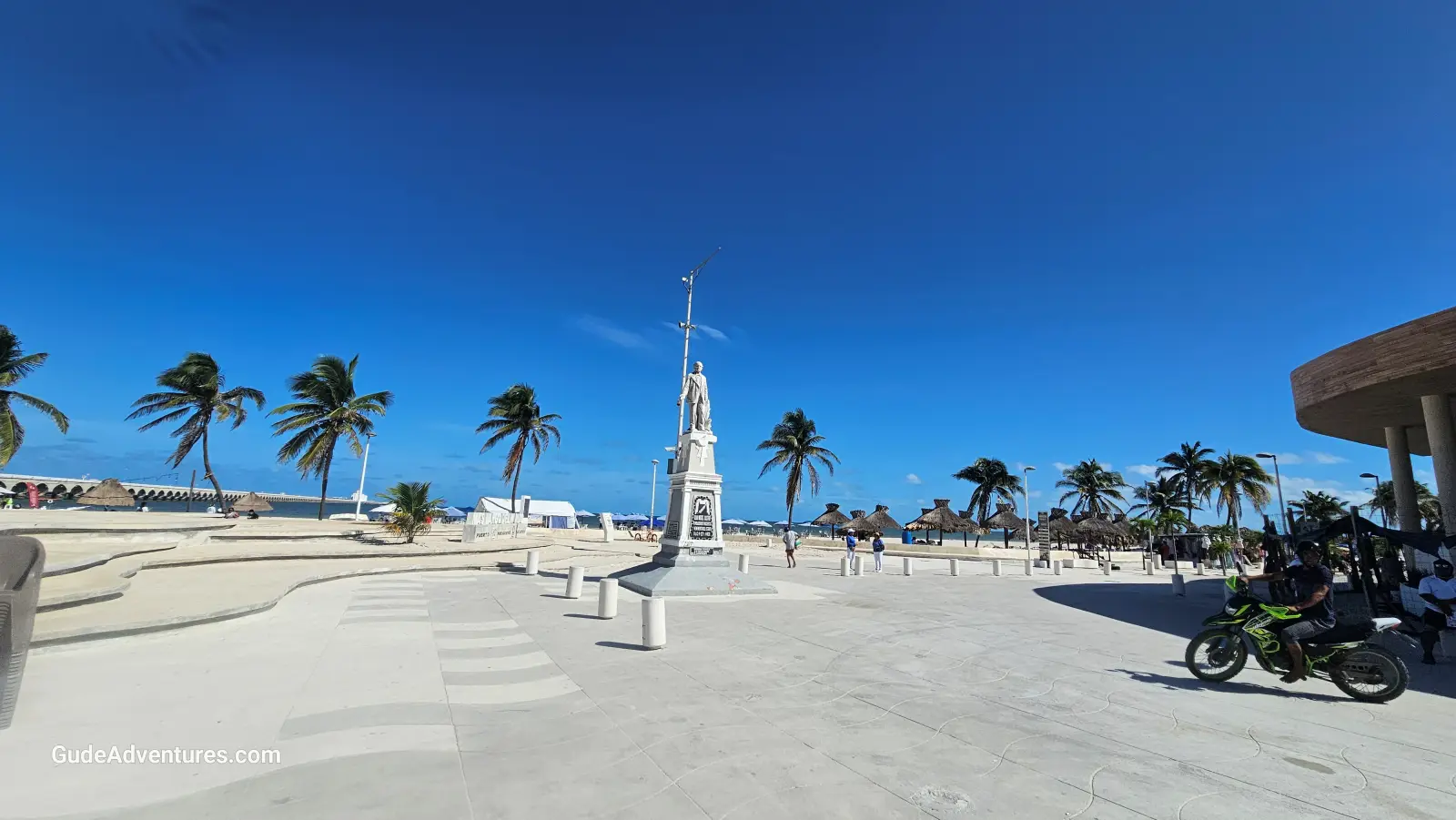
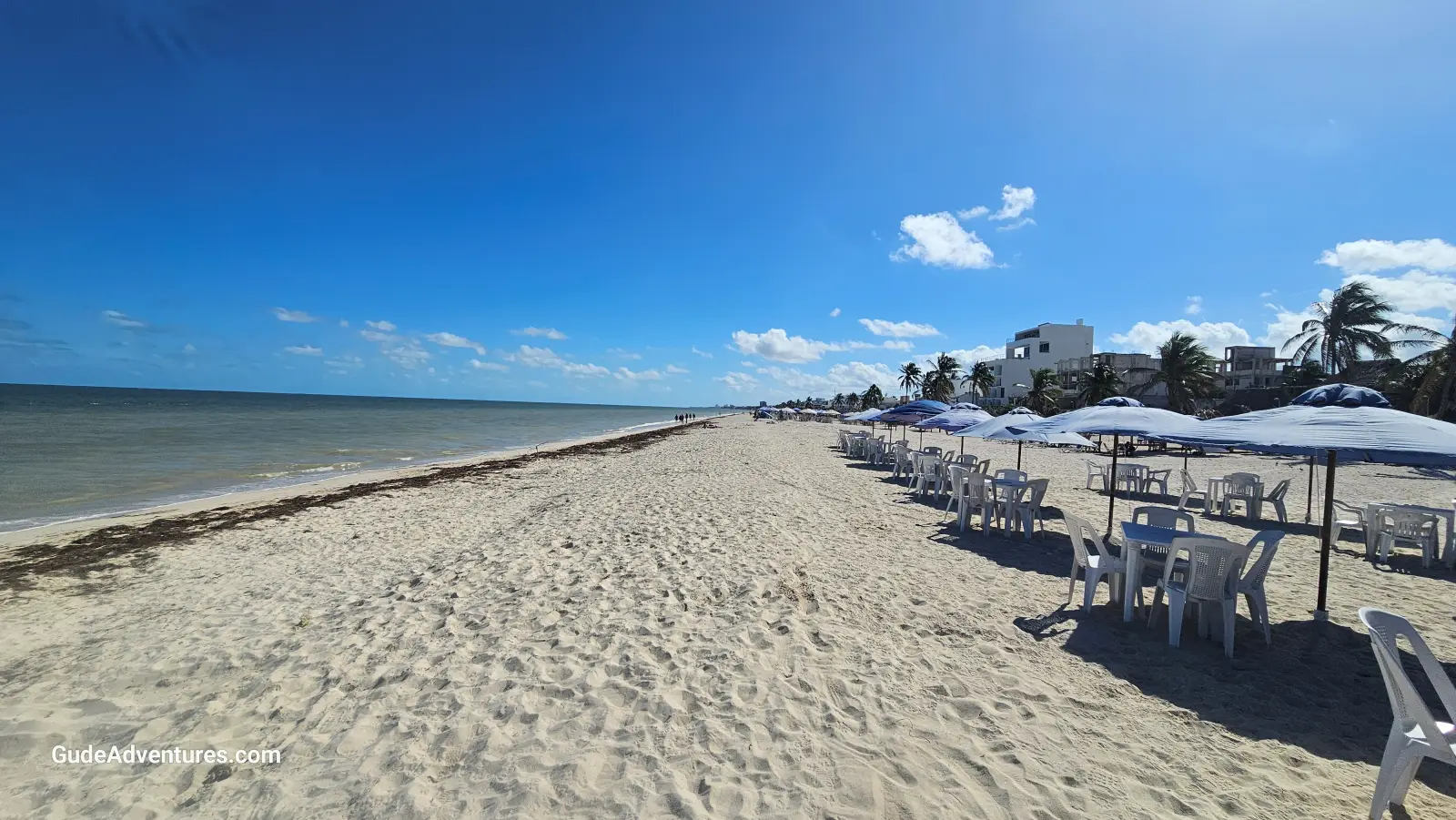
Progreso’s beaches are wide and sandy, with gentle waves that make it a great destination for families. The beaches are lined with open-air restaurants, or “palapas”, where you can enjoy fresh seafood, ceviche, and traditional Yucatecan dishes. The waters here are shallow and safe, ideal for swimming, paddleboarding, and other water activities.
We visited Progreso on 10/25/2024. We arrived by ship and from the cruise ship terminal we took the free shuttle to the downtown area. When we arrived there, we took a tour by bus of the town. There are two different bus operators here. There is also an inexpensive bus trip to the nearby city of Mérida which some people took.
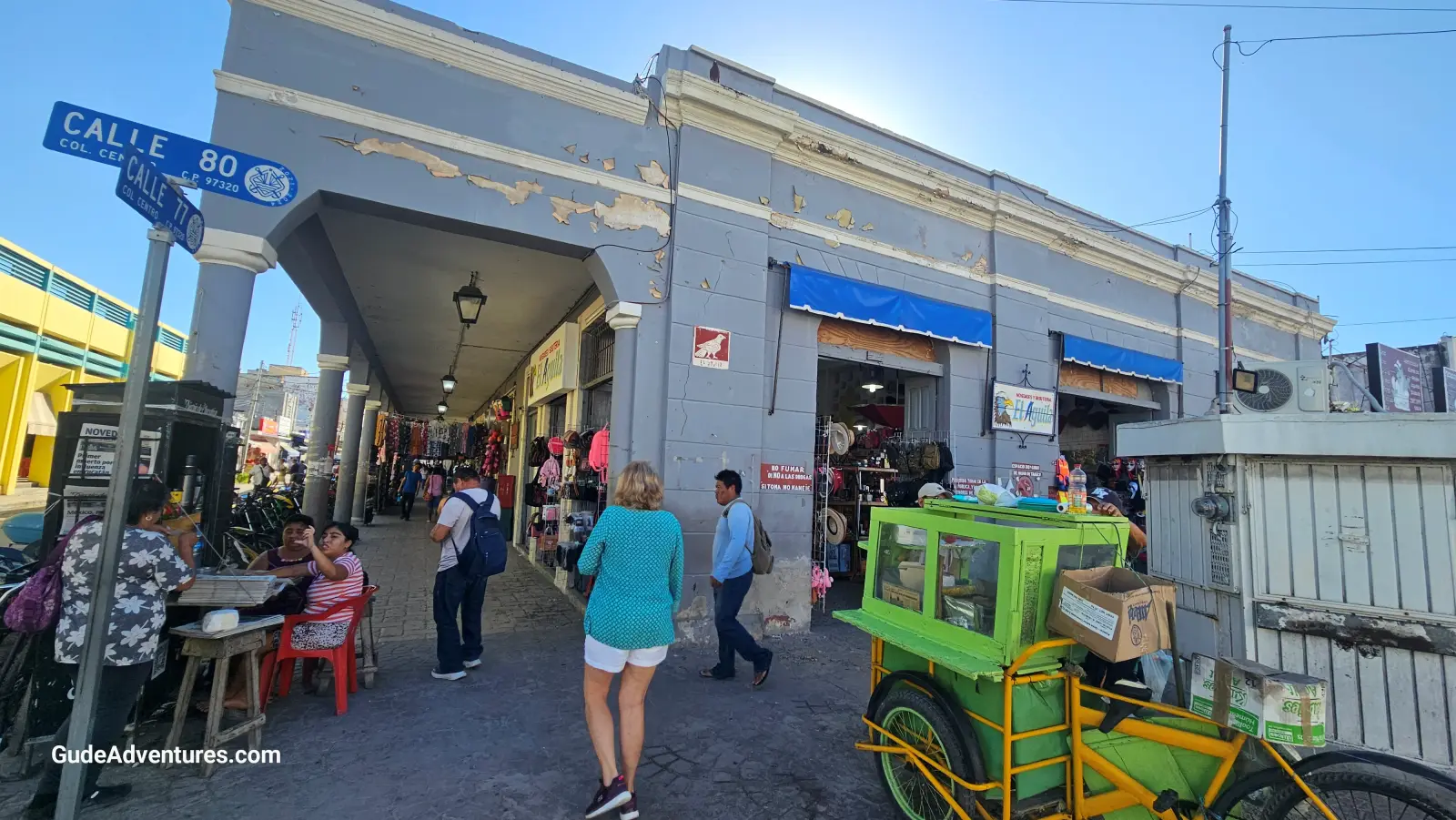
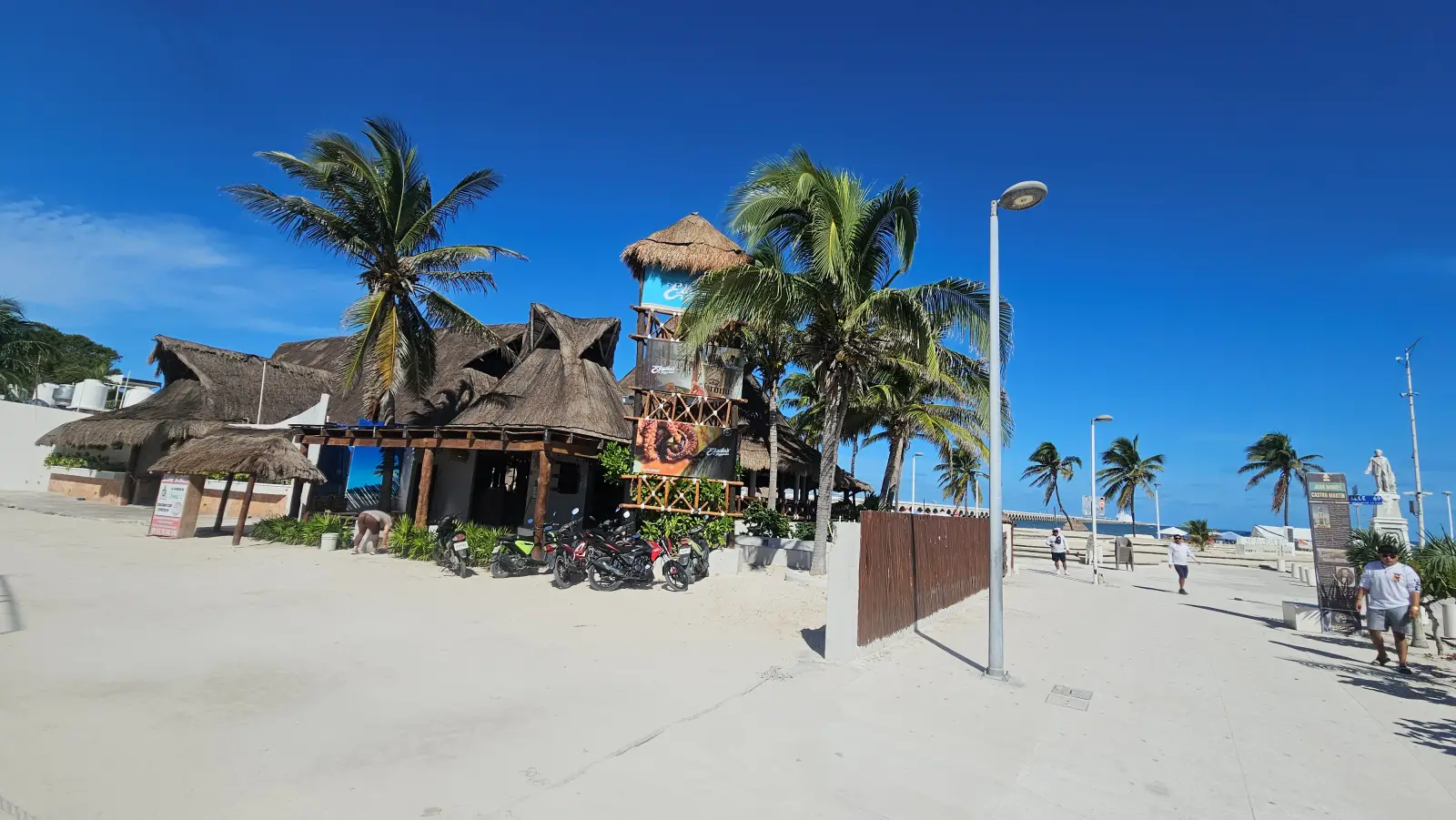
The bus terminal is full of vendors with souvenirs for sale. If you haggle with them on the price you can get a good deal. From the bus station it's a short walk to the beach and boardwalk. There are cabanas and beach chairs for rent on the beach and massages are also available there.
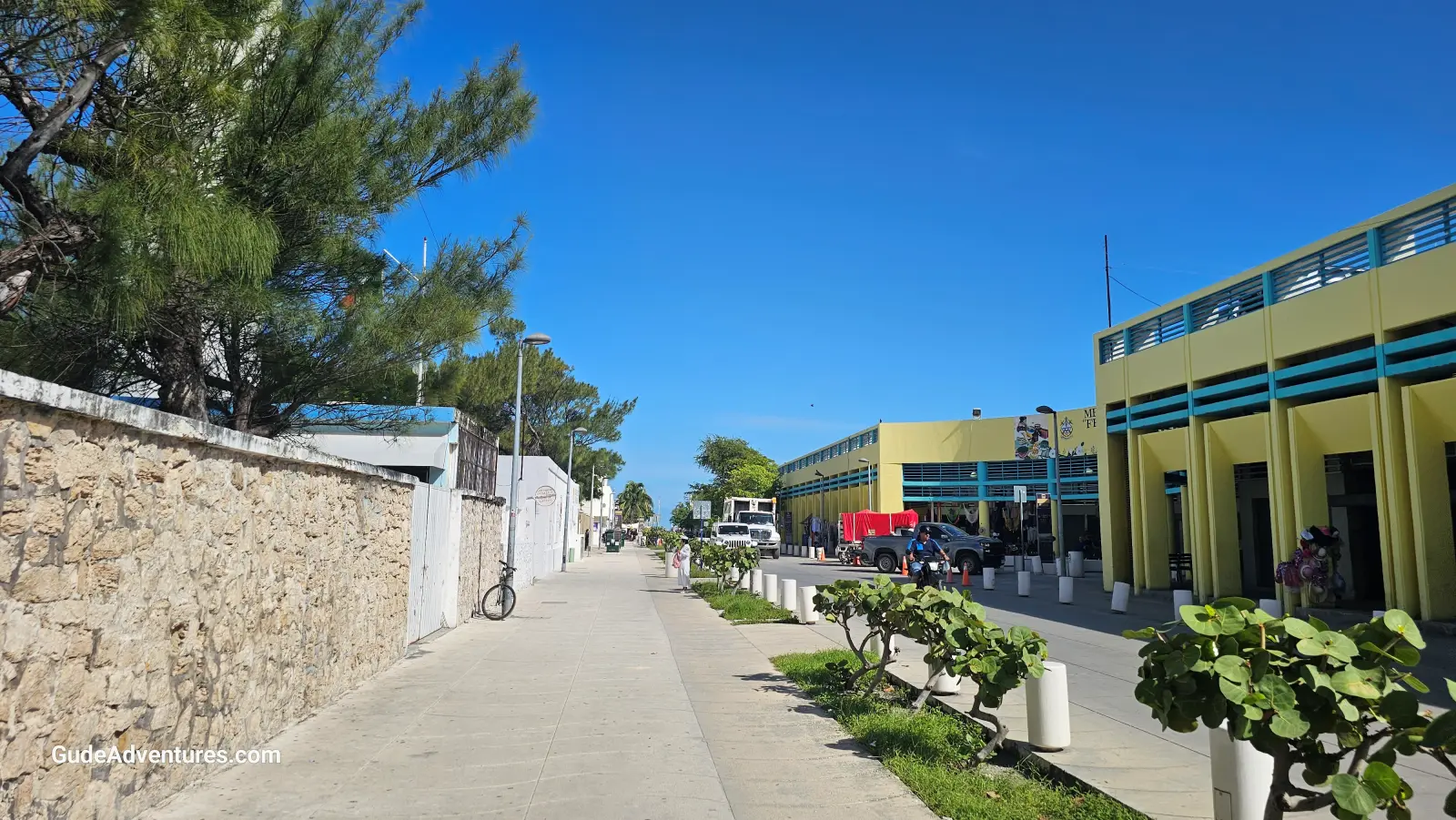
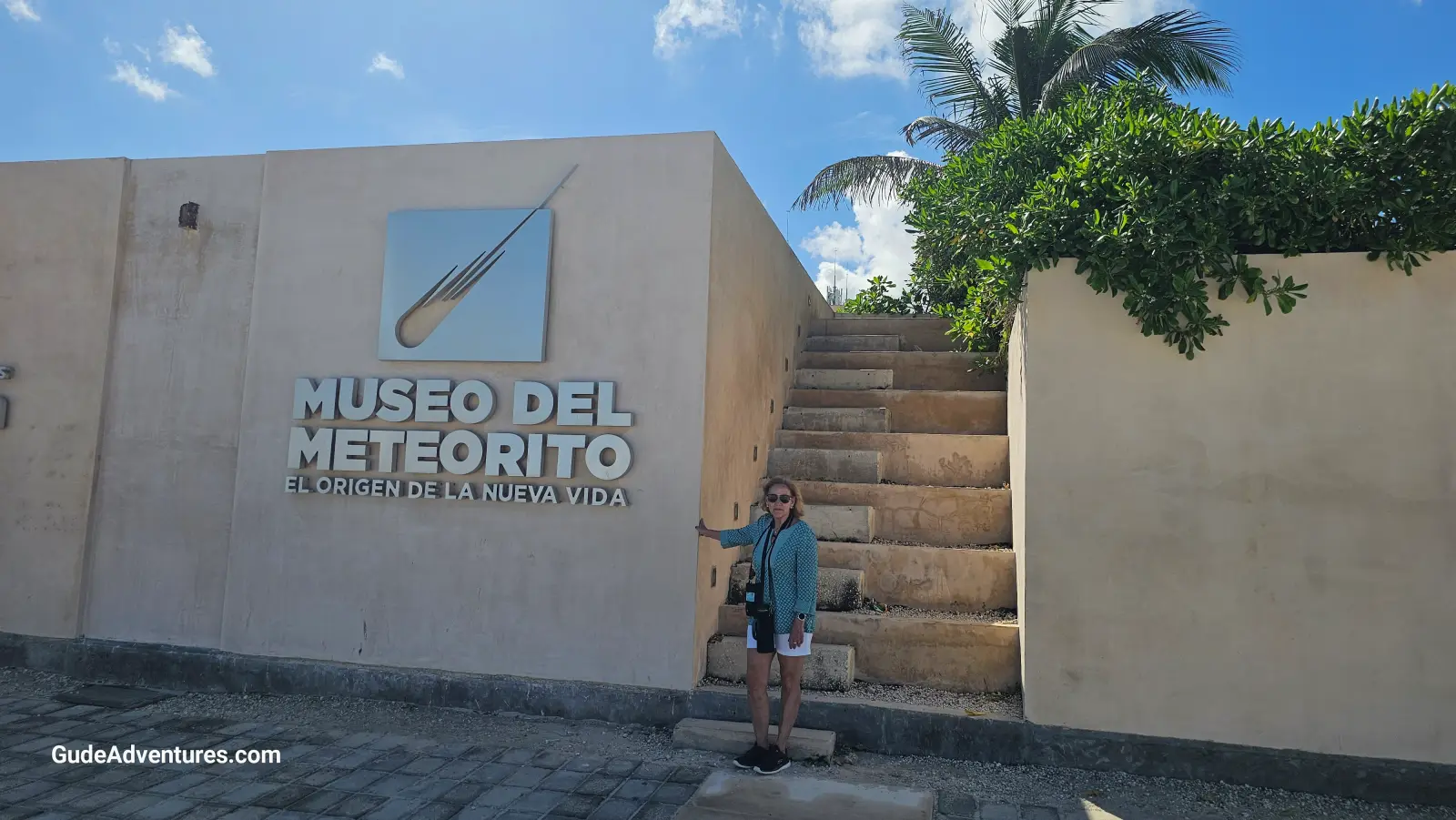
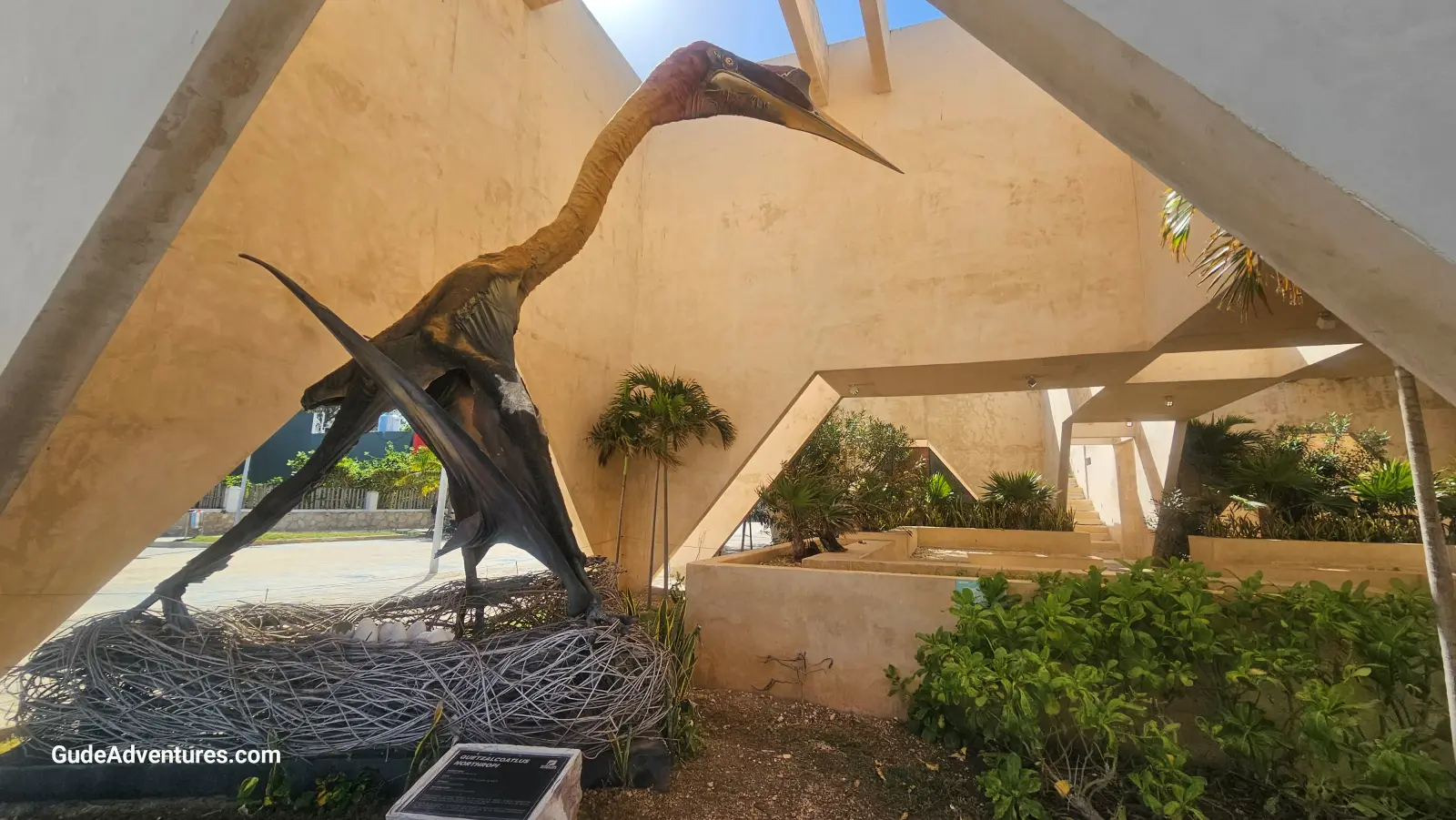
Along the boardwalk (malecon) are numerous restaurants and also the Meteor Museum which has statues of dinosaurs which became extinct when the meteor struck the Yucatan area.
Though Progreso is becoming increasingly popular with tourists and expats, it retains its local charm. You’ll find markets with fresh produce, seafood vendors along the beach, and artisans selling crafts. The town has a laid-back vibe, with a mix of locals, travelers, and expats creating a diverse community.
Progreso is a great base for exploring the Yucatán. Just a short drive away are ancient Mayan sites like Dzibilchaltún and Uxmal, as well as numerous cenotes (natural sinkholes), which are popular for swimming and snorkeling.
The nearby city of Mérida offers colonial architecture, cultural events, museums, and an array of dining options, adding to the options for visitors.
The surrounding areas are home to mangroves, where visitors can see diverse wildlife, including flamingos and other bird species. Ecotours are popular for those wanting to explore these areas.
Progreso is growing in popularity, but it still feels more relaxed and authentic compared to larger tourist cities in the region. It’s a perfect spot for those seeking a mix of beach time, local culture, and easy access to Yucatán’s cultural treasures.
Looking for a place to stay? Click here for options.
Viator offers numerous tours in Progreso. Click here for details.
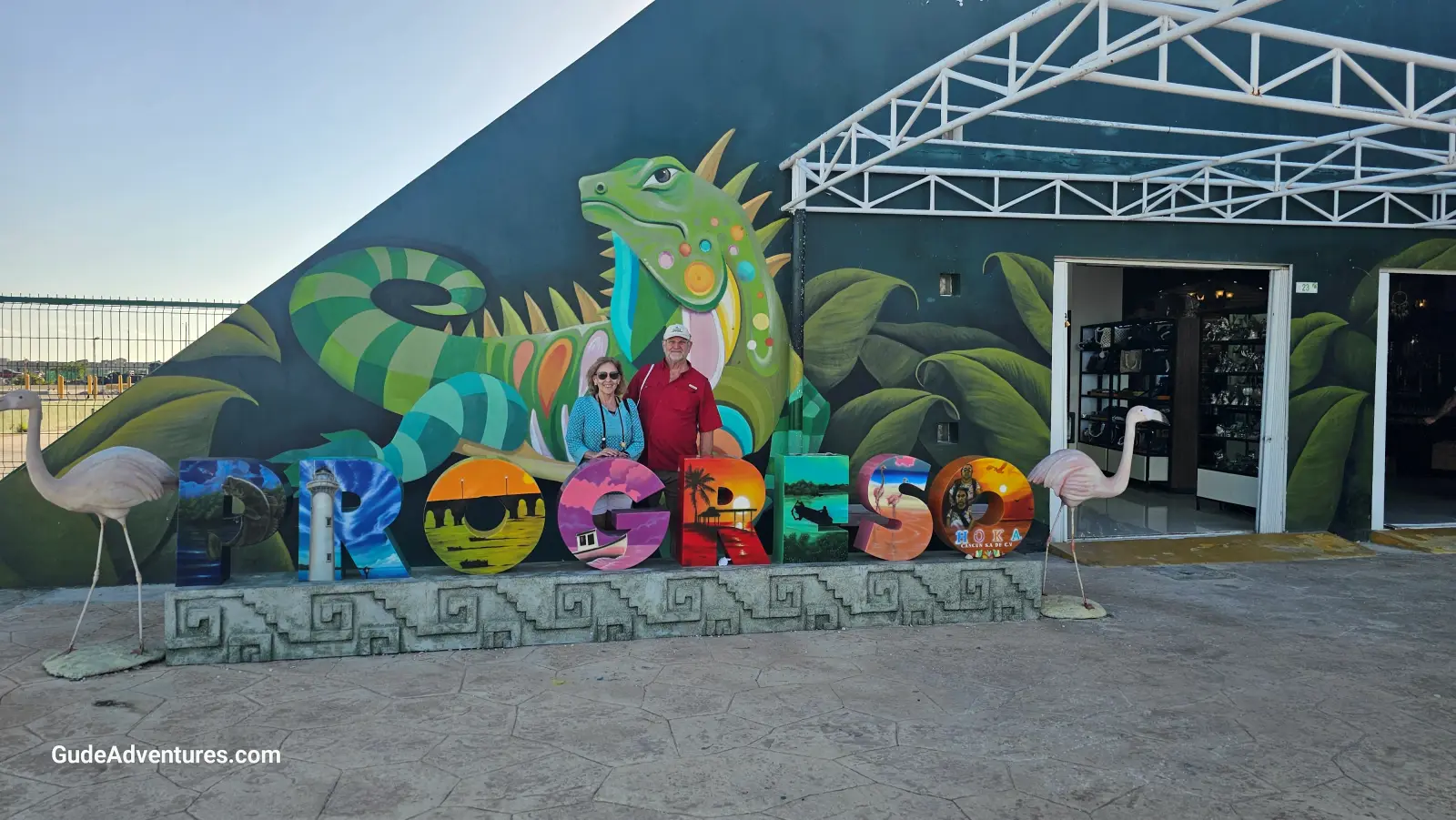
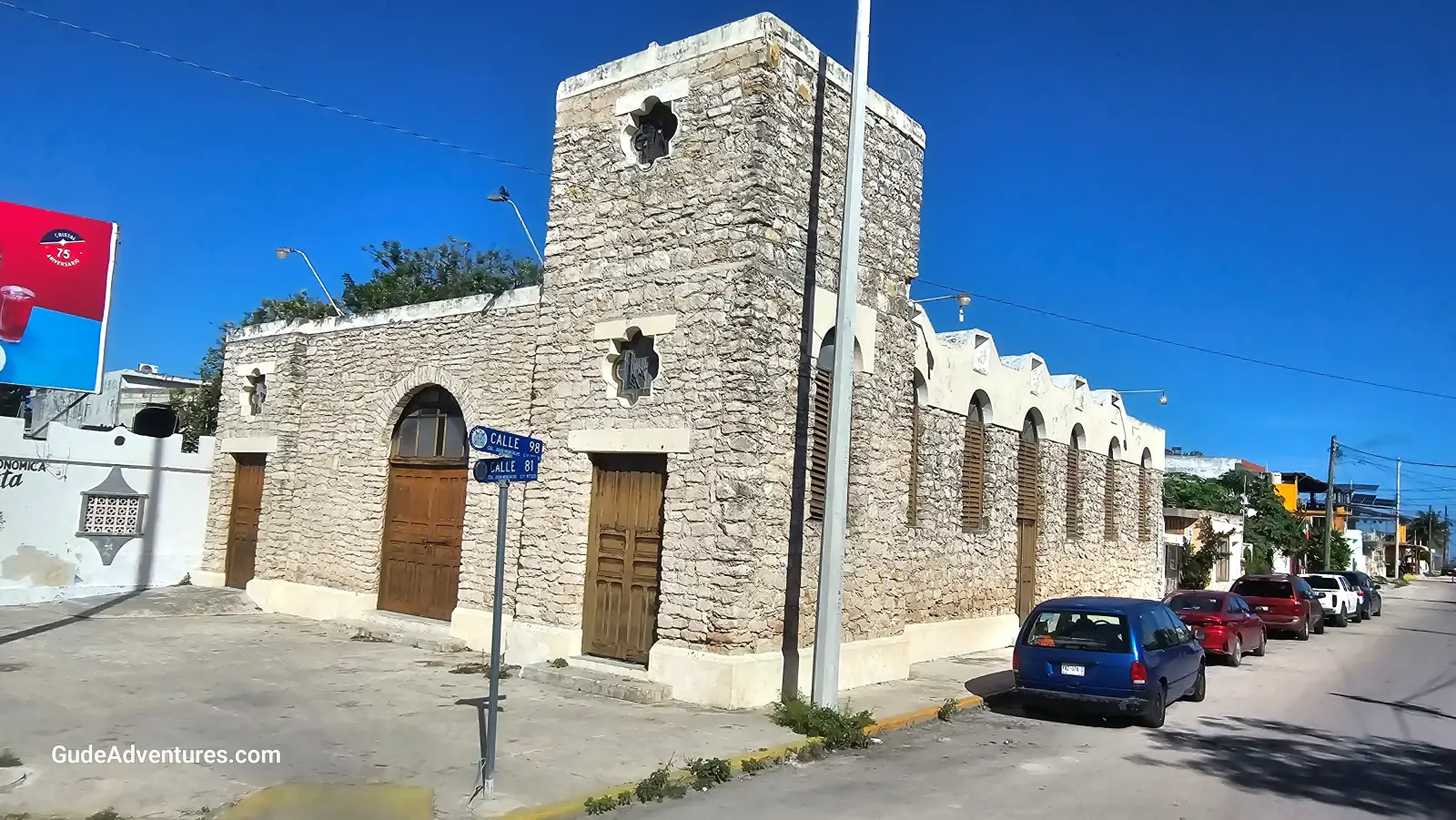
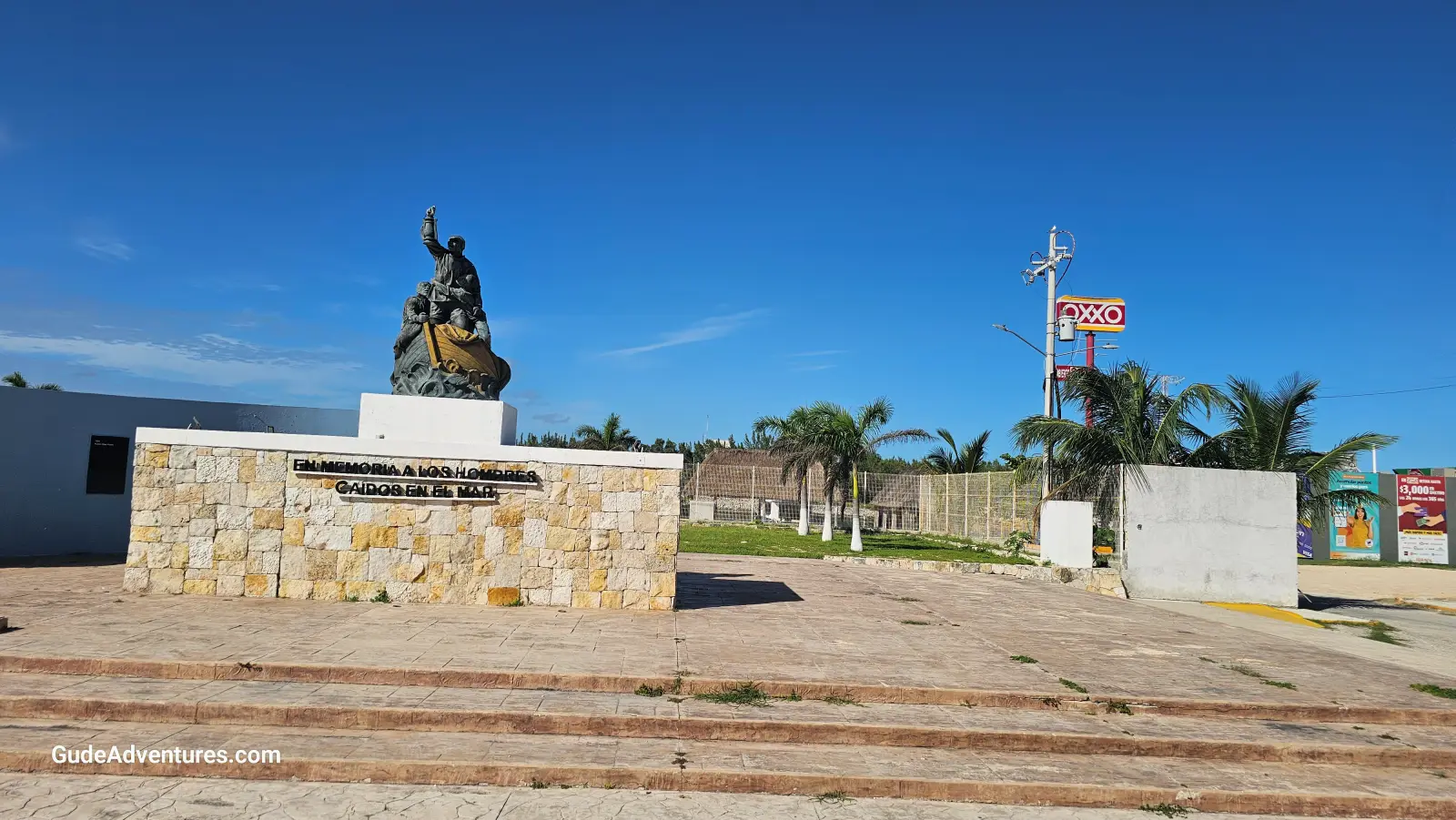
Pictures from Progreso