
What to see and do in Bari, Italy


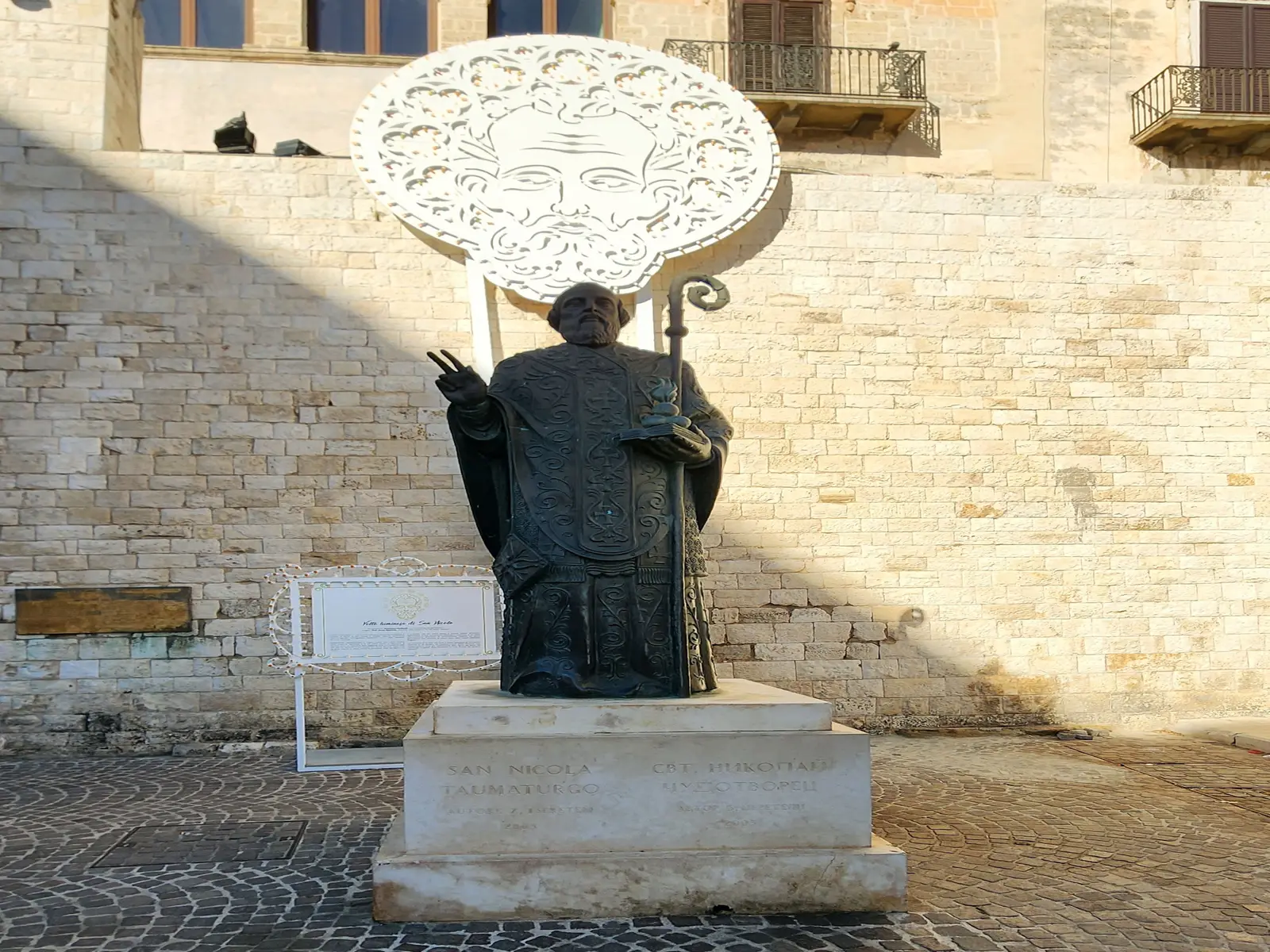
Bari include the Basilica di San Nicola, which houses the remains of St. Nicholas (Santa Claus)
Bari is located on the east coat of Italy. In ancient Greek, it was known as Βάριον. Then, in the 3rd century BC, it became part of the Roman Republic. It's harbor was important port for eastward trade.
Bari has a long and rich history dating back to ancient times. It was founded by the Peucetii, an ancient tribe of Italy, and later became an important center of trade and commerce during the Roman Empire. In the Middle Ages, it was a major port city and a center of maritime trade in the Mediterranean.
Today, Bari is a bustling and vibrant city with a mix of old and new architecture, including medieval streets and buildings, Baroque churches, and modern urban areas. Some of the most famous landmarks in Bari include the Basilica di San Nicola, which houses the remains of St. Nicholas, the patron saint of children, and the Castello Svevo, a medieval fortress built by the Normans.
Bari is also known for its vibrant food culture, featuring local specialties such as orecchiette pasta, seafood dishes, and olive oil. The city's cuisine is heavily influenced by its coastal location and the surrounding agricultural areas.
Looking for a place to stay? Click here for options.
Looking for things to do? Viator offers numerous tours in the Bari area. Click here for details.
Pictures from Bari
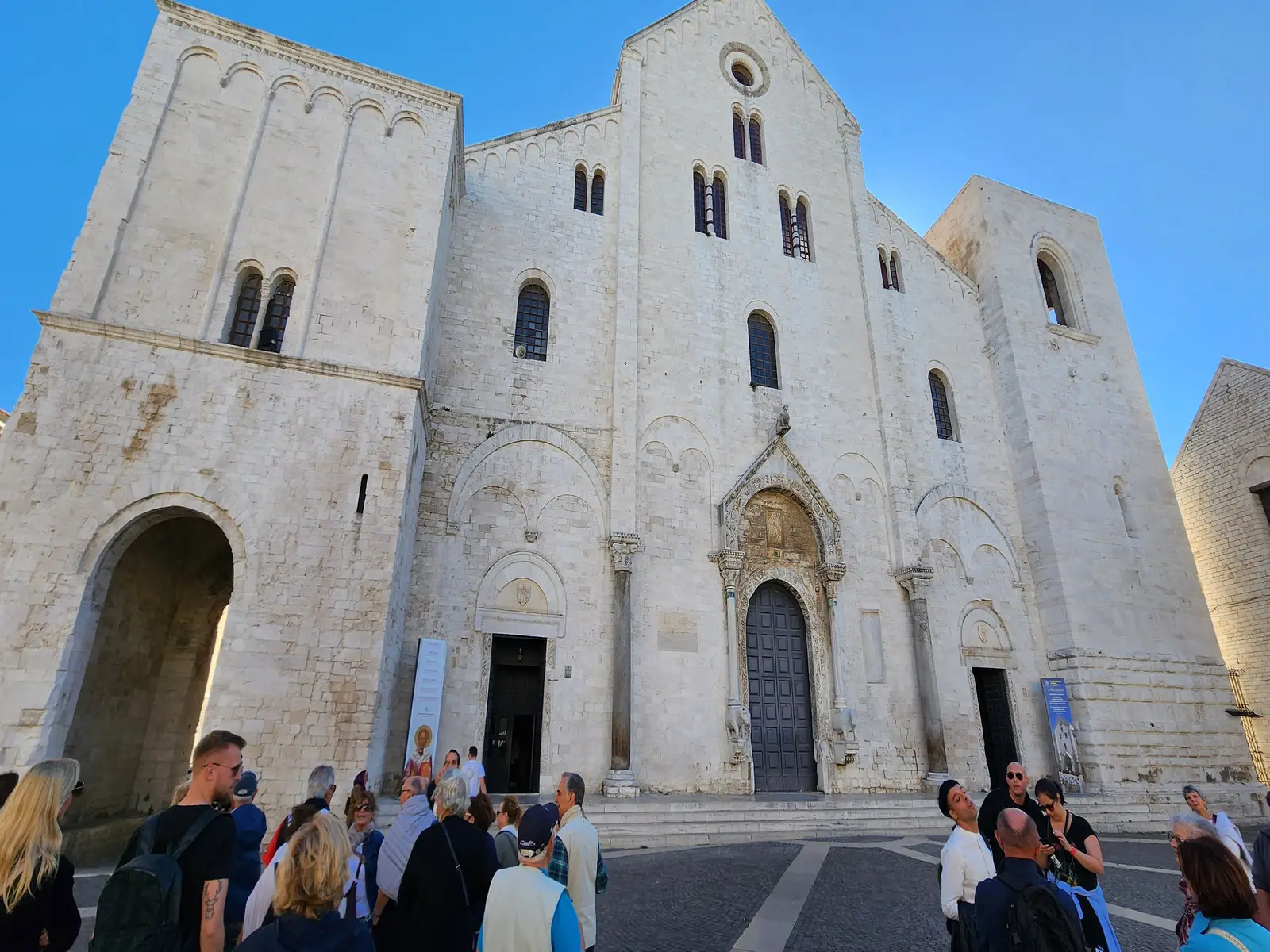
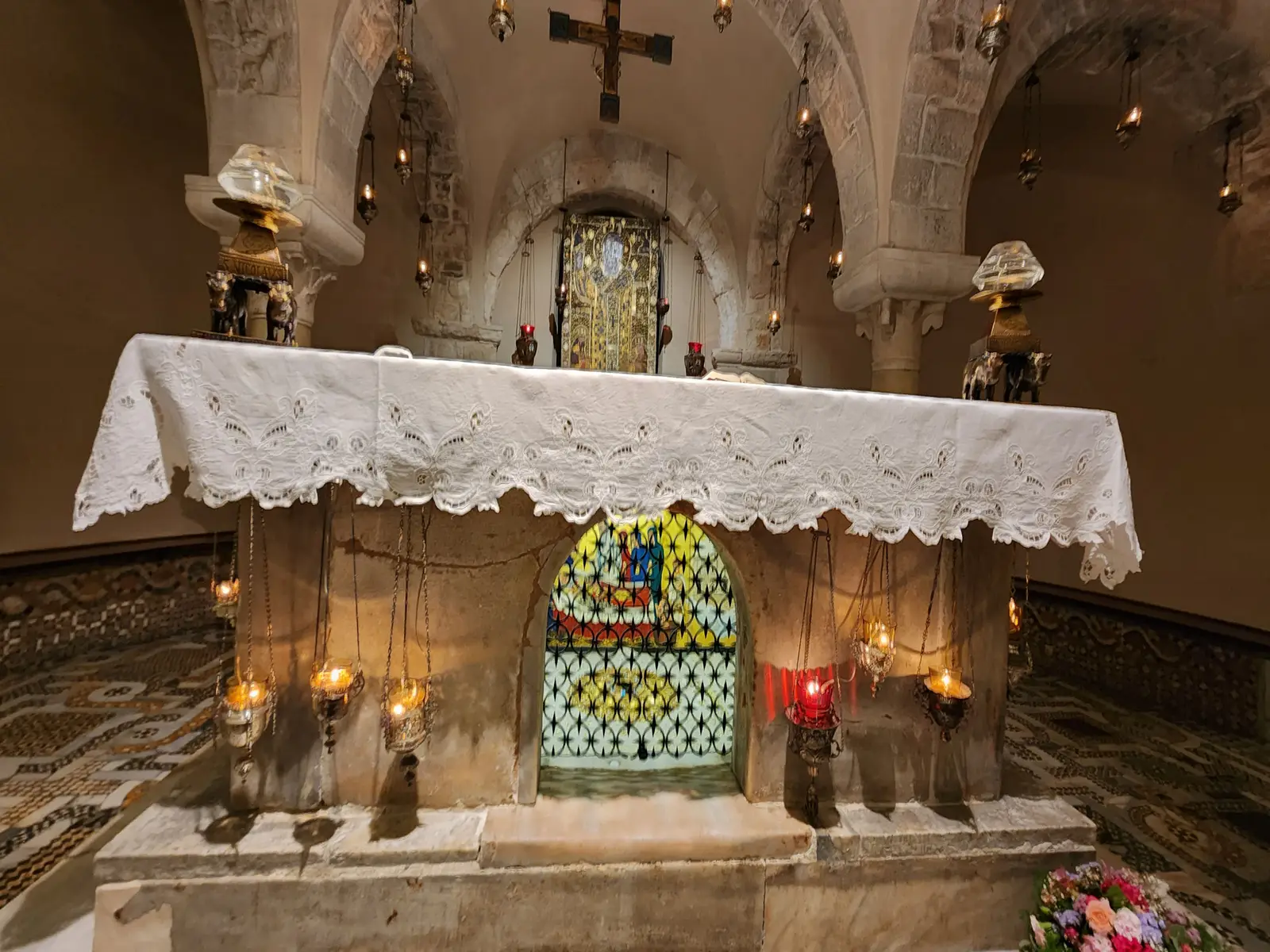
Bari is known as the city of Saint Nicholas. His legendary habit of secret gift-giving gave rise to the traditional model of Santa Claus ("Saint Nick") through Sinterklaas. In 1087, a group of merchants removed bones of Nicholas from Myra in Greece and brought them to Bari, where they are now enshrined in the Basilica di San Nicola.
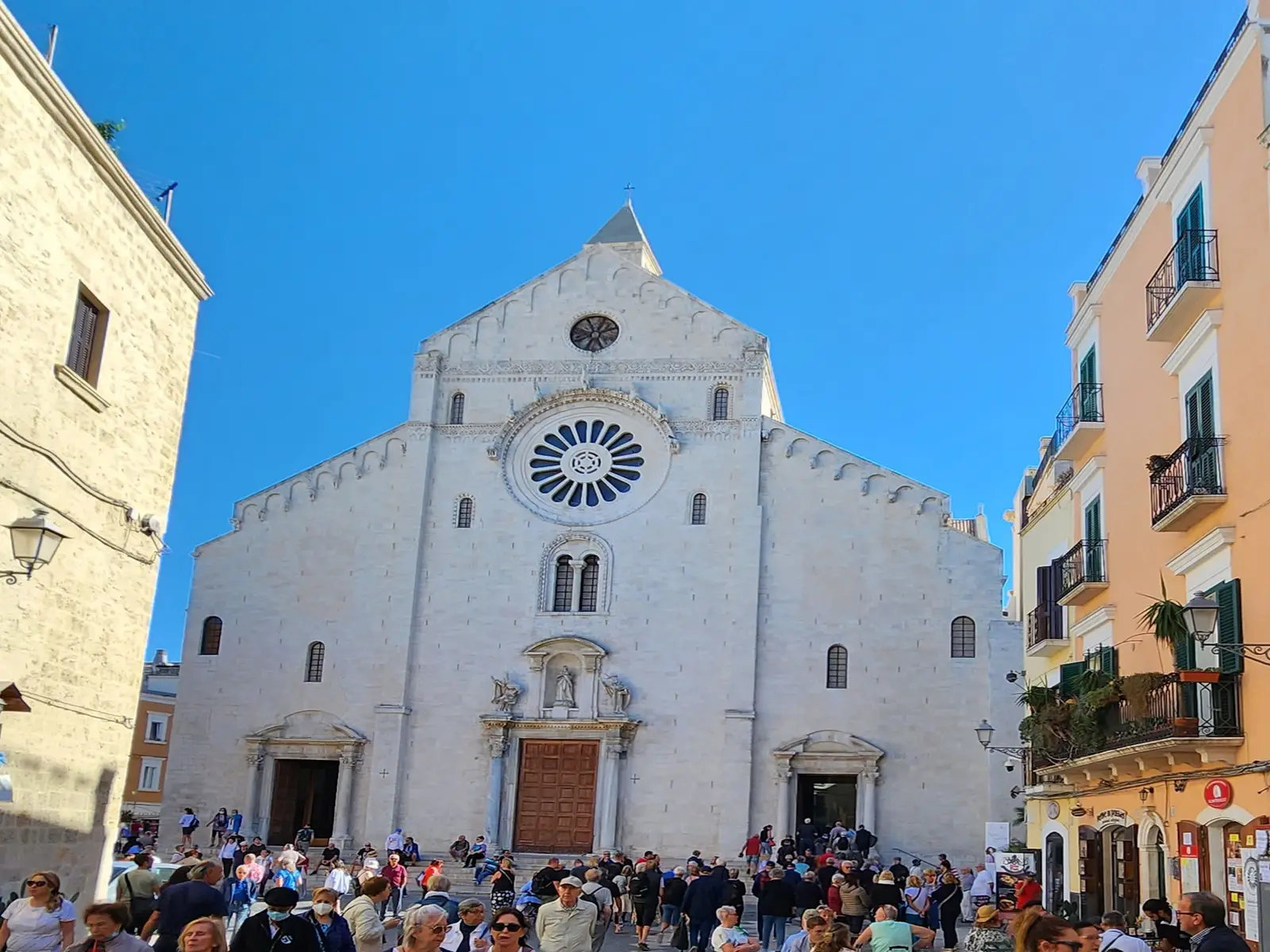
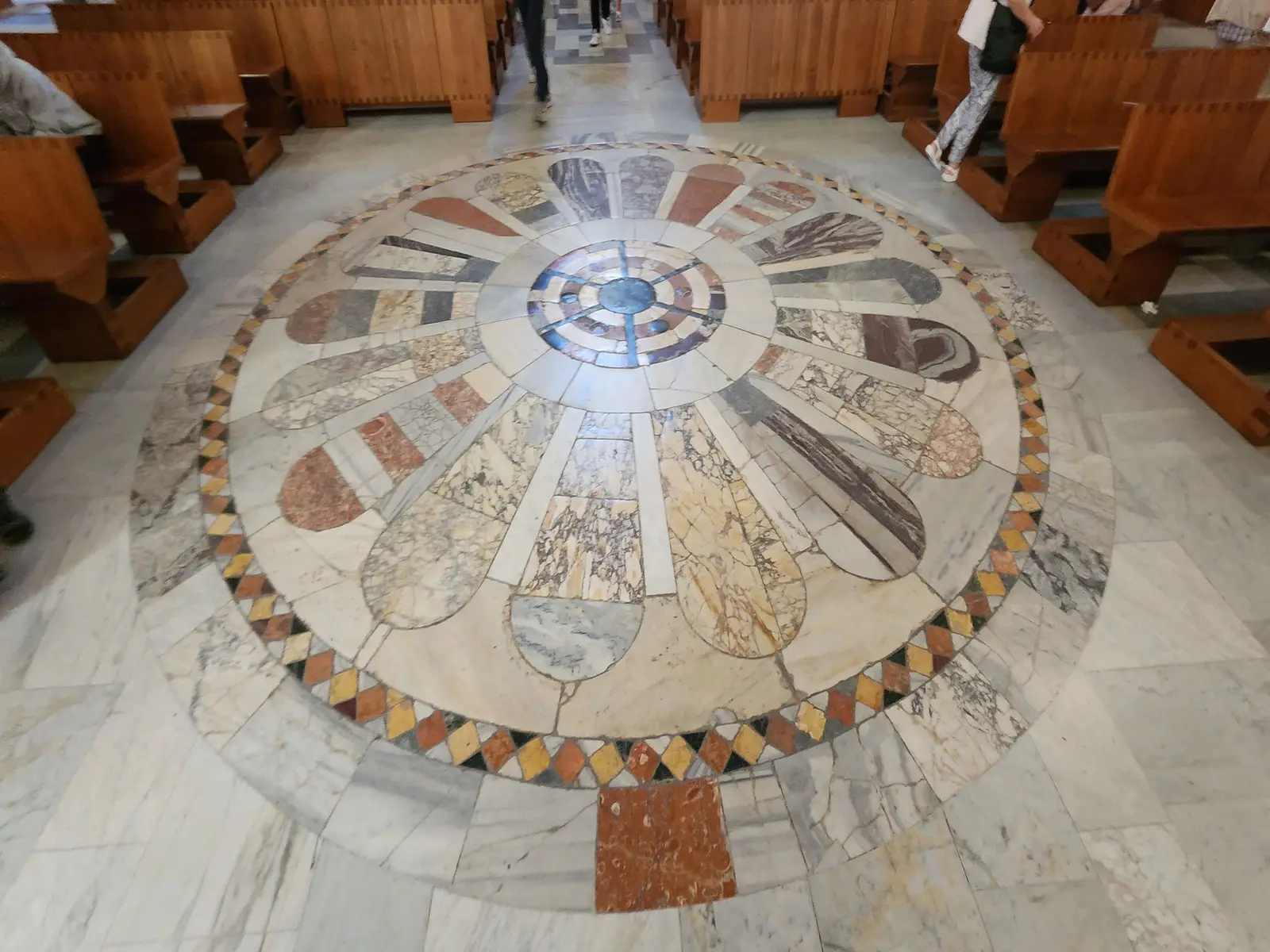
The Bari Cathedral, dedicated to Saint Sabinus of Canosa, was begun in Byzantine style in 1034, but was destroyed in the sack of the city of 1156. It was then built between 1170 and 1178.
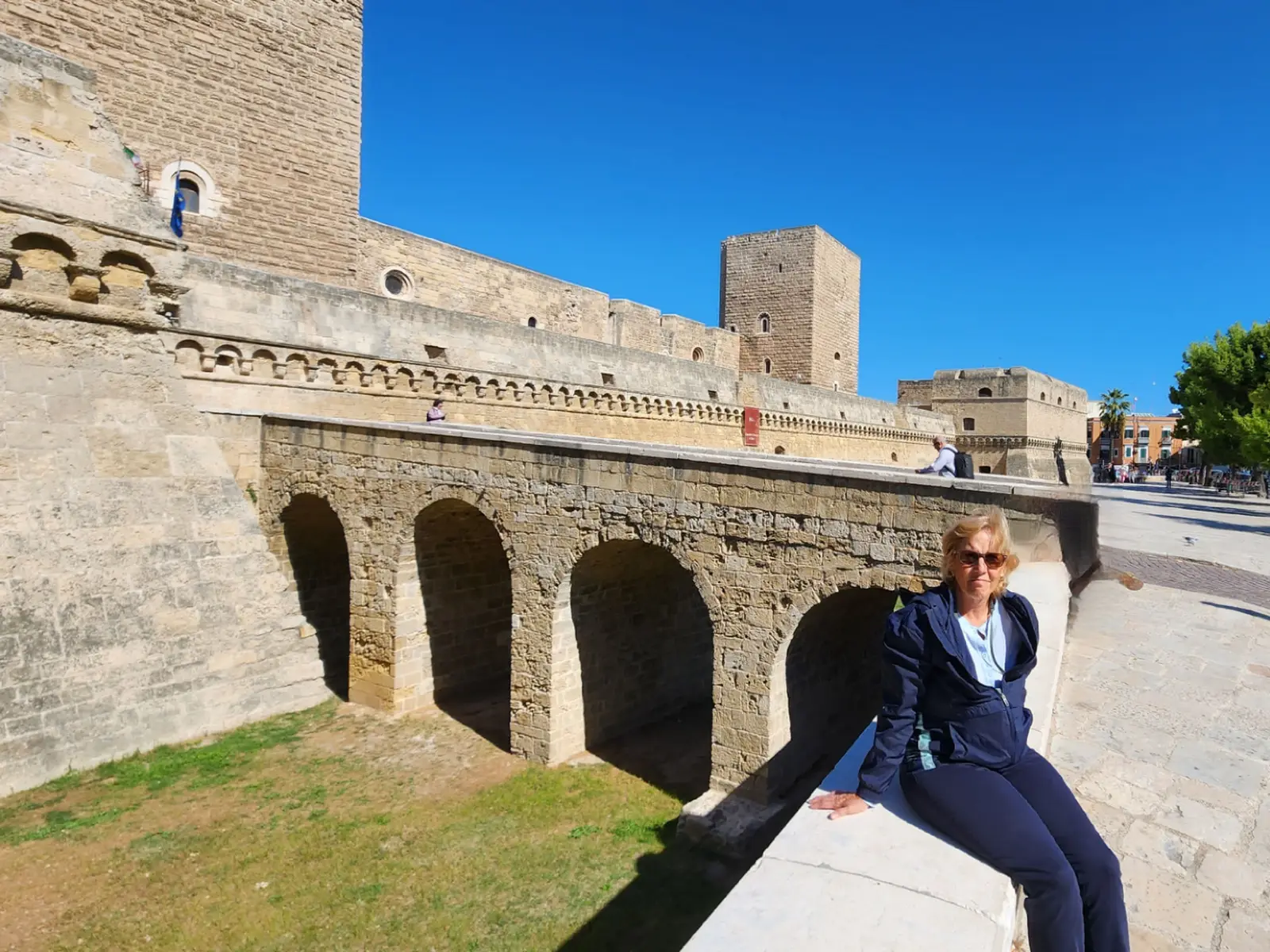
The Norman-Hohenstaufen Castle, also known as the Swabian Castle, was built by Roger II of Sicily around 1131. Destroyed in 1156, it was rebuilt by Frederick II of Hohenstaufen.
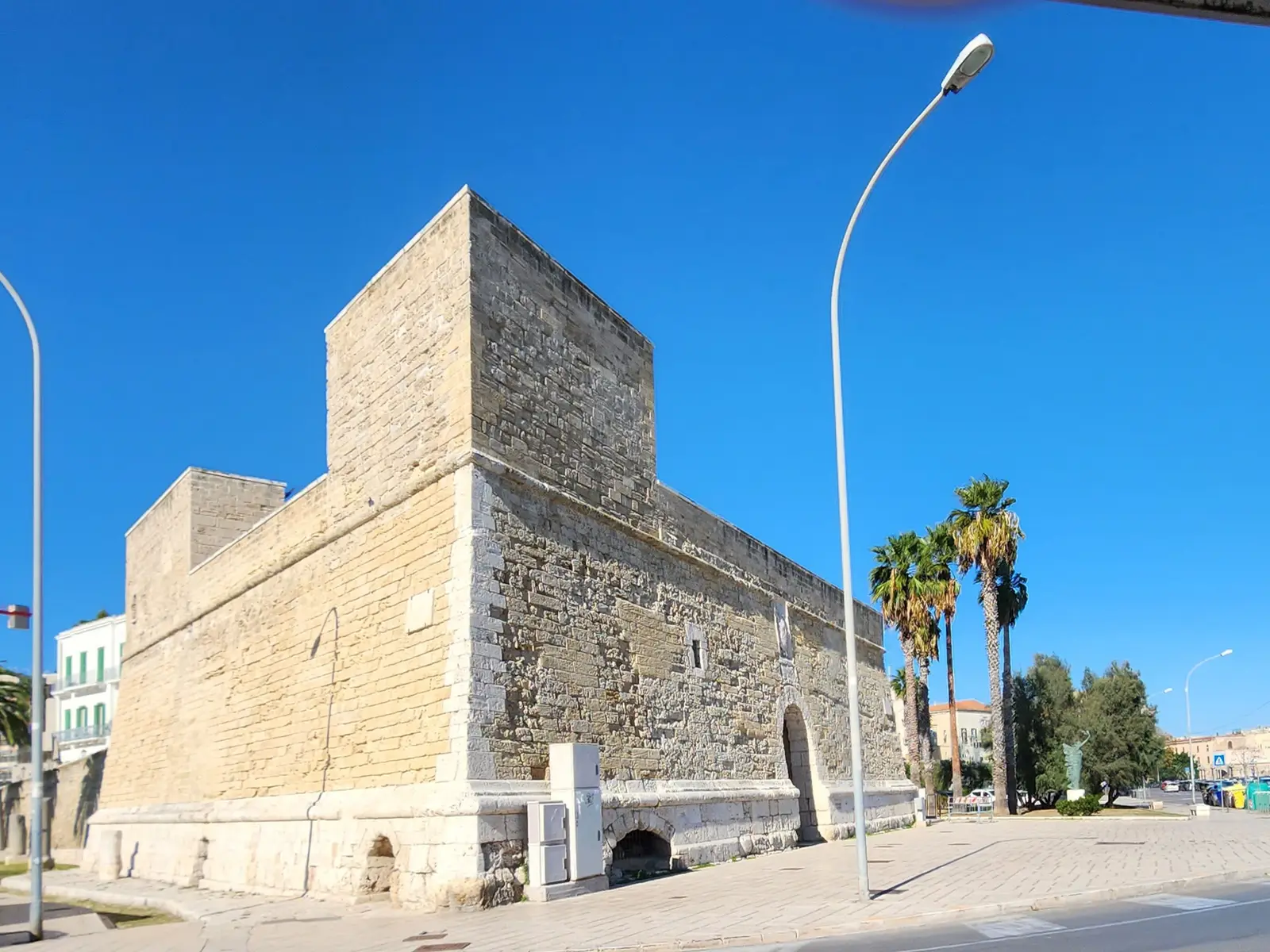
The walls of the old city were built in the 4th century BC in order to protect and defend the city of Bari. They run along the seafront and separate the old city from the surrounding urban area.
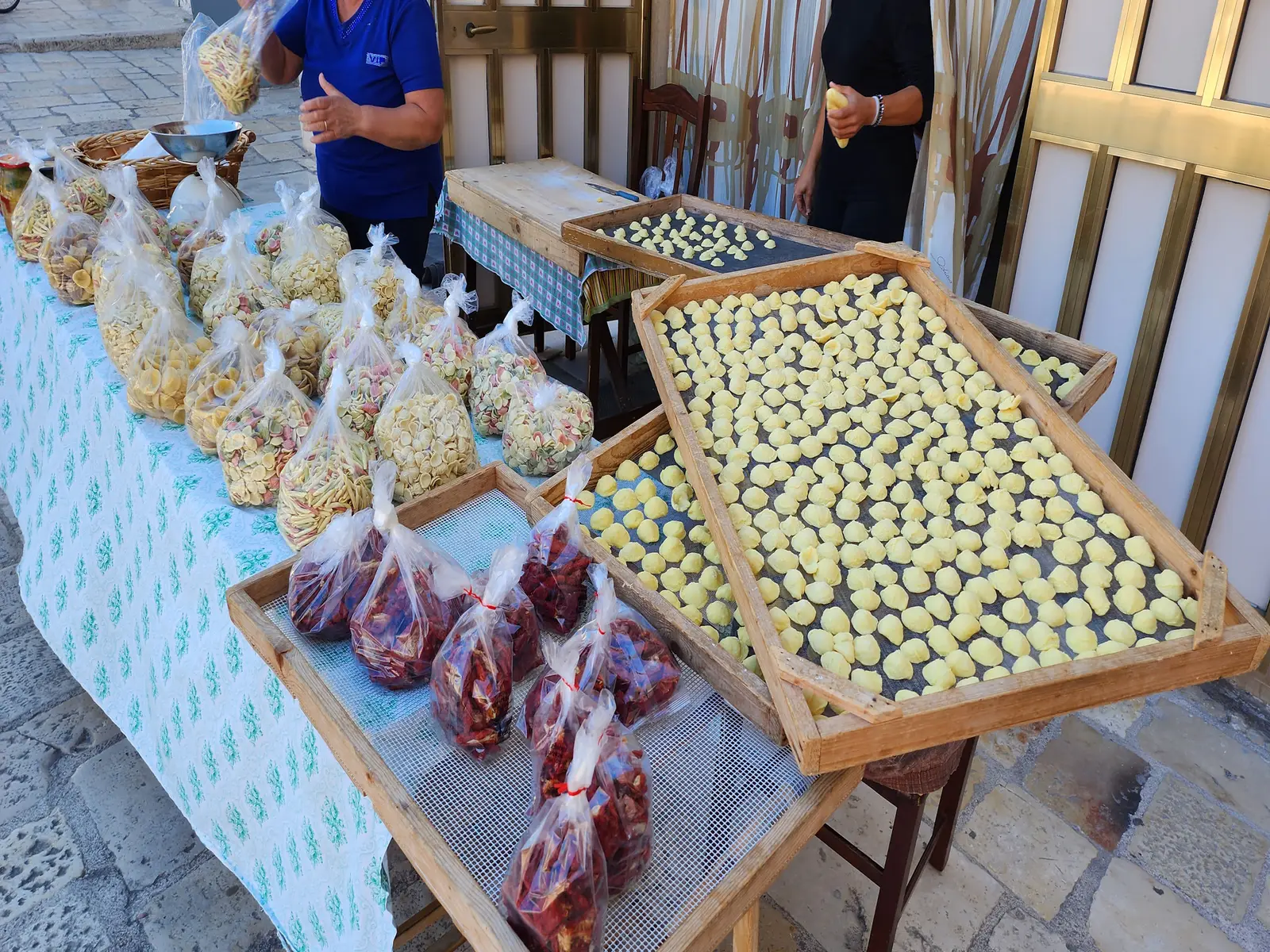
Street vendors selling pasta in the old city.
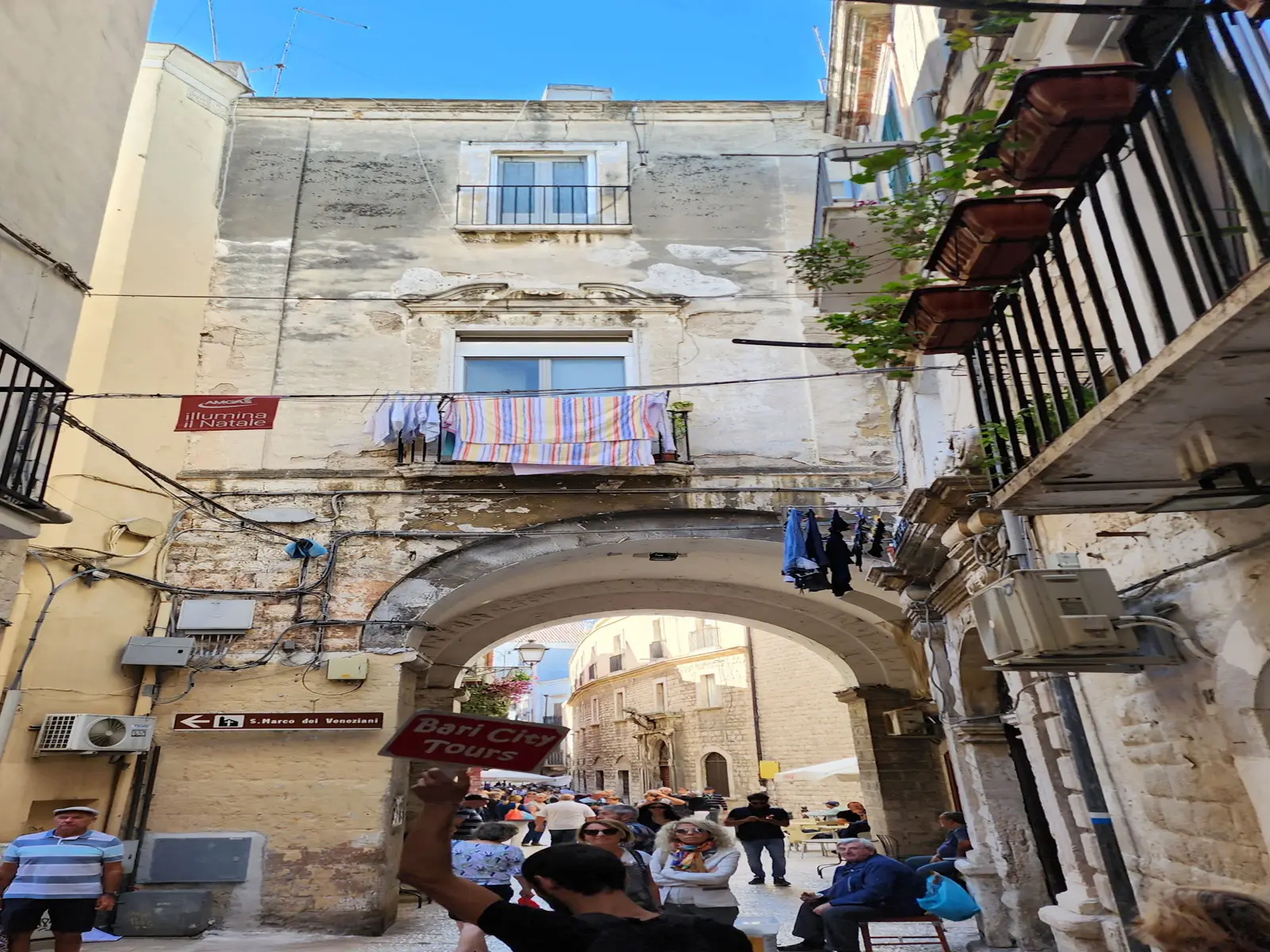
The streets of the old city are very narrow and contain many shops and restaurants.
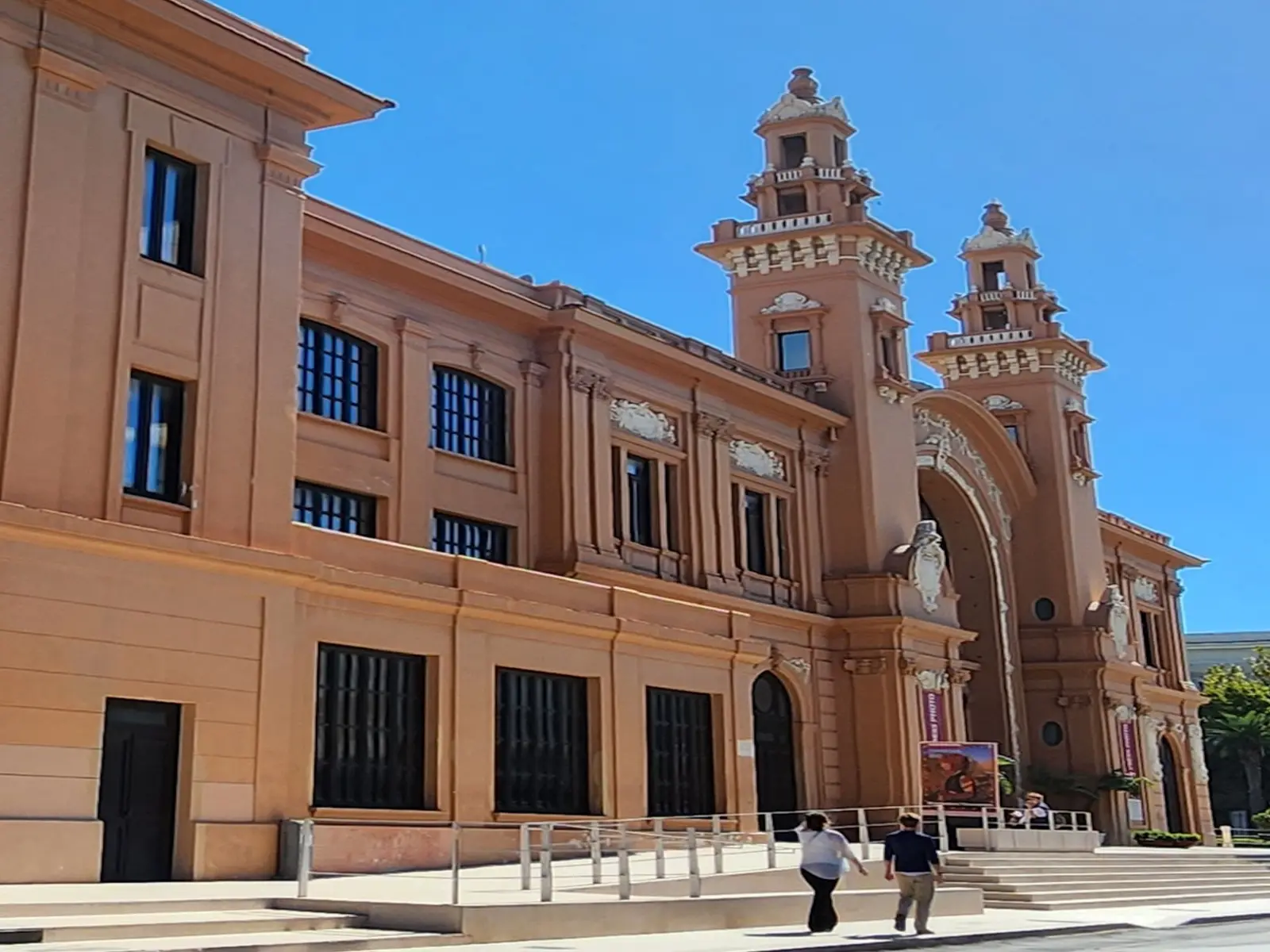
Teatro Margherita is a former theatre in the city of Bari. It first opened in 1914.
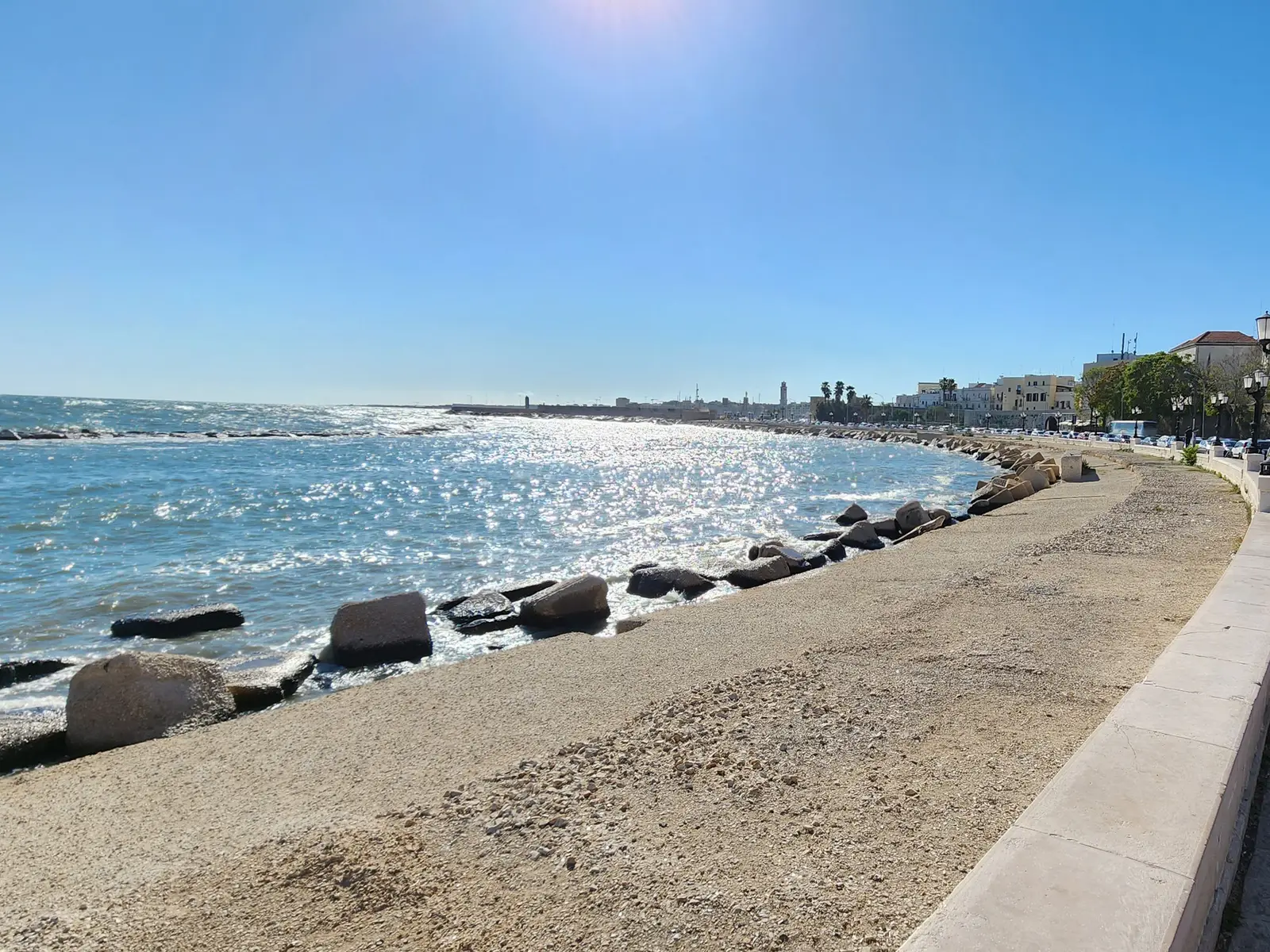
The coastline of the city on the Adriatic Sea.
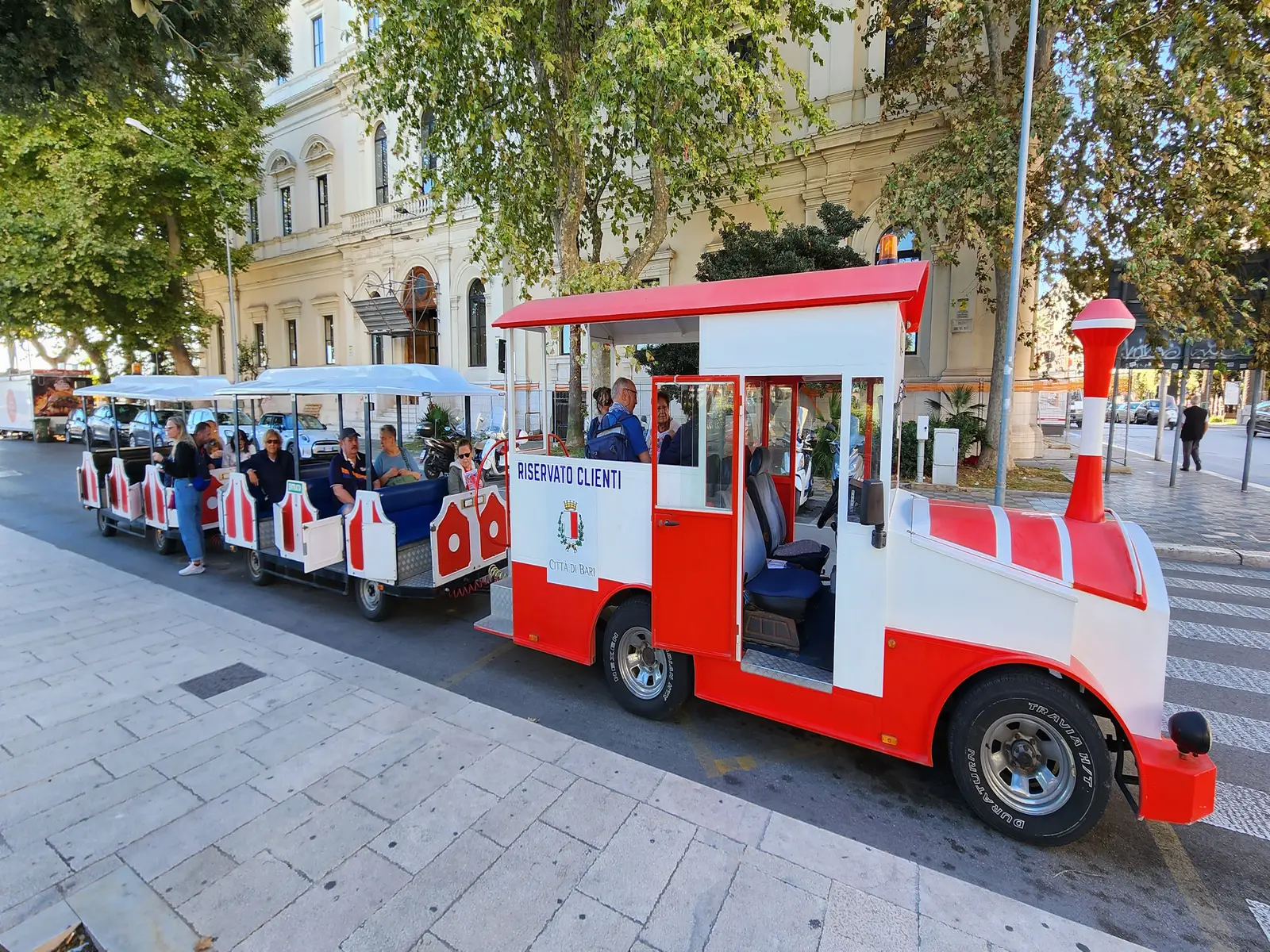
From the main square, there are several tour operators that offer guided tours of the city.