What to see and do in Zadar, Croatia


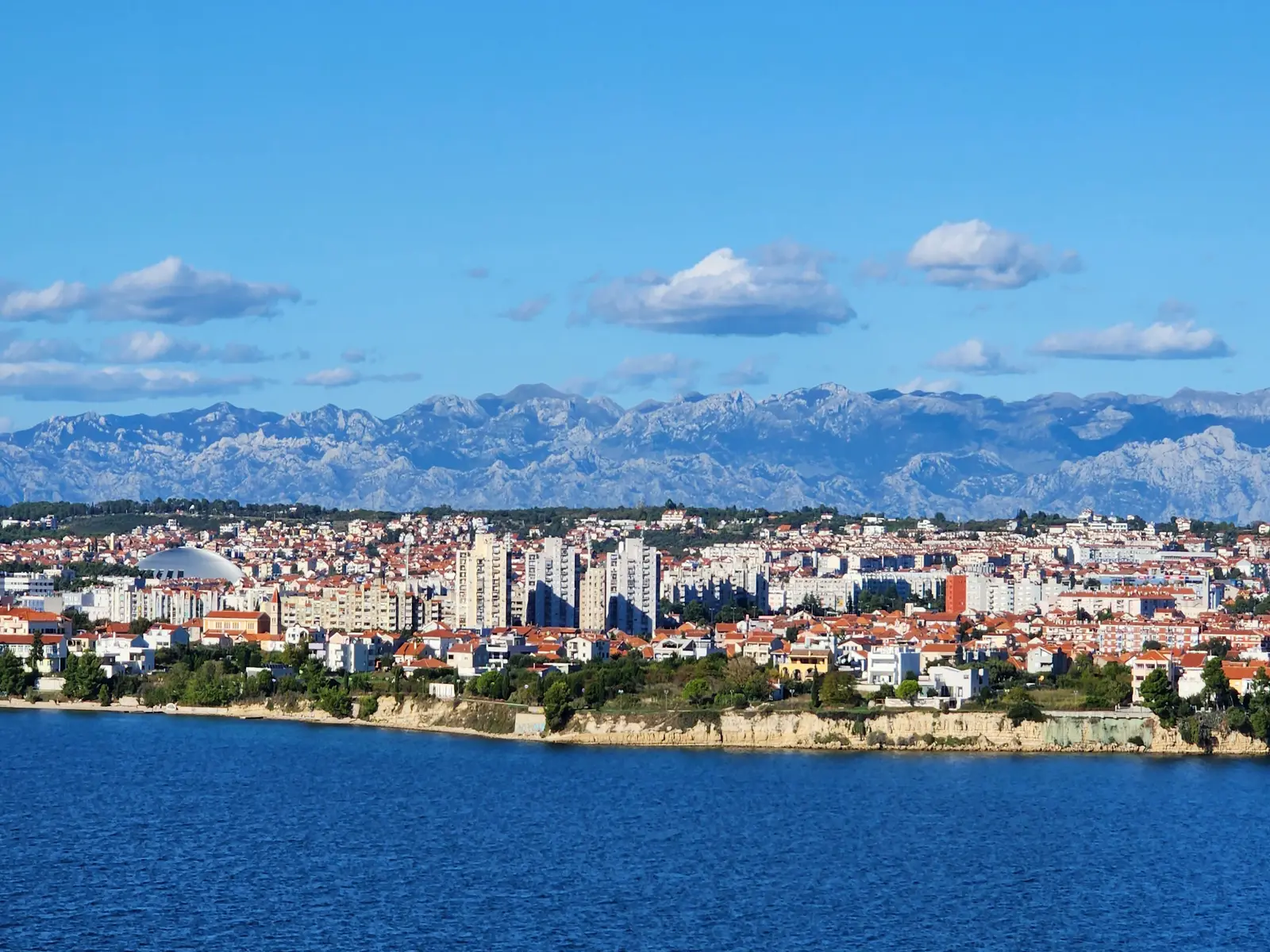
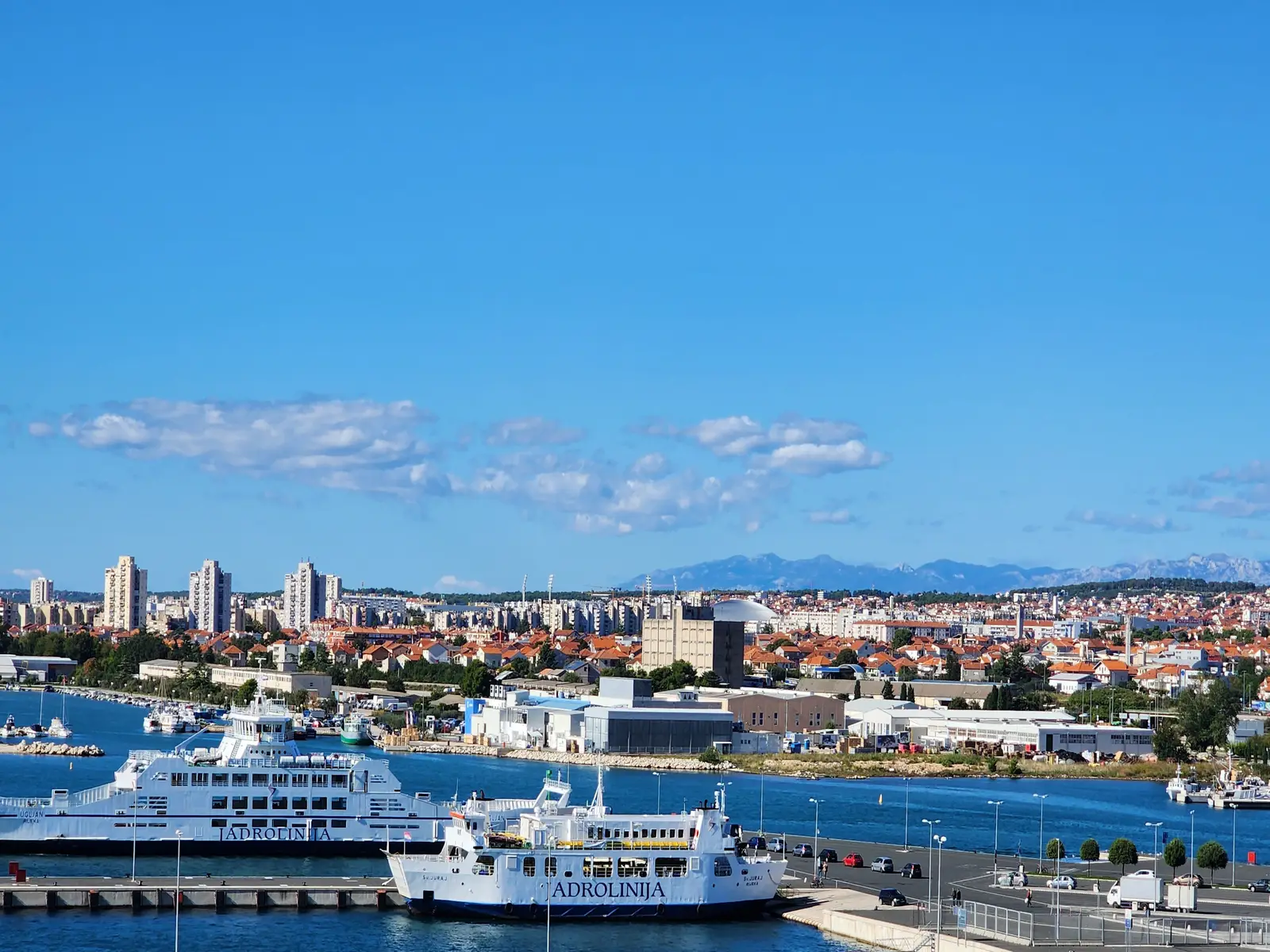
Zadar is a city on the Adriatic Sea coast, located in the northern part of Dalmatia, Croatia.
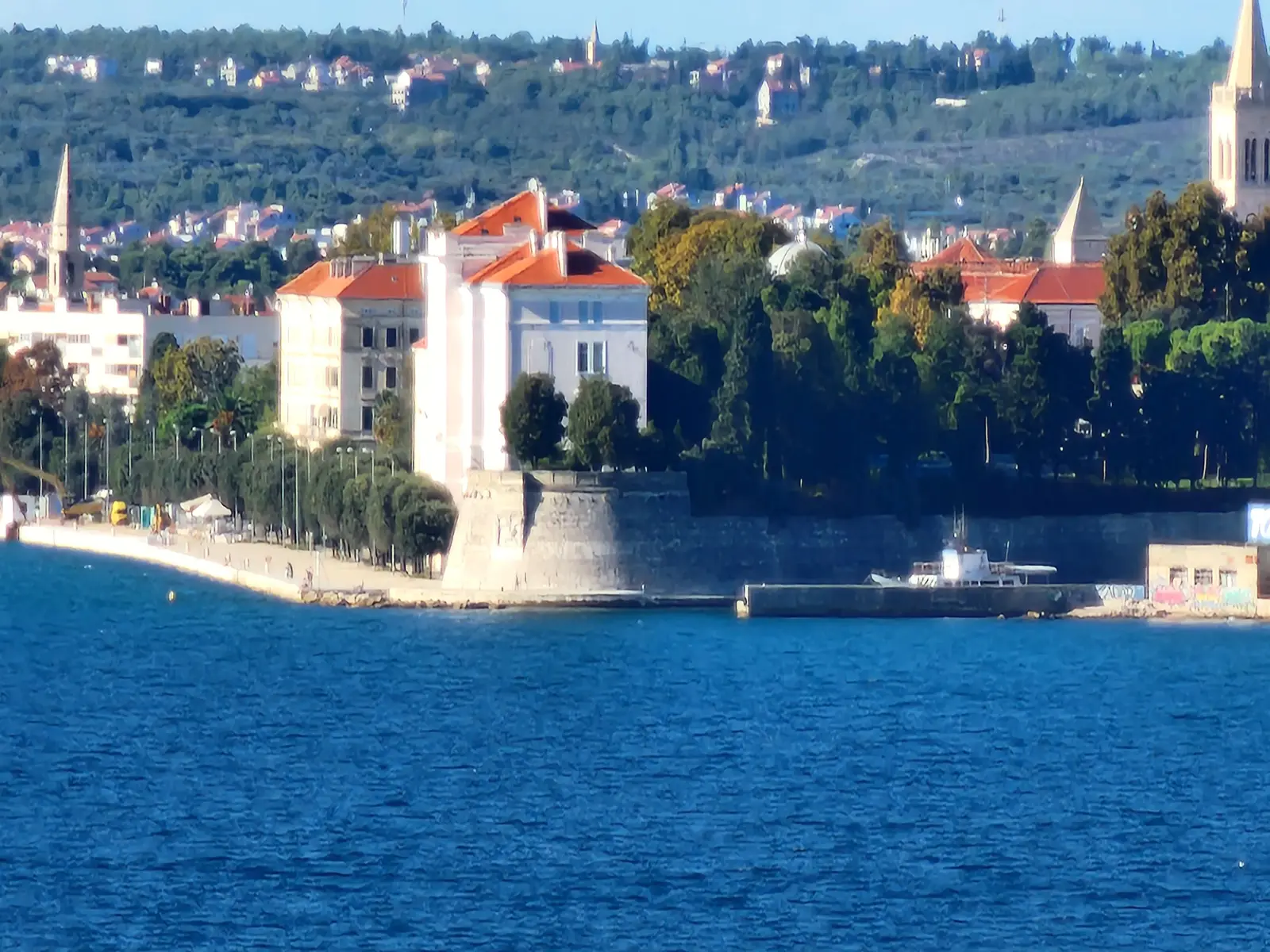
It's famous for its old town area with many historical buildings and monuments. One thing that makes Zadar stand out from other cities in Europe is its ancient ruins spread throughout town, so take some time when exploring this city to visit them all.
The city has been inhabited since prehistoric times and was first mentioned in written documents in 9th century AD when it became part of Croatian Kingdom. Zadar was ruled by Venice from 1409 till 1797 when it was annexed to Austria-Hungary. Today it's capital of Zadar County in Croatia's region of Dalmatia.
Zadar is a place you must visit if you want to experience the old European culture and see the beautiful historical sites. It has a rich history and is a popular tourist destination. Zadar has many beautiful historical sites, including the UNESCO World Heritage Site of St. Donatus' Cathedral, built in 1208 CE during the Venetian rule, which stands today as one of the greatest examples of Romanesque architecture in Dalmatia. The city also features several other beautiful churches, like those dedicated to St. Anastasia and Our Lady of Good Health Church located on top of Mount Srdj overlooking Zadar's Old Town district.
The Sea Organ is a must-see, but you need to know how to find it. The Sea Organ is an incredible musical instrument made out of pipes that create melodies as the waves wash over them. It's great for kids and adults alike!. The prototype was made in 2003 and the official version was opened in 2007. It's located on the coast of the Adriatic Sea, where waves and tides create different sounds depending on their height and frequency. The sound is created by air passing through large plastic pipes that have been cut into 7 rows of tubes along a wall 10 meters high. Each pipe has its own resonator which varies according to its position, so every time you listen to it you hear something different!
It's been voted among top ten attractions to see while traveling around Europe (and number one in Croatia!). The UNESCO World Heritage Site was added as an extension to Zadar's historic core area after being declared one of the most significant pieces of contemporary architecture worldwide.
The Greeting to the Sun is a sculpture by the Croatian artist Vjenceslav Richter. This sculpture was built in honor of Nikola Tesla, one of Zadar’s most famous residents. The artist created this piece with a large rotating ball on top that shines light into the sun at certain times during the day depending on where it's located in relation to Earth and its orbit around our star. The sculpture was created in 1961 and it is located in front of the City Hall. The sculpture is made of bronze, stainless steel and brass. The figure was initially meant to be a fountain but it was changed into a statue after some initial problems with water leaks at its base were discovered. It became known as Zadar's most famous landmark when it appeared on a 100 kuna banknote that circulated between 1994 and 2002 (a time period during which Croatia experienced an economic boom).
St. Donatus Church was built in the 11th century and named after the patron saint of Zadar (St. Donatus), it stands in an ancient Roman Forum that once served as a marketplace and meeting place for locals.
According to legend, St. Donatus was born on an island near Zadar, Croatia's second largest city after Split. His father died when he was young and his mother worked as a seamstress to raise him; she made lovely dresses from silk cloths which were sold at market stalls throughout town—and which apparently included one very special dress for herself: one made out of gold! When robbers attacked her on her way home from market one night, she climbed up onto their ship with all her money hidden under her skirt; they couldn't see it because they thought she was wearing only simple silk cloths instead!
The Roman Forum was built in the 1st century BC as a gathering place for citizens and a marketplace. It has been excavated to reveal the original Roman architecture, which includes an elaborate facade with two rows of Corinthian columns and three rooms on each side. The museum is a popular tourist destination, hosting over 200,000 visitors each year.
The Cathedral of St. Anastasia is the main cathedral in Zadar and a Romanesque-style building. Completed in 1260, it was used for religious services until 1866, when the present cathedral was built in honor of St. Anastasia. The building has a square foundation with rounded pillars and arches along its facade; the façade is decorated with large windows that let lots of light inside the church during services. Inside, you'll find frescoes on either side of an altar depicting scenes from Christ's life; these were painted by artists from Split who worked on this project between 1330–1340. It's also worth taking note of two columns near your entry way: one has an inscription that says "Gloria eterna" (Eternal Glory), while another says "In hoc signo vinces" (In this sign shalt thou conquer). It's part of a tradition dating back centuries where leaders would visit Zadar before major battles to make sure their troops had good luck!
I hope this post has helped you decide if Zadar is a place worth visiting for your next vacation. If so, I wish you all the best on your travels and remember to take lots of pictures!
Looking for a place to stay? Click here for options.
Looking for things to do? Viator has numerous tours available in Croatia. Click here for details.
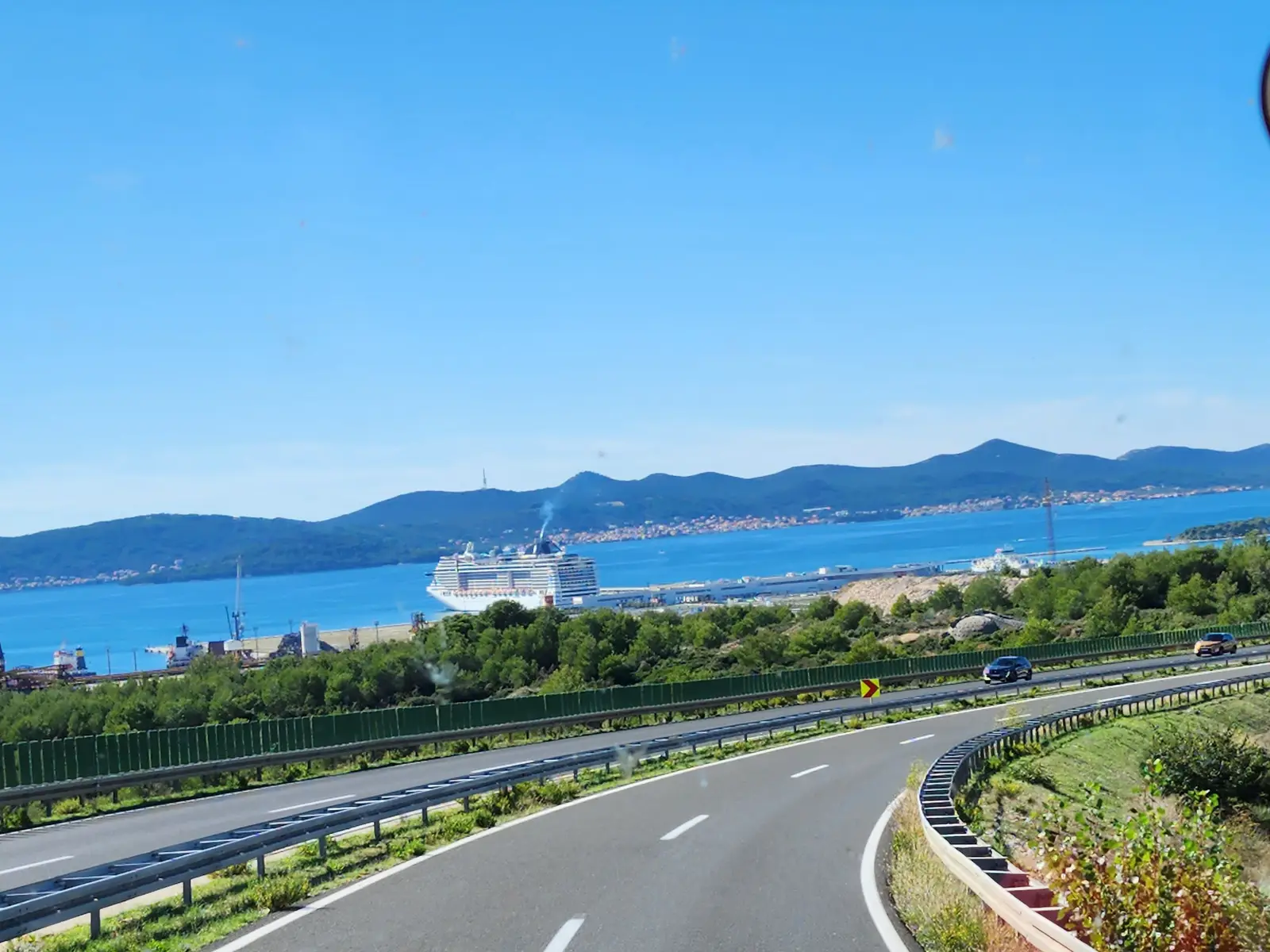
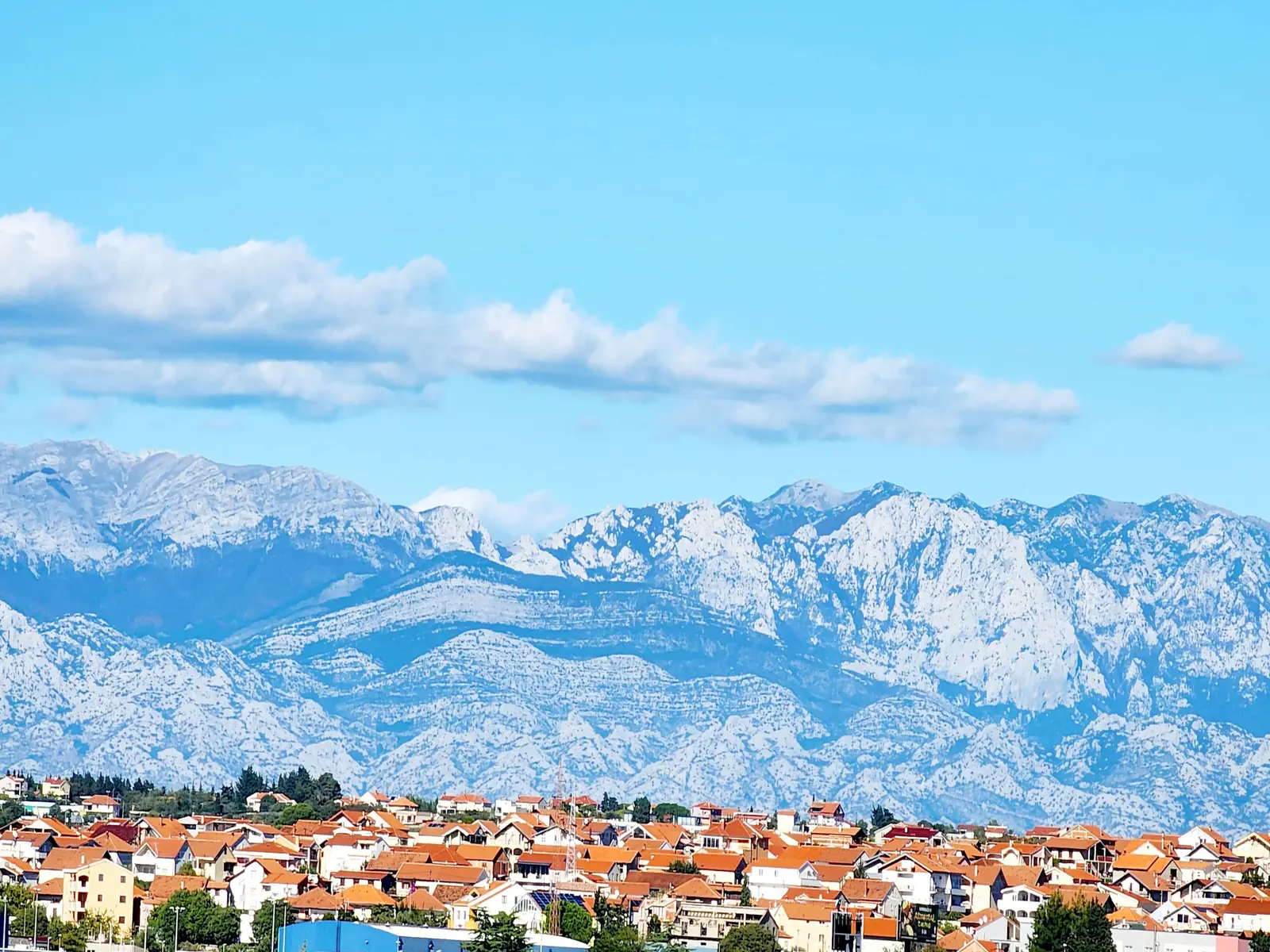
Pictures from Zadar