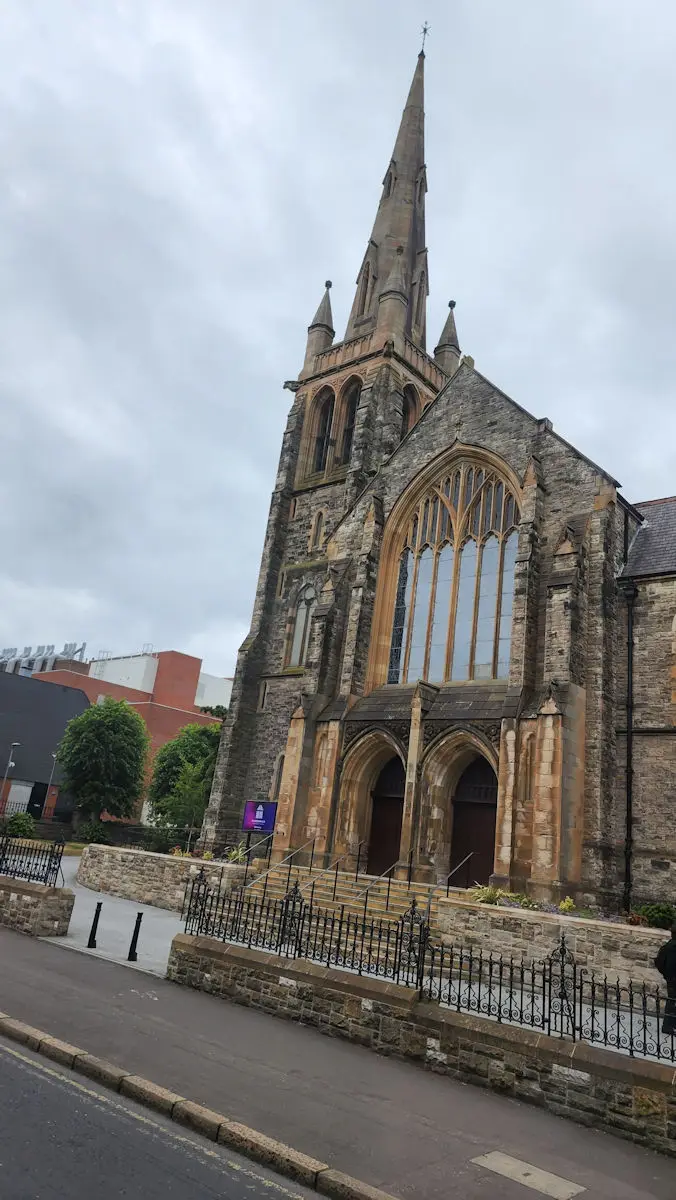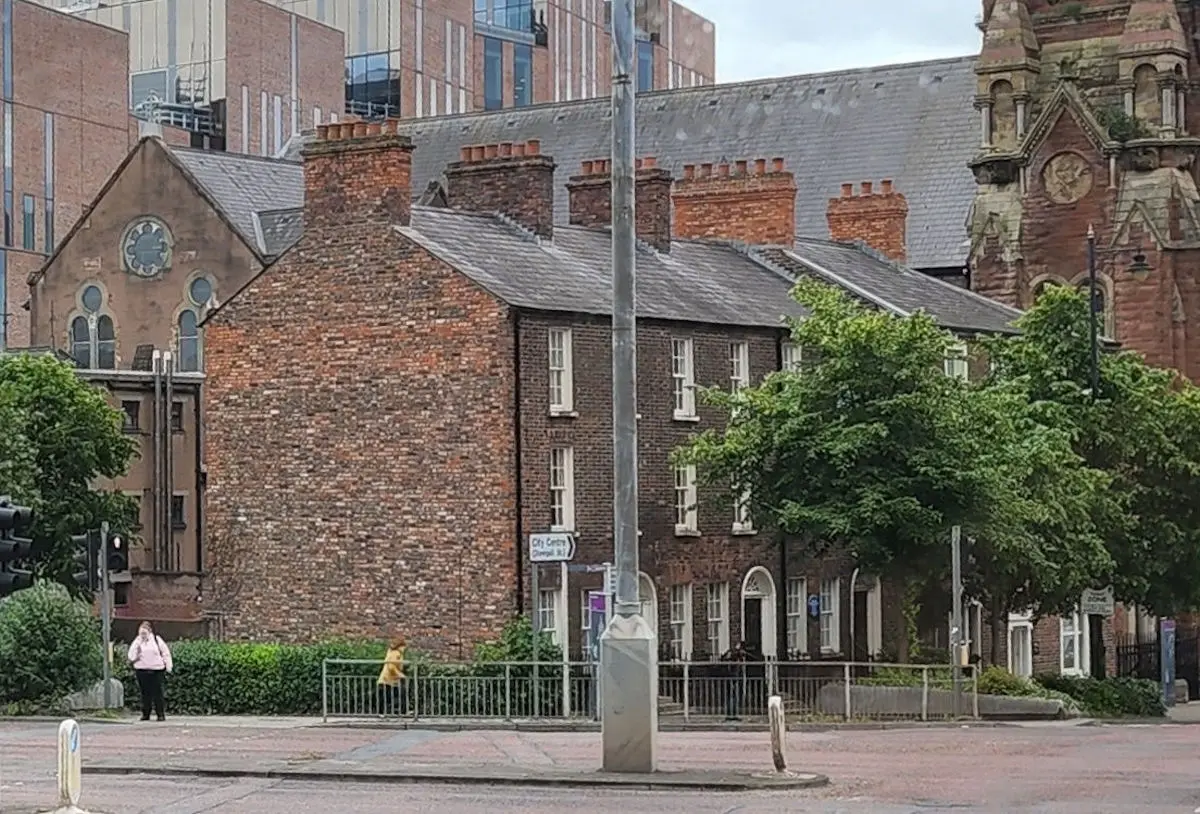
What to see and do in Belfast, Northern Ireland


Belfast is the capital and largest city of Northern Ireland, which is a constituent country of the United Kingdom
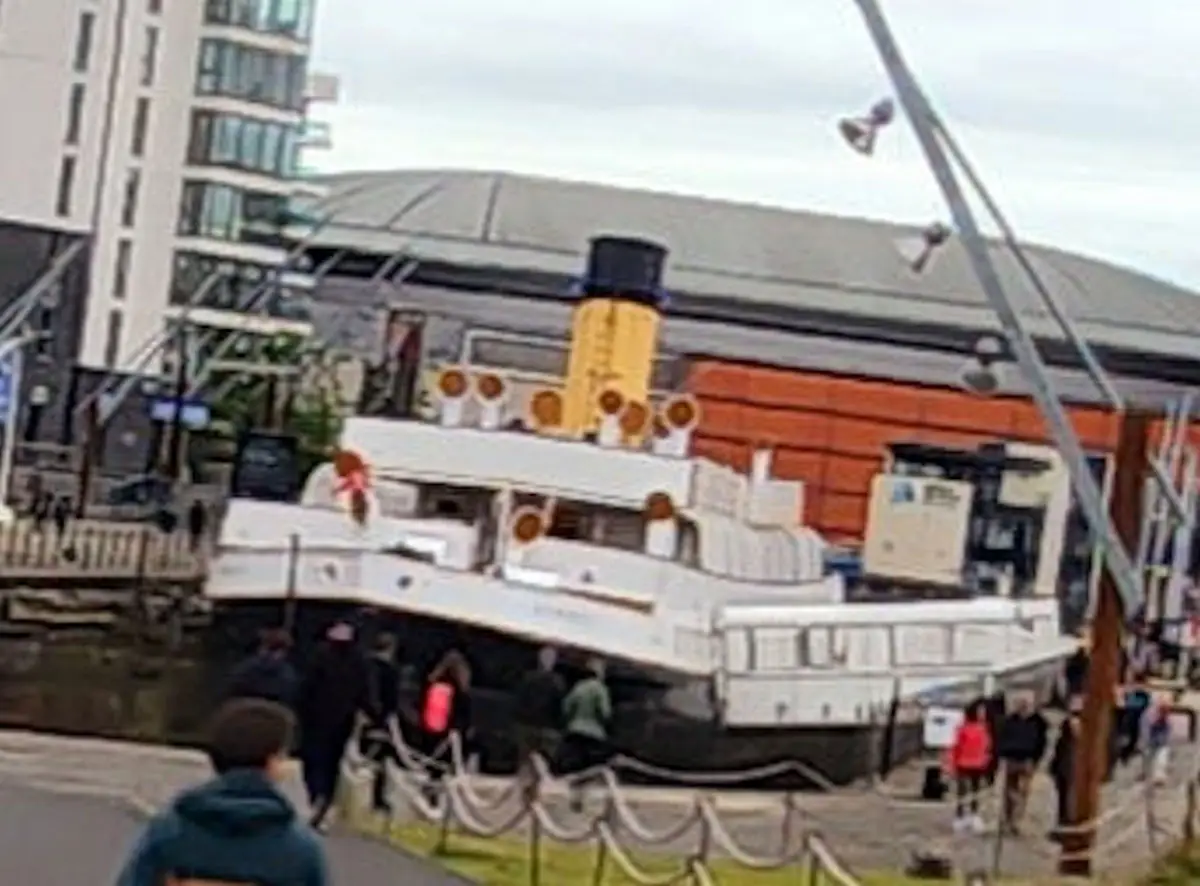
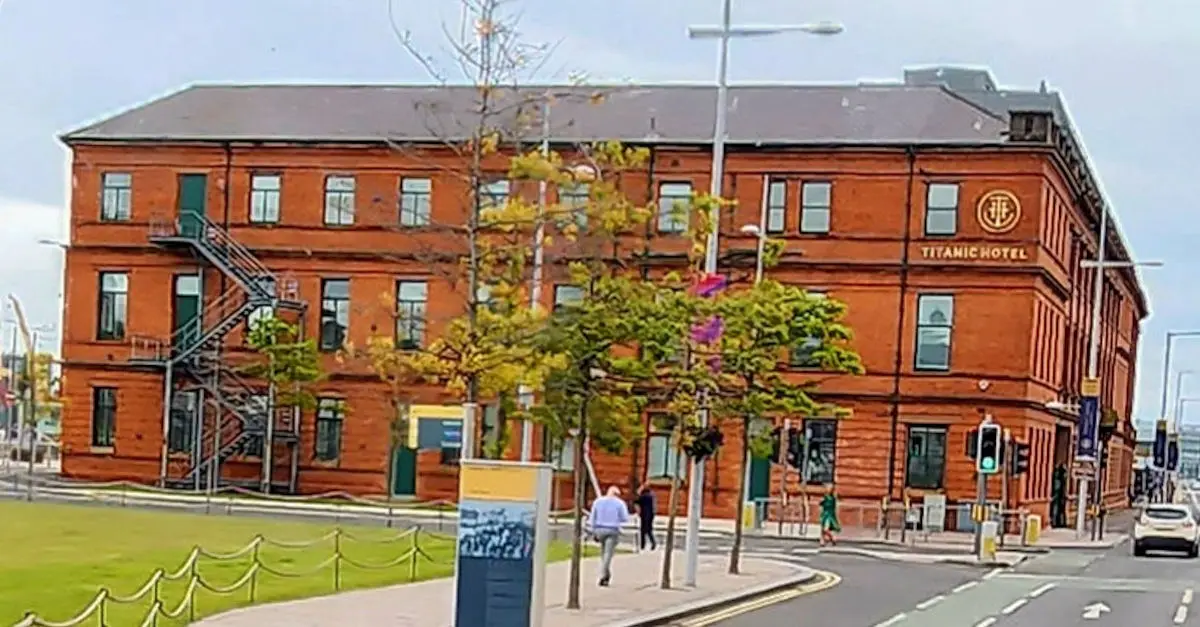
It is located in the northeastern part of the island of Ireland. Belfast is Northern Ireland’s capital. It was the birthplace of the RMS Titanic, which struck an iceberg and sunk in 1912. This is memorialized in the renovated dockyards' called the Titanic Quarter.
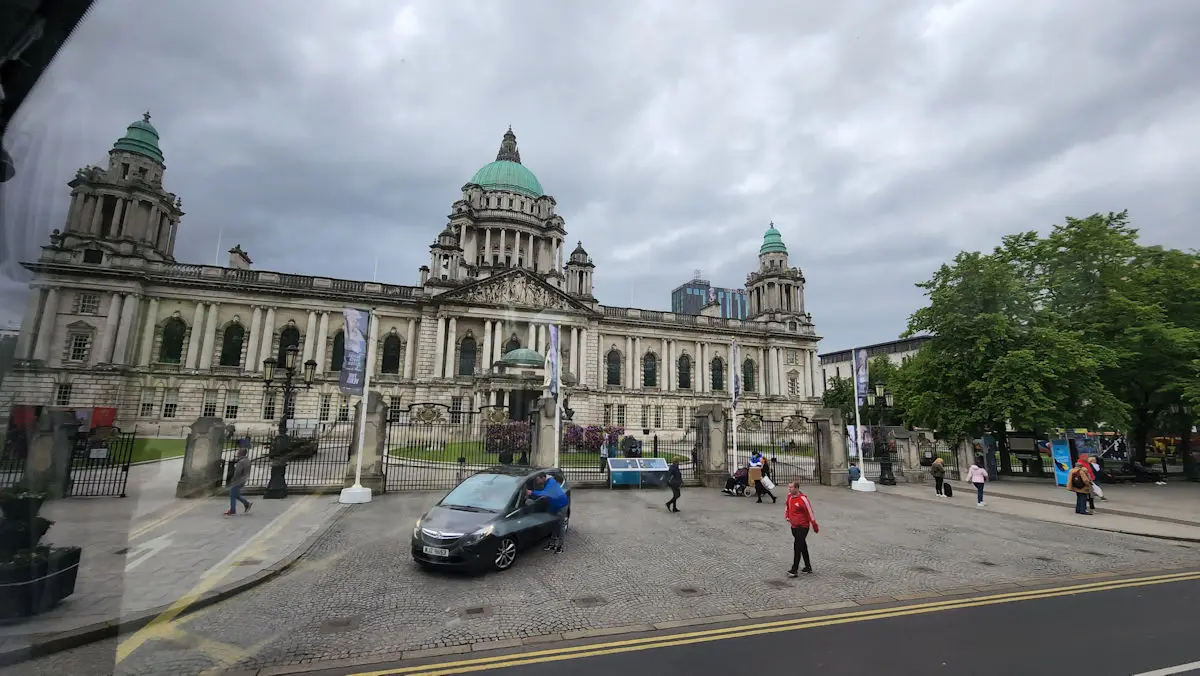
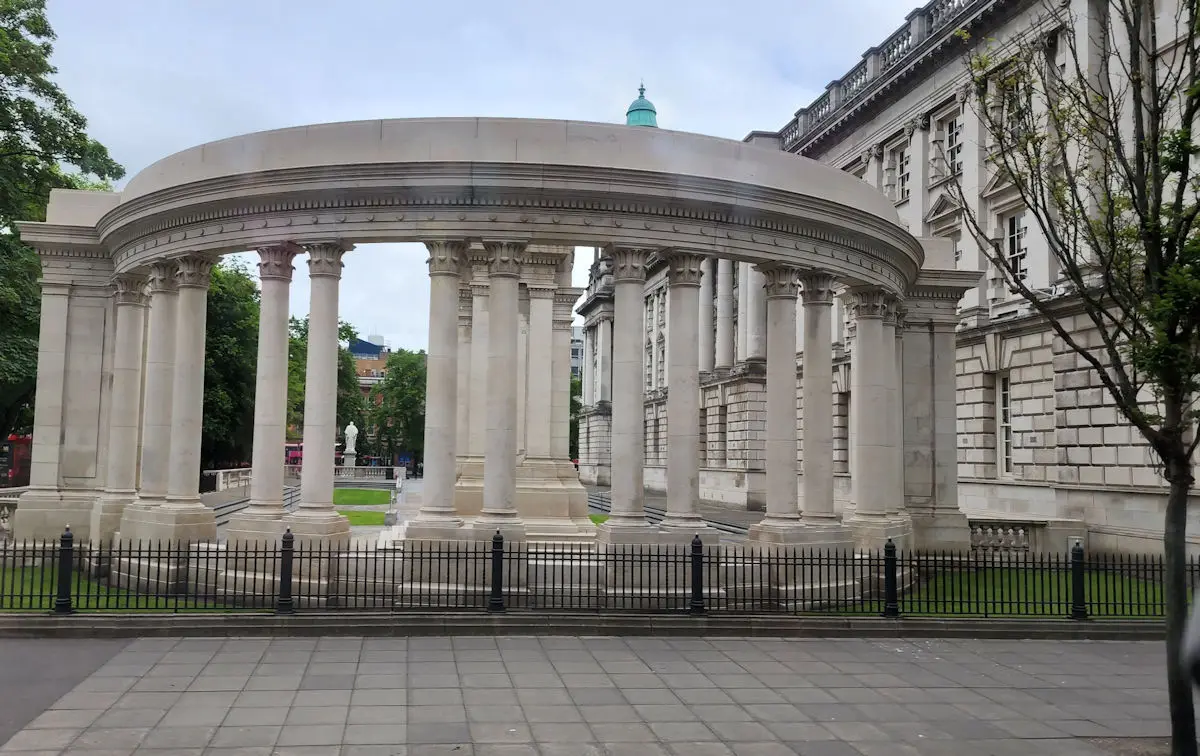
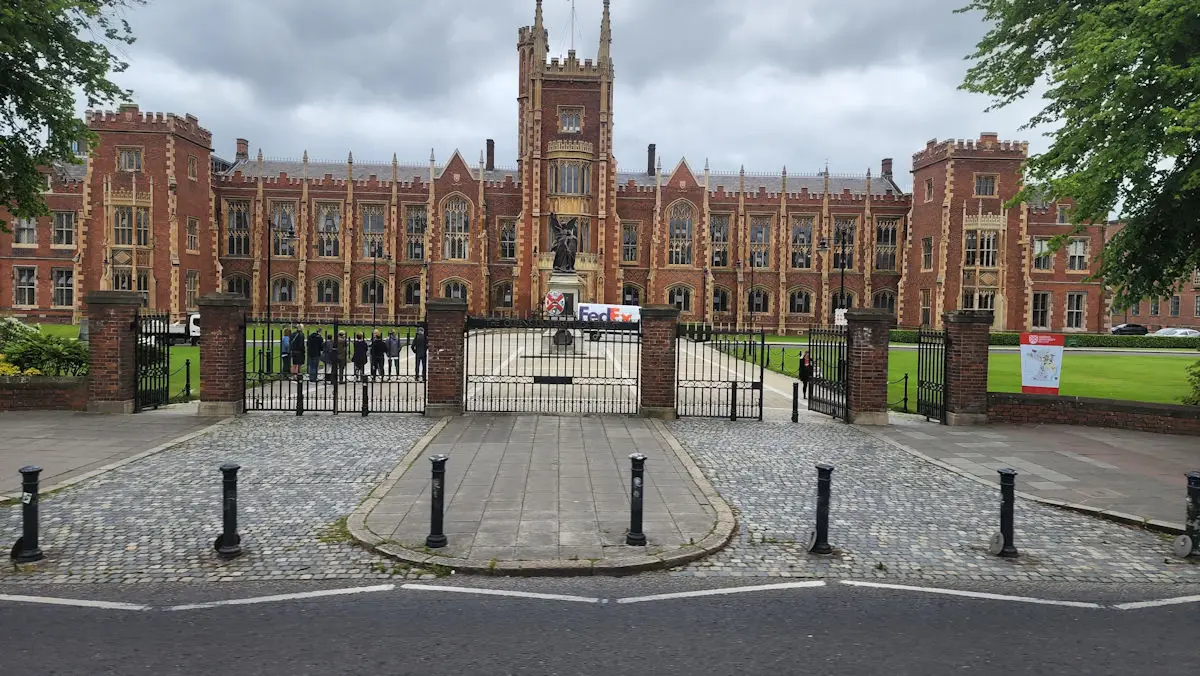
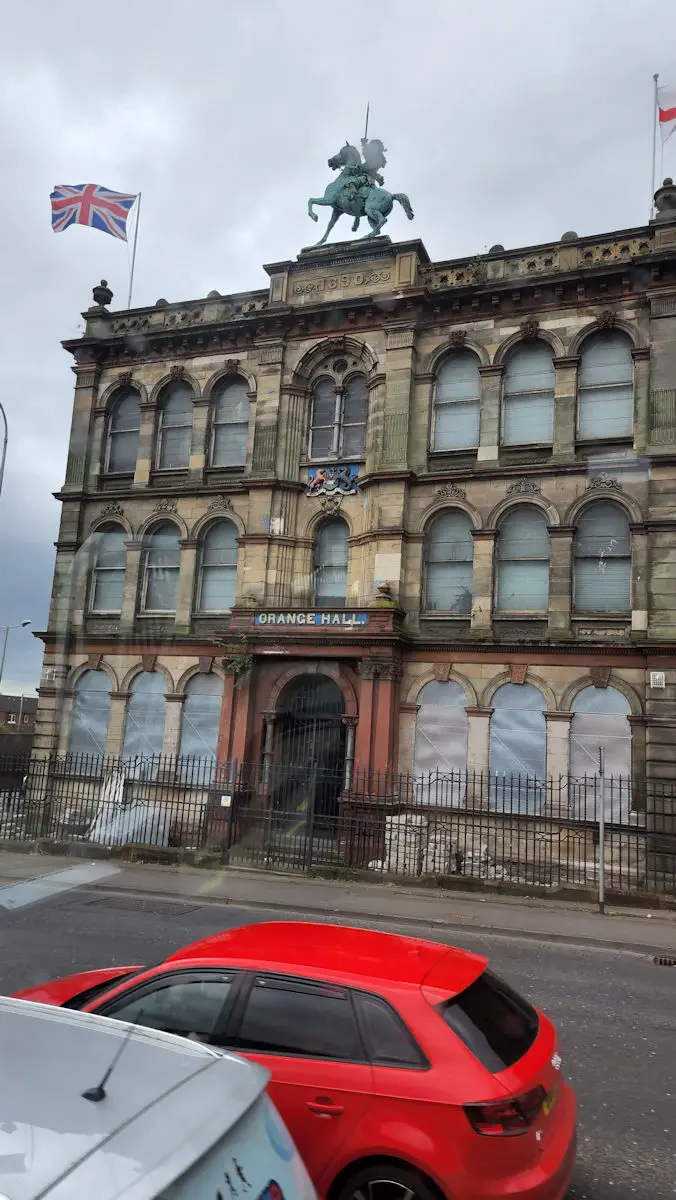
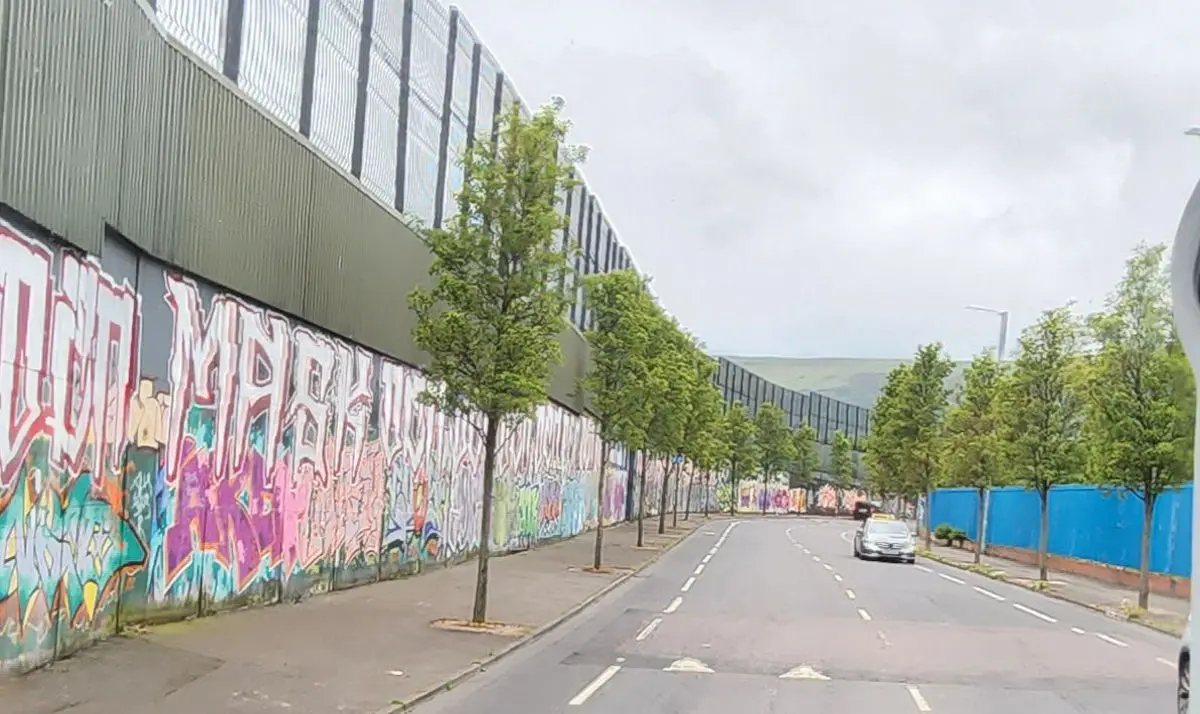
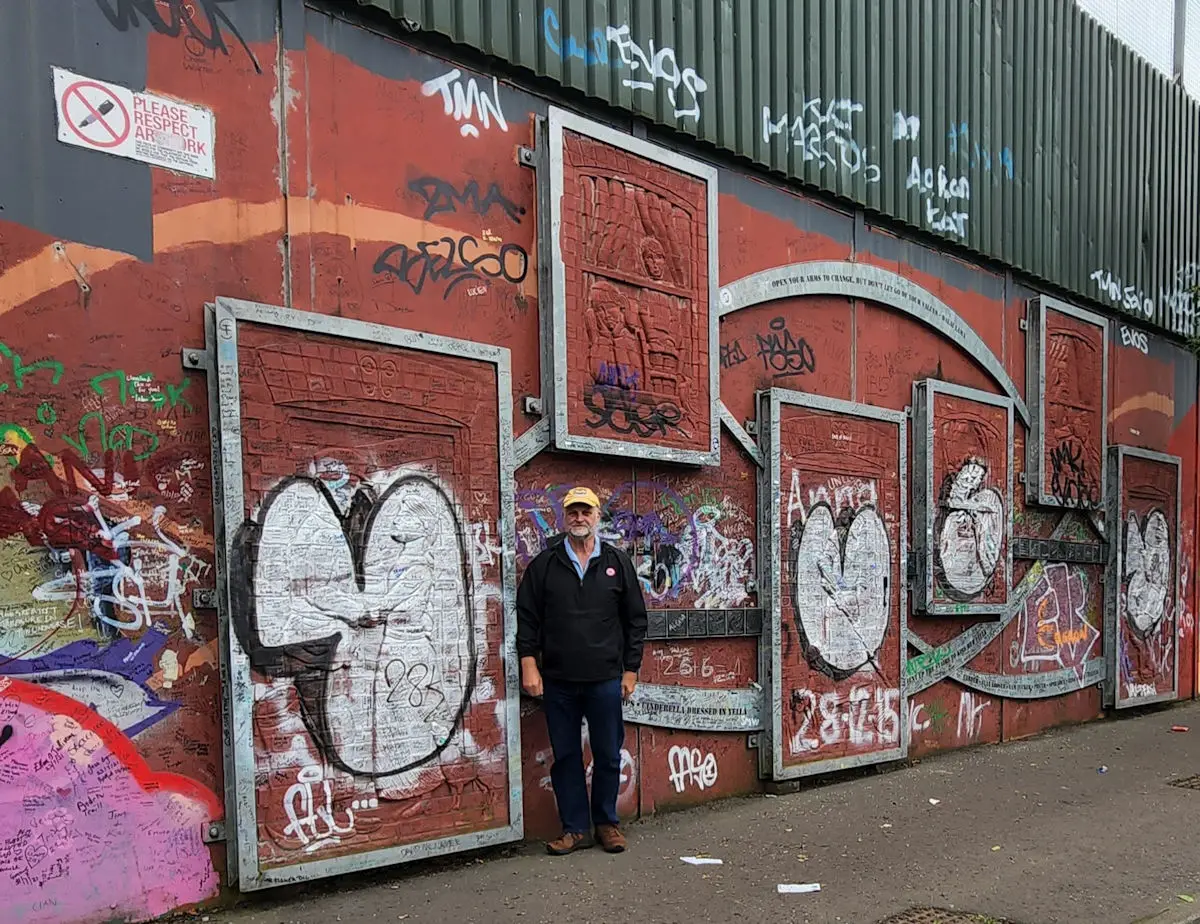
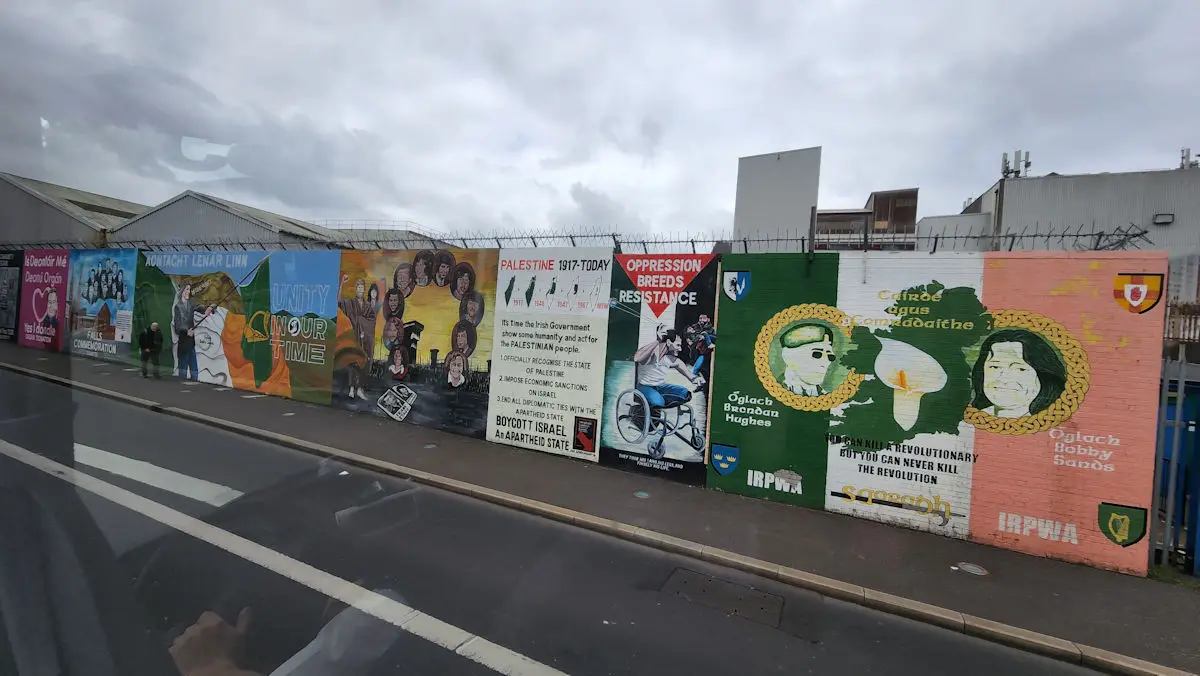
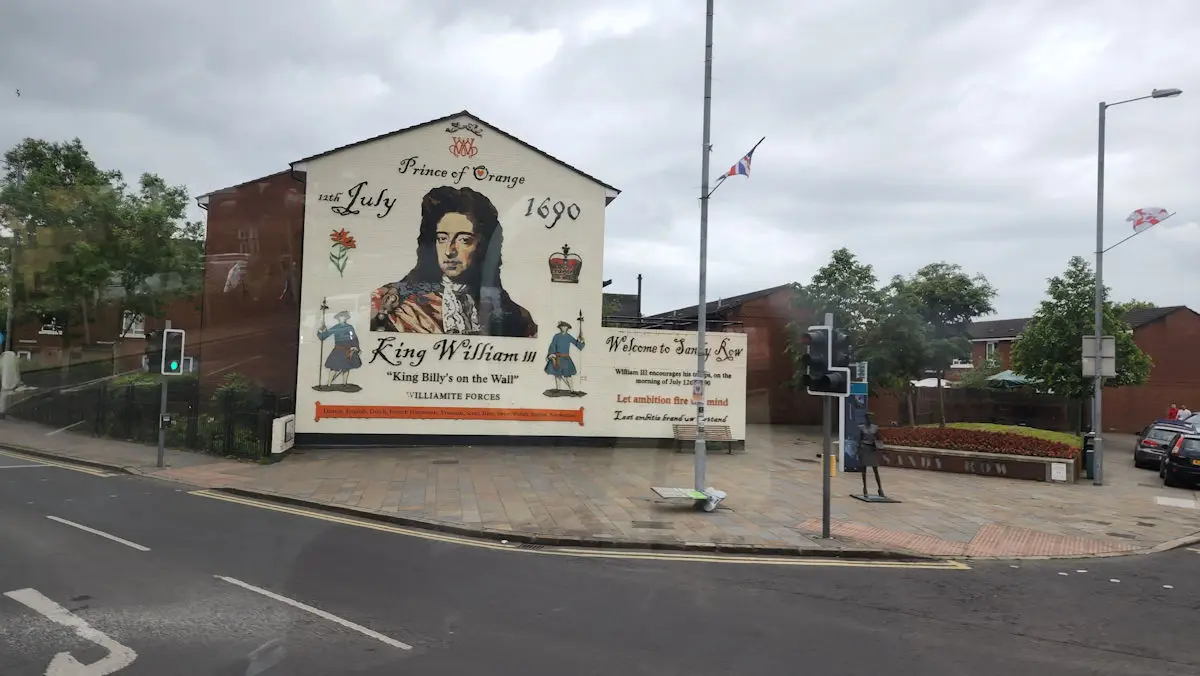
We visited Belfast on 6/13/2022. While there, we toured the city. the Titanic Quarter, and the wall which separates the Catholic and Protestant Zones.
Belfast has a rich history and a unique culture that is influenced by its location at the intersection of Irish, Scottish, and English cultures. The city has been a center of industry and commerce since the 18th century, when it became an important port for the shipment of linen, tobacco, and other goods.
However, Belfast is perhaps best known for the period of conflict that it experienced between the late 1960s and the late 1990s, known as "The Troubles". This was a time of political and sectarian violence between the Protestant and Catholic communities in Northern Ireland, which resulted in thousands of deaths and injuries. Since the Good Friday Agreement was signed in 1998, Belfast has made significant progress in moving past the conflict and developing a more peaceful and inclusive society.
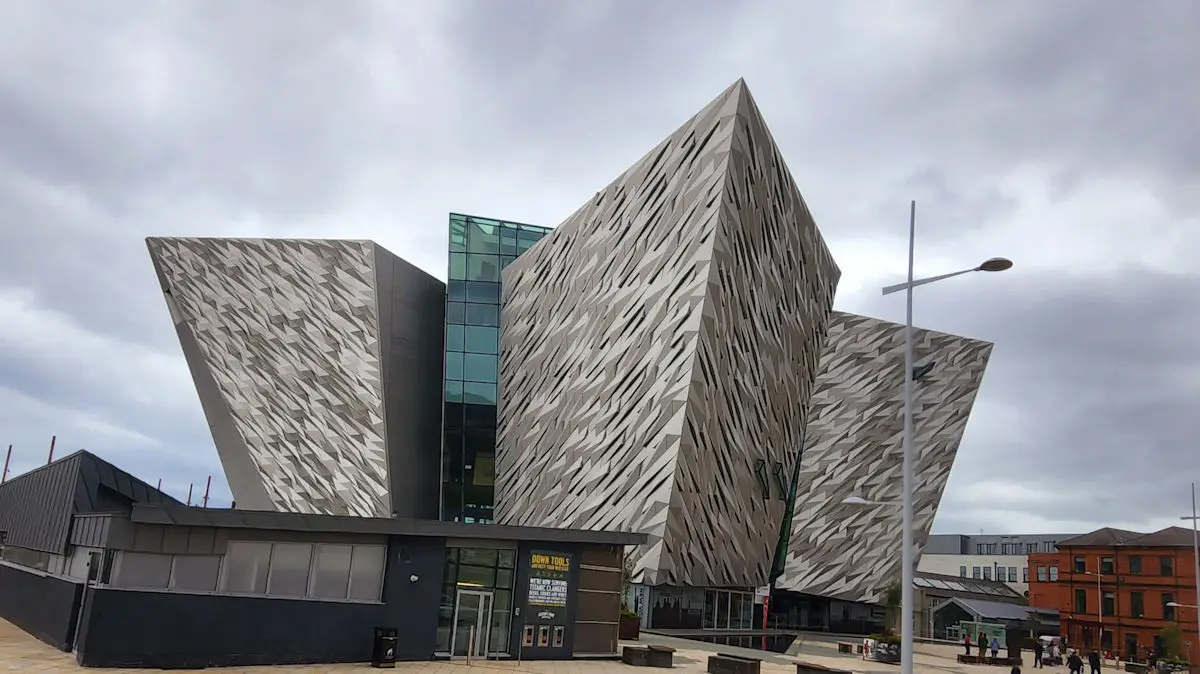
Today, Belfast is a vibrant and diverse city with a thriving arts and culture scene, world-class museums and galleries, and a range of tourist attractions, including the iconic Titanic Belfast museum, which tells the story of the ill-fated ship that was built in the city's shipyards.
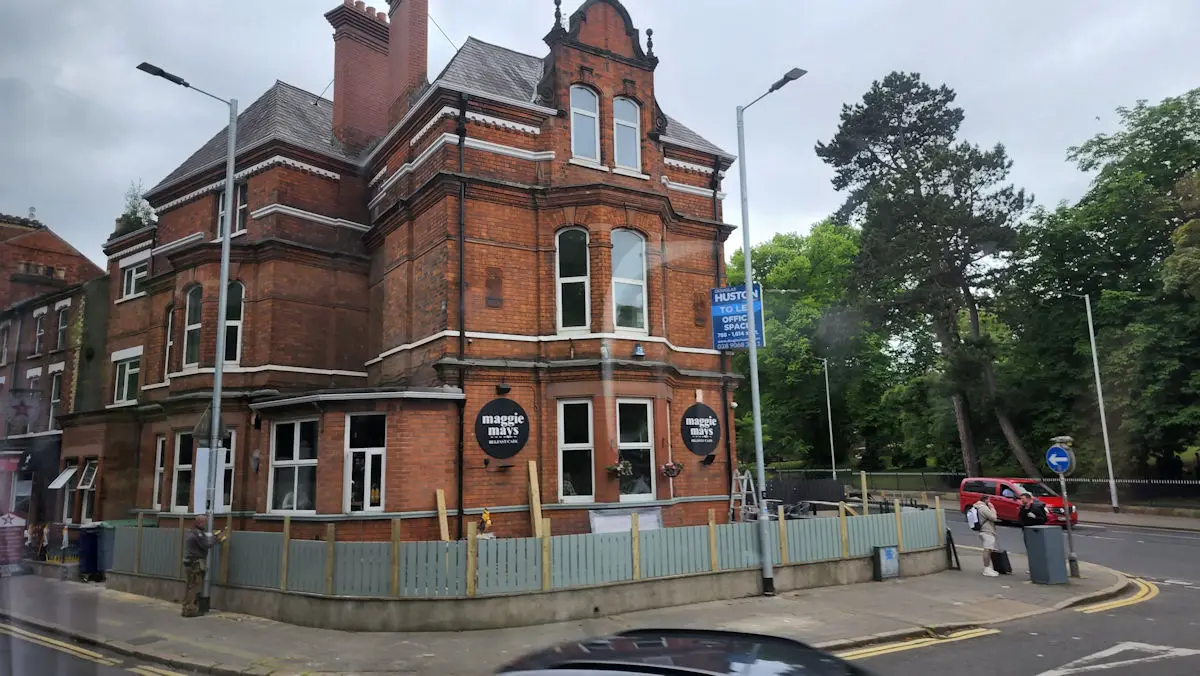
Belfast is also known for its lively pubs, where visitors can enjoy traditional Irish music and dance, as well as its stunning natural scenery, including the beautiful coastline and hills that surround the city. Overall, Belfast is a fascinating and dynamic city with a rich history and culture, and an exciting future ahead.
Looking for a place to stay? Click here for options.
Looking for things to do? Viator offers numerous tours in the Belfast area. Click here for details.
Pictures from Belfast