

Things to Do at the Isle of Anglesey

Isle of Anglesey, Wales: Druids, Castles, and Coastal Beauty
The Isle of Anglesey is an island in Wales, off the mainland's northwest coast. It is known for its beaches and ancient sites. The island has a rich and fascinating history, dating back to prehistoric times. It was once a stronghold of the Druids, and later became an important center of early Christianity. It was also a major hub for the mining and shipping of copper and other minerals during the Industrial Revolution.
We visited the Isle of Anglesey on 6/14/2022. We traveled from Holyhead to the island where we drove along the north coast to Beaumaris, Bodwyn, Cemaes, Bull's Bay, Amlwch, Llanallgo, Red Wharf Bay, and Llanfairpwllgwyngyll. Then returned to Holyhead via the Four Mile Bridge and Trearddur Bay.
Druids and Romans
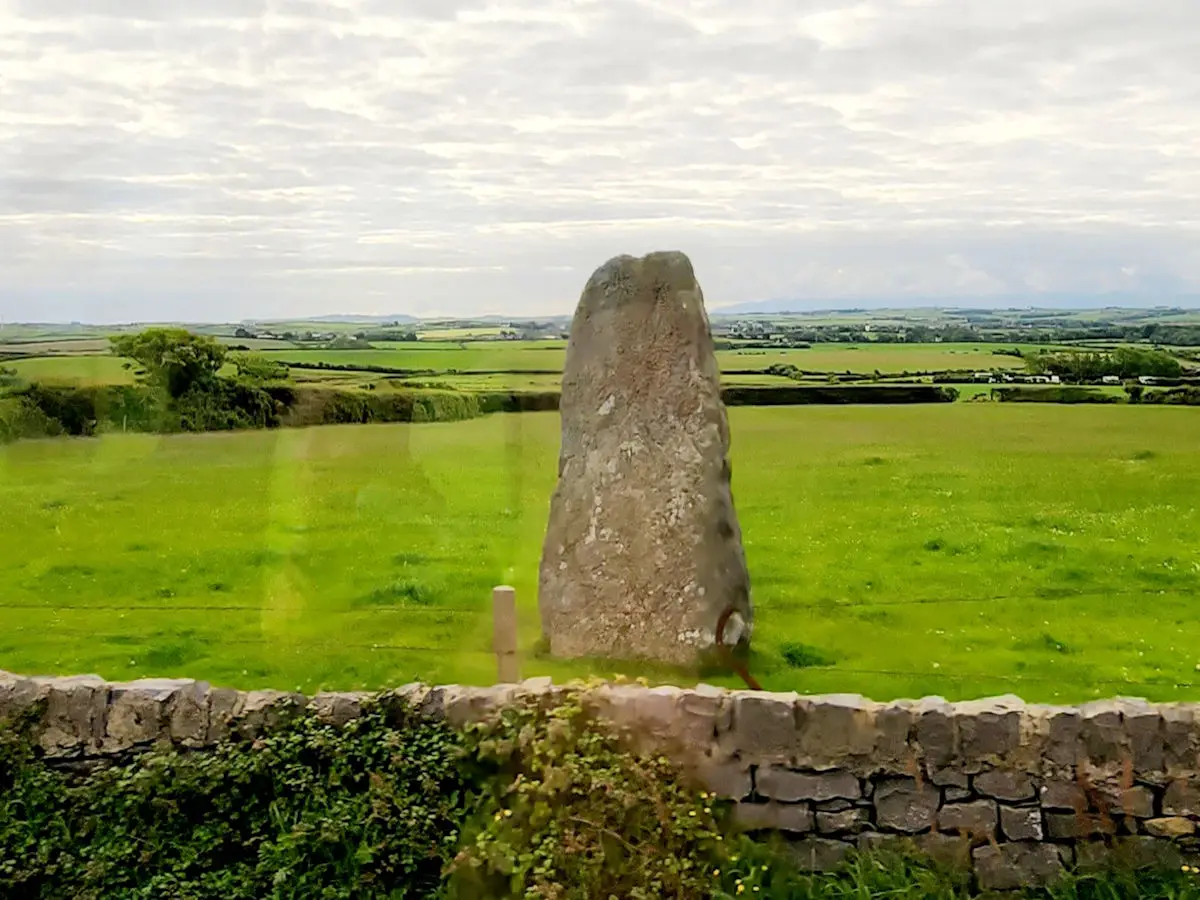
Anglesey has long been associated with the druids. There are numerous megalithic monuments and menhirs (standing stones) on the island. The Roman conquest of Anglesey from the druids began in AD 60 and the island was brought into the Roman Empire in AD 78. During the period of Roman occupation, the area was notable for the mining of copper.
Towns, Castles, and Beaches
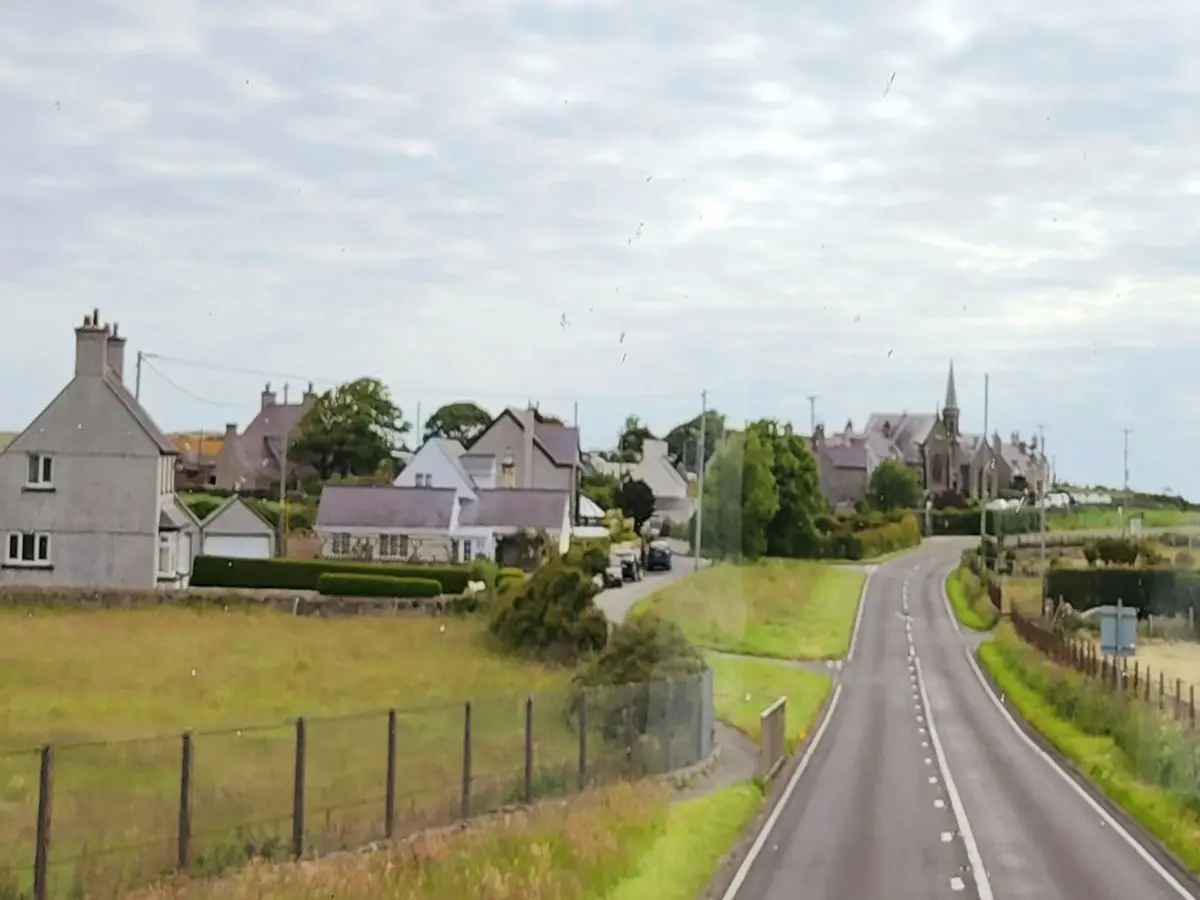
Today, Anglesey is a popular tourist destination, known for its stunning natural beauty and rich cultural heritage. It is home to many picturesque villages and towns, such as Beaumaris, which has a medieval castle and Holyhead, which is the main ferry port for travel to and from Ireland. The island is also known for its beautiful beaches, such as Newborough Beach, and its many opportunities for outdoor activities such as walking, cycling, and water sports.
Nature Reserves
Anglesey is also home to several important nature reserves, such as the South Stack Cliffs RSPB Reserve, which is a nesting site for a variety of seabirds including puffins and razorbills, and the Cemlyn Nature Reserve, which is a saltwater lagoon that is home to a variety of bird species.
Why Visit Anglesey?
Overall, Anglesey is a beautiful and historically rich island that is well worth a visit for anyone interested in Welsh culture and natural beauty.
Best time to visit the Isle of Anglesey is from May to September (longest days and mildest weather).
How to get there: Click here for options.
Looking for a place to stay? Click here for options.
Looking for things to do? Viator offers numerous tours in HolyHead. Click here for details.
Passport/Visa Requirements for Isle of Anglesey
Click here to view the location on the map.
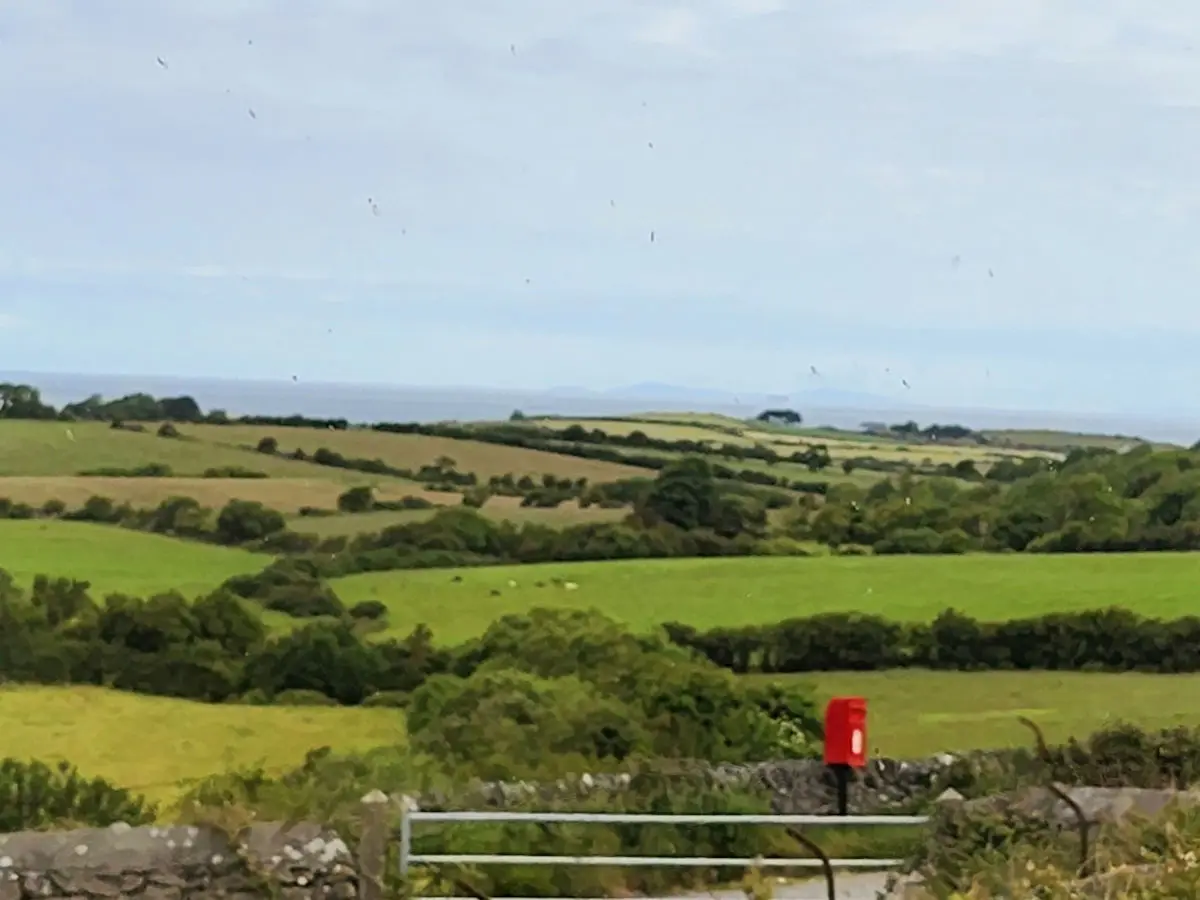
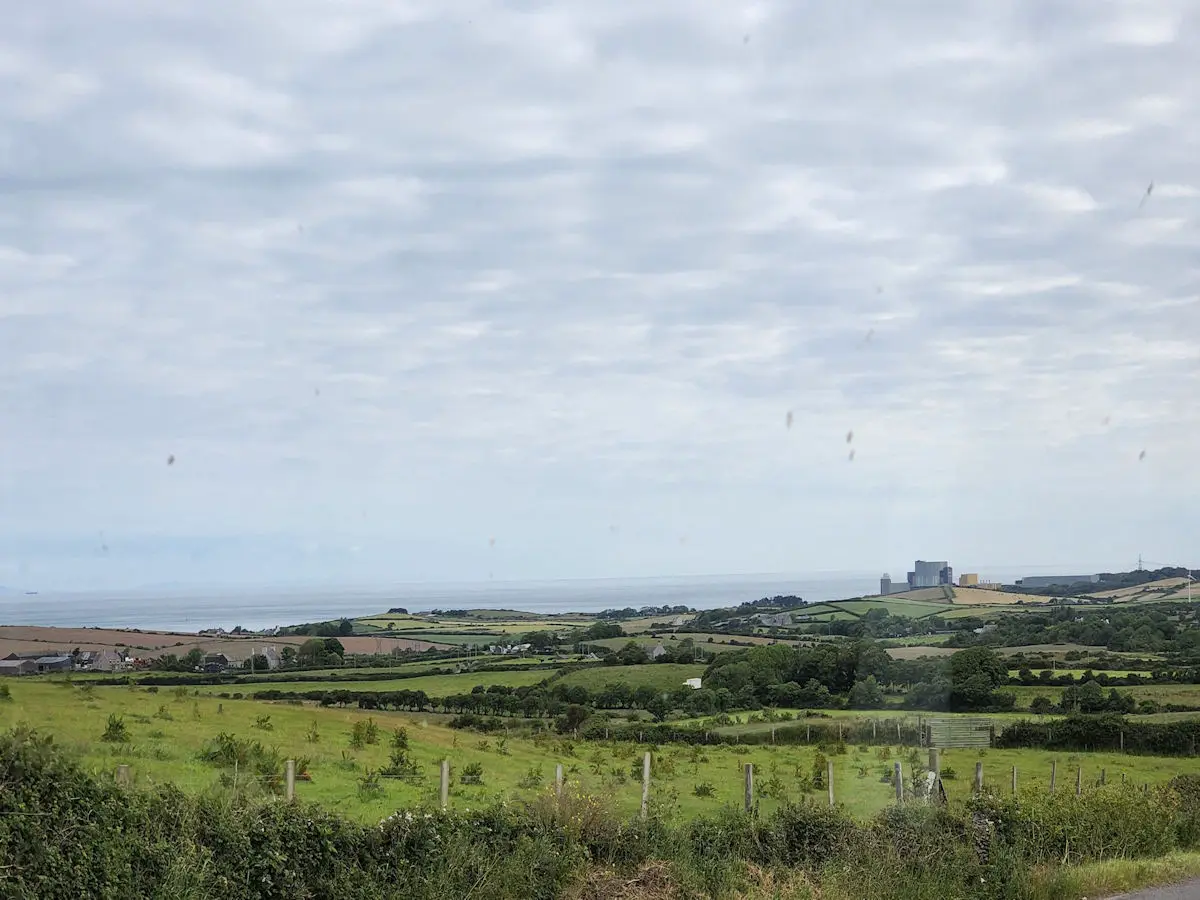
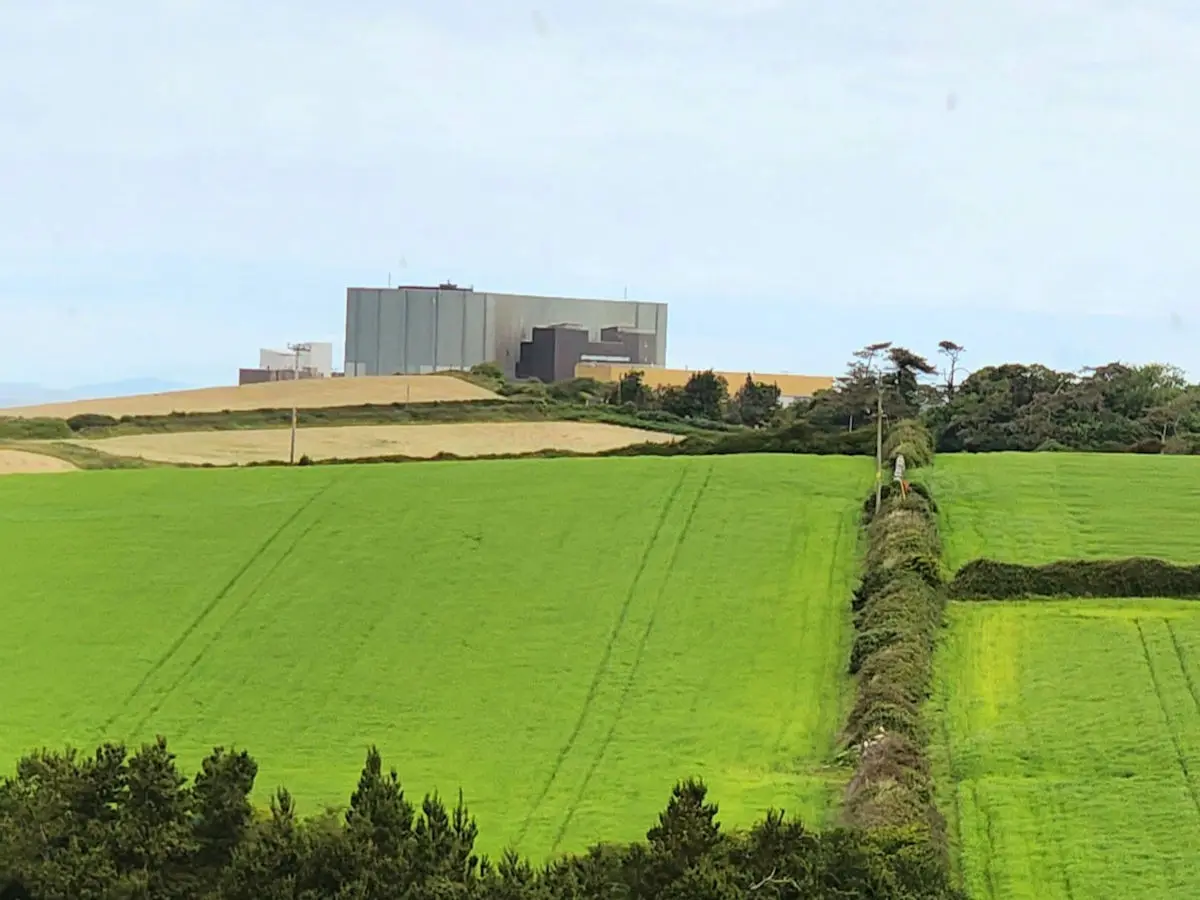
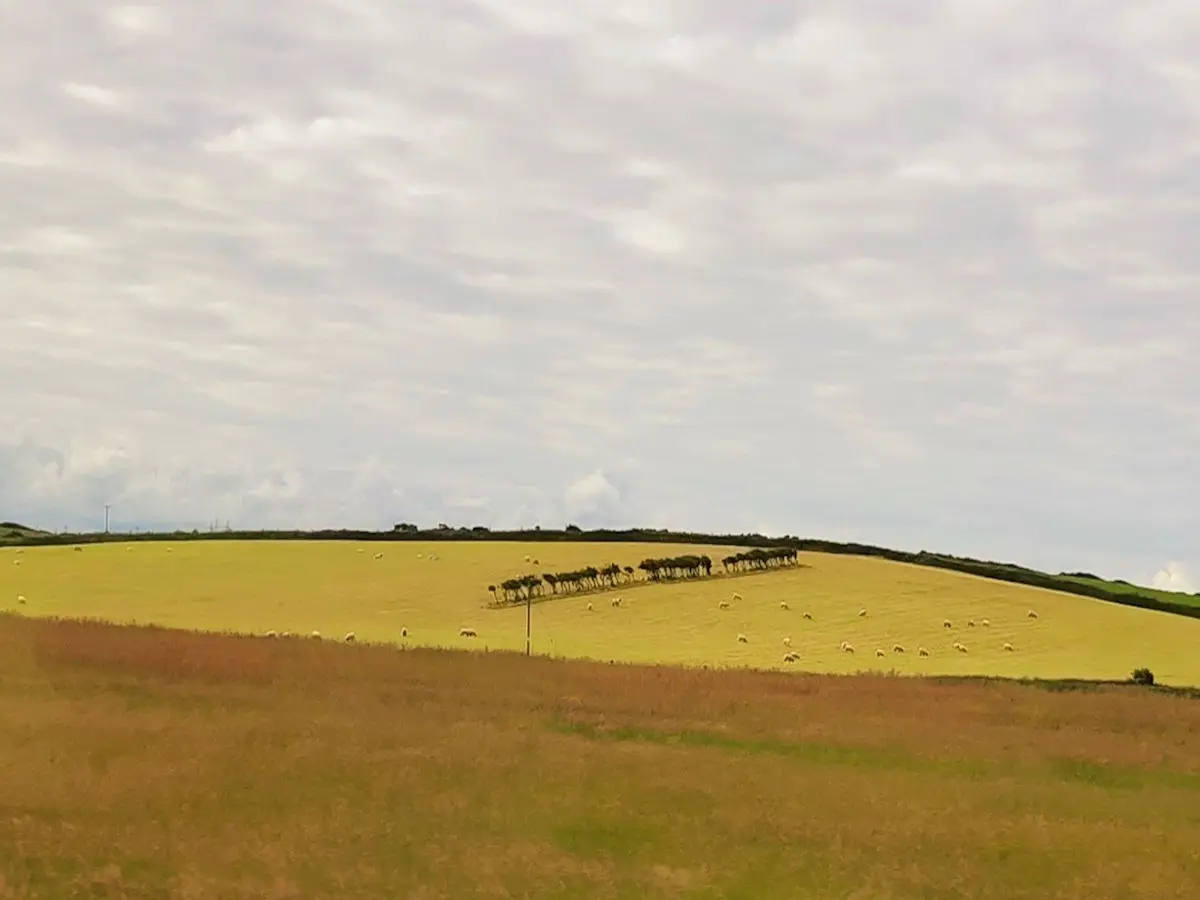
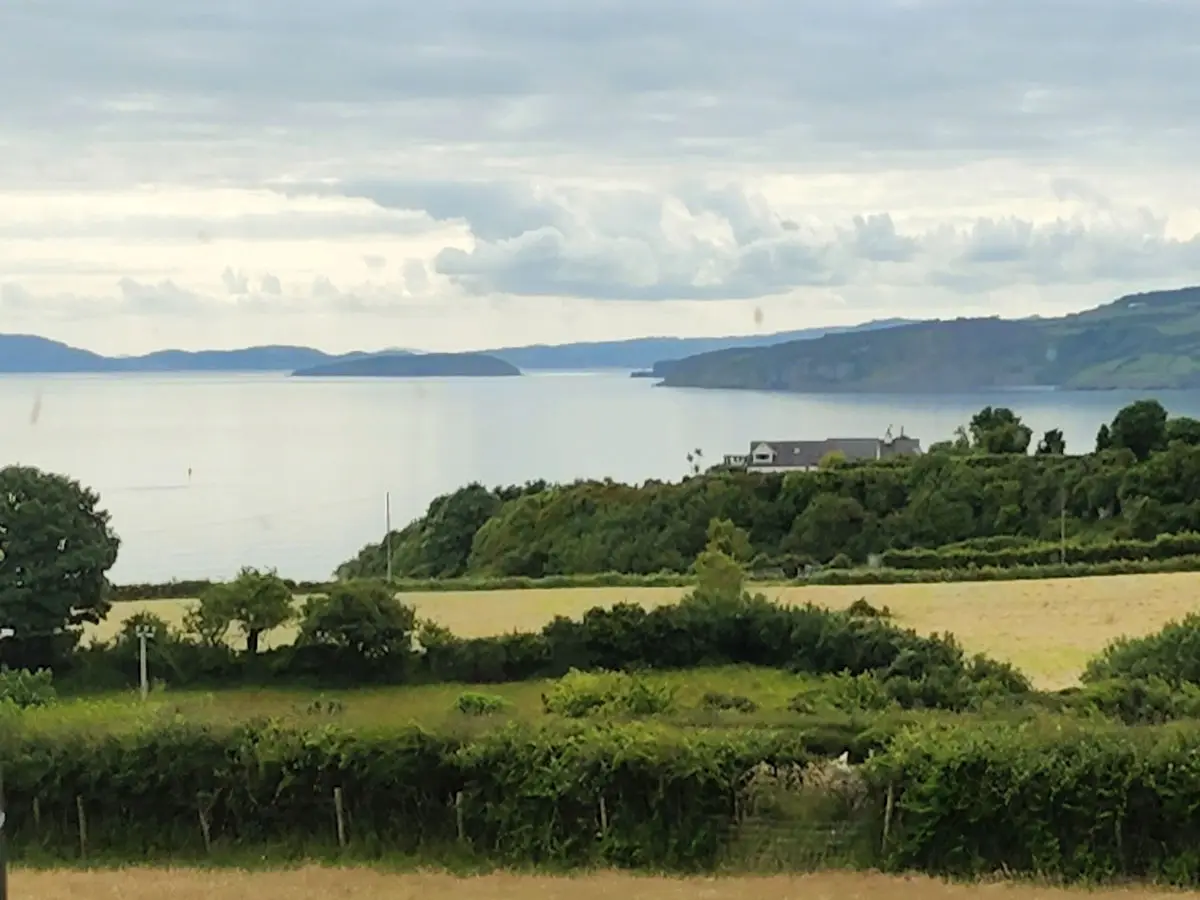
Pictures from Isle of Anglesey
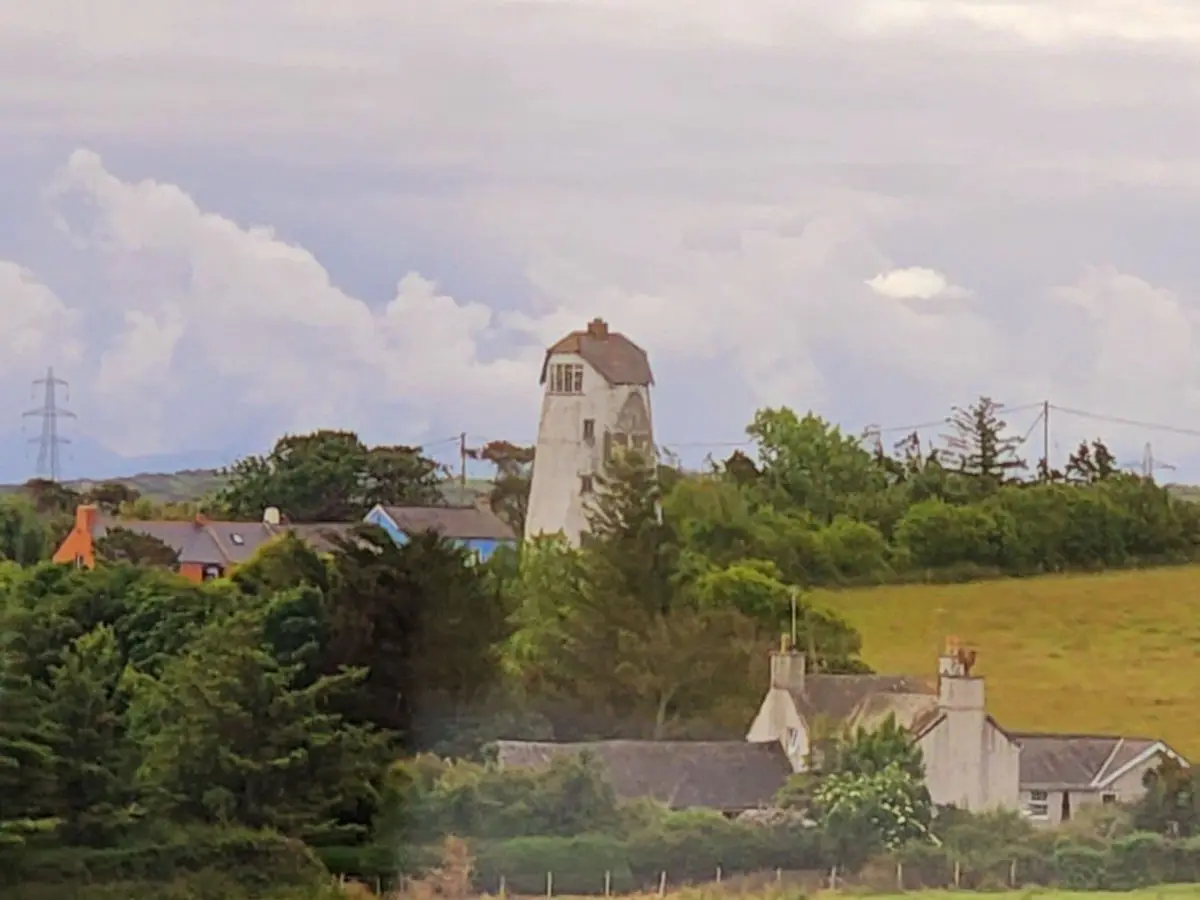
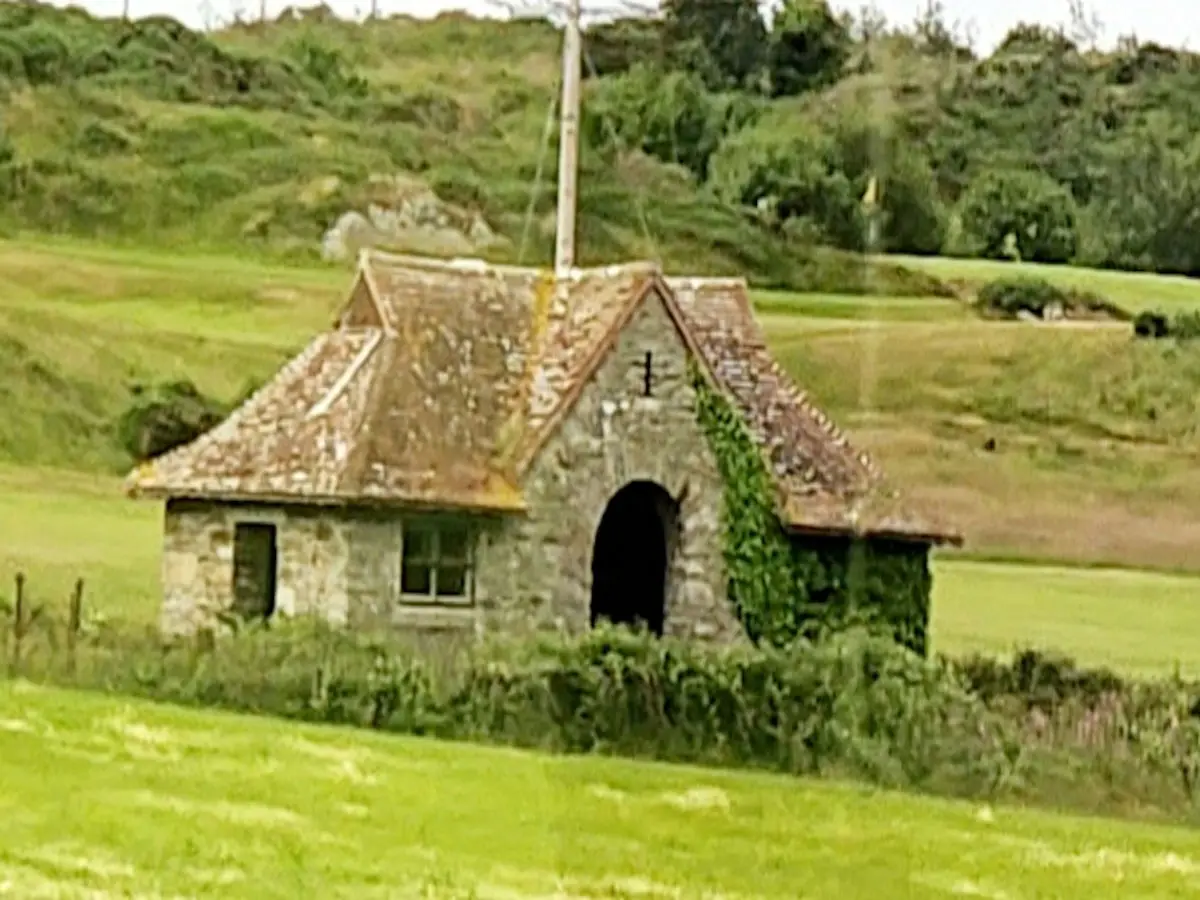
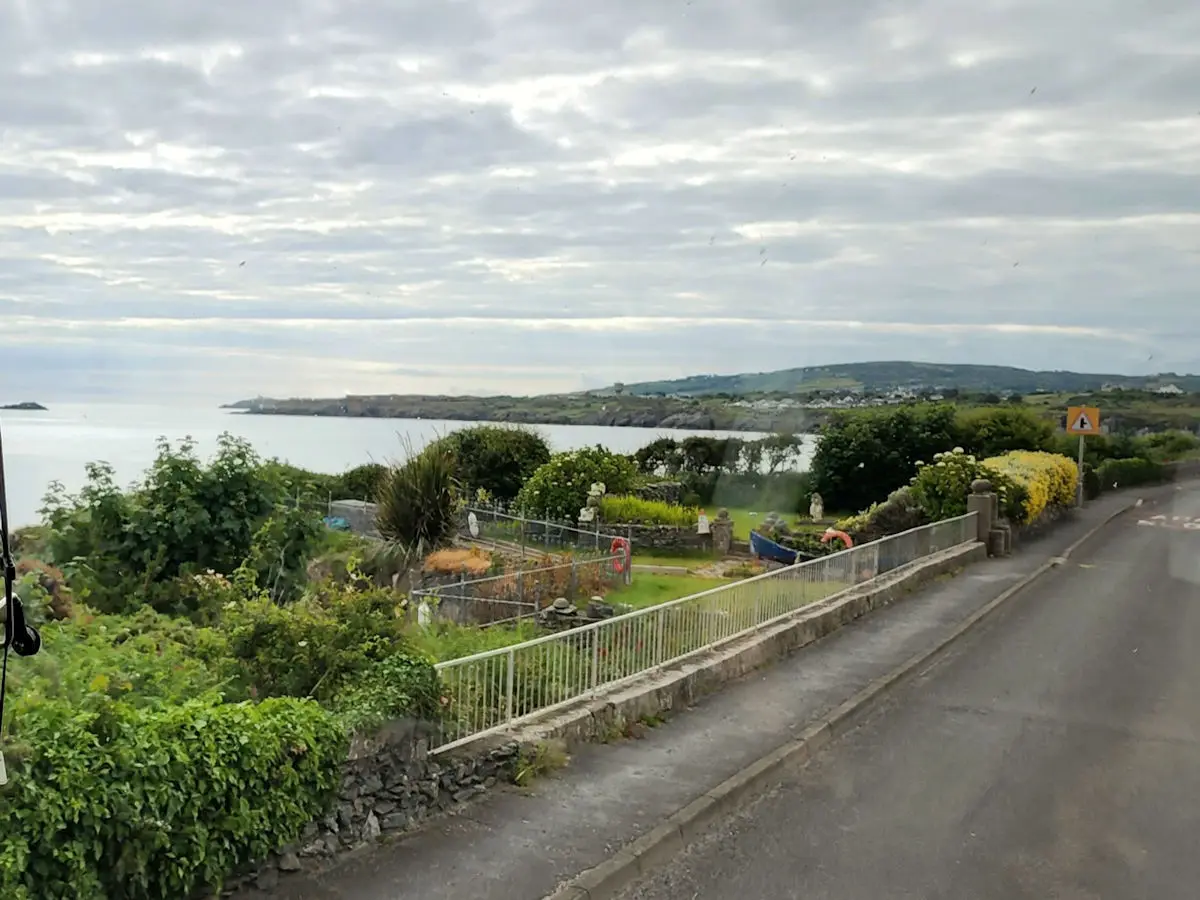
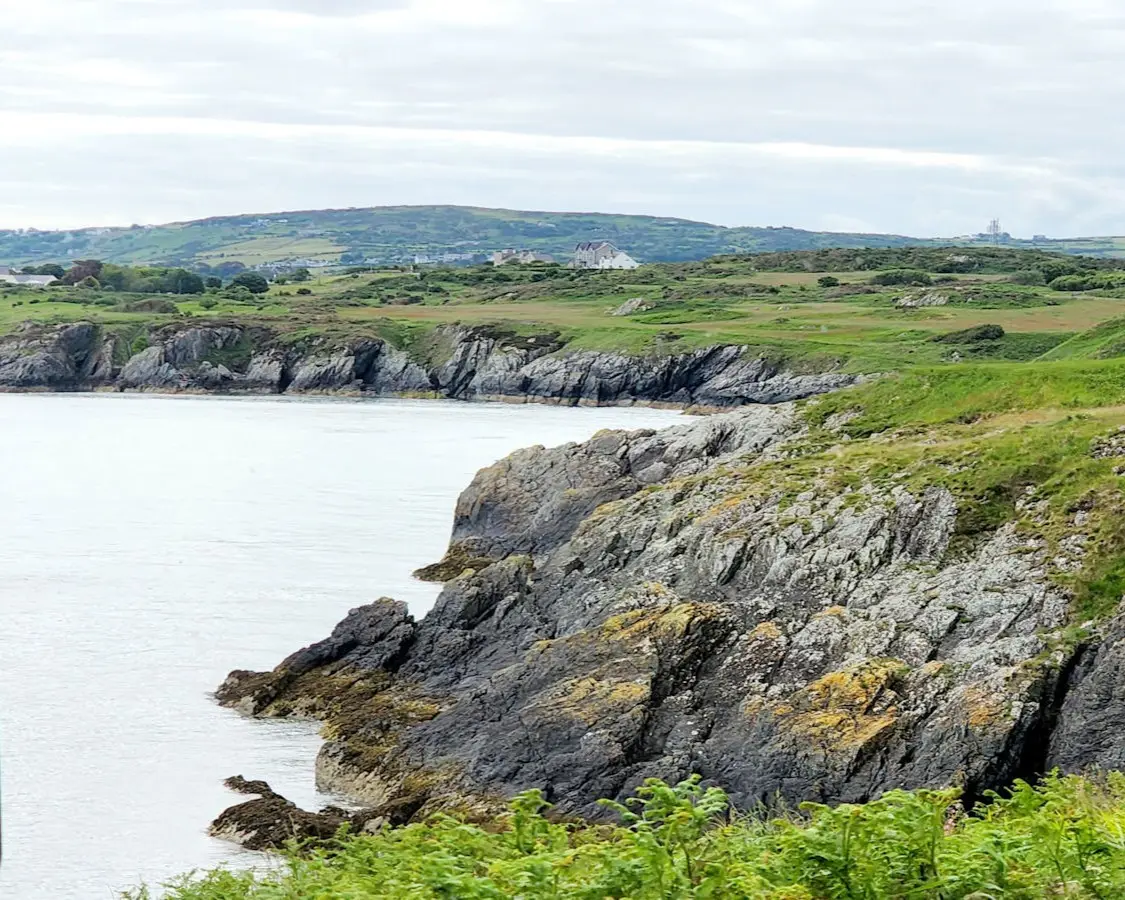
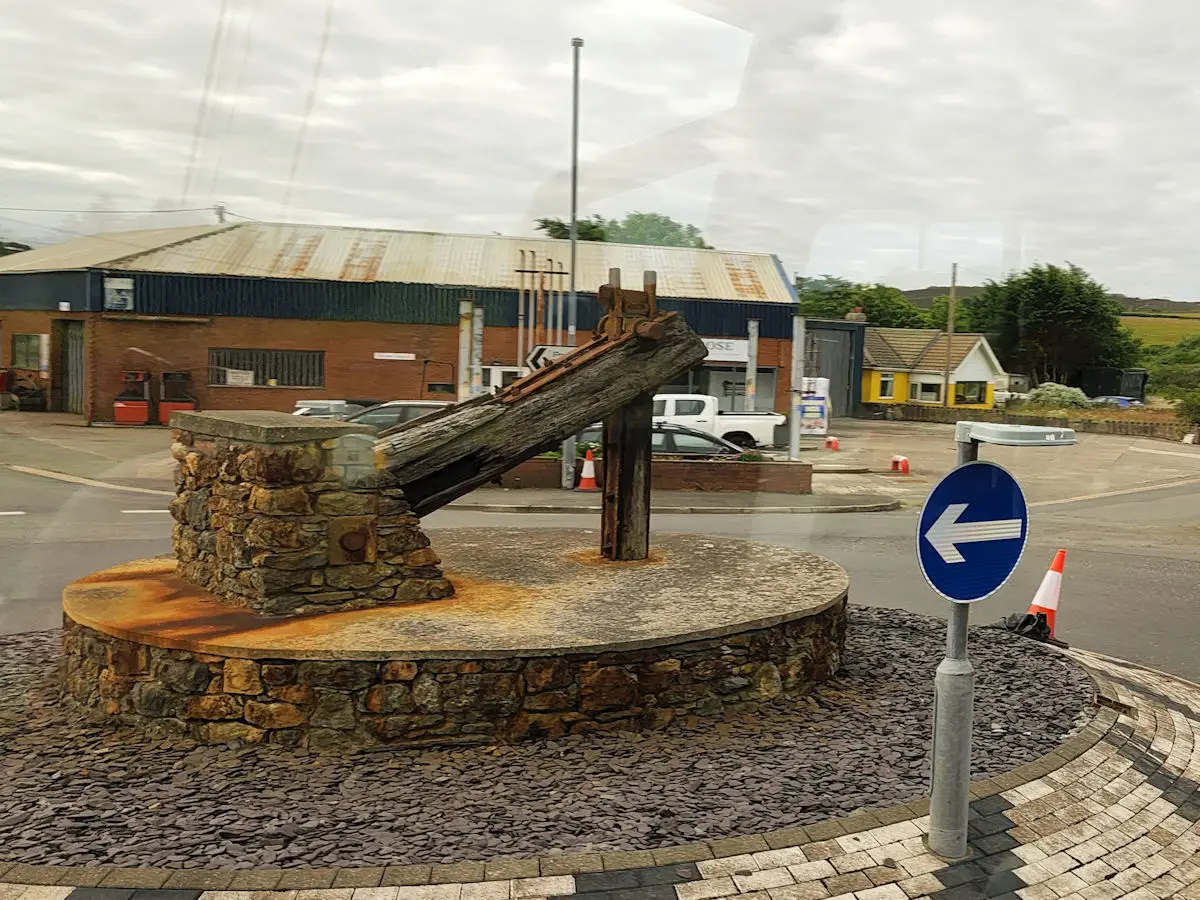
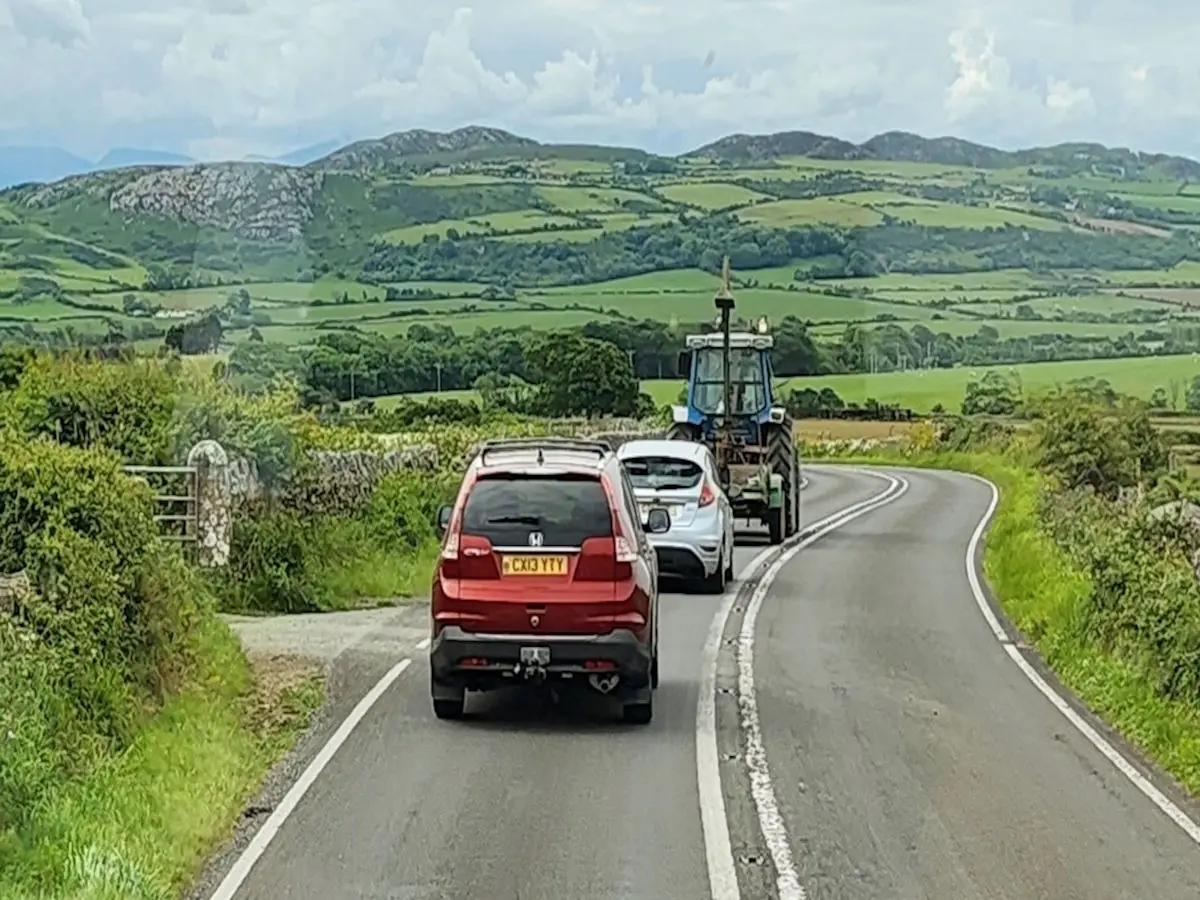
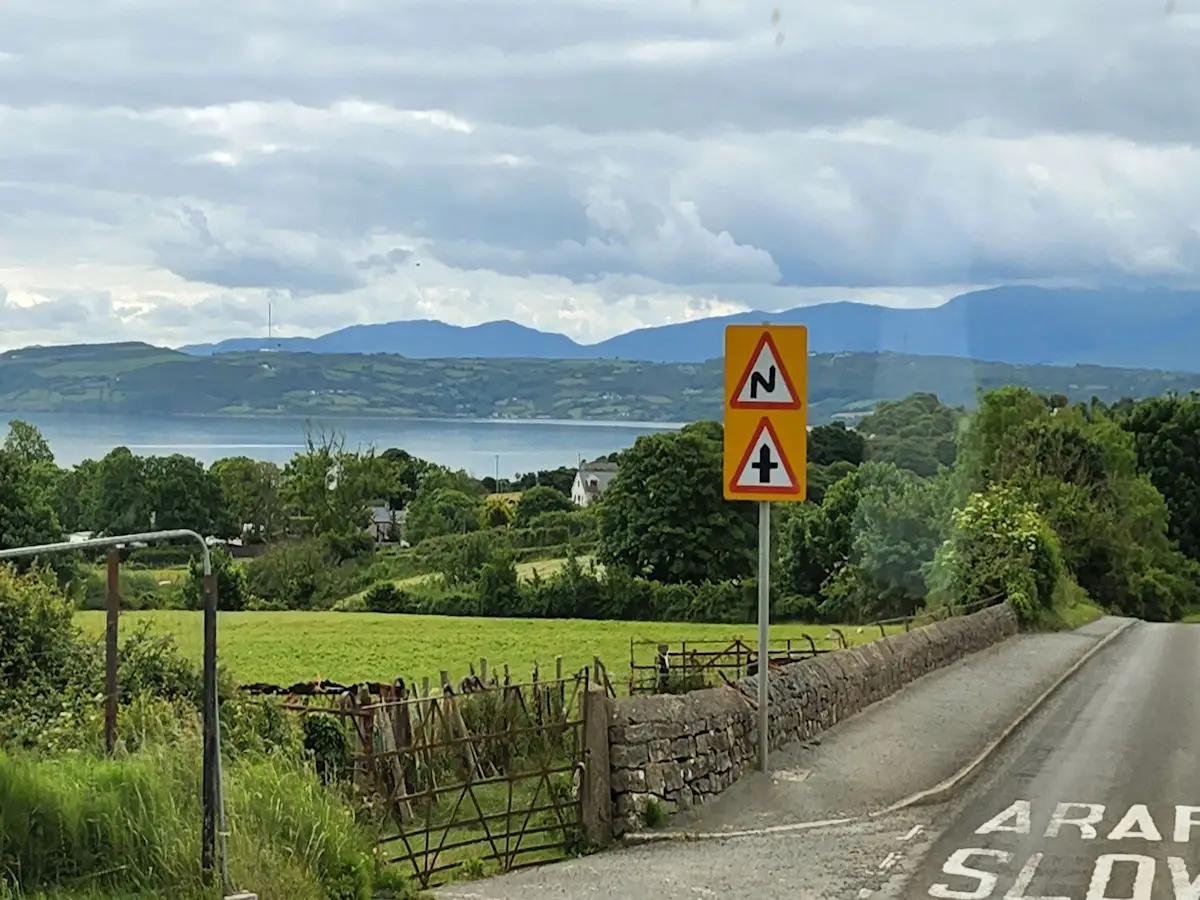
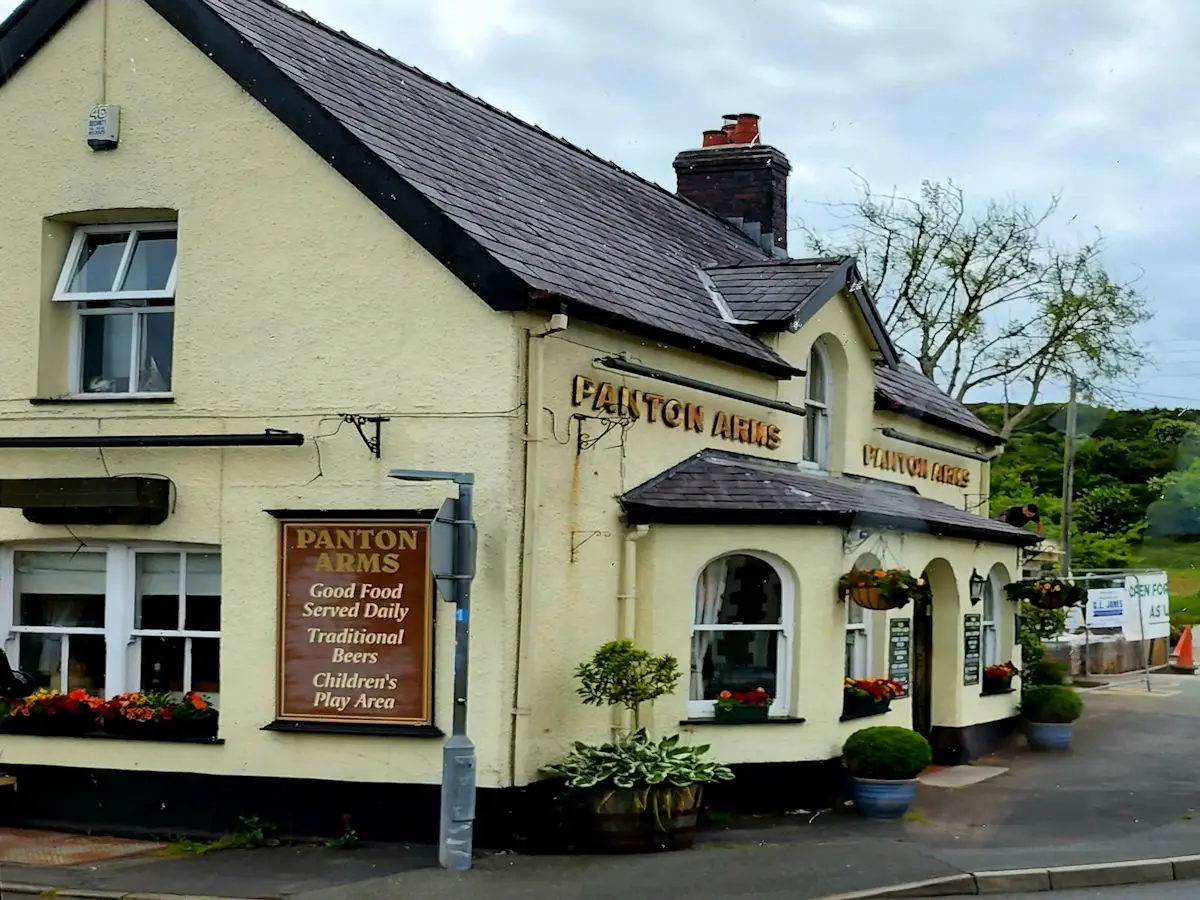
Nearby places we have visited
- Llanfairpwllgwyngyll — 7 miles
- Beaumaris, Wales — 11 miles
- Trearddur Bay, Wales — 11 miles
- Holyhead, Wales — 12 miles
- Royal Hillsborough, NI — 108 miles
- Belfast, Northern Ireland — 112 miles