Gude Adventures | Travel Blog - to 628 Destinations in 64 Nations that we visited
What to see and do in Waterford, Ireland
Booking through these agencies from here will help support this site at no extra cost to you.
Waterford is a seaport in southeast Ireland, is the country’s oldest city
The city is situated on the River Suir, which flows into the Atlantic Ocean. Waterford, It was founded by Vikings in 914 A.D. and parts of its ancient walled core remain. The famous glass manufacturer Waterford Crystal produced crystal in Waterford from 1783 to 2009. Production resumed in the factory in 2010.
We visited Waterford on 6/17/2022. While there we toured the Waterford Crystal factory and the Medieval Museum. Additionally, we visited the numerous sites in the downtown area which is known as the Viking Triangle.
Waterford has a rich history, having been founded by the Vikings in the 9th century. The city played an important role in Irish history, with numerous historic buildings and landmarks, including Reginald's Tower, a 12th-century tower that was once part of the city's fortifications.
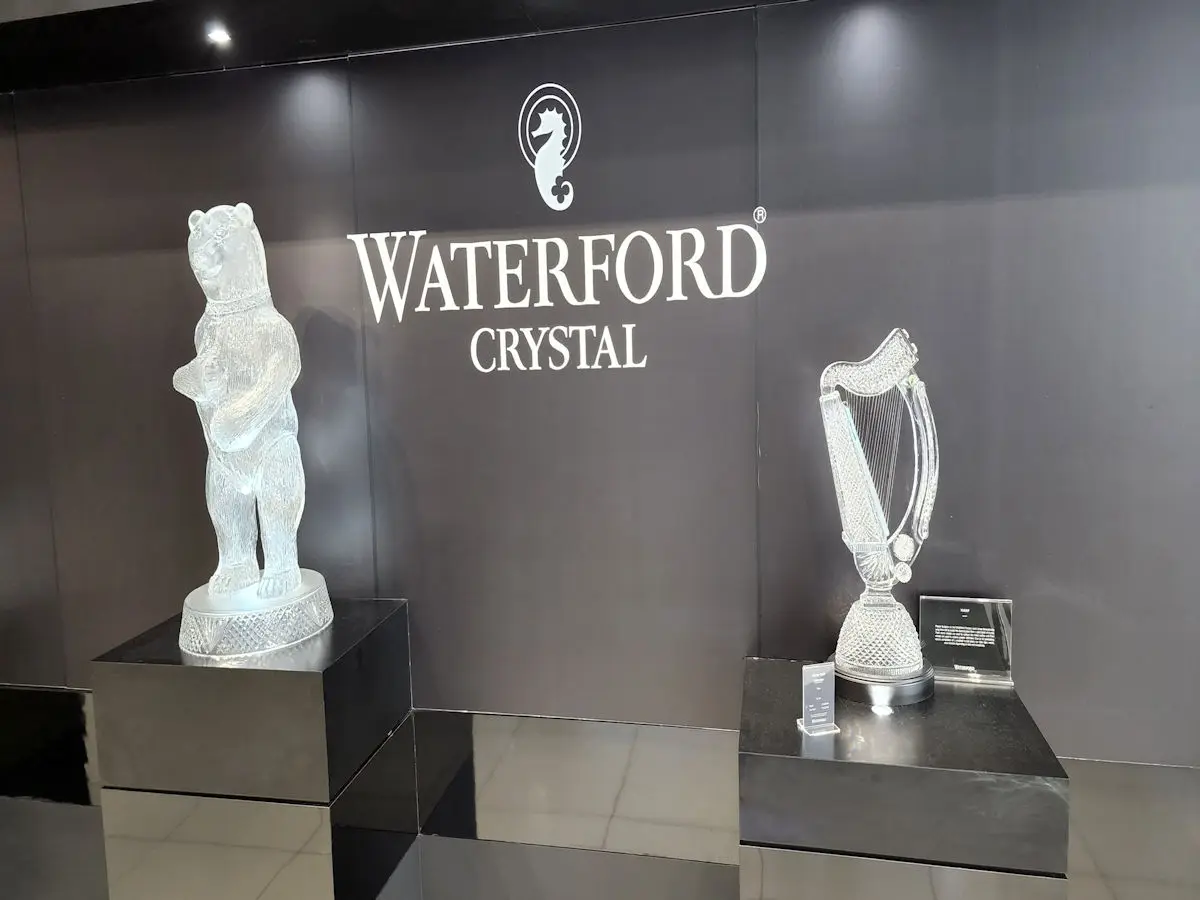
One of the most famous exports of Waterford is Waterford Crystal, which was founded in the city in 1783. The crystal is renowned for its beauty and craftsmanship, and has been used to create gifts for royalty and heads of state around the world.
Waterford is also known for its vibrant cultural scene, with a variety of arts and music festivals held throughout the year, including the Waterford Walls street art festival and the Imagine Arts Festival.
In terms of tourism, Waterford is a popular destination for visitors to Ireland, with a range of attractions including the Waterford Greenway, a 29 mile cycle and walking trail that follows an old railway line, and the Copper Coast Geopark, a UNESCO Global Geopark that spans 11 miles of coastline.
Overall, Waterford is a historic and culturally rich city that is well worth a visit for anyone traveling to Ireland.
Looking for things to do? Viator offers numerous tours in the Waterford area. Click here for details.
Pictures from Waterford
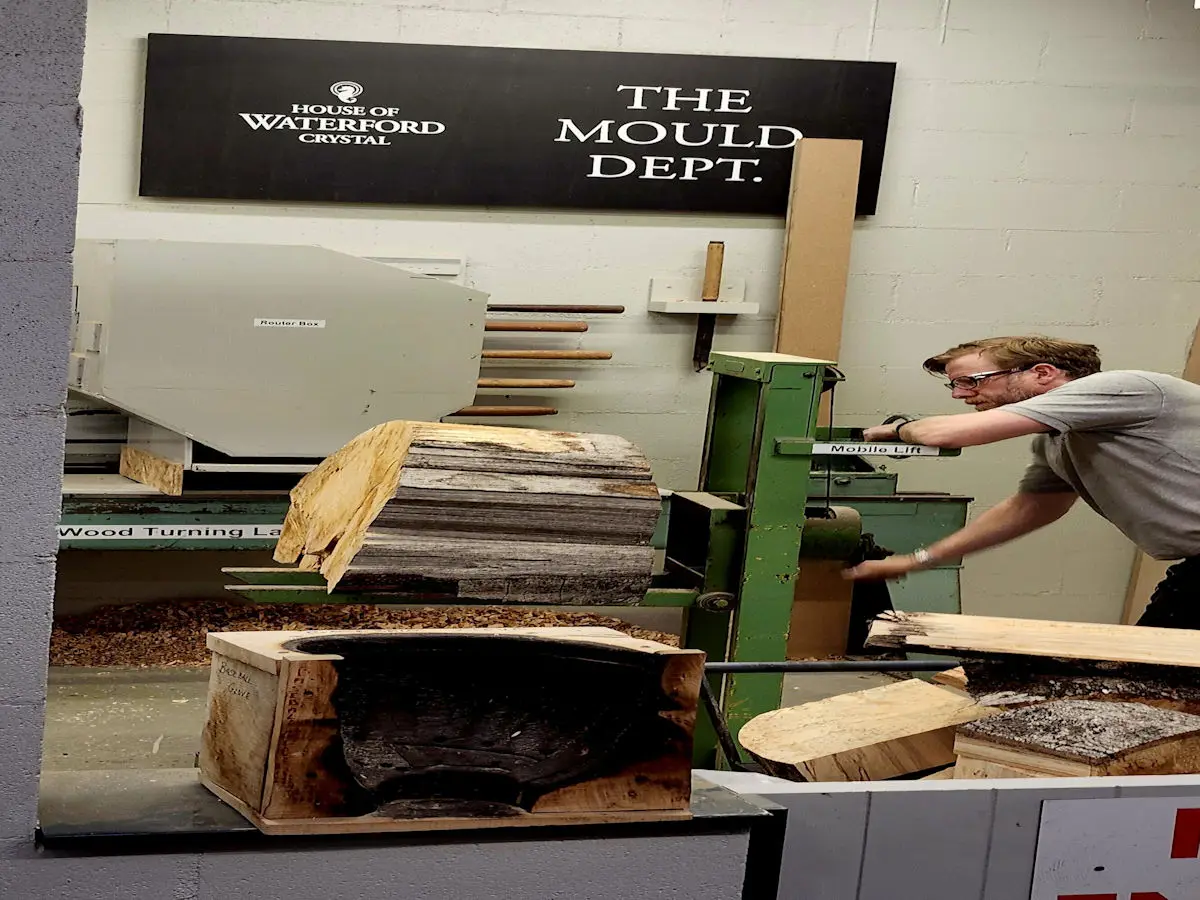
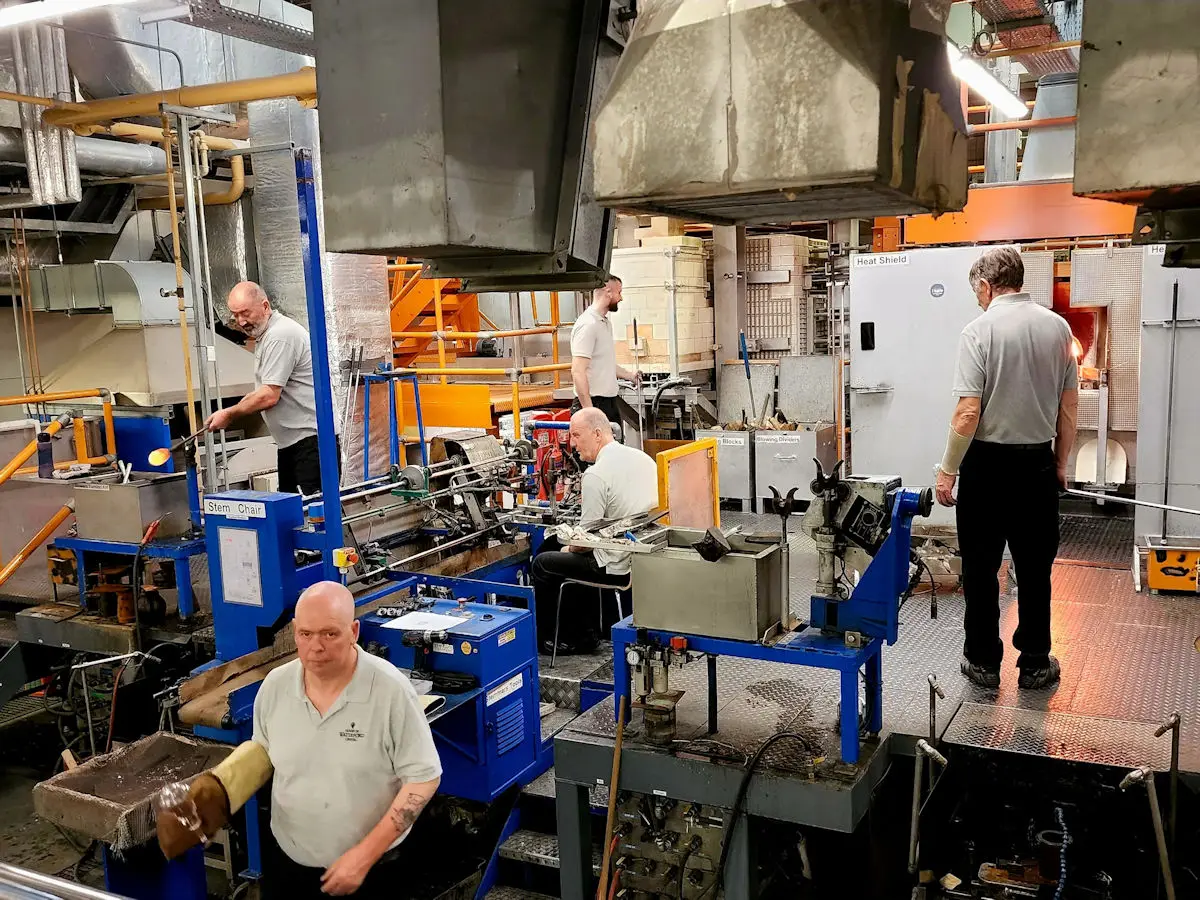
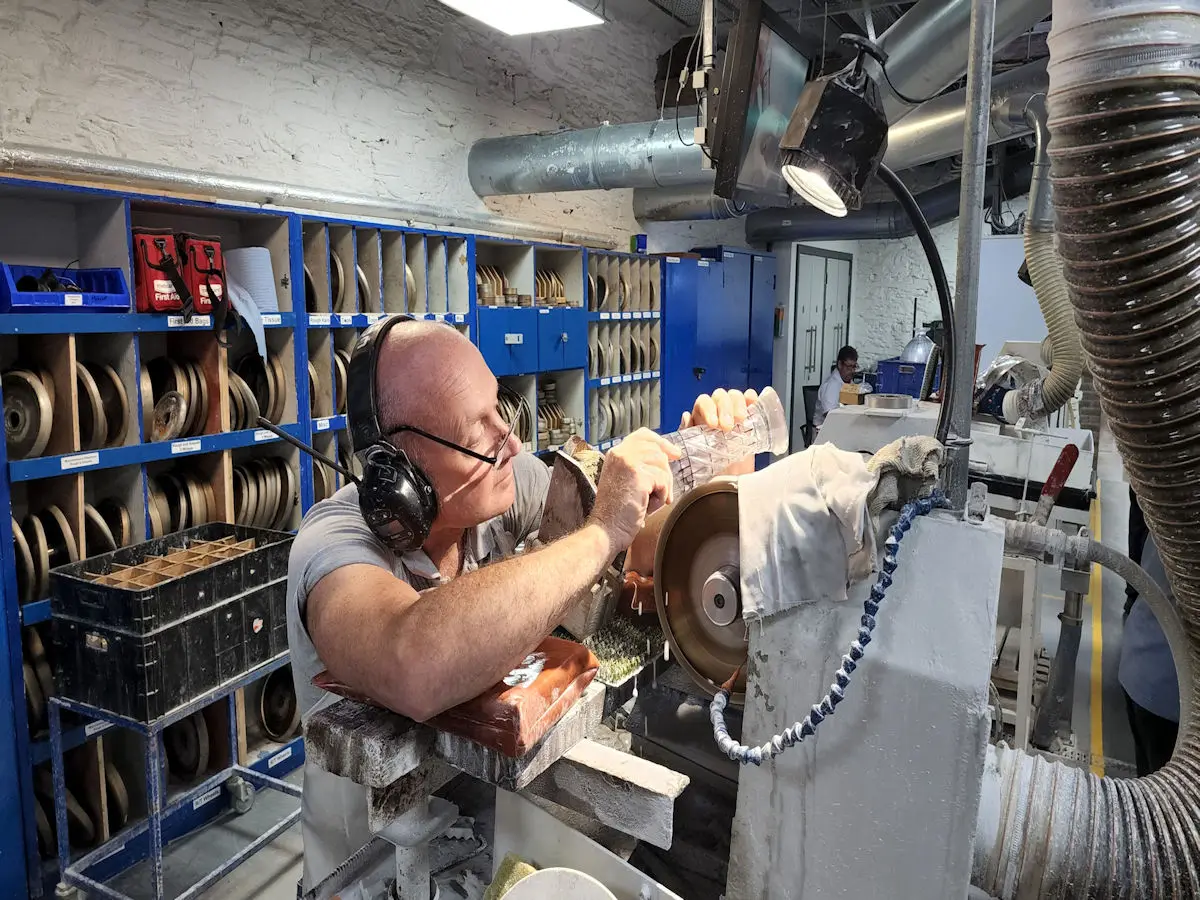
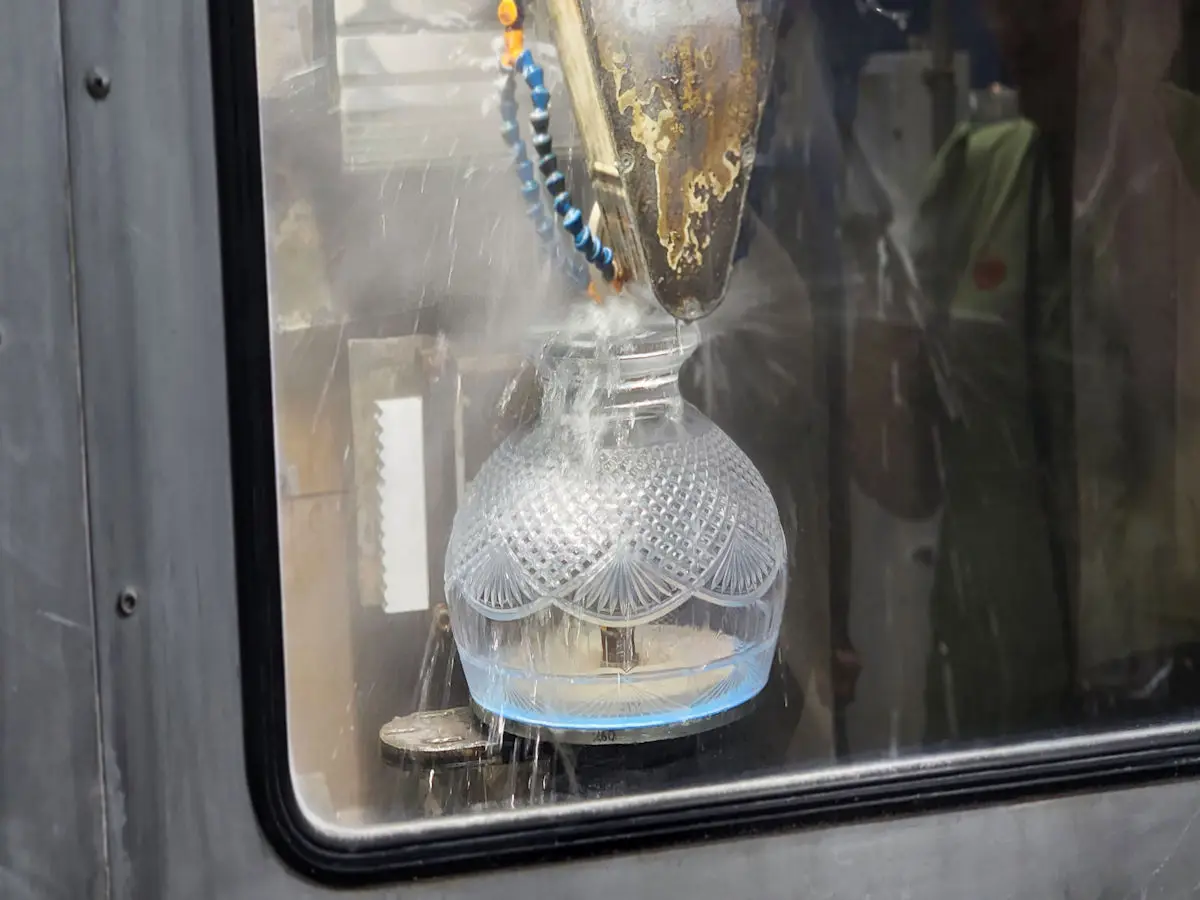
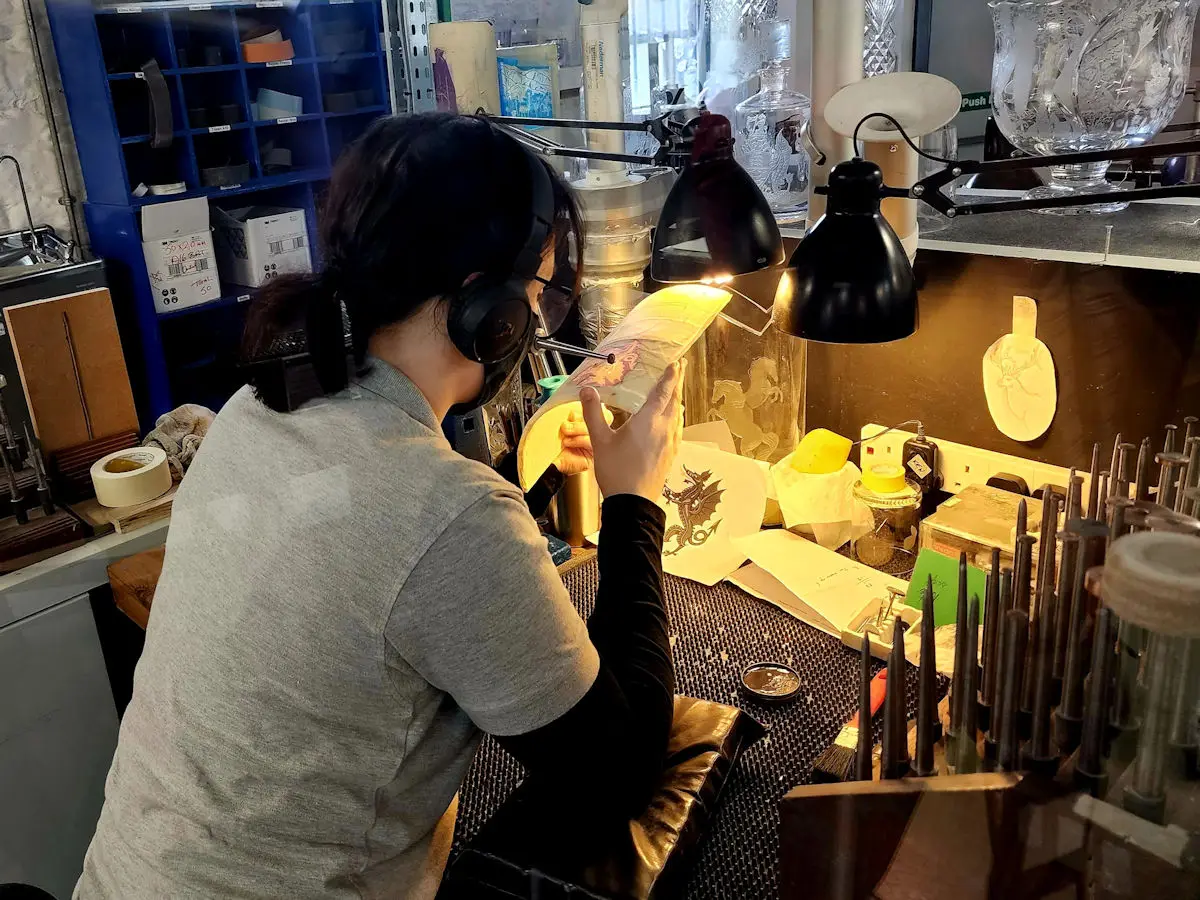
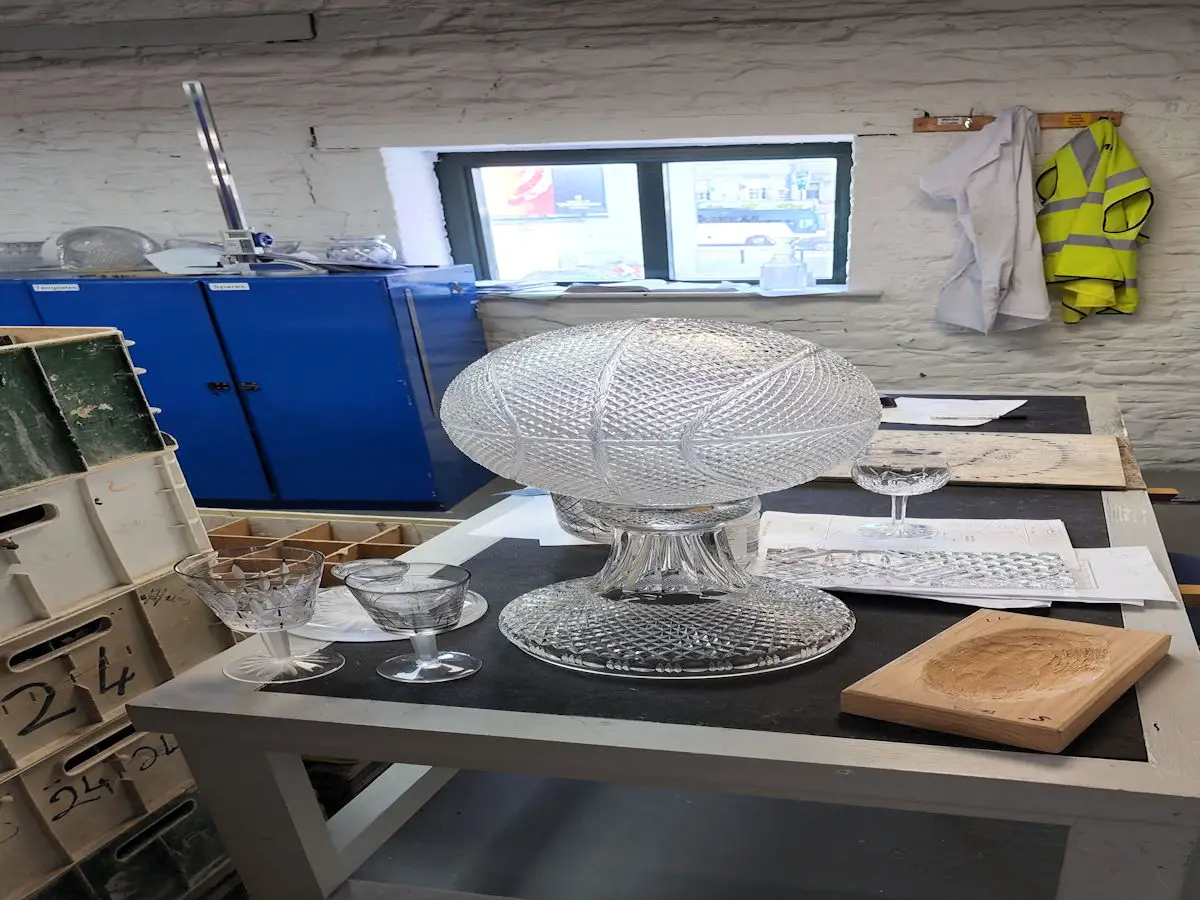
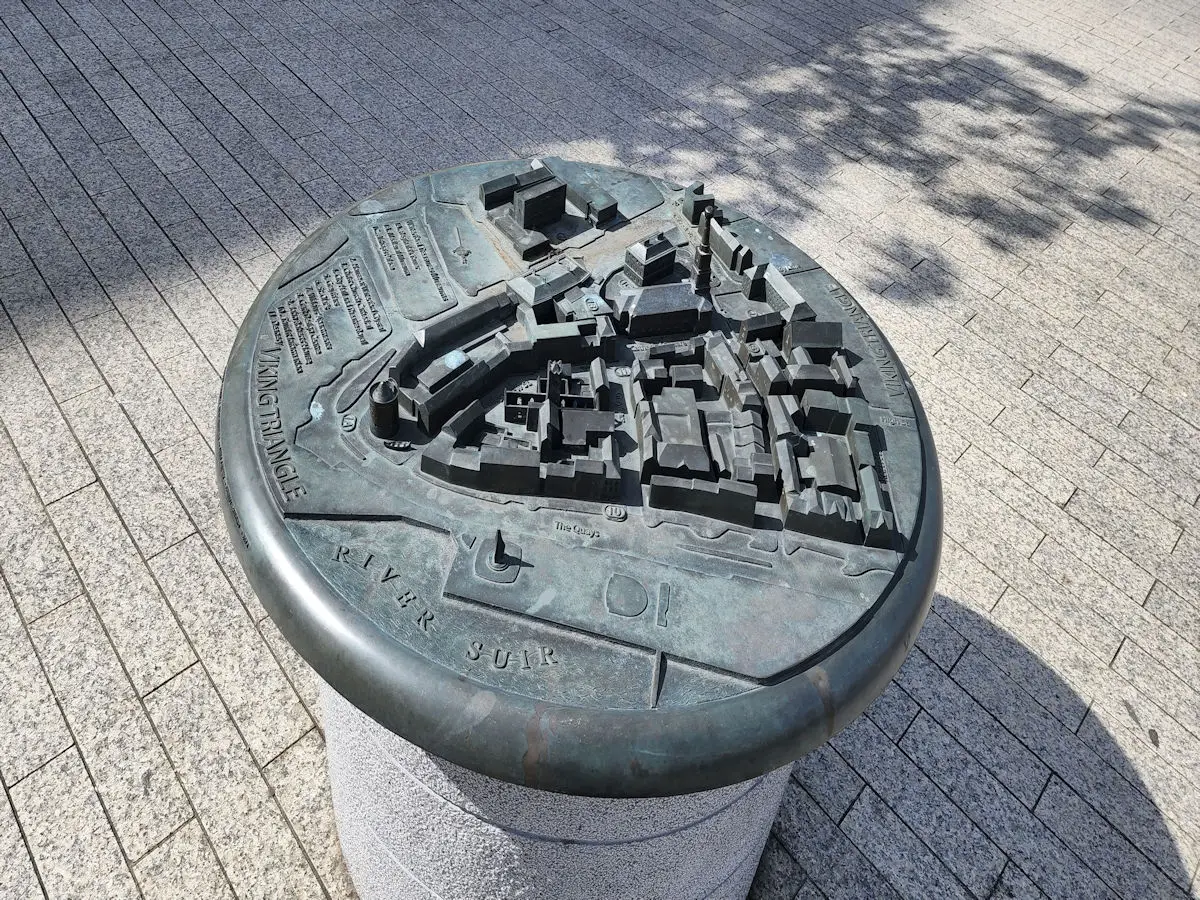
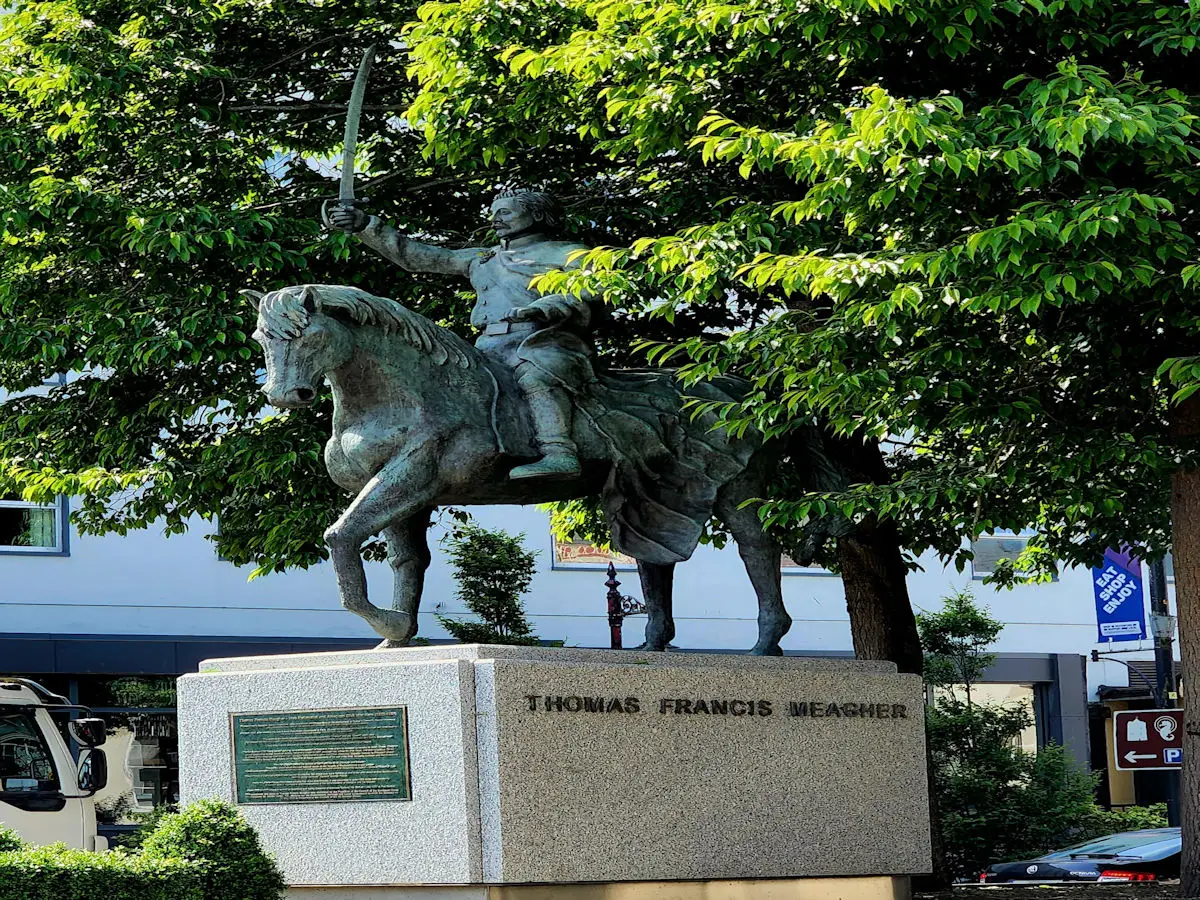
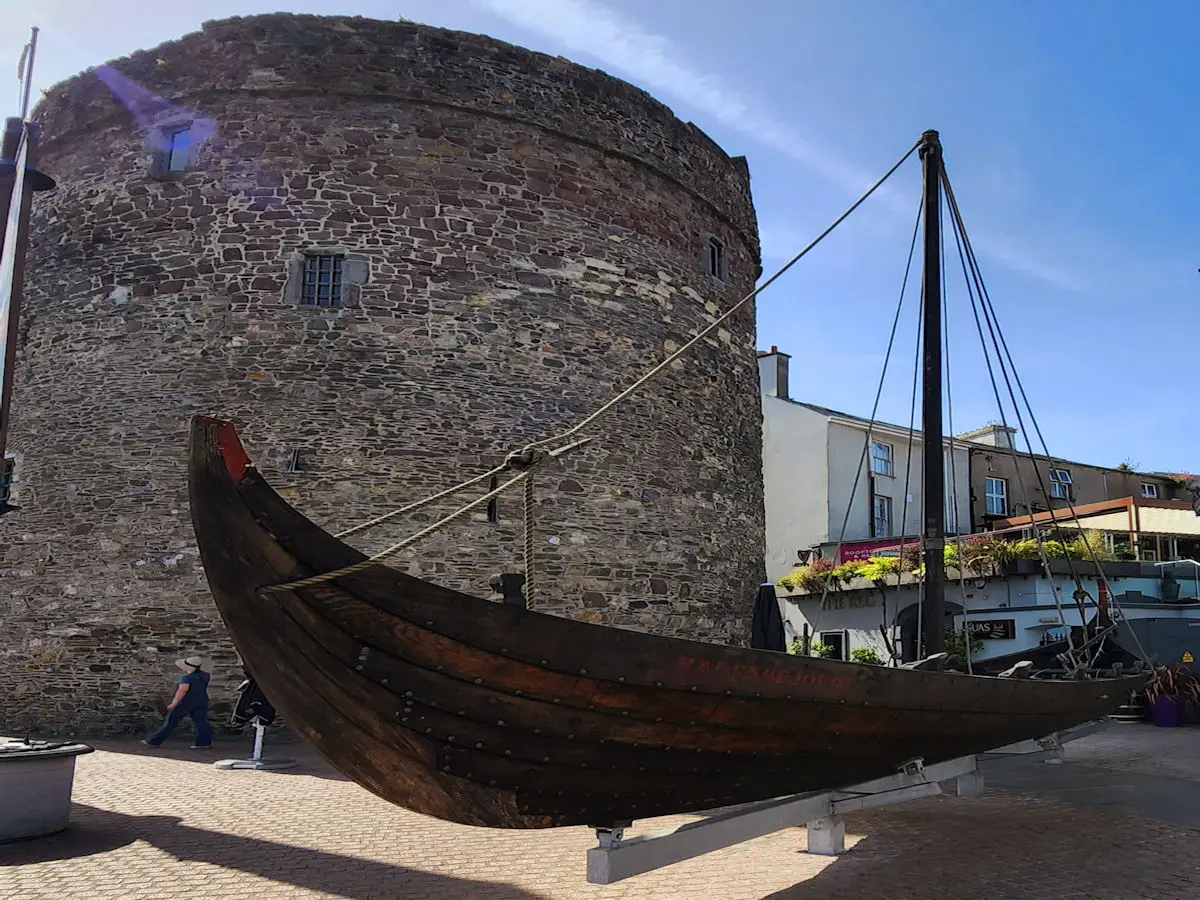
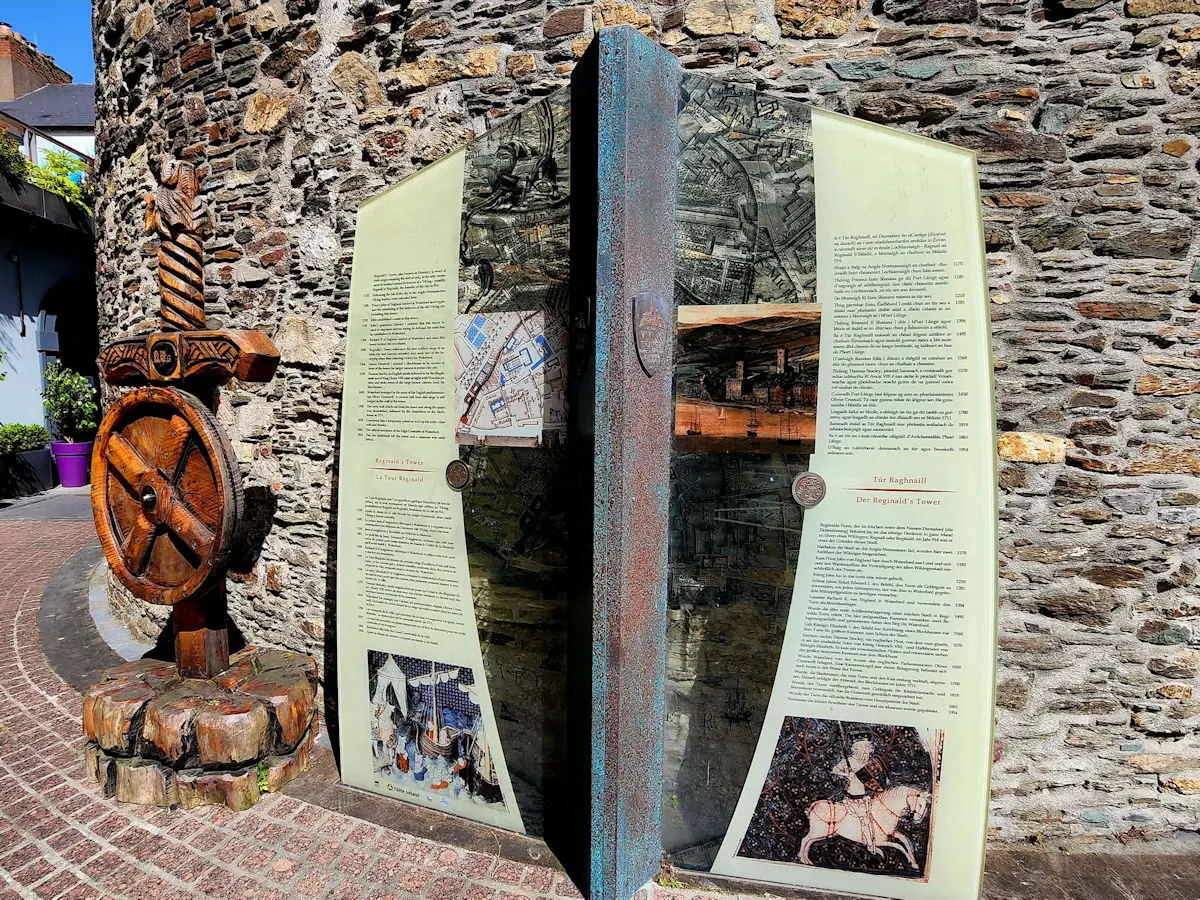
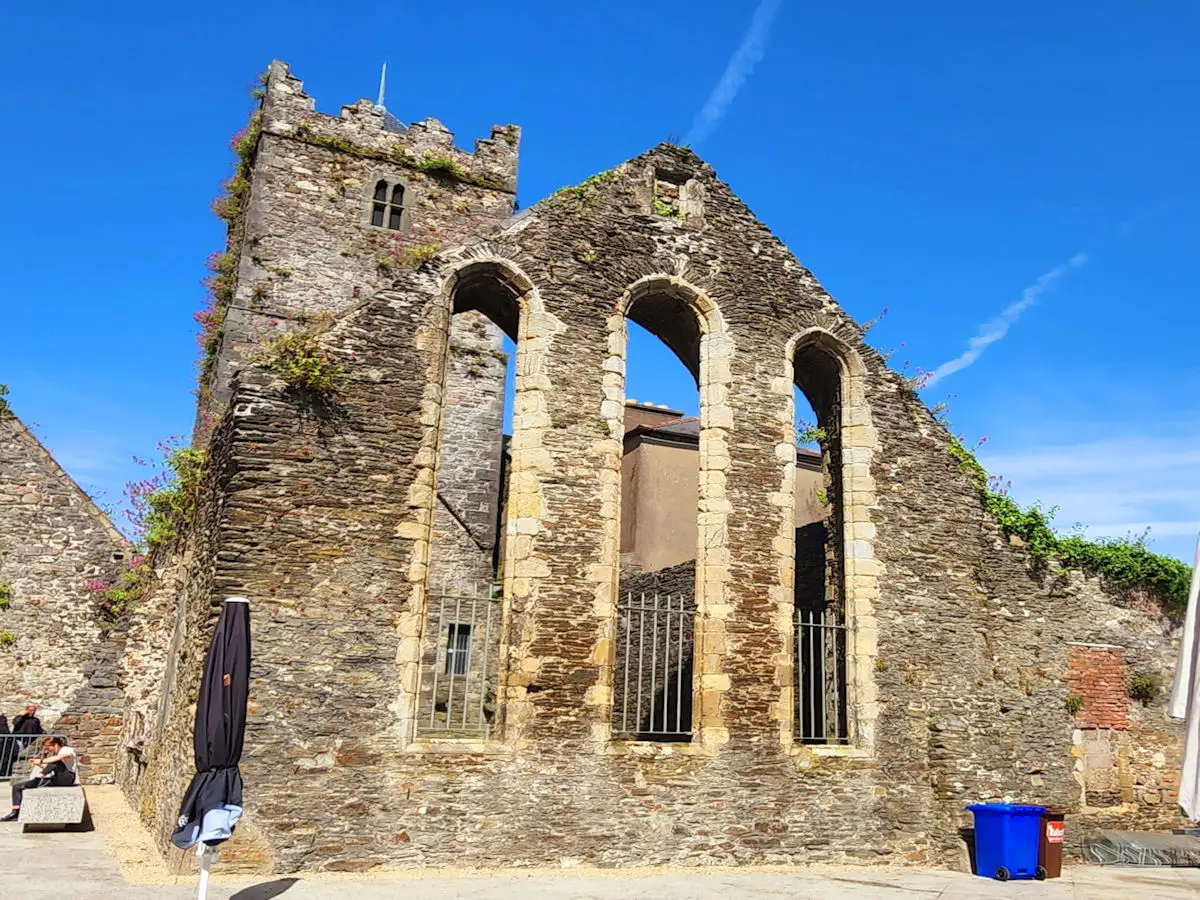
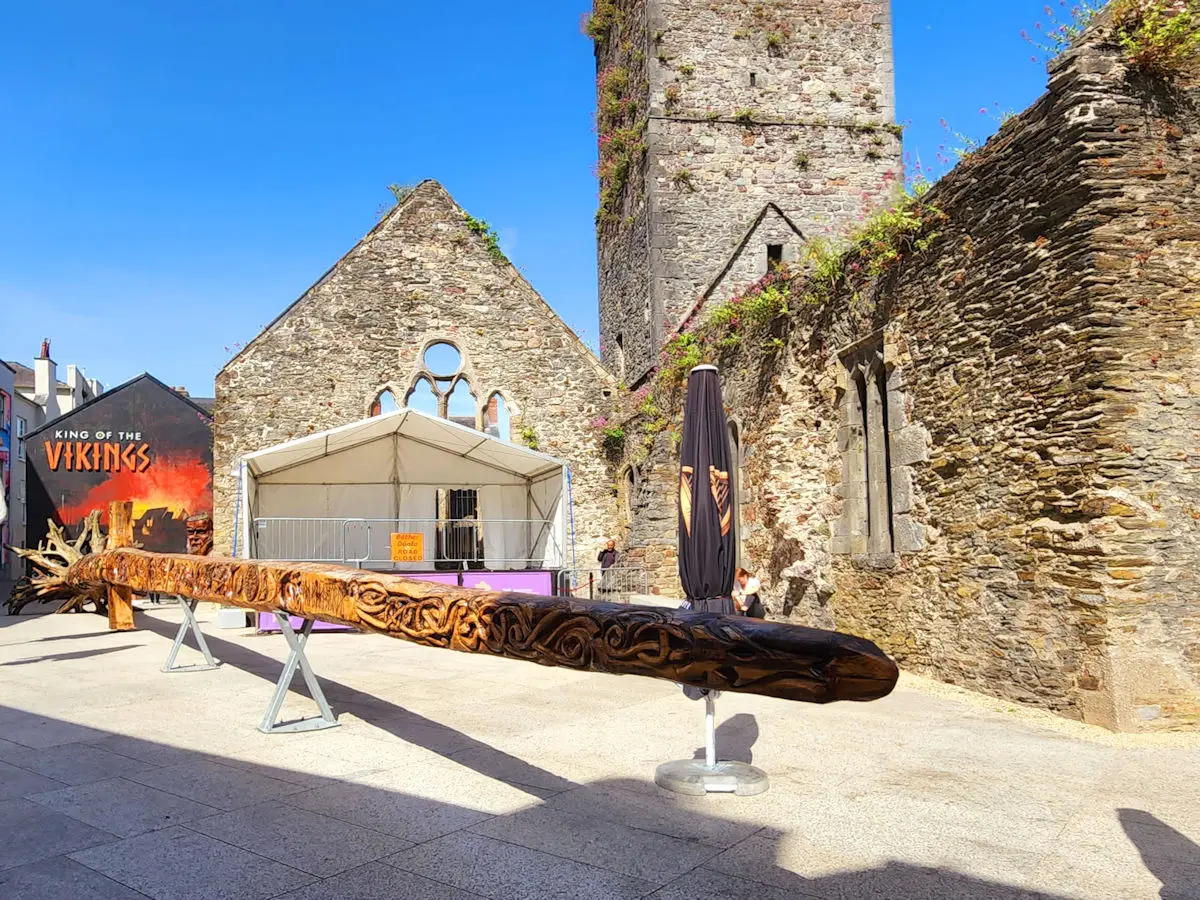
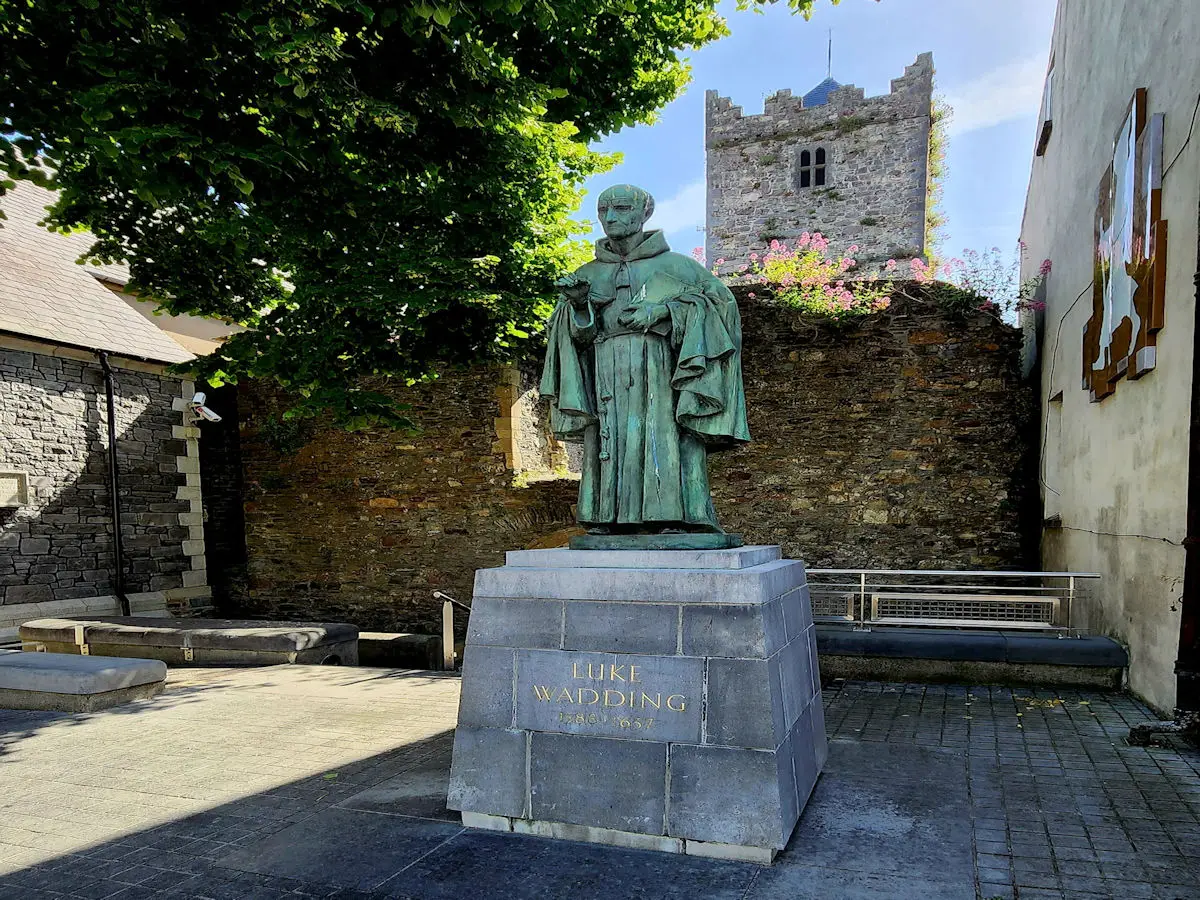
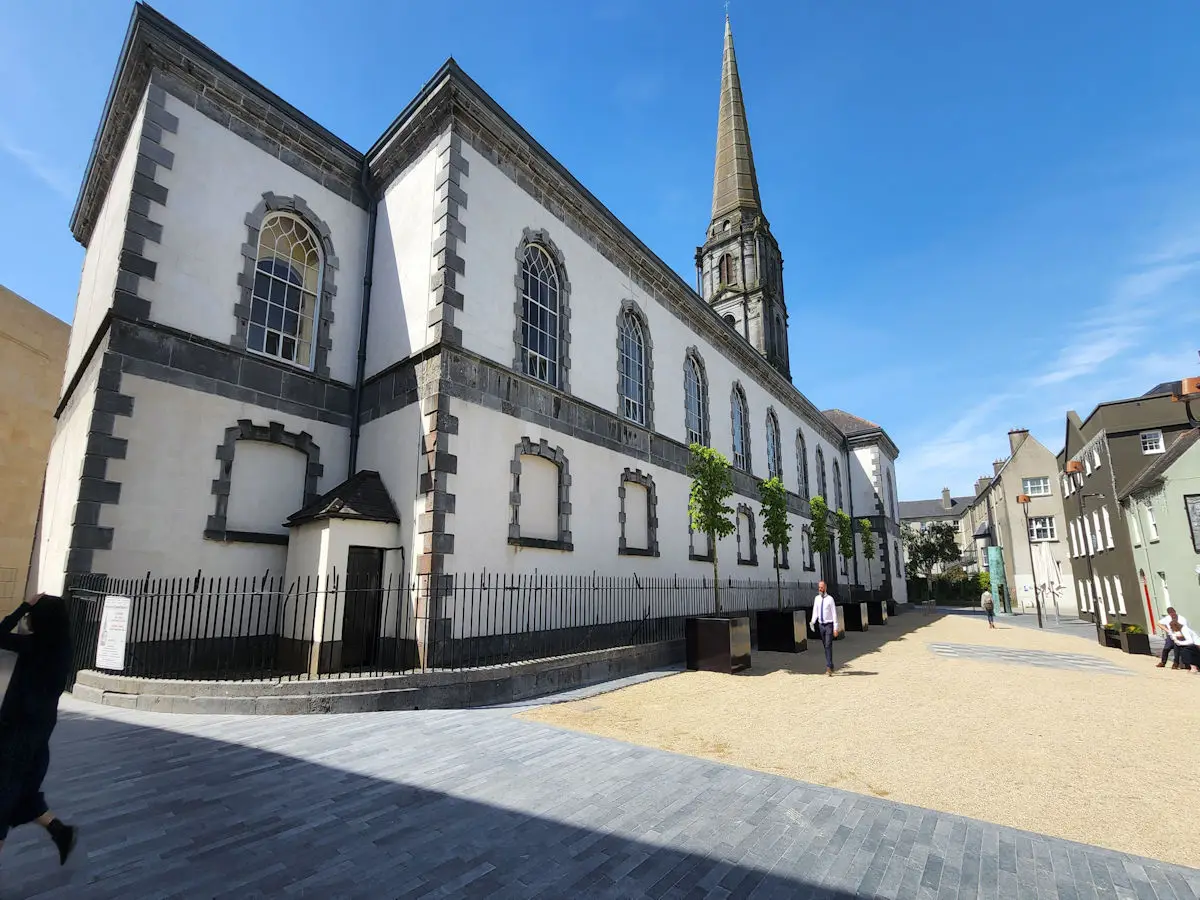
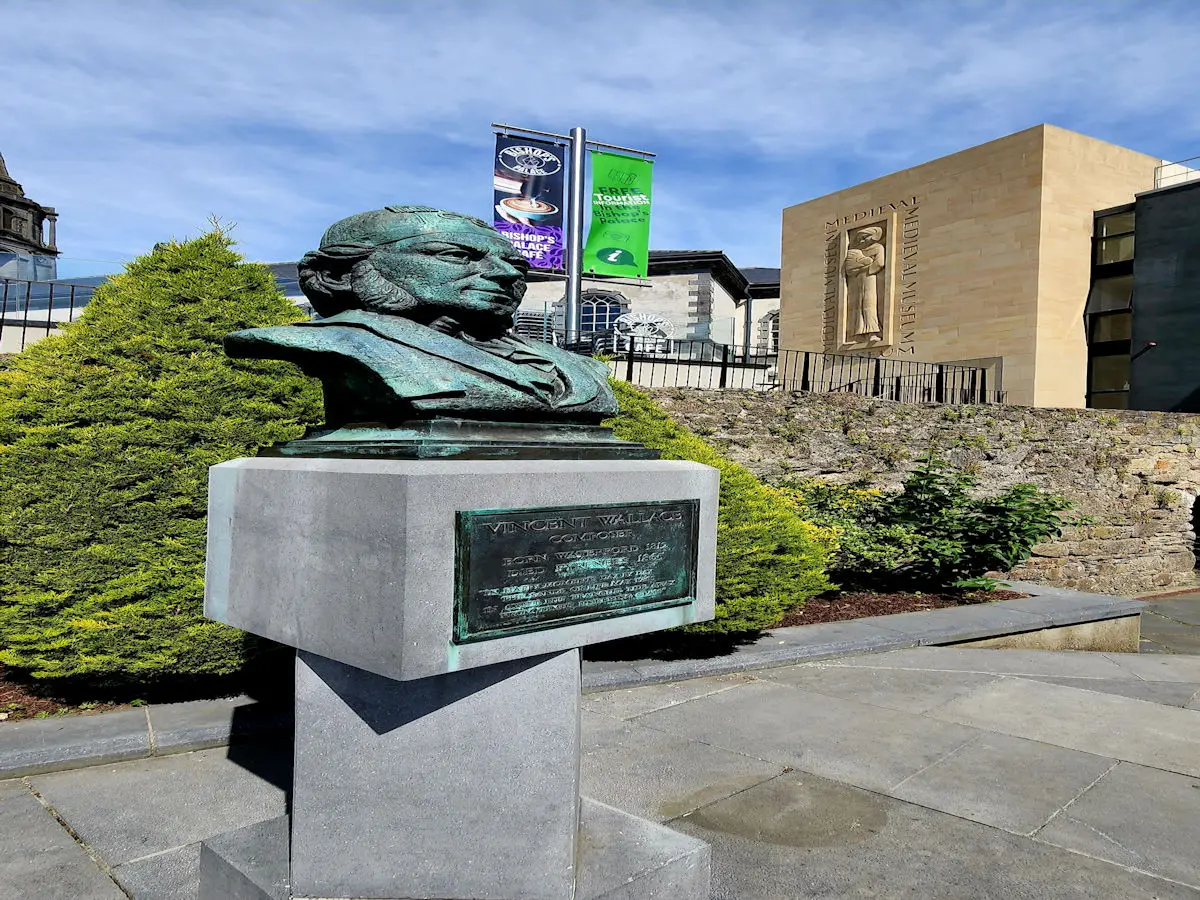
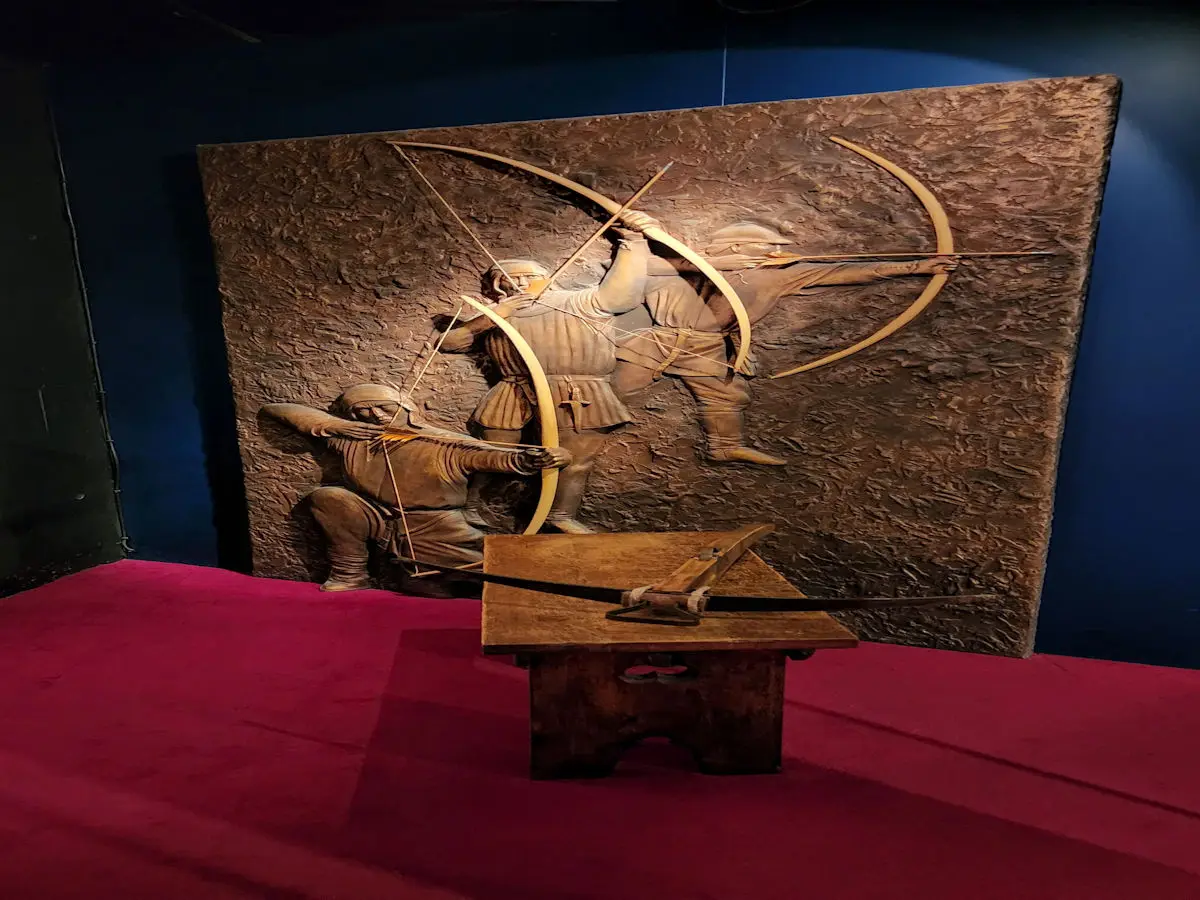
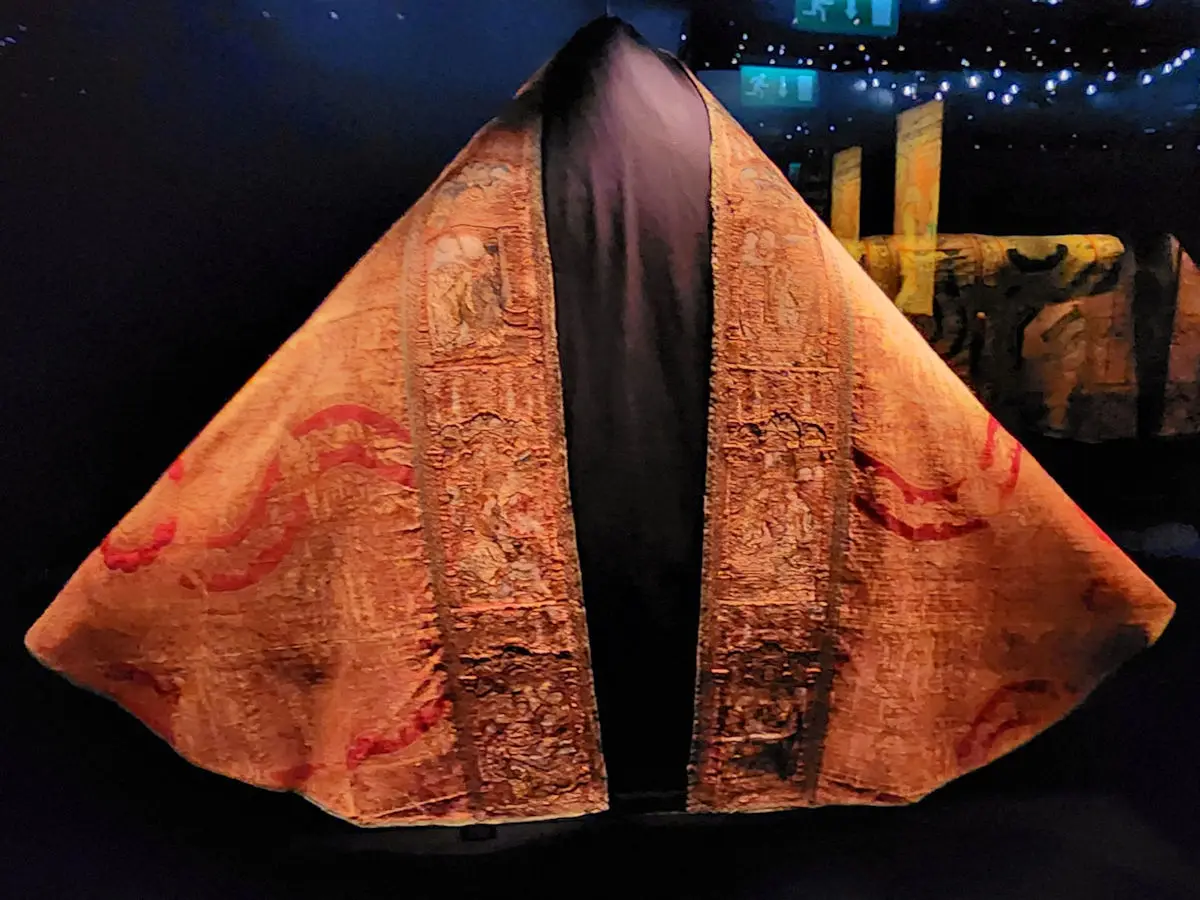
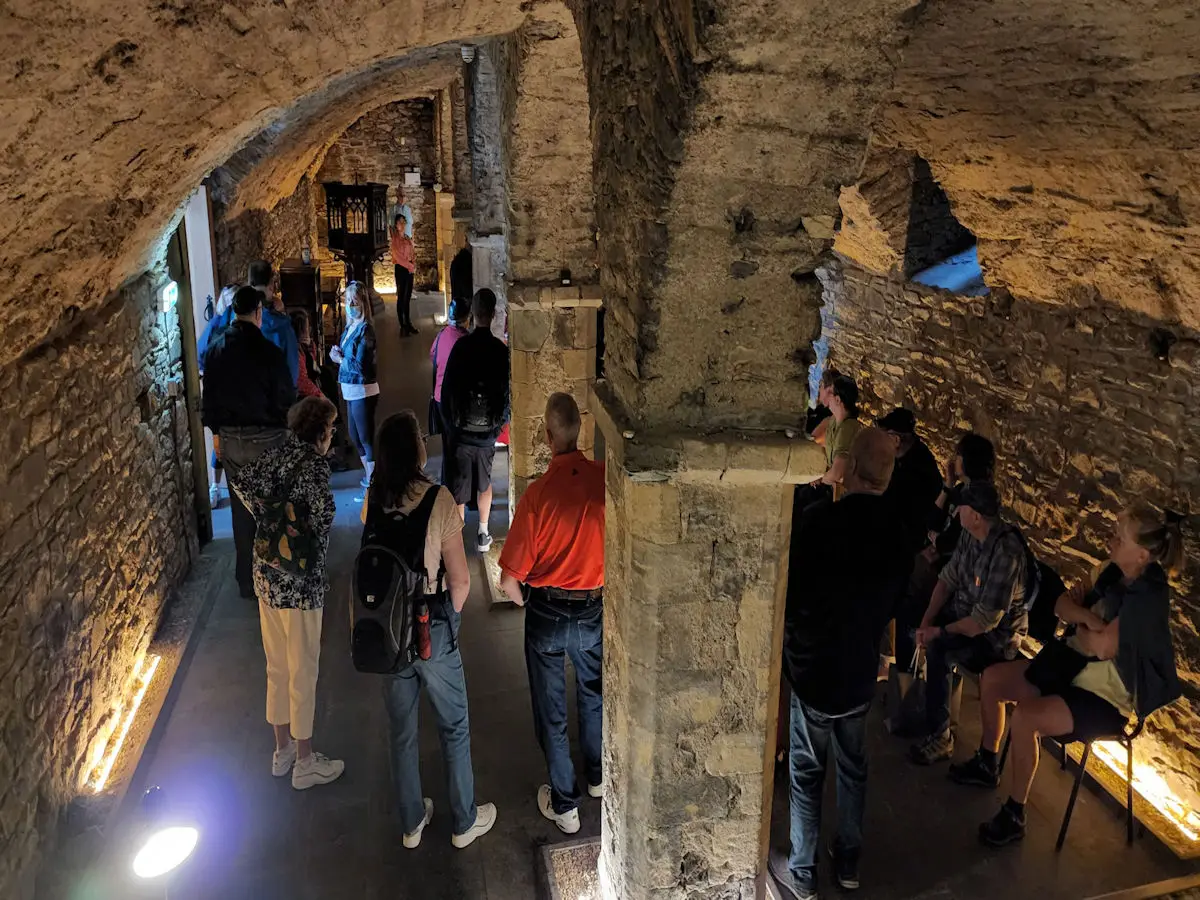
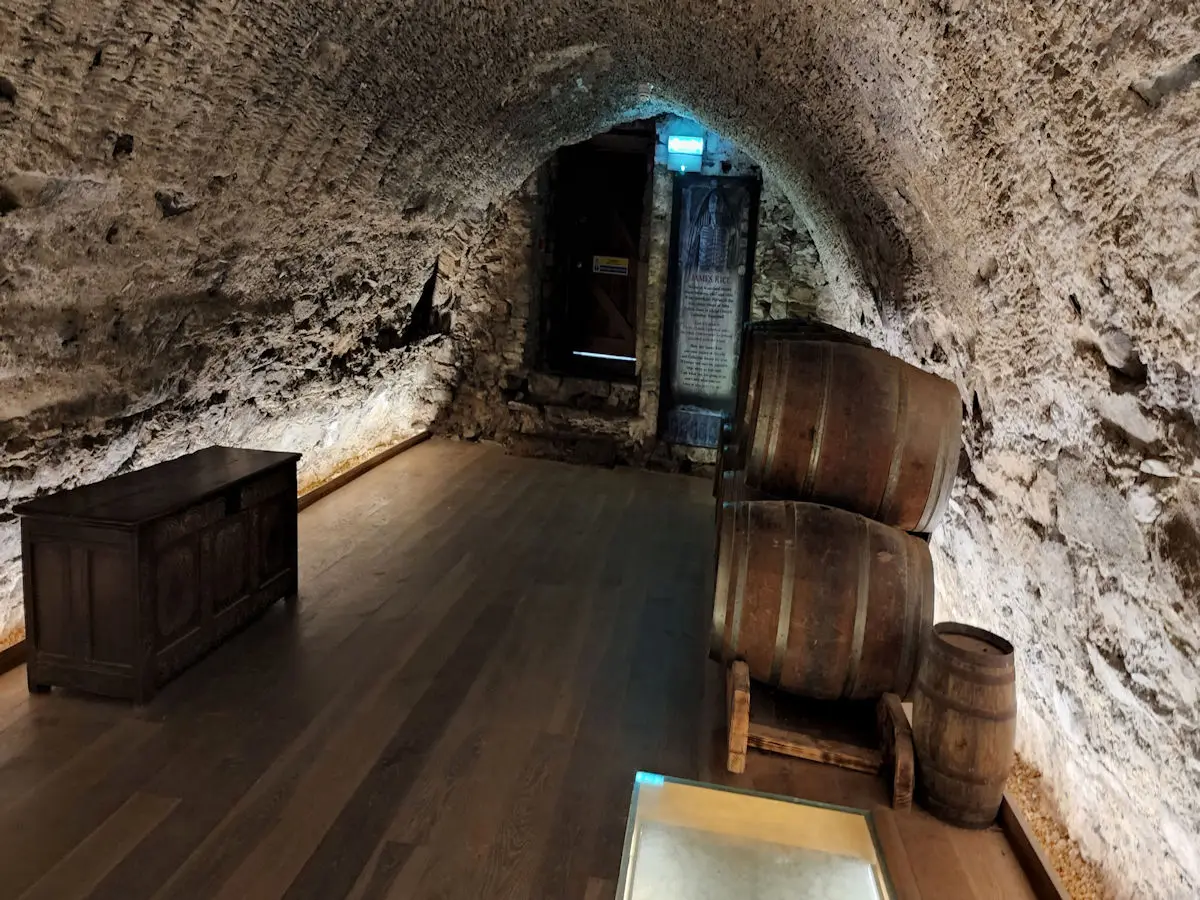
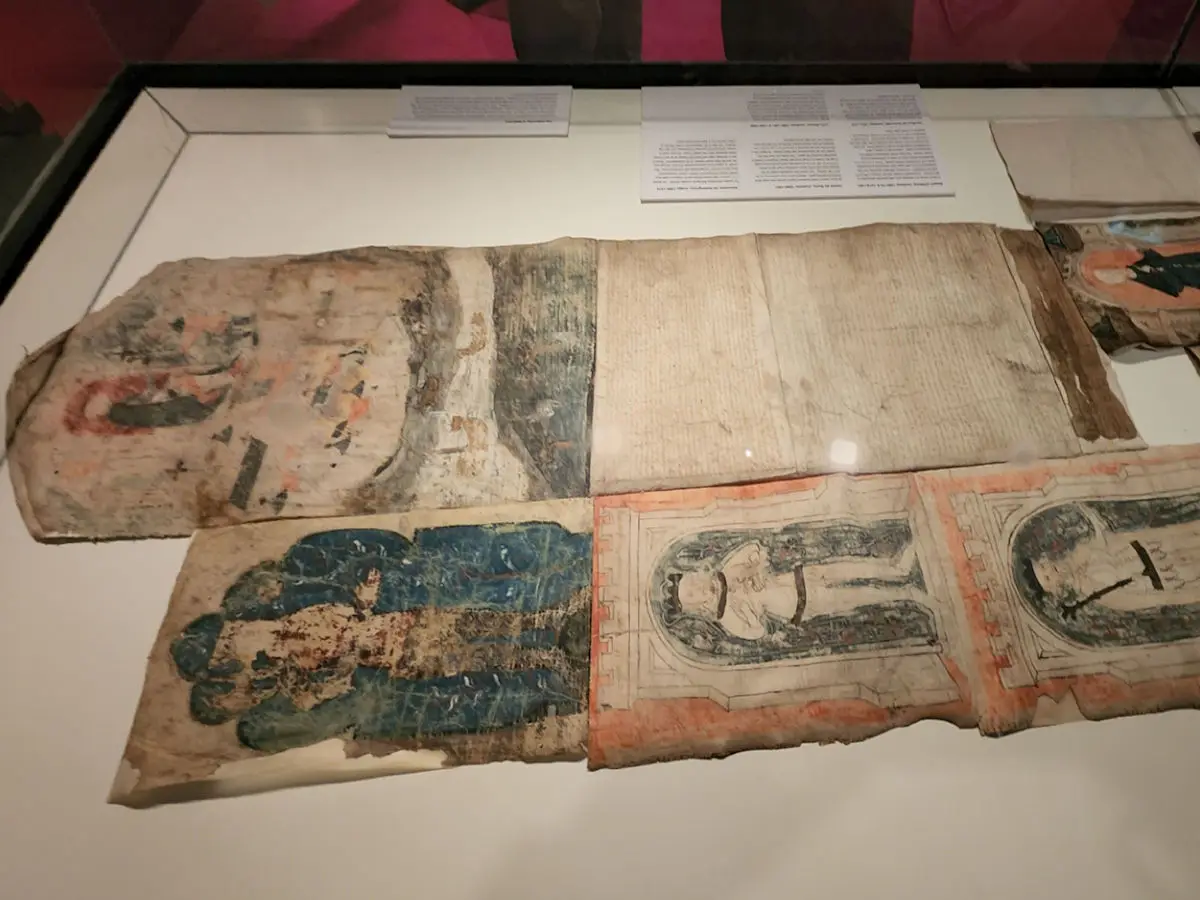
Making molds for initial formation of the glassware. Blowing glassware. by hand. Etching the crystal glassware by hand.Etching the crystal glassware by computer.Engraver working on a glass crystal item.Finished crystal glass items. A three dimensional map of the downtown area known as the Viking Triangle. This is the part of the city surrounded by the original tenth-century fortifications and is triangular in shape, with its apex at Reginald's Tower.Thomas Francis Meagher became a leading figure in the Irish independence movement of the early 19th century. He was later tried for treason as an Irish patriot and banished to Tasmania off the coast of Australia. Meagher later escaped and fled to New York where he gained prominence as a journalist and lawyer. Model of a Viking ship next to Reginald's Tower.Reginald's Tower which was a fortification built in 1003 is the oldest urban civic building in Ireland. Within Reginald’s Tower is the Waterford Museum of Treasures displays local archaeological finds. <r.The ruins of the Blackfriars Abbey and Dominican Priory which were built in 1226. It later became a courthouse after the dissolution of the monasteries in the reign of King Henry VIII. Behind the Dragonslayers sword is the King of the Vikings which provides a virtual reality experience through the history of the Vikings.Luke Wadding (1588 - 1657) was an Irish Franciscan friar and historian. Through Wadding's efforts, St Patrick's Day became a feast day. The statue is located in front of the ruins of Blackfriars Abbey.Street in the Viking Triangle district with the steeple of the Church of Ireland in the background.The Medieval Museum is located in the Viking Triangle across the street from Waterford Crystal.Medieval bow used by Viking archers..The only set of Medieval vestments to survive in Northern Europe. Made from Italian silk woven in Florence, the panels were embroidered in Bruges.The Medieval Museum includes two underground medieval chambers, the 13th century Choristers’ Hall and the 15th century Mayor's Wine Vault.The Medieval Museum's 15th century Mayor's Wine Vault.The Waterford Charter Roll as created in the 14th Century and it is a story about the power of the English kings in Ireland from the medieval period to the 19th Century. It is 12 feet long and there are 17 individual drawings on the Roll.