
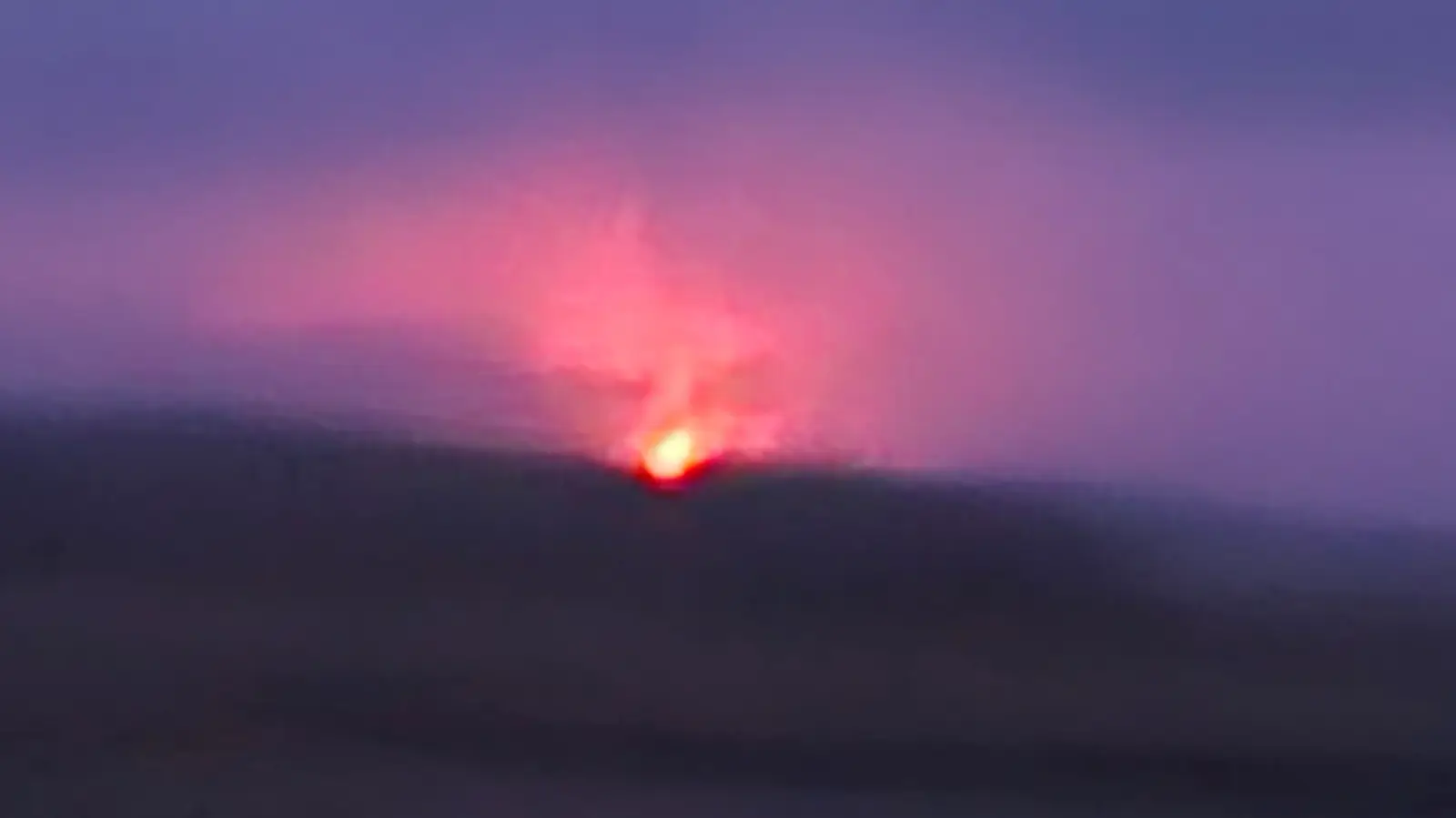
What to see and do at Grindavik, Iceland


Grindavik, Iceland is Highly Geologically Active with Frequent Eruptions
The Grindavik volcanic system is located on the Reykjanes Peninsula which is characterized by rugged lava fields, black volcanic rock, and geothermal features like hot springs and fumaroles. The Reykjanes Peninsula is located at the boundary of the Mid-Atlantic Ridge, where the Eurasian and North American tectonic plates are moving apart. The region is highly geologically active due to the divergent tectonic boundary.
The Reykjanes Peninsula had been relatively quiet for around 800 years, with no volcanic activity recorded since the 13th century. But, on March 19, 2021, the Grindavik volcanic system erupted creating new lava fields in the Geldingadalir valley. Since then, it erupted in August, 2022, July 2023, and again while we were there in August 2024. Given the recent uptick in activity on the Reykjanes Peninsula, scientists believe more eruptions could happen in the coming years or decades.
On 8/22/2024, we arrived at Keflavík International Airport. From there, we took a bus to the cruise ship port. As we passed the Grindavik volcanic system, we could see the beginnings of the initial eruption that occurred the next day. On 9/1/2024, as we traveled by bus from the port to the airport and were able to observe a subsequent volcanic eruption from the highway.
The Grindavik volcanic system and other nearby volcanic systems are fissure-type volcanoes, meaning eruptions tend to occur along cracks or fissures in the Earth’s crust rather than from a central vent.
The Grindavik volcanic system is located approximately 25 miles from Reykjavík and very close to the town of Grindavík, which is famous for its proximity to the Blue Lagoon geothermal spa. The relatively safe and non-violent nature of the recent eruptions, coupled with the proximity to Reykjavík and Keflavík International Airport, made the Grindavik volcanic eruptions some of the most easily accessible volcanic events in recent history.
The town of Grindavík, located just a few kilometers from the recent eruptions, is accustomed to the region's geological activity. While the eruptions did not directly threaten the town, they prompted significant monitoring and safety precautions due to the potential for gas emissions (like sulfur dioxide) that could affect air quality.
The famous Blue Lagoon geothermal spa, also near Grindavík, remained open during the eruptions, but monitoring was conducted to ensure that the volcanic activity did not pose any risks to visitors.
The Icelandic authorities have created trails and observation points to allow visitors to safely view the volcanic activity. However, conditions can change rapidly due to the unpredictable nature of volcanic gas emissions and new lava flows, so visitors must follow local safety guidelines.
Icelanders have a deep cultural connection to their volcanic landscape, and the recent eruptions became a point of national pride. These events also brought global attention to Iceland, further enhancing its reputation as a land of fire and ice.
Looking for a place to stay? Click here for options.
Viator offers numerous tours in the Grindavik area. Click here for details.
Pictures from Grindavik
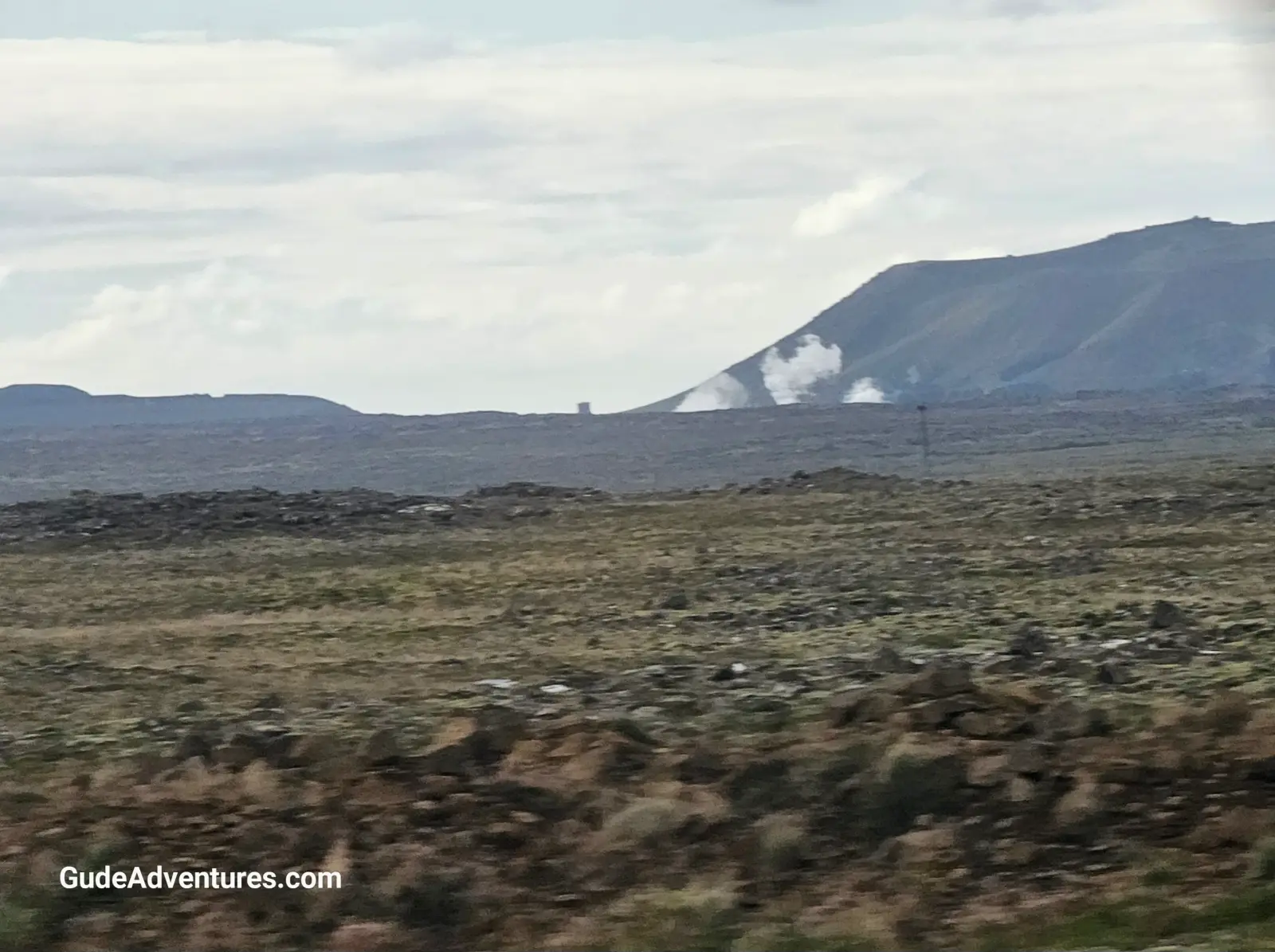
View of the Grindavik area on the morning of 8/22/2024.
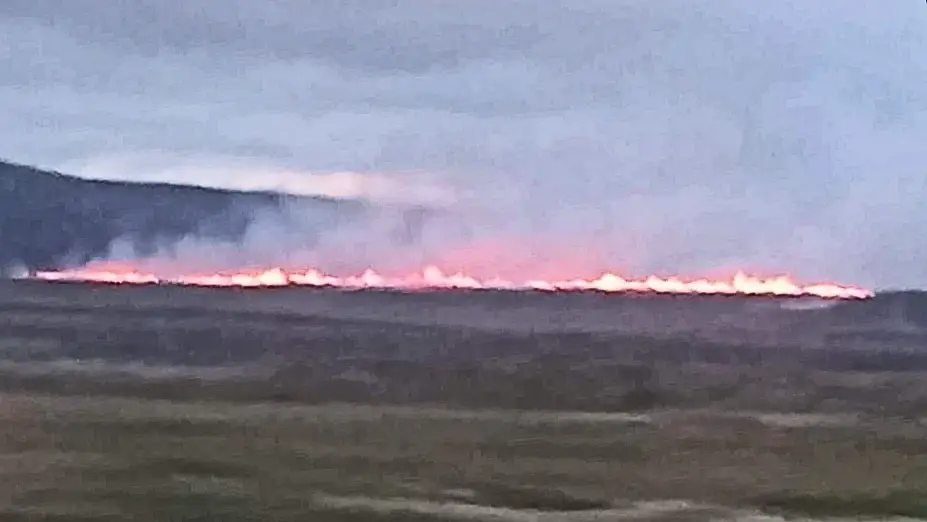
View of the Grindavik area on 8/23/2024.
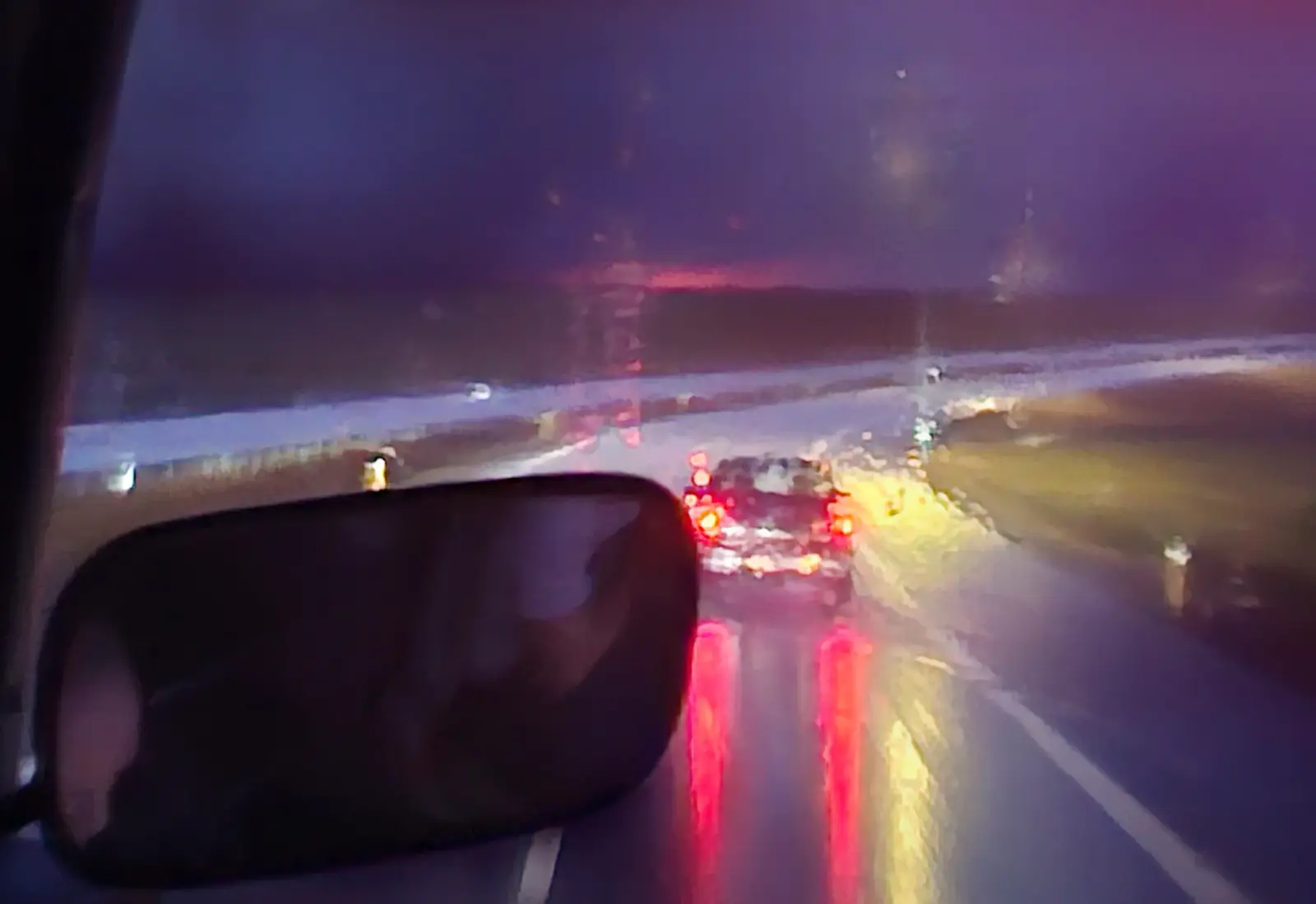
View of the start of the eruption on 9/1/2024 on the highway to the airport.
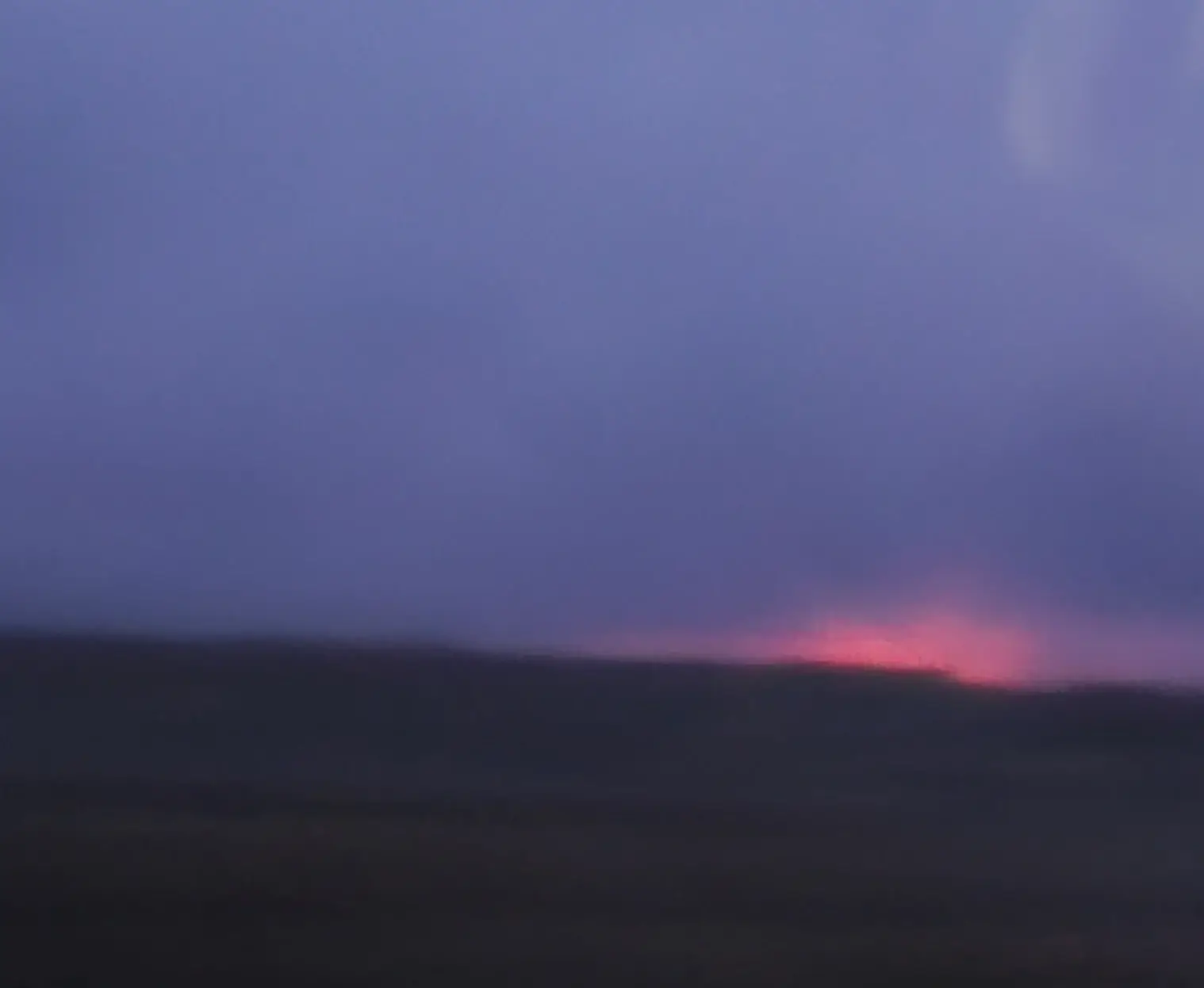
View of the start of the eruption on 9/1/2024.
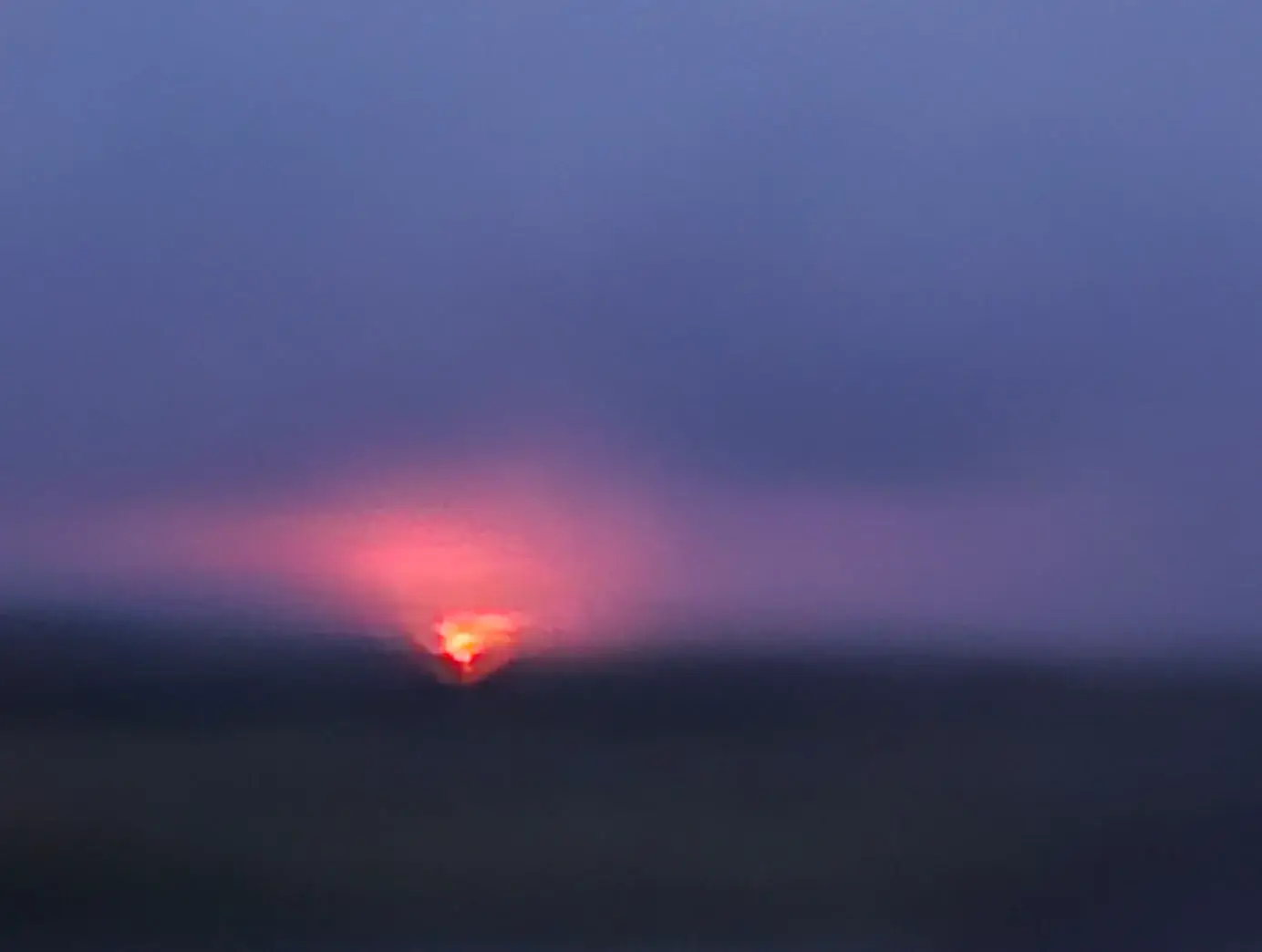
View of the eruption on 9/1/2024.
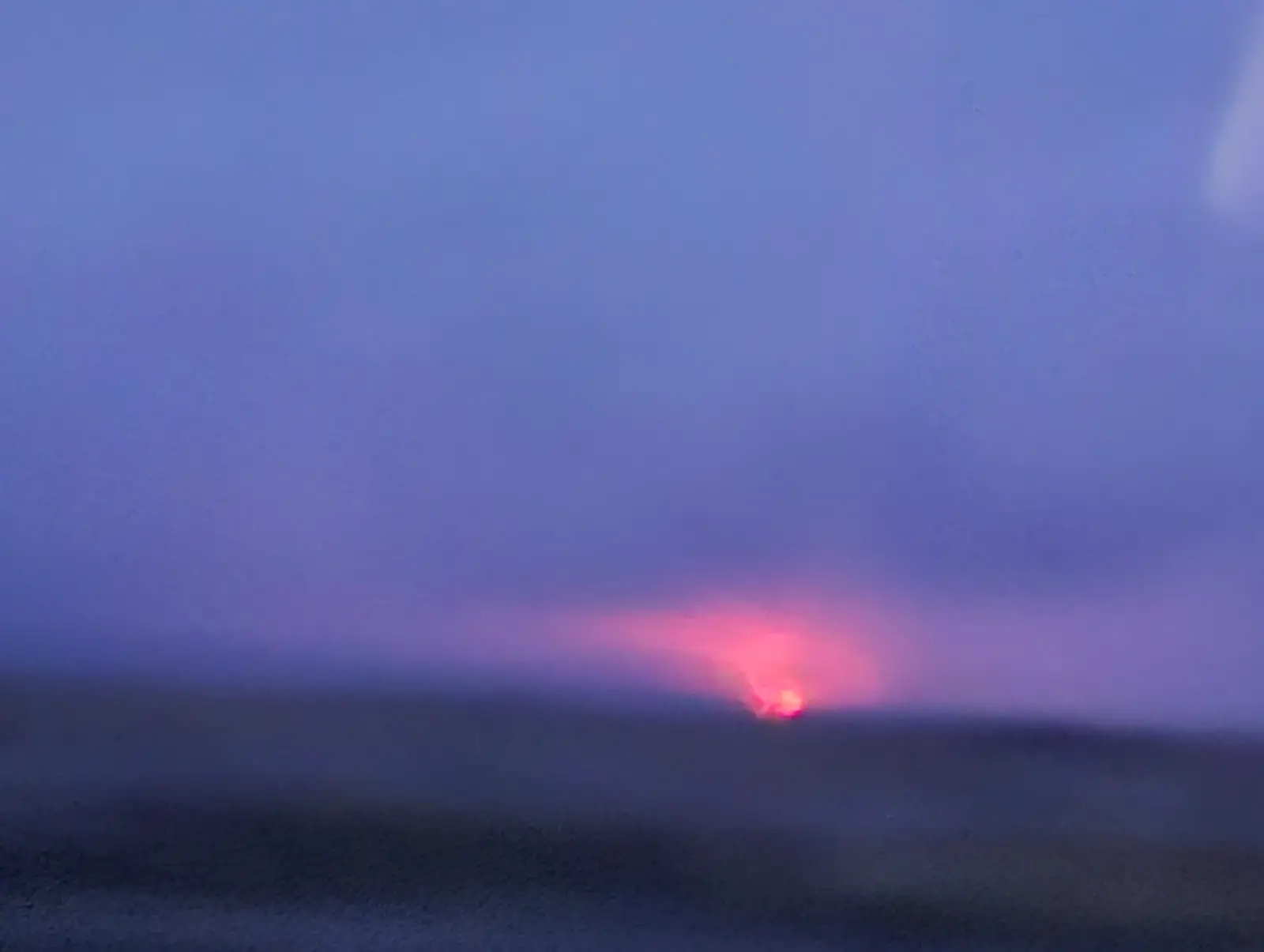
View of the eruption on 9/1/2024.
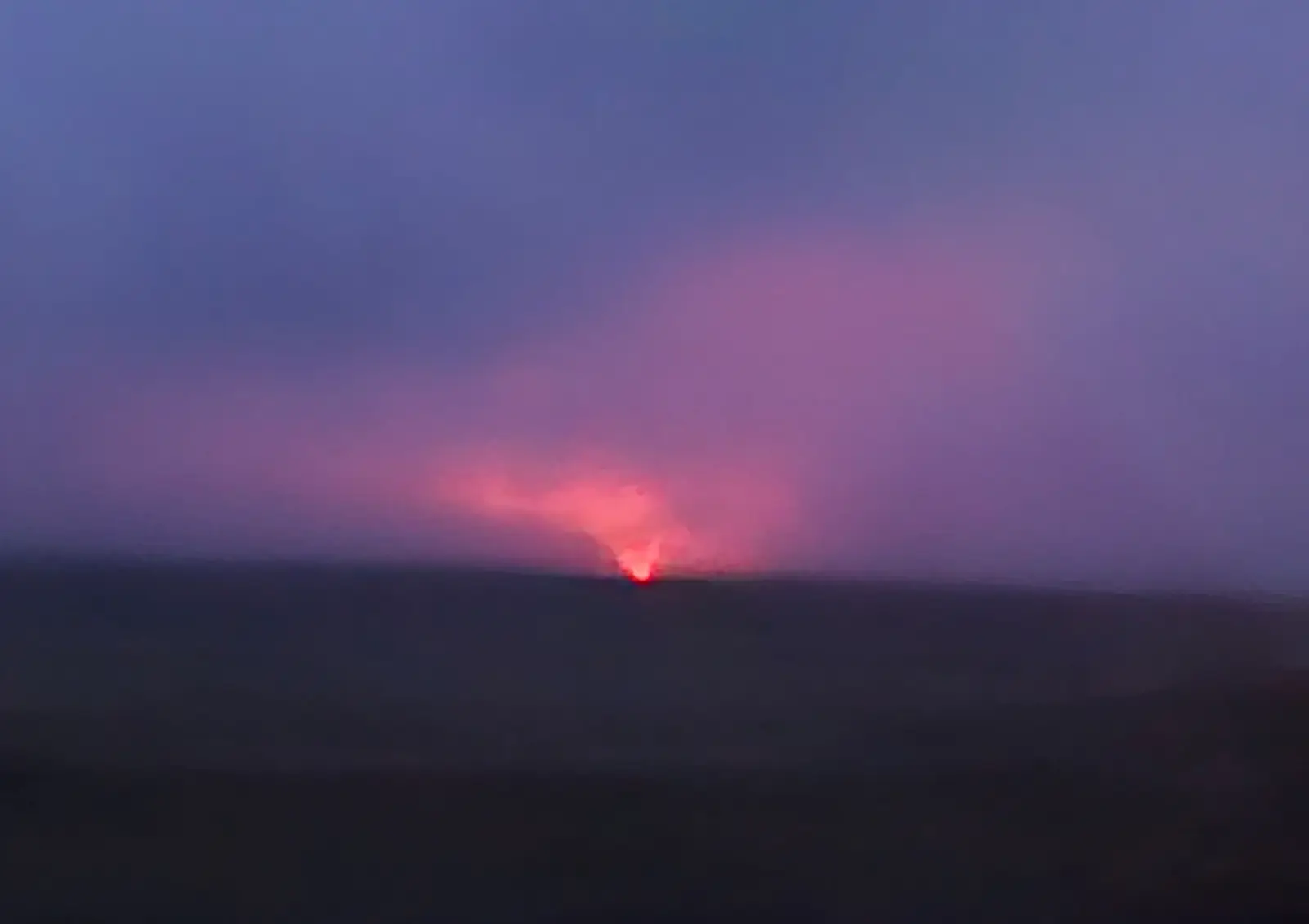
View of the eruption on 9/1/2024.
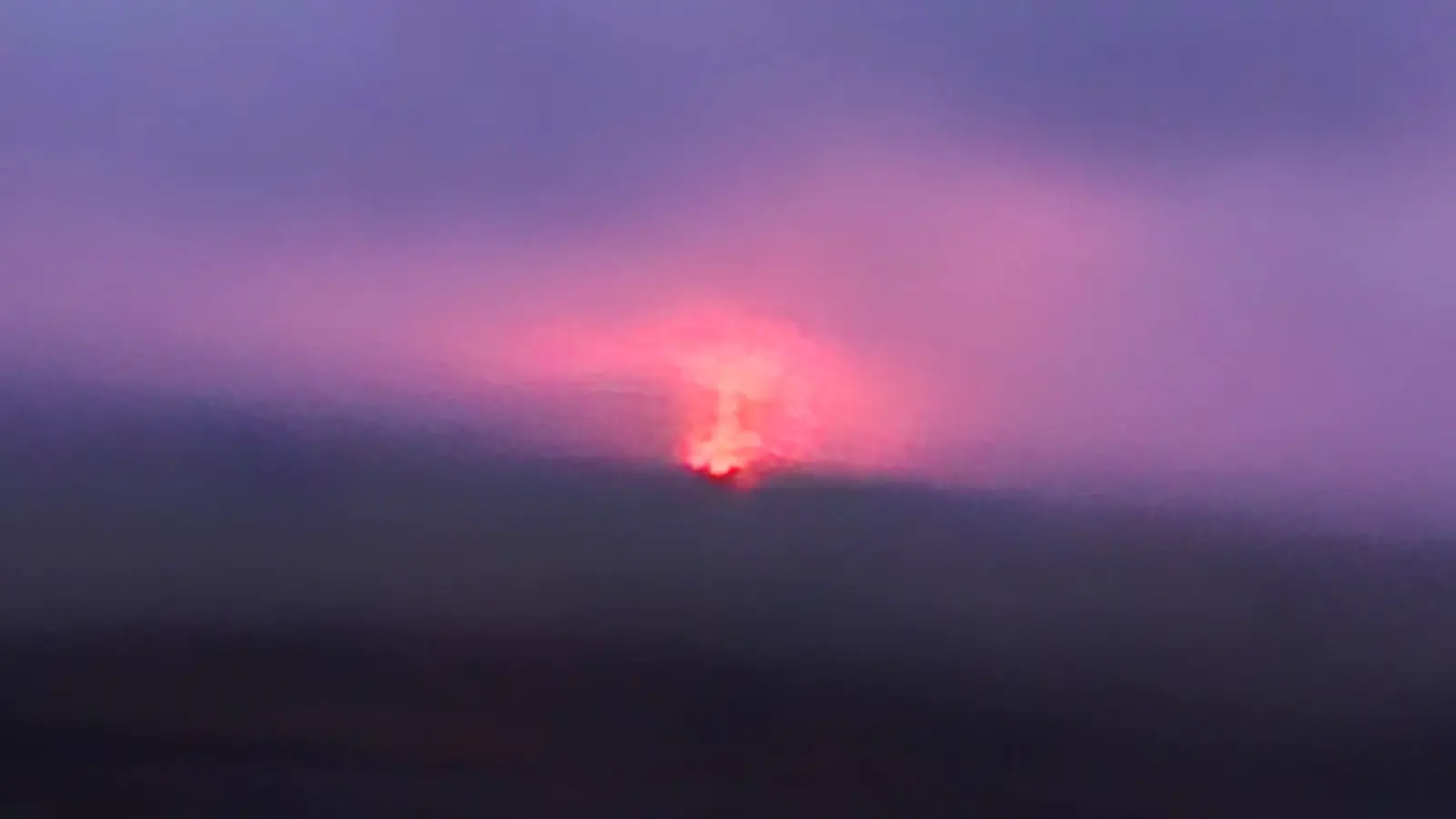
View of the eruption on 9/1/2024.