
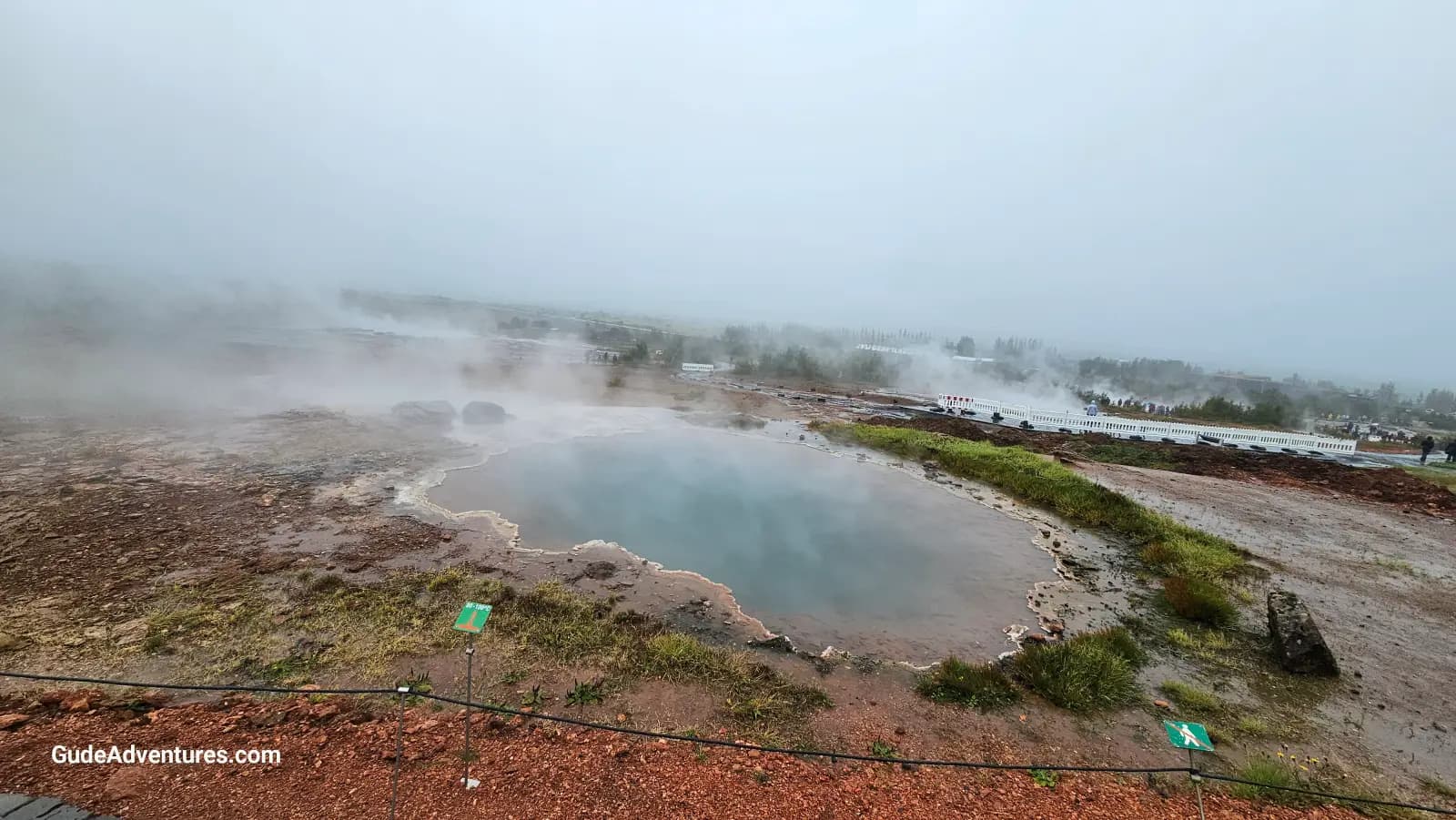
What to see and do at Geysir, Iceland


Geysir in Iceland is the Source of the Word “Geyser.”
Geysir, located in the Haukadalur Valley in southwestern Iceland, is one of the country’s most famous geothermal features and the source of the word “geyser.” The area is known for its geothermal activity, including bubbling hot springs, fumaroles, and the more active neighboring geyser, Strokkur, which erupts frequently. Geysir itself has been mostly dormant in recent years but remains an iconic natural wonder in Iceland.
Geysir is one of the most visited natural sites in Iceland. It is located in the Golden Circle route, about 62 miles from Reykjavík. It’s part of the Haukadalur Geothermal Area, close to other key attractions like Gullfoss Waterfall, Kerid Crater, Secret Lagoon, and Þingvellir National Park.
We visited Geysir on 8/31/2024 as part of our Golden Circle tour. While there, were able to watch the Stokkur Geyser erupt and we also viewed the Great Geyser, several small geysers, bubbling hot springs, mud pools and steam vents. Afterwards, we had lunch in the visitor center and visited the gift shop located there.
The Great Geysir has been active for more than 10,000 years, and it was first mentioned in records from the early 13th century. Its name gave rise to the English word "geyser," used to describe any erupting hot spring. In its prime, the Great Geysir could erupt water up to 230-260 feet into the air, one of the highest natural eruptions ever recorded. However, the Great Geysir has been largely inactive since the early 1900s, with eruptions happening sporadically due to natural shifts or artificial interventions like earthquakes.
While the Great Geysir itself is less active, the nearby Strokkur geyser is highly active and erupts every 5 to 10 minutes, shooting water up to 100 feet into the air. Strokkur is one of the main reasons visitors come to the Haukadalur Valley, offering a more reliable and frequent geothermal spectacle. Strokkur’s regular eruptions make it a favorite for tourists who want to witness the power of geothermal activity up close. The Haukadalur area is filled with other geothermal features, including boiling mud pools, steam vents, and smaller hot springs. The landscape is often dotted with vibrant minerals, creating colorful deposits of sulfur, iron, and silica.
Around Geysir, many smaller hot springs bubble and steam continuously, contributing to the unique atmosphere of the area. The geothermal heat from the earth is so intense that the water is often boiling at the surface. Geysers, including Geysir, are a type of hot spring that intermittently spout water and steam. Water deep below the Earth's surface is heated by volcanic activity and trapped in underground chambers. When the pressure builds up enough, the water and steam are forced upward, creating an eruption.
In summary, Geysir is one of Iceland’s most iconic natural wonders, although it has become less active in recent years. The nearby Strokkur geyser, however, provides frequent and spectacular eruptions, making the area a must-visit destination on the Golden Circle route. The combination of geothermal activity, scenic beauty, and Icelandic history makes the Geysir area a fascinating stop for visitors exploring Iceland’s volcanic landscapes.
Looking for a place to stay? Click here for options.
Viator offers numerous tours in the Golden Circle area. Click here for details.
Pictures from Geysir
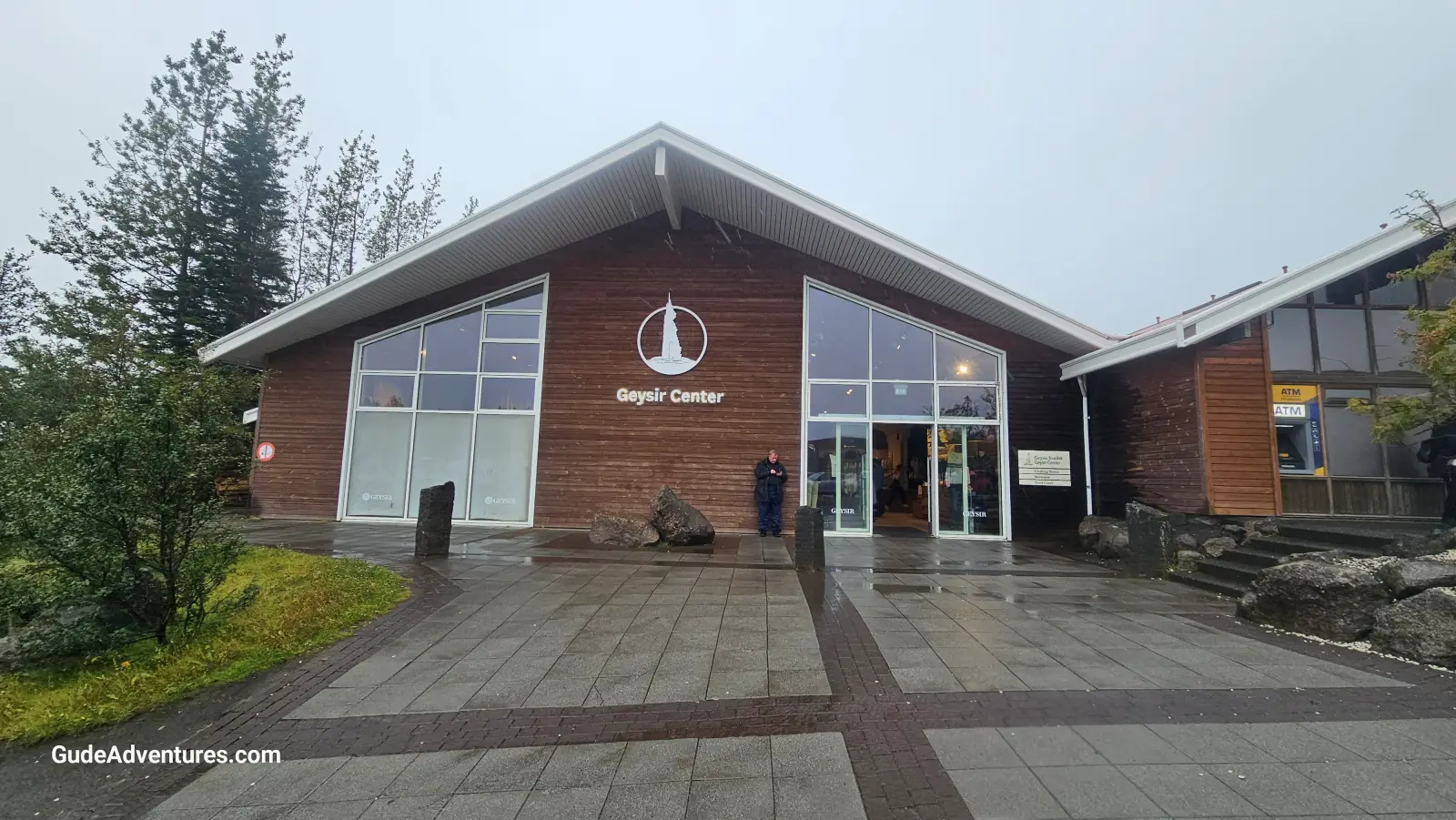
The Geiser Visitor Center contains a restaurant and gift shop.
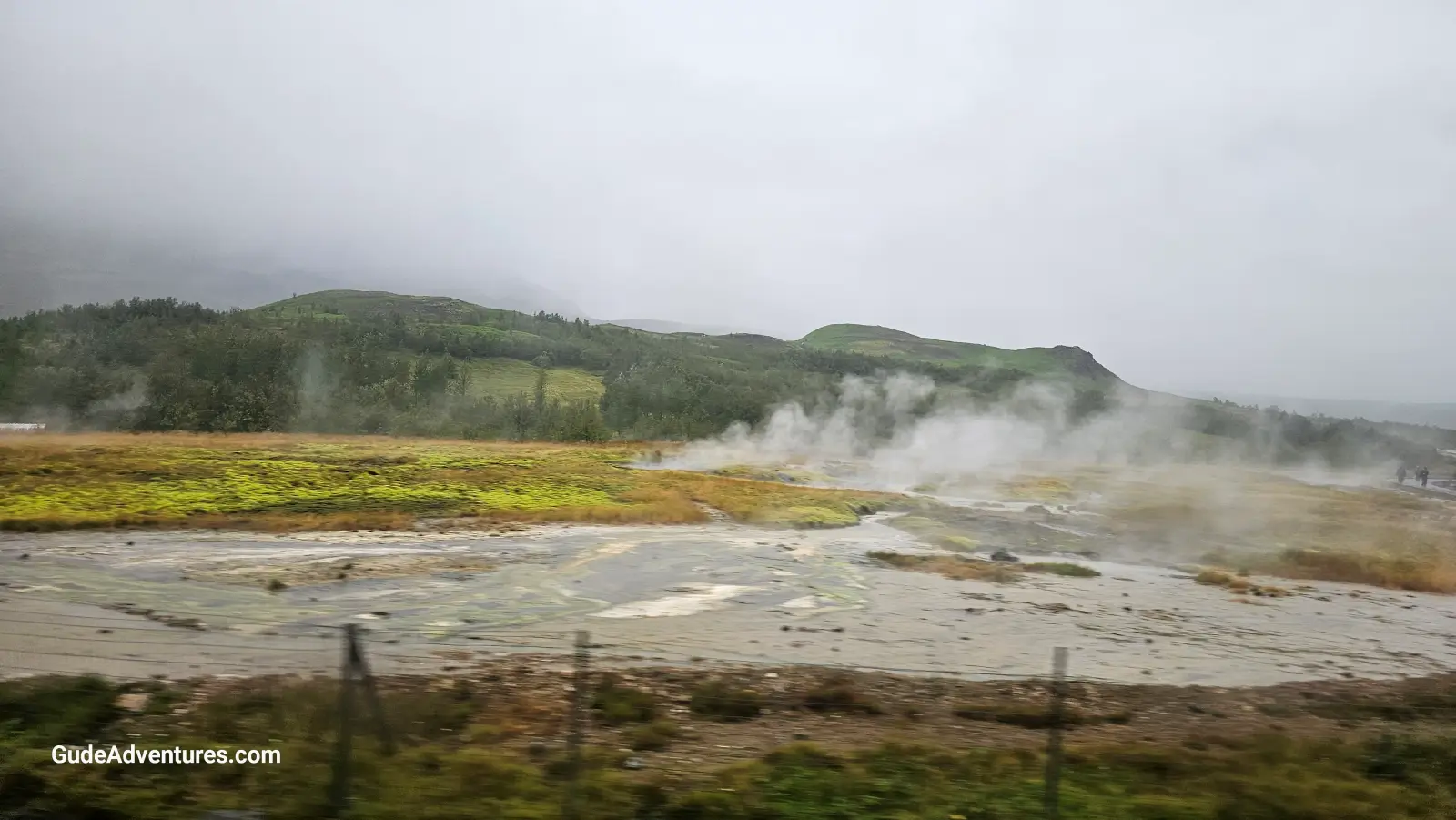
The trail from the Geiser Visitor Center passes through the Haukadalur geothermal area.
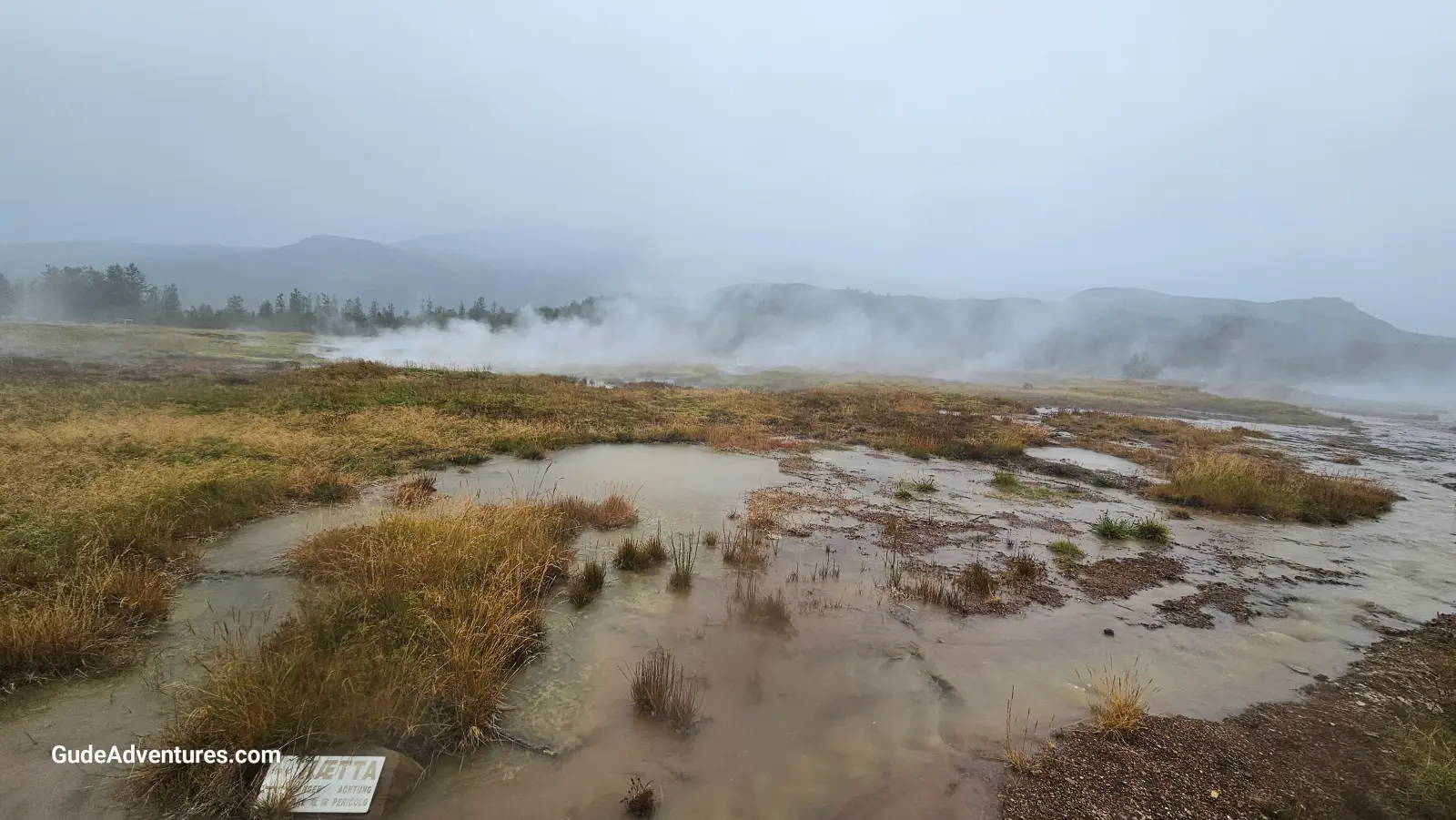
The Haukadalur area is filled with a variety of geothermal features, including boiling mud pools, steam vents, and small hot springs.
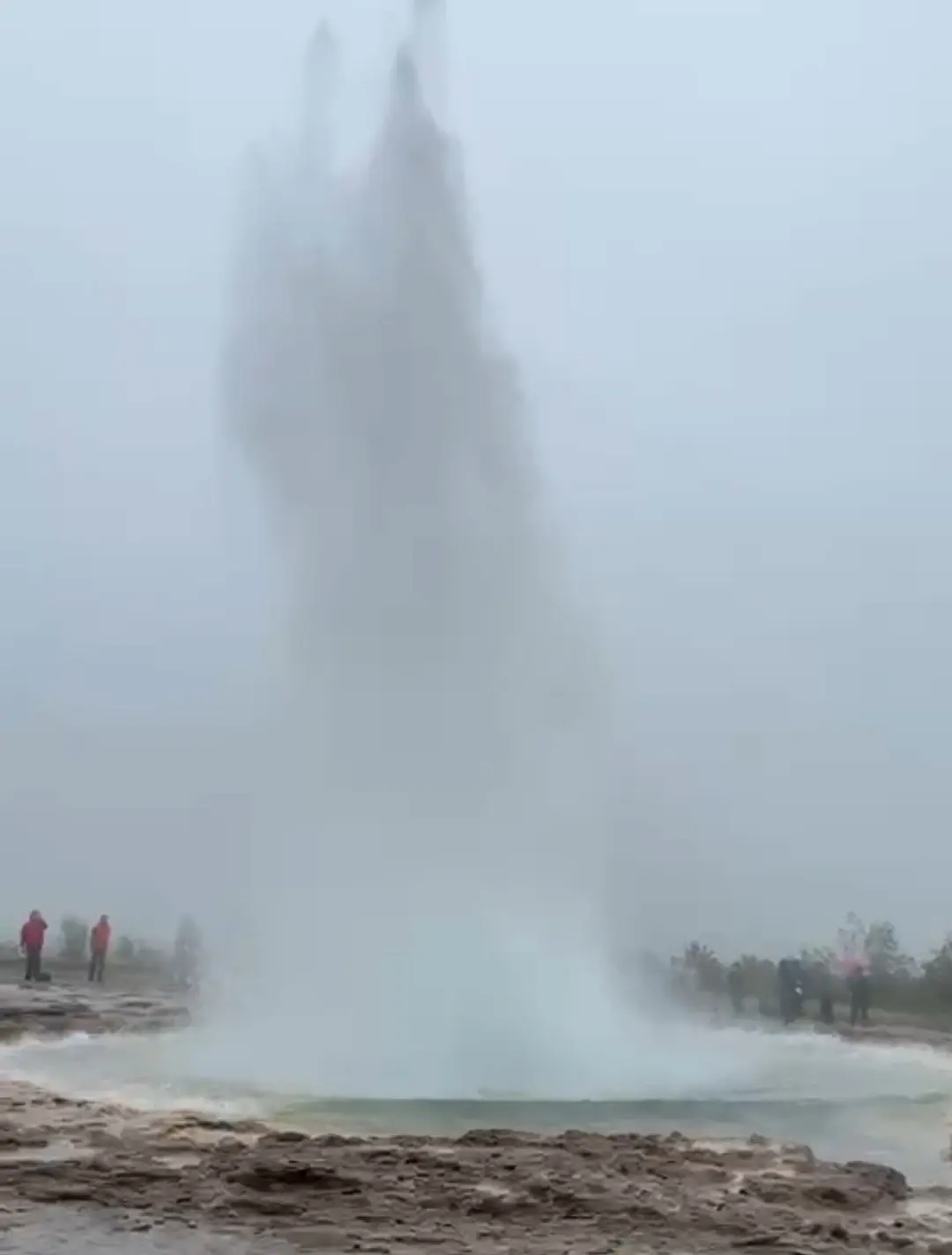
The Strokkur geyser is highly active and erupts every 5 to 10 minutes, shooting water up to 100 feet into the air.
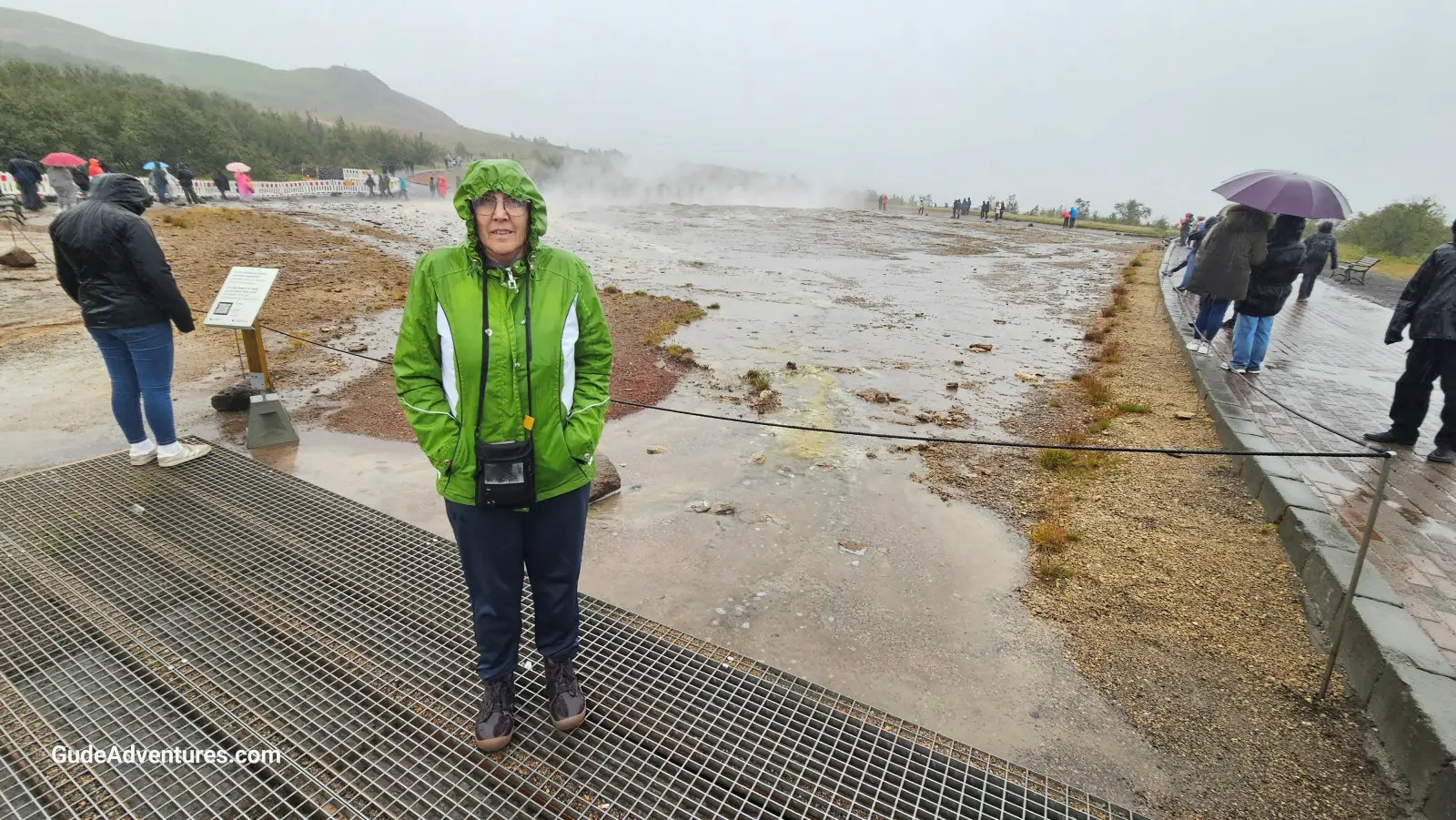
Waiting for the Strokkur Geyser to erupt.
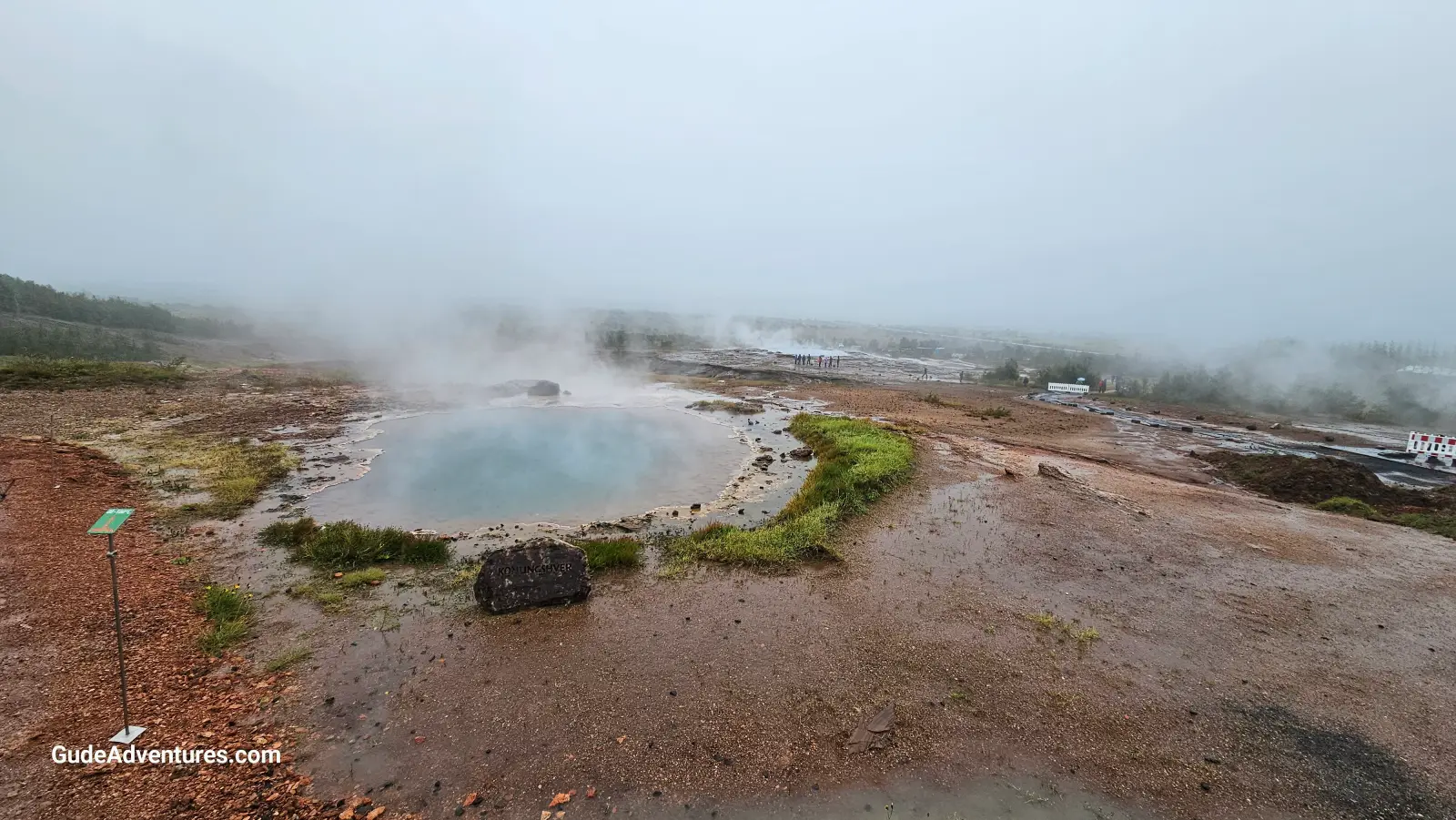
The Blesi Geyser.
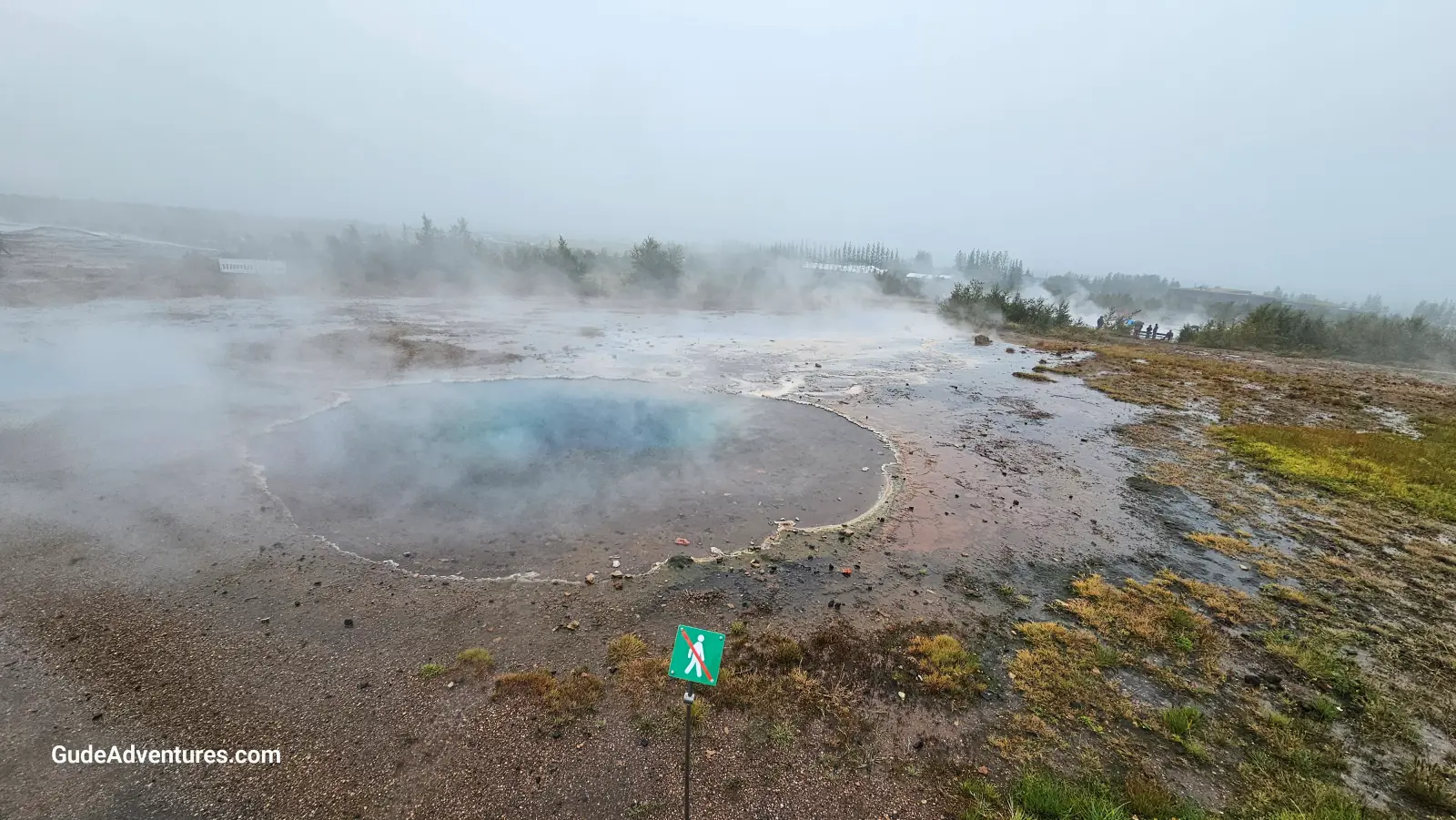
The Konungshver Geyser.
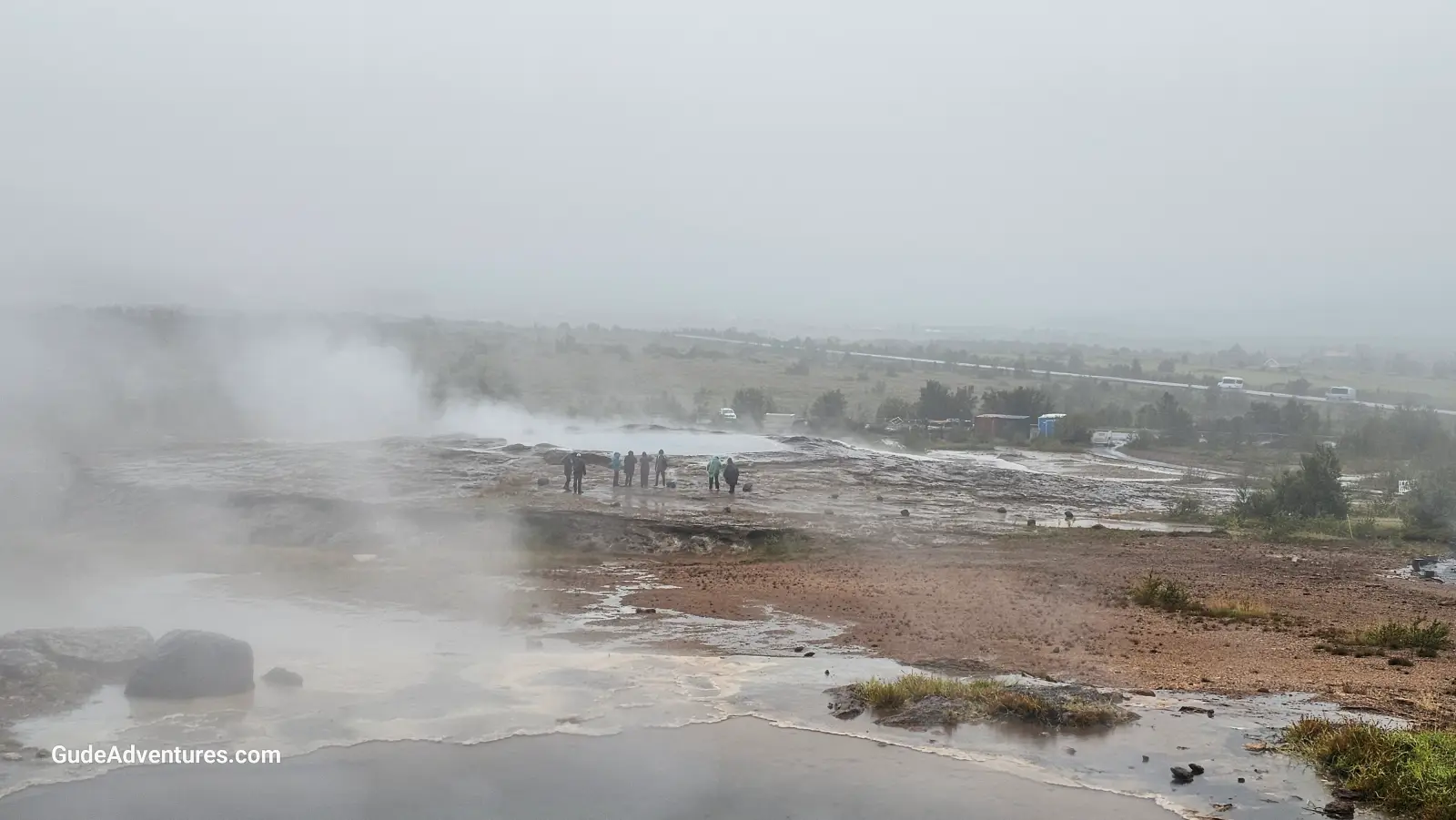
The Great Geysir rarely erupts.
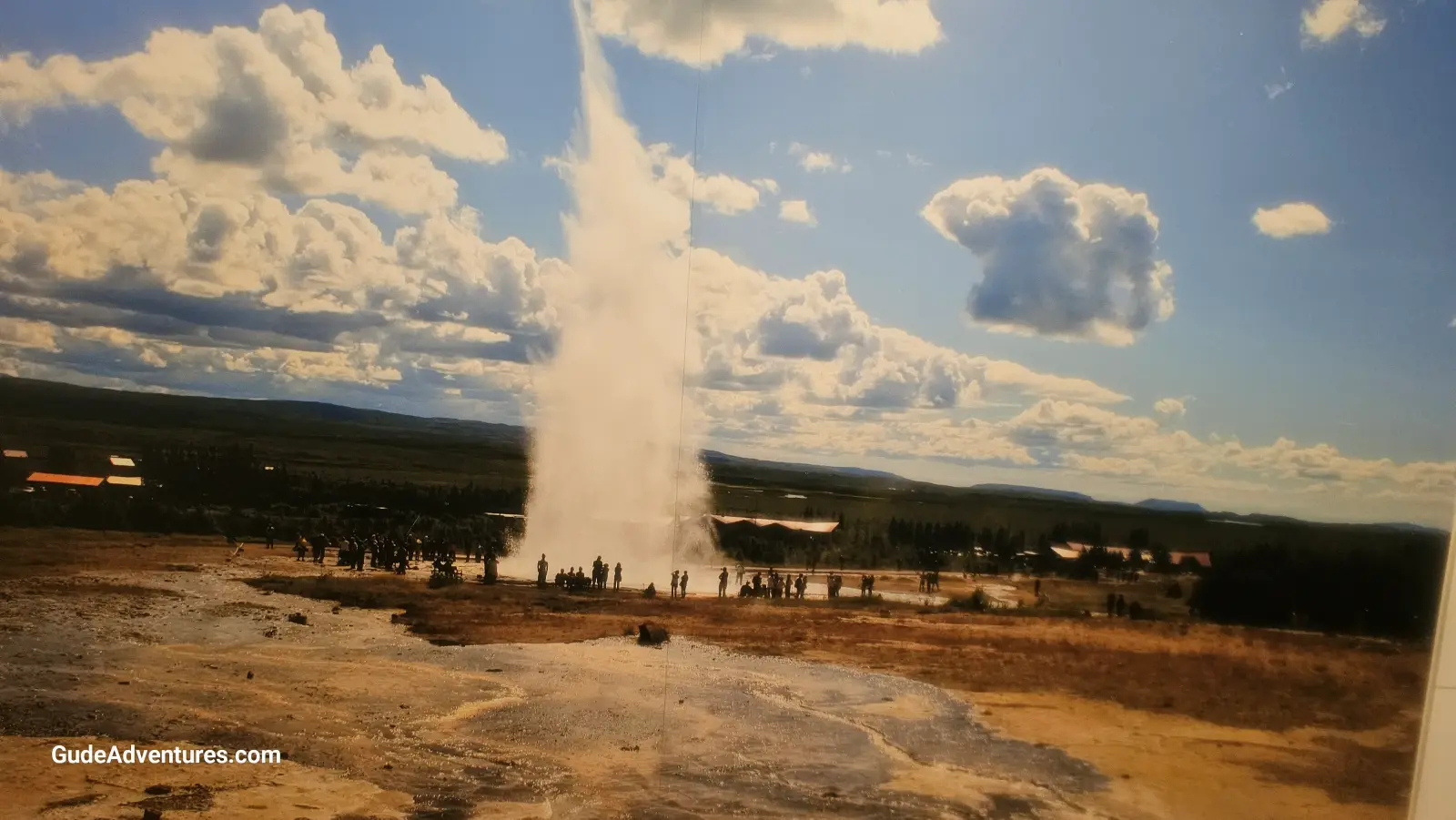
In its prime, The Great Geysir could erupt water up to 230-260 feet into the air, one of the highest natural eruptions ever recorded.