
What to see and do in Reykjavík, Iceland


Reykjavík is the Gateway to Iceland’s Natural Wonders, including Waterfalls, Glaciers, and the Golden Circle
Reykjavík is located on the southwestern coast of Iceland, near the Faxaflói Bay just a short distance from the Arctic Circle. Reykjavík became the capital when Iceland gained independence from Denmark in 1944. The city is surrounded by dramatic landscapes, including mountains, peninsulas, and volcanic terrain. The nearby Esja mountain is a popular spot for hiking, offering panoramic views of the city.
Reykjavík is believed to have been settled around AD 874 by the Norseman Ingólfur Arnarson, making it one of the oldest settlements in Iceland. According to the Landnámabók, a medieval Icelandic manuscript, Arnarson named the city "Reykjavík," meaning "smoky bay," due to the steam rising from the area's geothermal hot springs.
It remained a small fishing and farming settlement for centuries. The town's growth accelerated in the 18th century when Iceland's first industries, including fishing and wool production, were established.
On 8/22/2024, we arrived at Keflavík International Airport. From there, we took a bus to the cruise ship port where we departed the next day for a 10 day tour of Iceland and Greenland. We returned to Reykjavík on 8/31/2023 and took the Golden Circle Tour. The following day, we traveled by bus from the port to the airport and were able to observe the volcanic eruption from the highway.
Reykjavík is a mix of modern design and traditional Icelandic architecture. The city's most famous building is Hallgrímskirkja, a stunning concrete church that dominates the skyline, designed to resemble Iceland's basalt lava flows. Another iconic building is the Harpa Concert Hall, known for its glass façade that reflects the sea and sky. Reykjavík has several notable museums, including the National Museum of Iceland, the Reykjavík Art Museum, and the Saga Museum, which showcases Viking history.
The city as a gateway to Iceland’s natural wonders, including waterfalls, glaciers, and the Golden Circle route (Kerid Crater, Secret Lagoon, Þingvellir National Park, Gullfoss Waterfall, and the Geysir geothermal area). Located about 40 minutes from Reykjavík, the Blue Lagoon is one of Iceland’s most famous geothermal spas. Tourists also come to experience the Northern Lights in winter and whale watching tours from the harbor.
Reykjavík is largely powered by geothermal and hydroelectric energy, making it one of the most eco-friendly cities in the world. Its heating and electricity come from nearby geothermal power plants, such as Hellisheiði.
Keflavík International Airport is located about 31 miles from Reykjavík, serving as the main international gateway to Iceland.
Looking for a place to stay? Click here for options.
Viator offers numerous tours in the Reykjavik area. Click here for details.
Pictures from Reykjavík
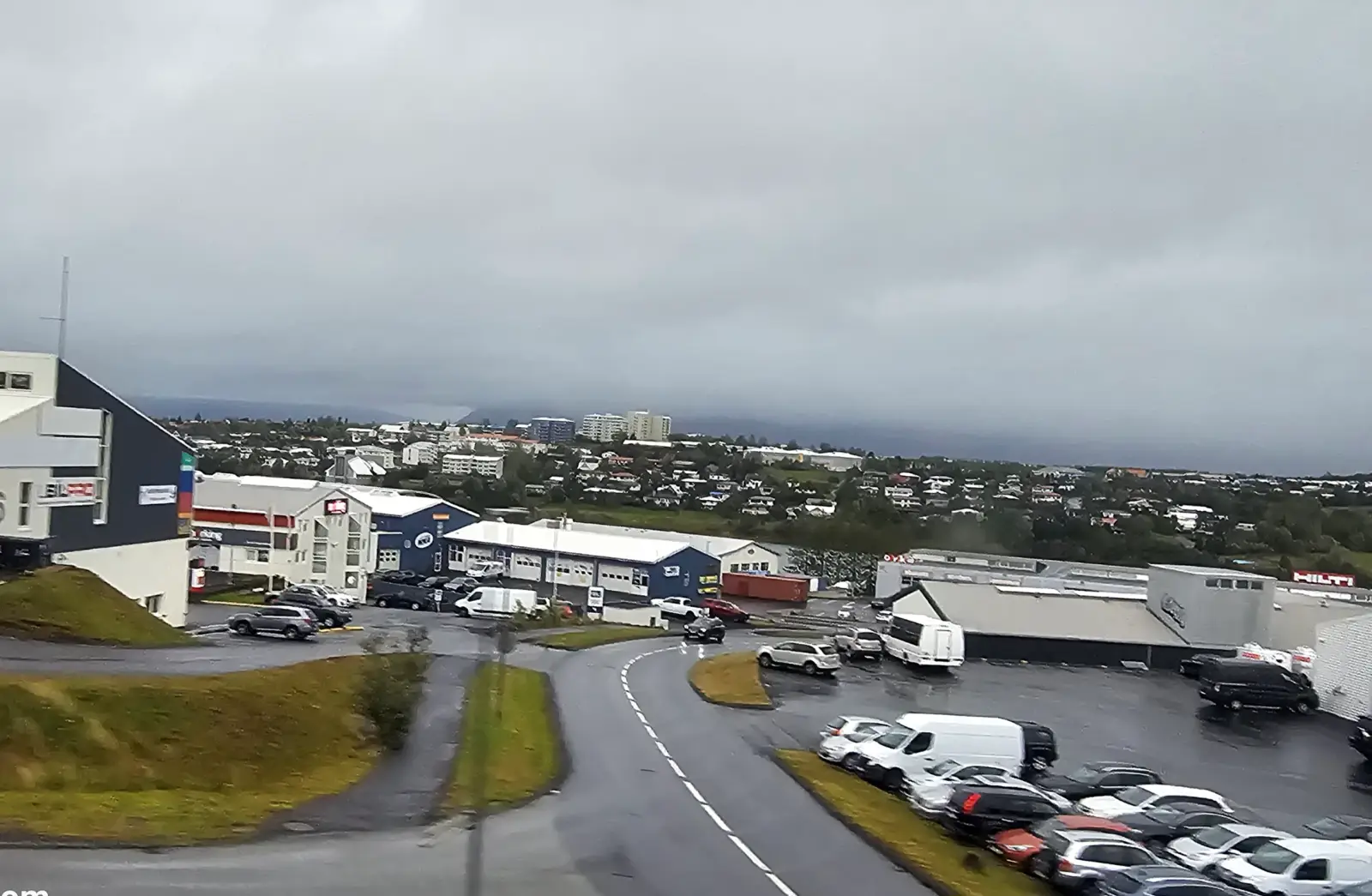
View towards downtown Reykjavík.
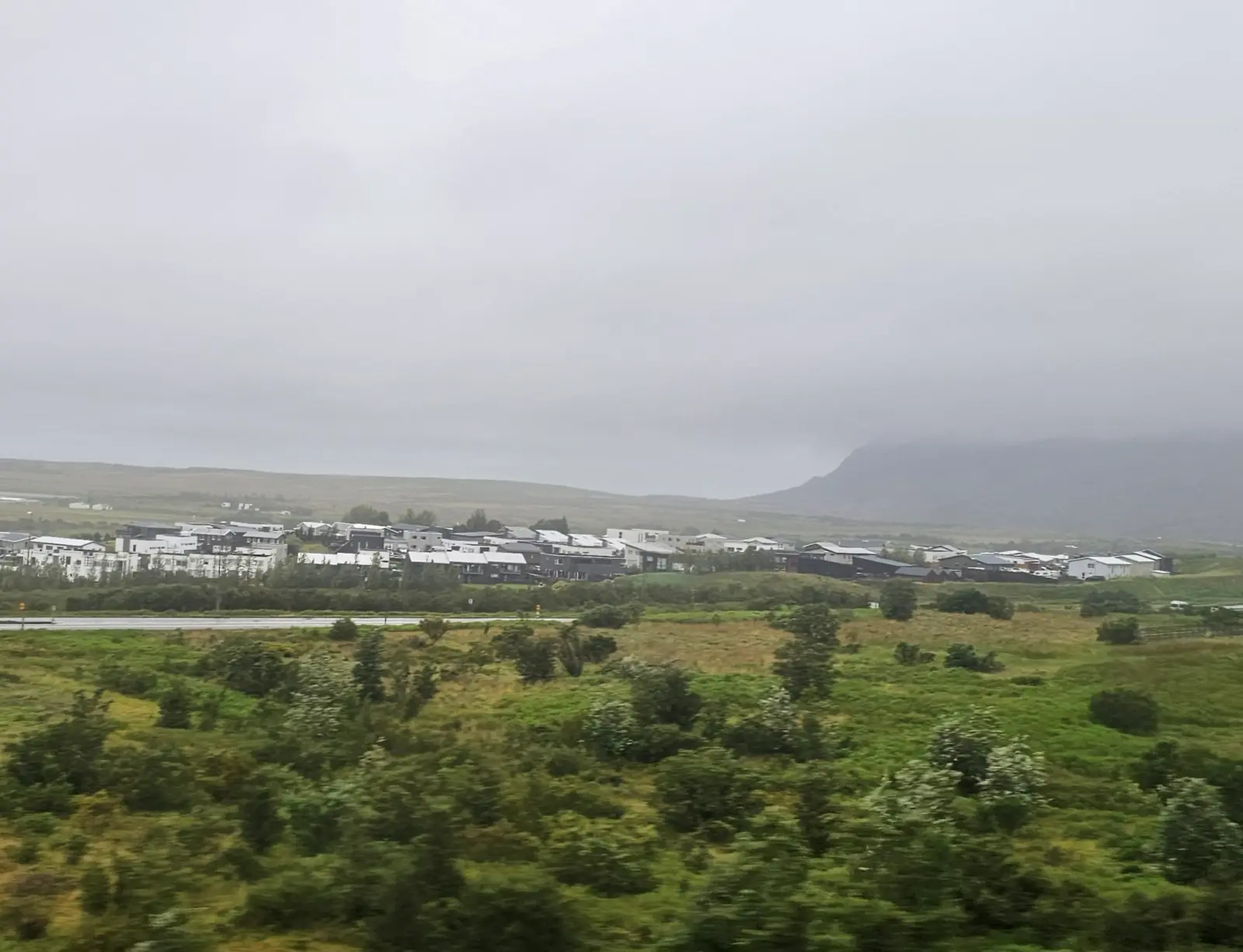
Mountains to the Northeast of Reykjavík.
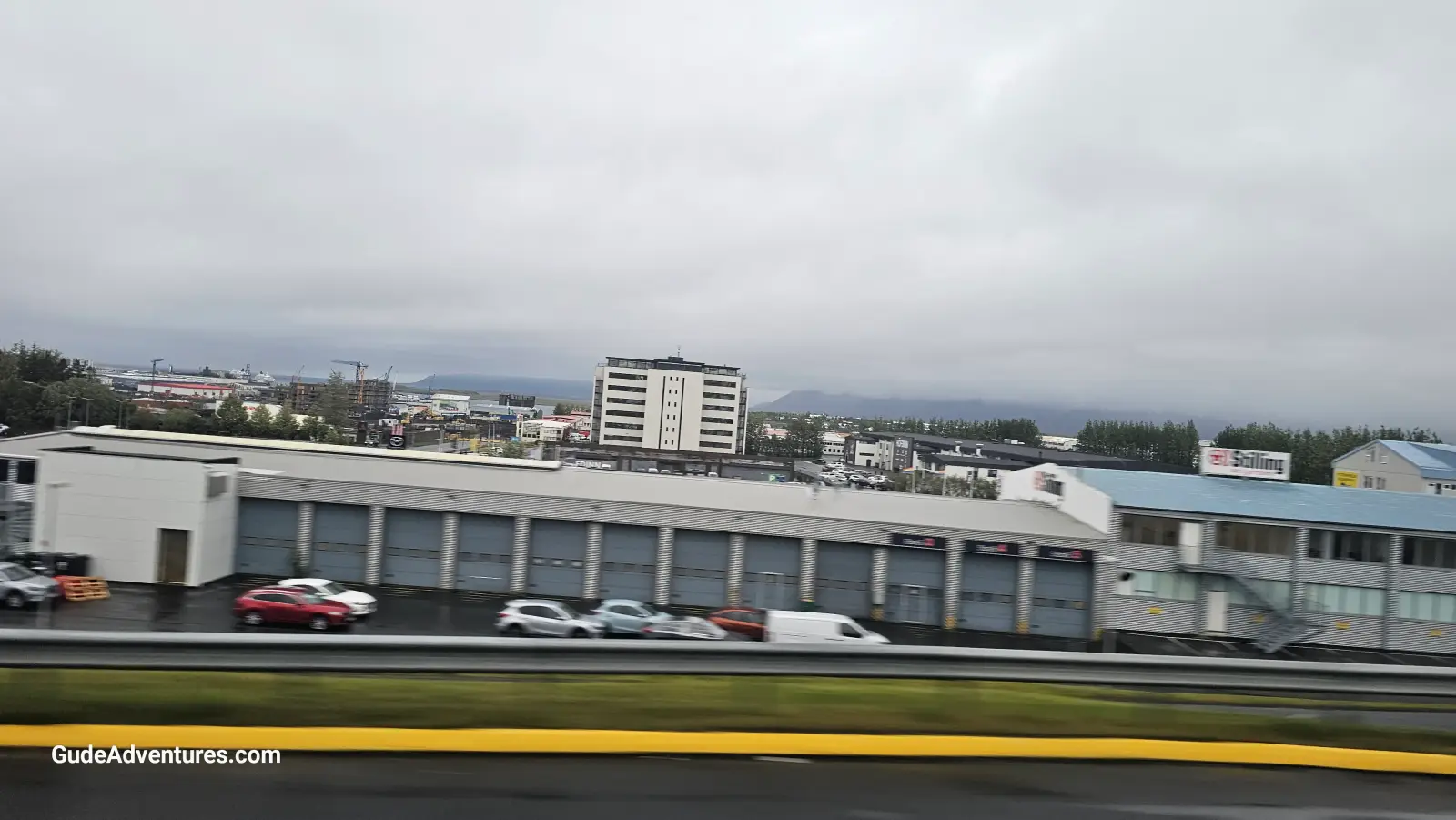
Industrial area of Reykjavík.
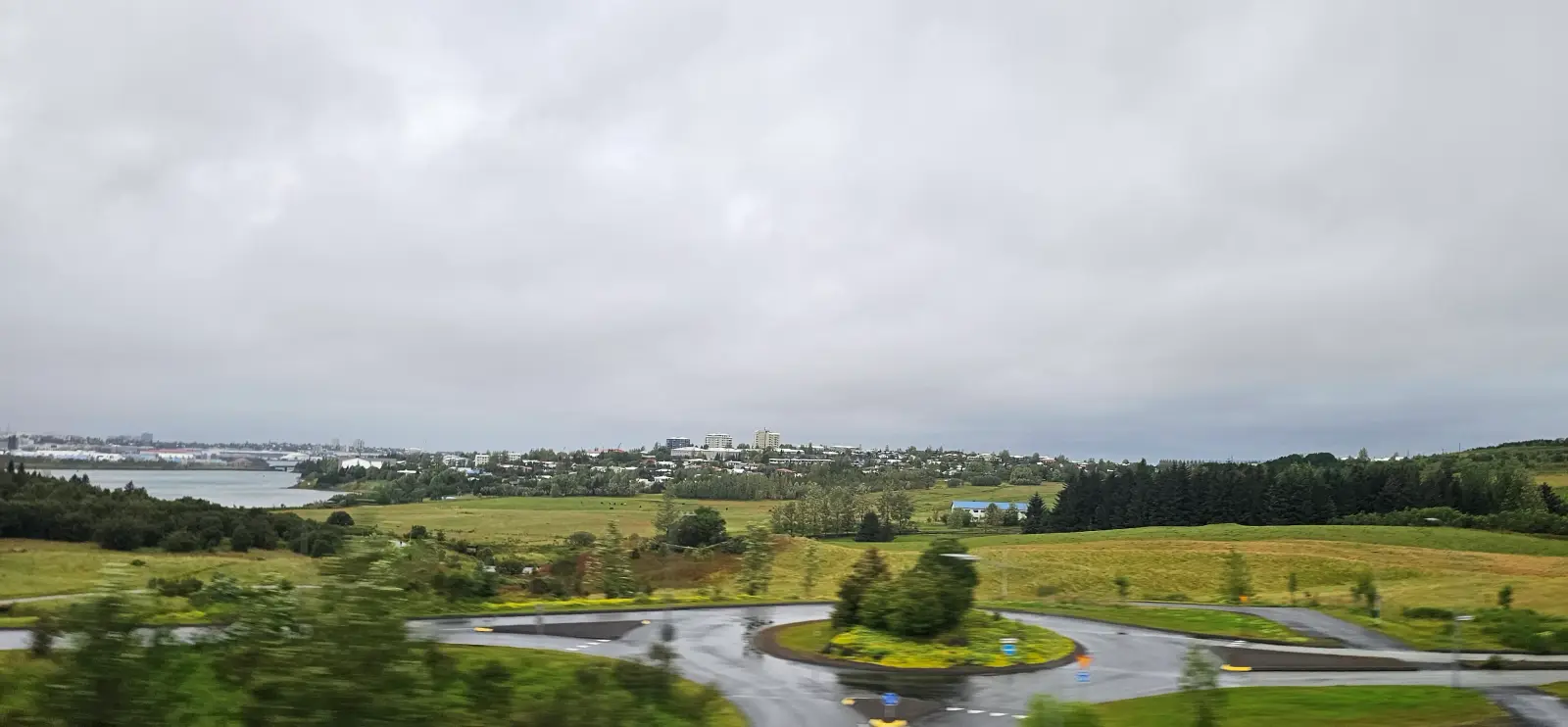
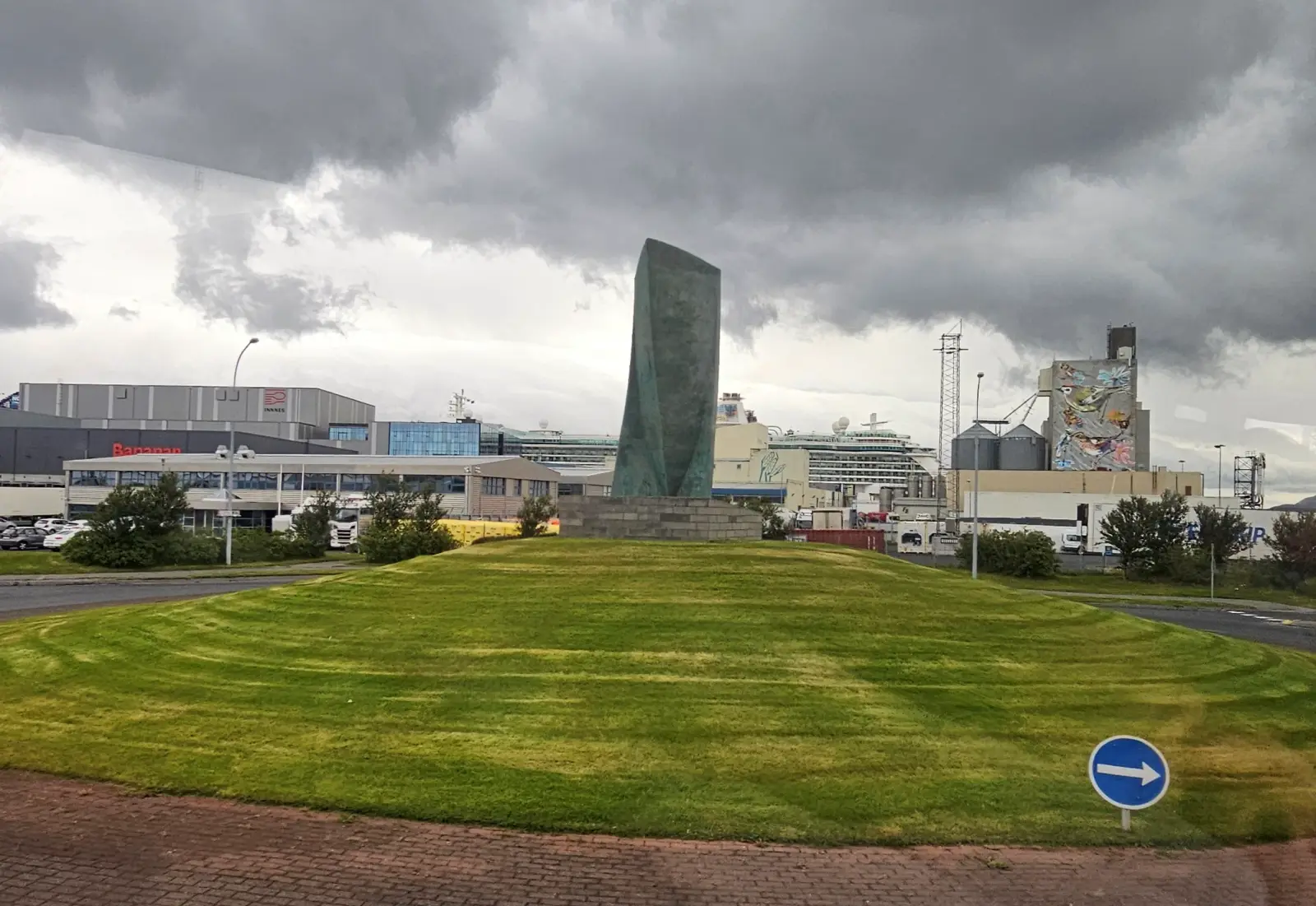
Traffic circle in the suburbs of Reykjavík.
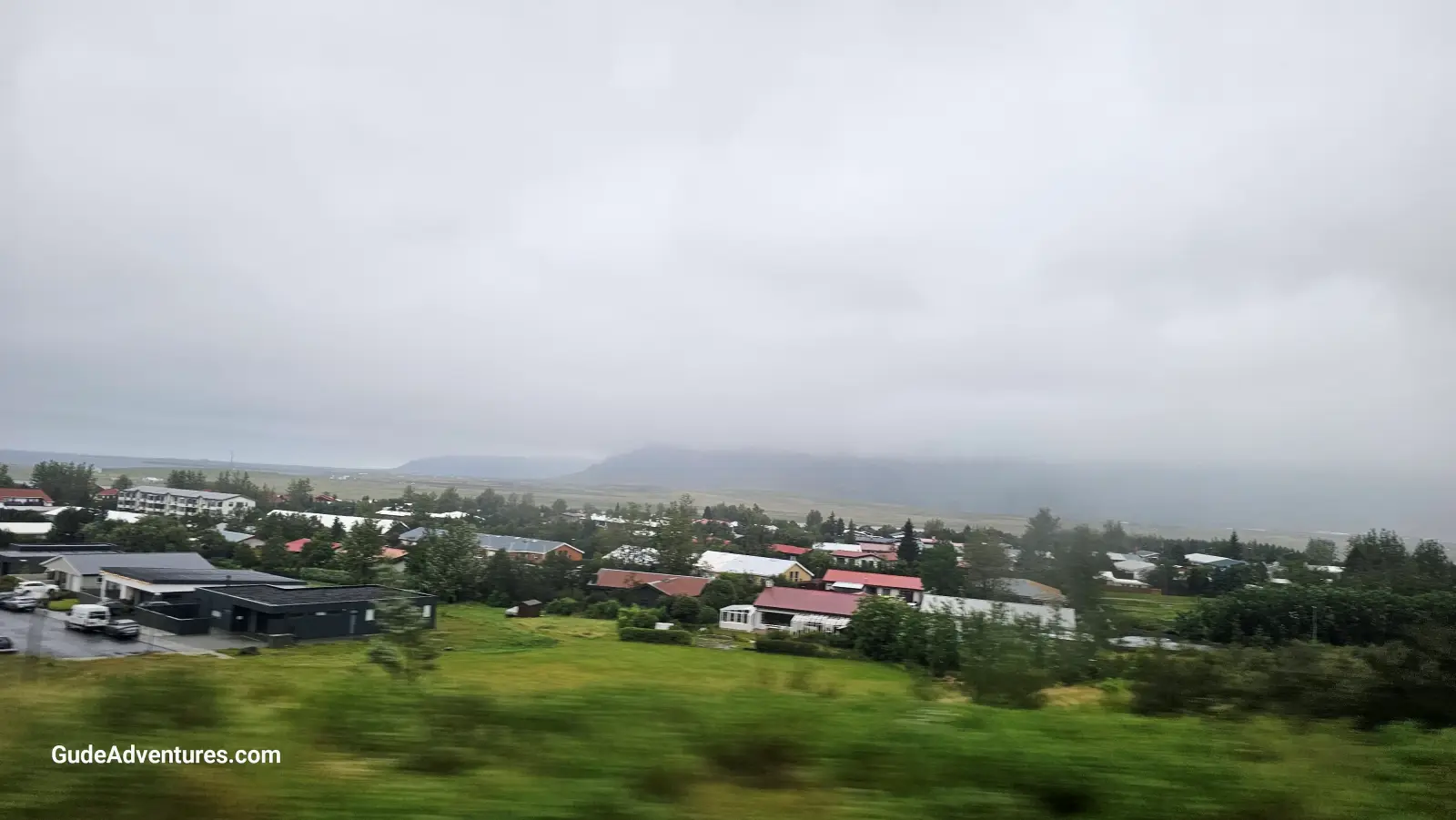
The suburbs of Reykjavík.
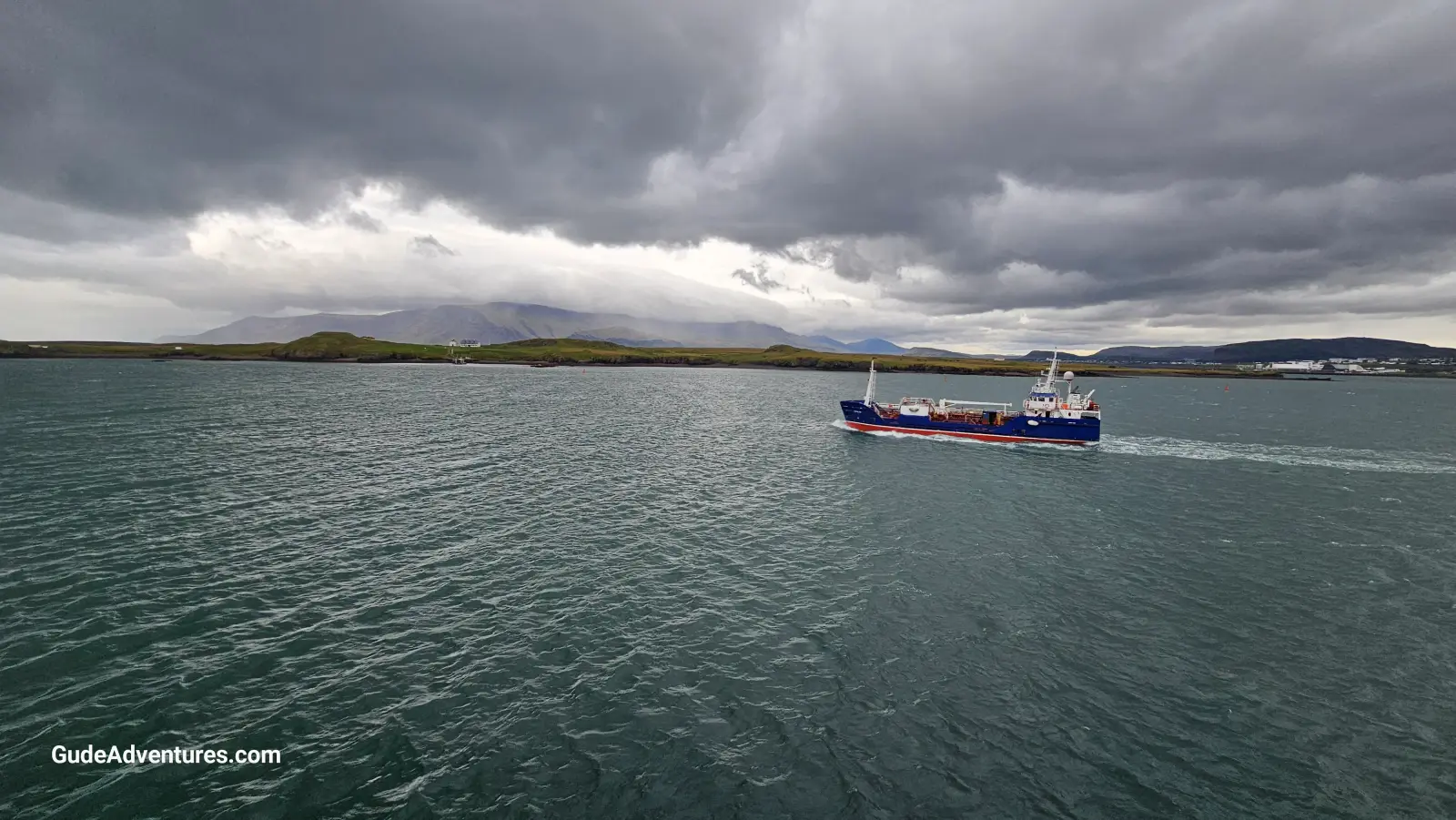
View of the harbor from the port of Reykjavík.
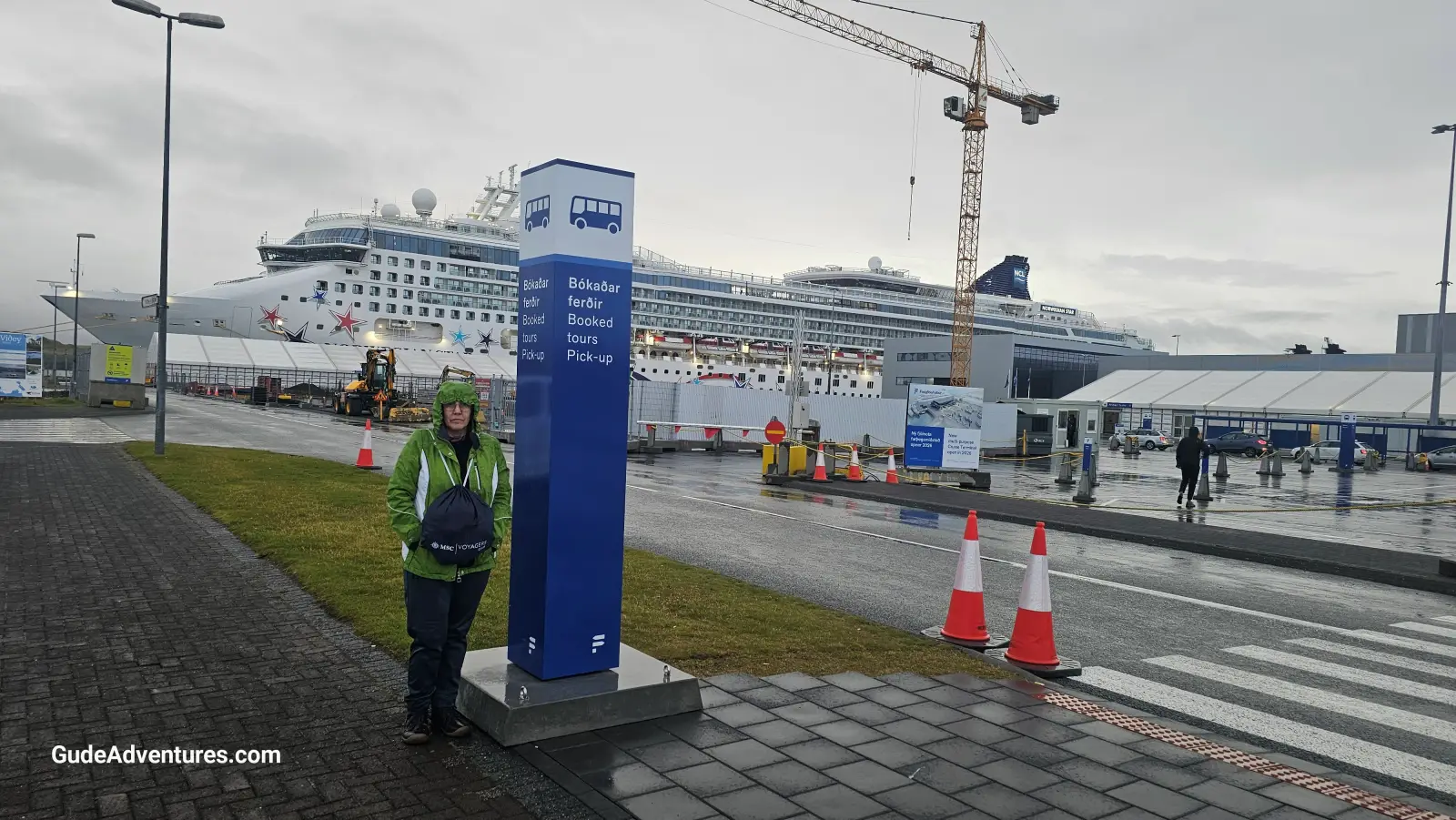
The port of Reykjavík.
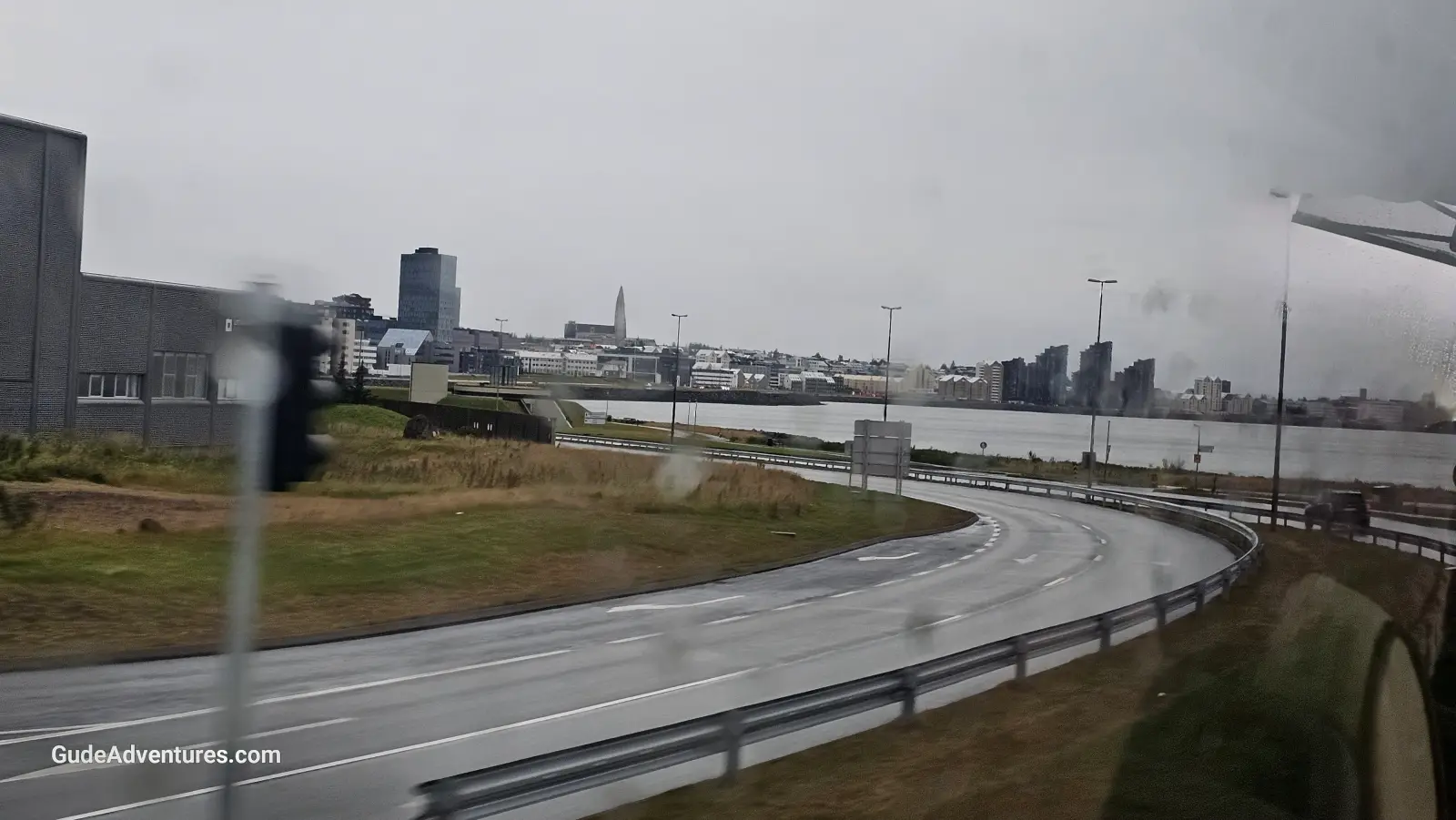
Highway from the port to downtown Reykjavík.
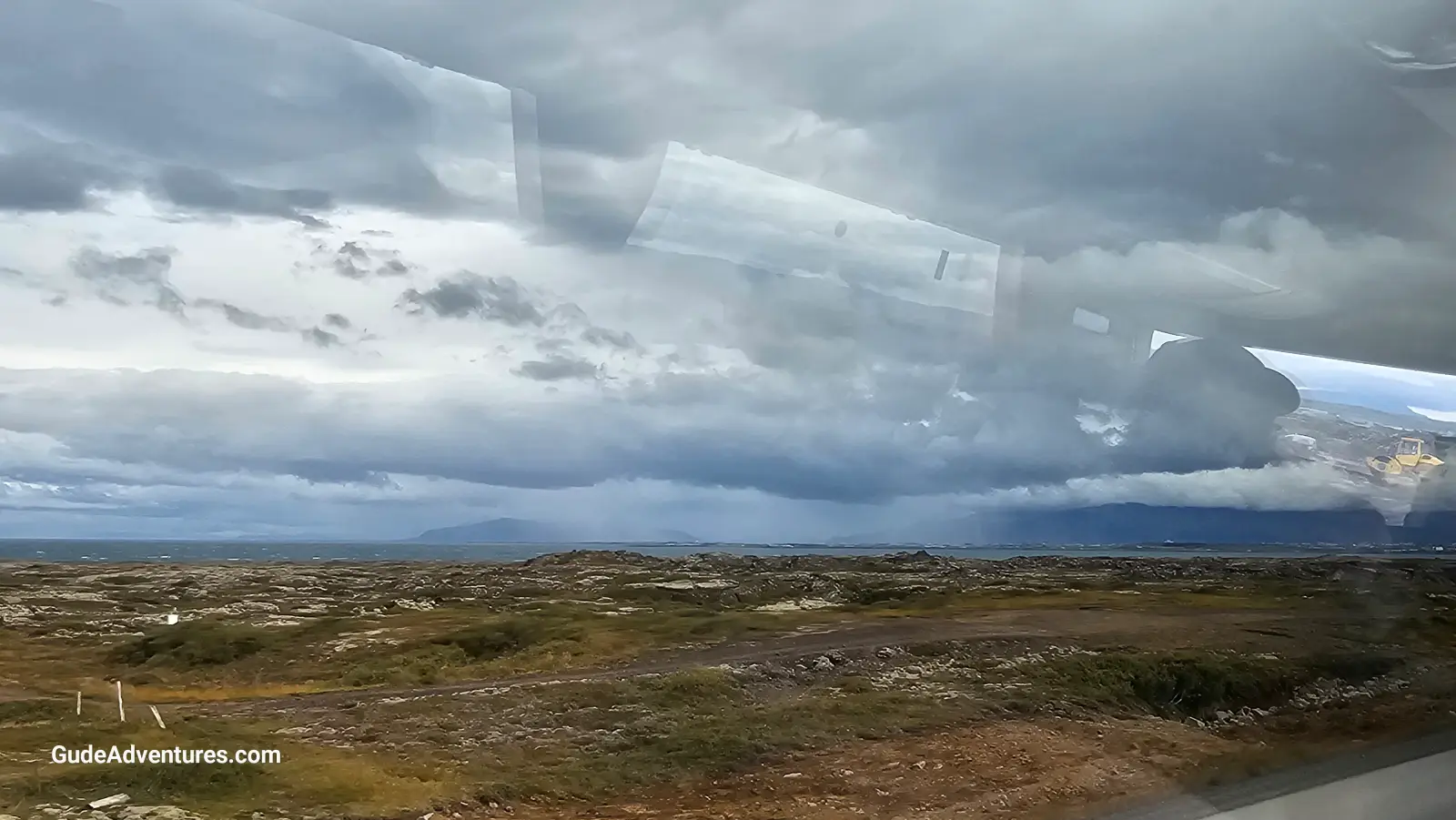
View of Reykjavík as you approach it from the airport.