
Iceland
13 places in Iceland
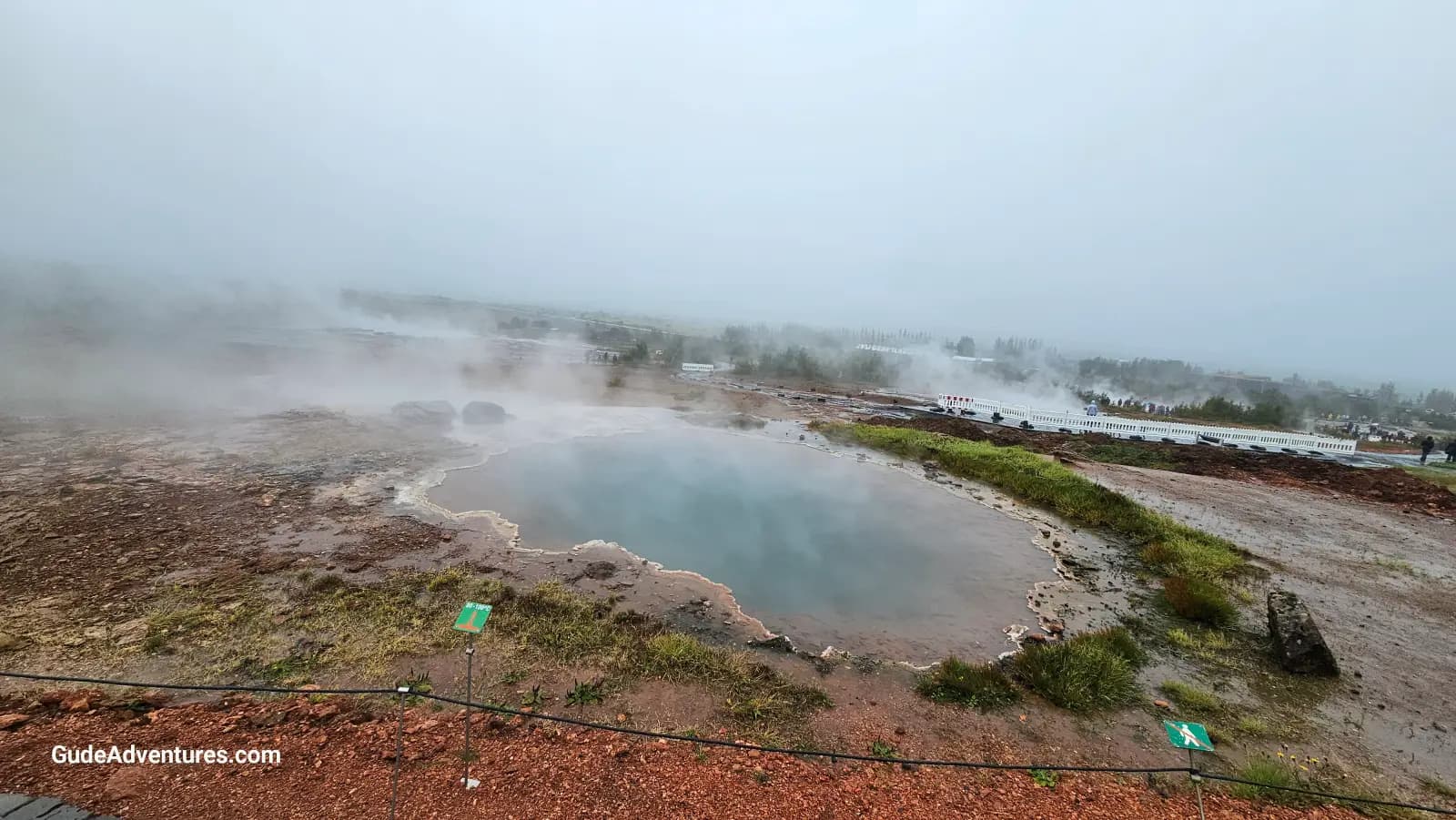 What to see and do at Geysir, IcelandVisited August 2024Geysir, located in the Haukadalur Valley in southwestern Iceland, is one of the country’s most famous geothermal features and the source of the word “geyser.” The area is known for its geothermal activity, including bubbling hot springs, fumaroles, and the more active neighboring geyser, Strokkur, which erupts frequently. Geysir itself has been mostly dormant in recent years but remains an iconic natural wonder in Iceland.
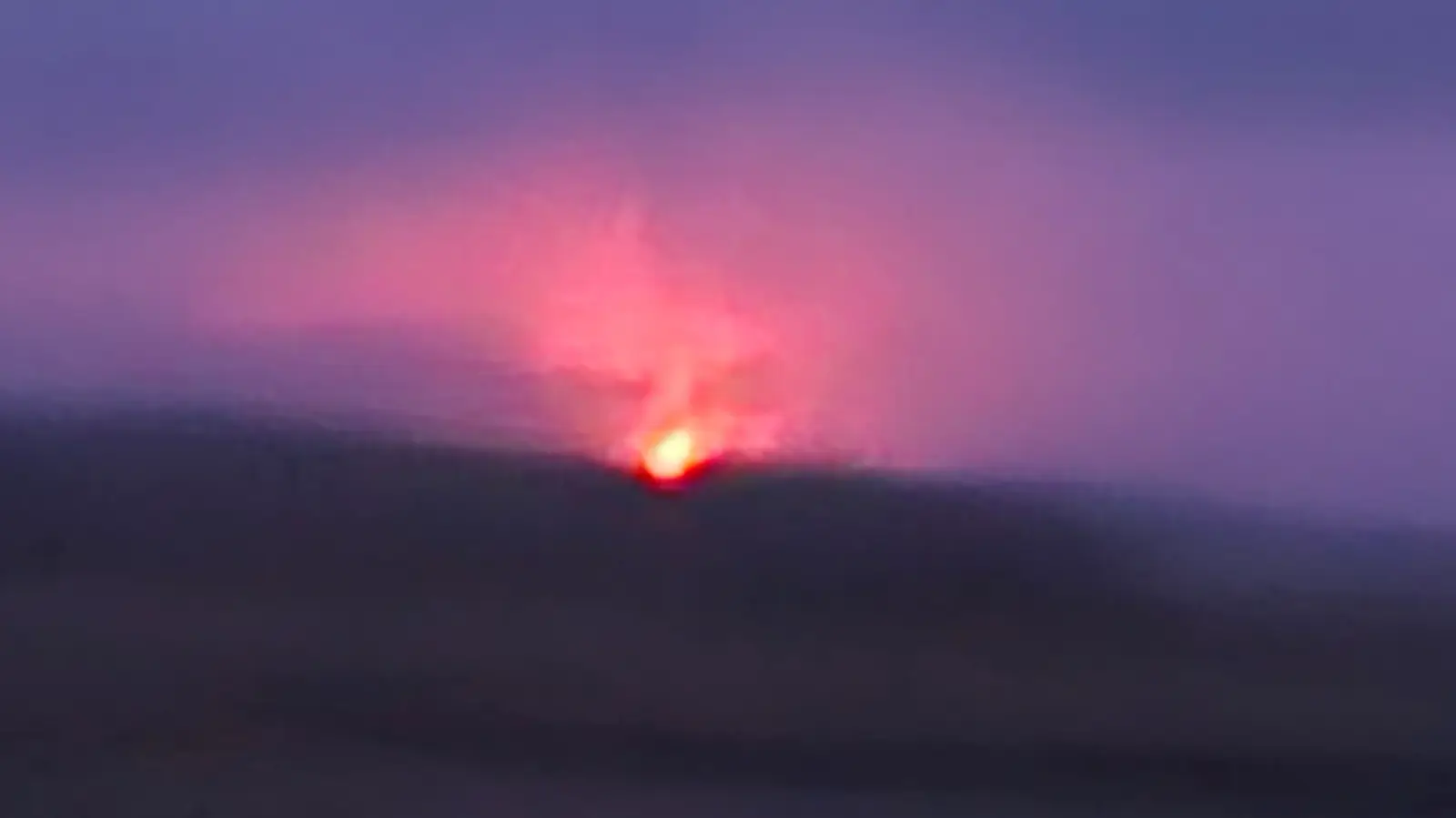 What to see and do at Grindavik, IcelandVisited September 2024The Grindavik volcanic system is located on the Reykjanes Peninsula which is characterized by rugged lava fields, black volcanic rock, and geothermal features like hot springs and fumaroles. The Reykjanes Peninsula is located at the boundary of the Mid-Atlantic Ridge, where the Eurasian and North American tectonic plates are moving apart. The region is highly geologically active due to the divergent tectonic boundary.
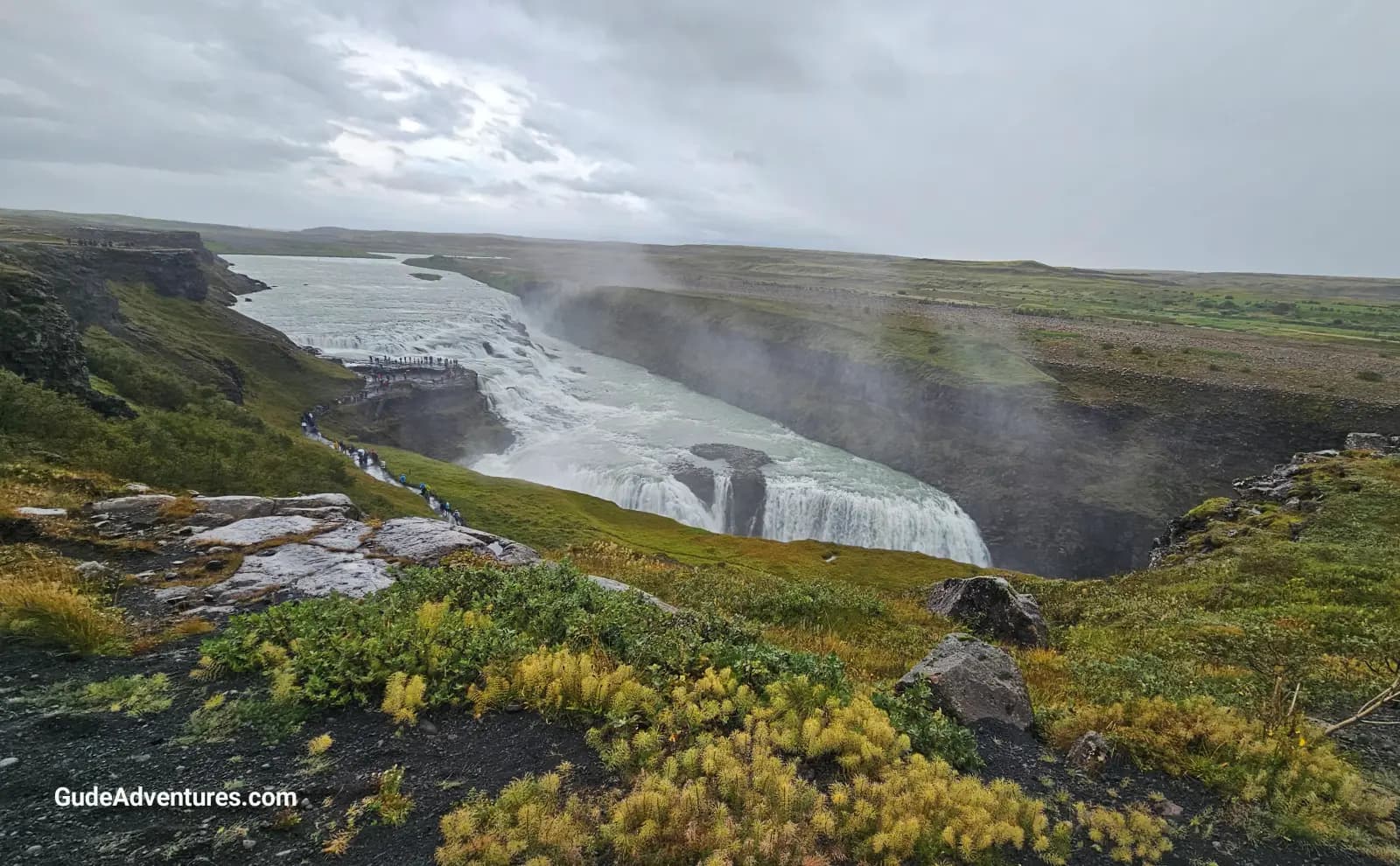 What to see and do at Gullfoss Waterfall, IcelandVisited August 2024Gullfoss Waterfall is one of Iceland’s most iconic and breathtaking natural landmarks. It is located 75 miles northeast of Reykjavík in the southwest of the country and is part of the famous Golden Circle, a popular tourist route that also includes Geysir and Þingvellir National Park. Known for its immense beauty and power, Gullfoss is a multi-tiered waterfall on the Hvítá River, a glacial river fed by the Langjökull Glacier.
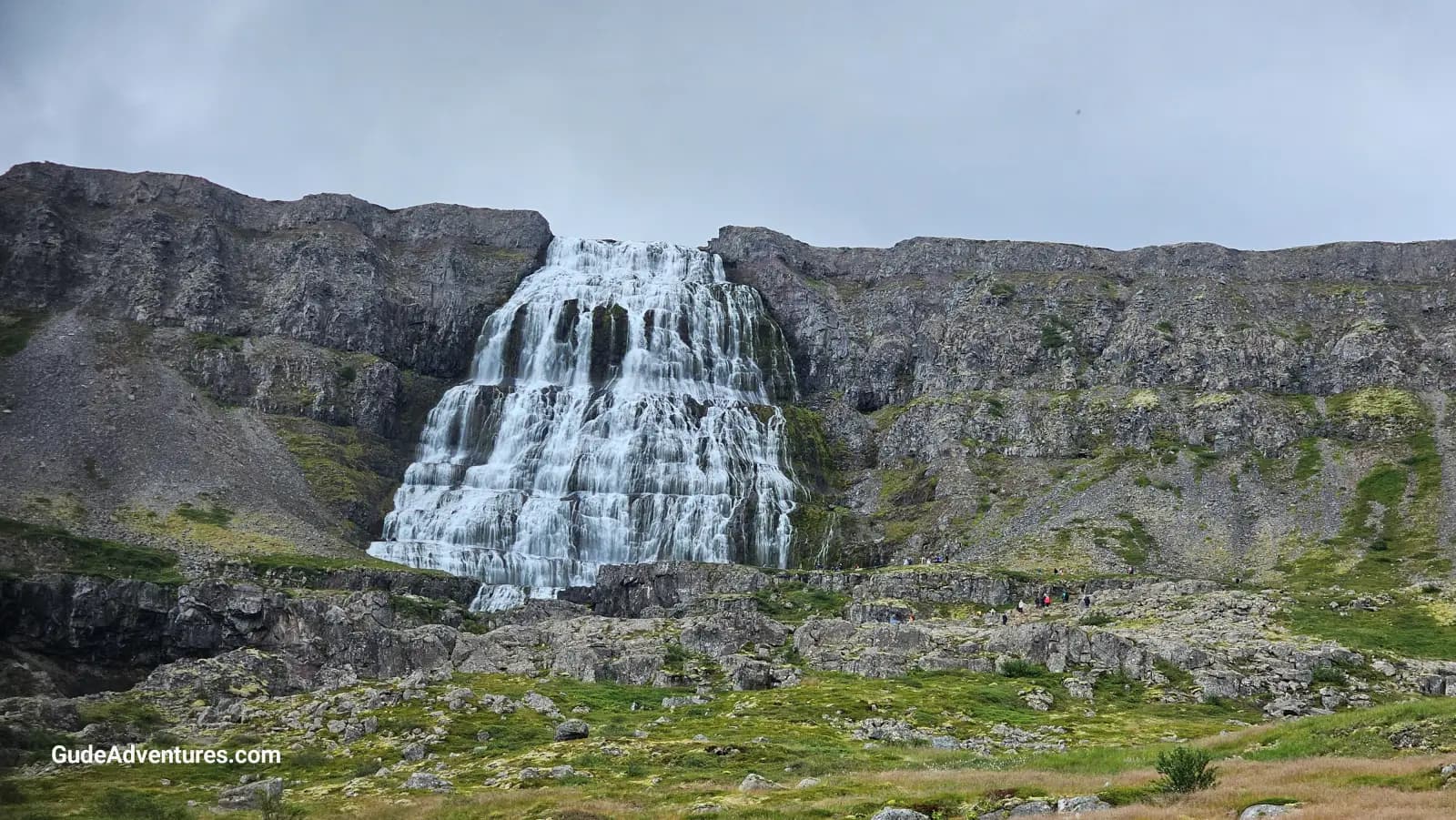 What to see and do at the Dynjandi Waterfalls, IcelandVisited August 2024Dynjandi Waterfalls (also known as Fjallfoss) is one of the most spectacular and iconic waterfalls in Iceland. Located in the Westfjords region, it’s renowned for its dramatic and unique appearance.
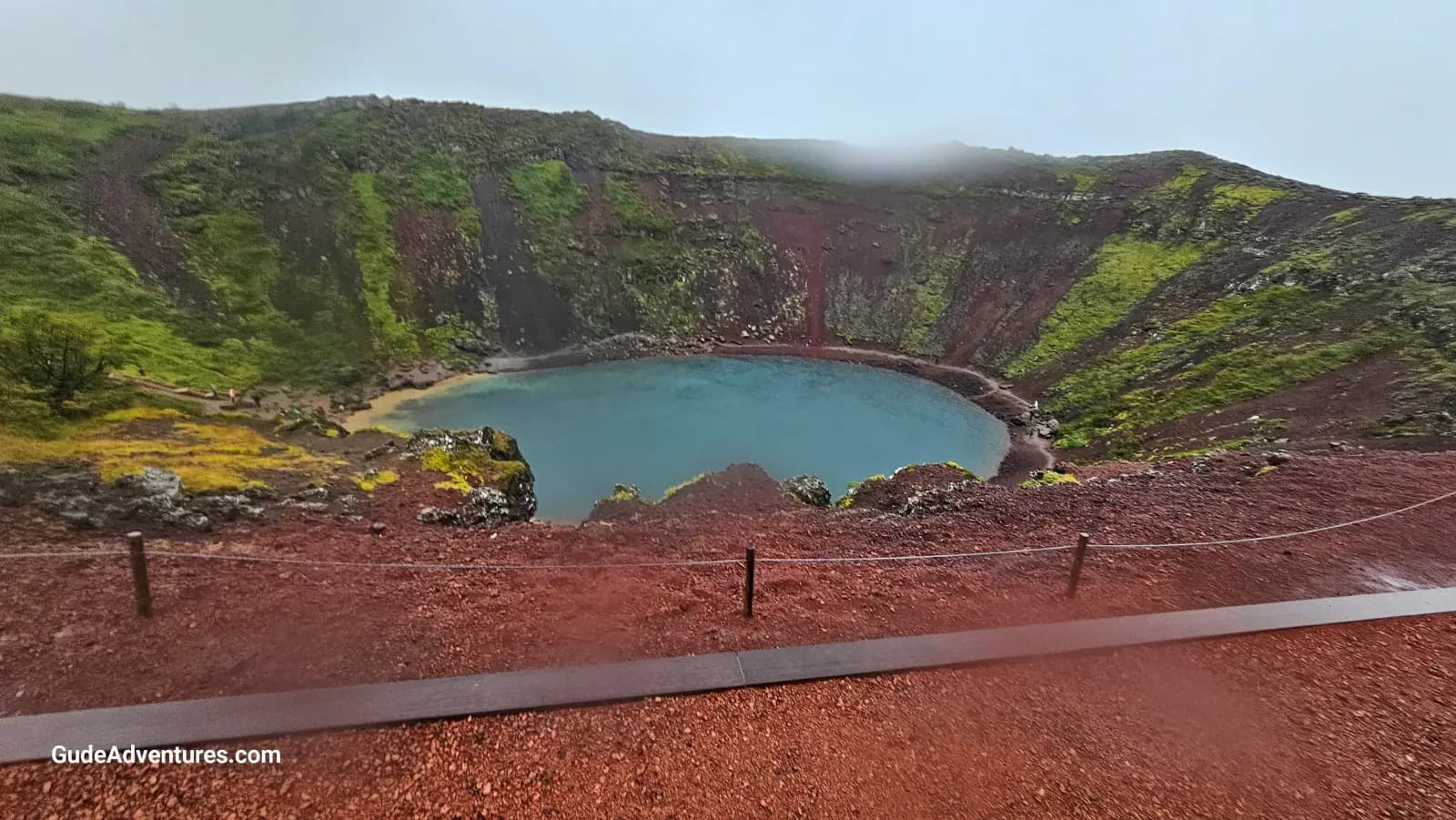 What to see and do at the Kerid Crater, IcelandVisited August 2024Kerid Crater is a stunning volcanic crater lake located in southern Iceland. It is part of the Golden Circle, one of the most popular tourist routes in Iceland, known for its dramatic landscapes, geological significance, and easily accessible beauty. The crater is approximately 3,000 years old, which is relatively young in geological terms, and has become one of Iceland’s most visited natural attractions.
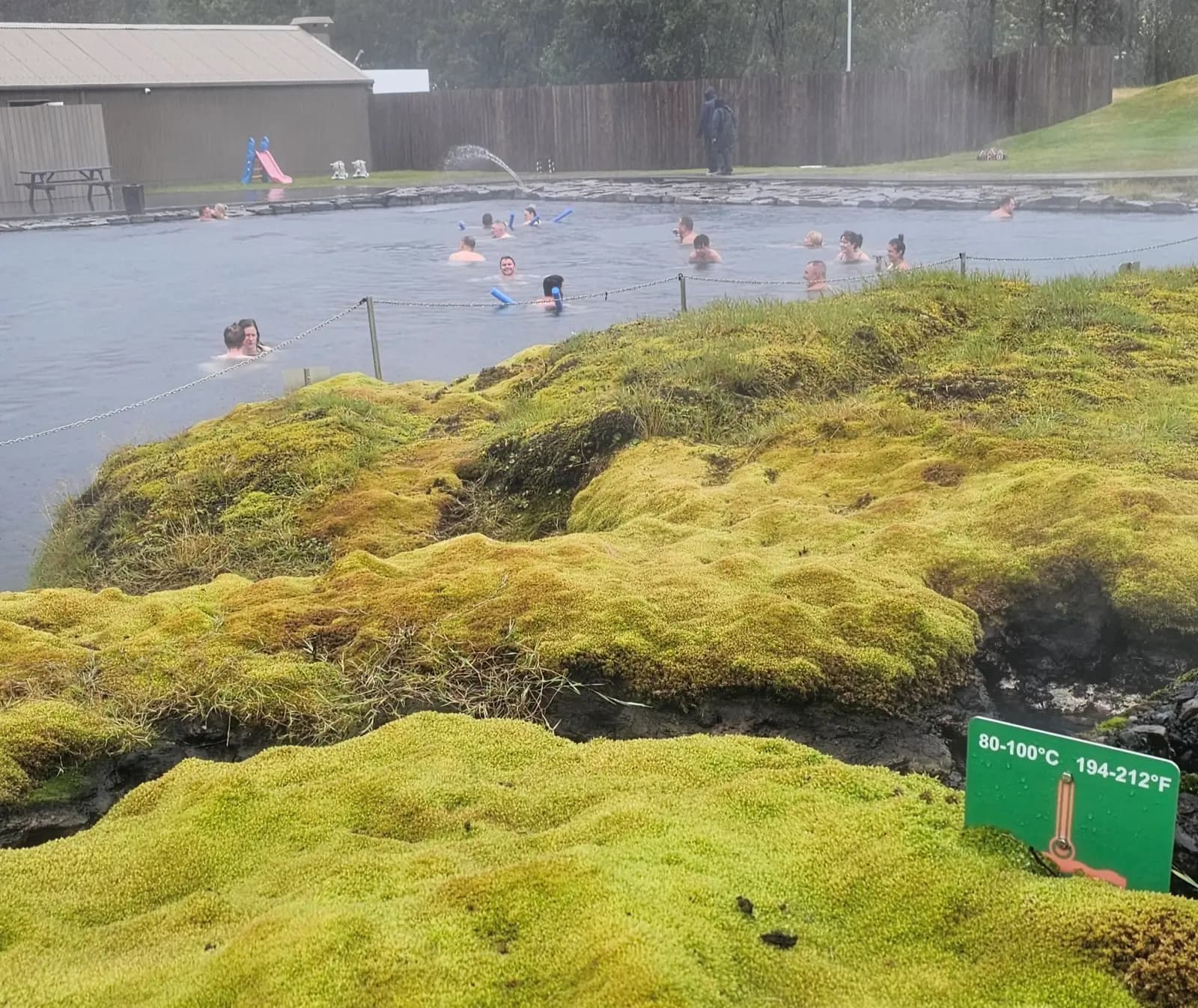 What to see and do at the Secret Lagoon. IcelandVisited August 2024The Secret Lagoon (Icelandic: Gamla Laugin) is one of Iceland's oldest geothermal pools, located in the small village of Flúðir in the Golden Circle region. Known for its rustic and natural feel, it offers visitors a more authentic and tranquil hot spring experience compared to the larger and more tourist-heavy Blue Lagoon. The Secret Lagoon is fed by natural hot springs and has become a popular destination for both locals and tourists looking to relax in Iceland’s geothermal waters.
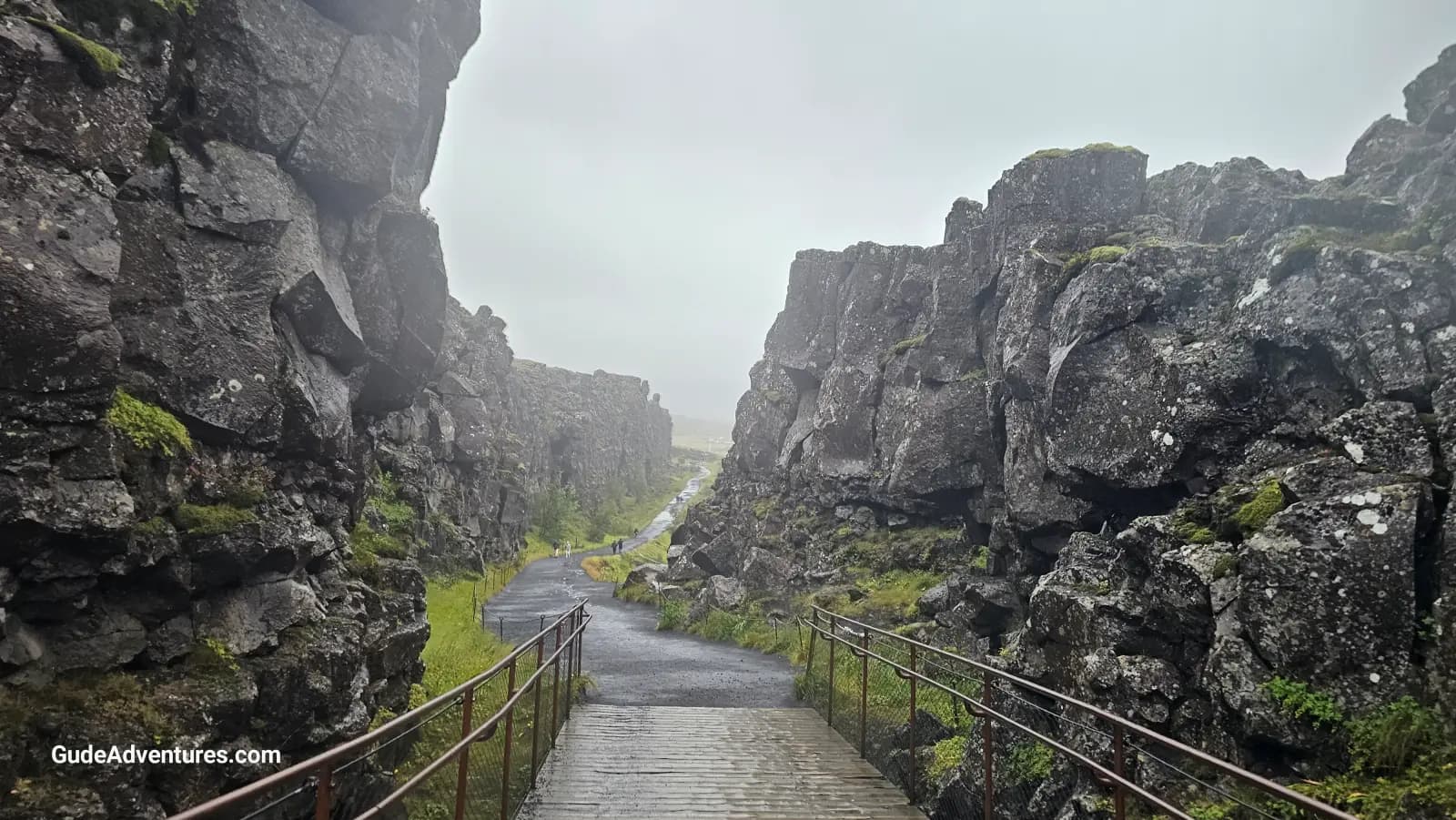 What to see and do at the Thingvellir National Park, IcelandVisited August 2024Þingvellir National Park (Thingvellir) is one of Iceland’s most significant natural and historical landmarks. Located in southwestern Iceland, it is not only a UNESCO World Heritage Site due to its historical importance but also a geological wonder. The park is part of the Golden Circle route, along with Gullfoss Waterfall and the Geysir geothermal area, making it one of the country’s most visited destinations.
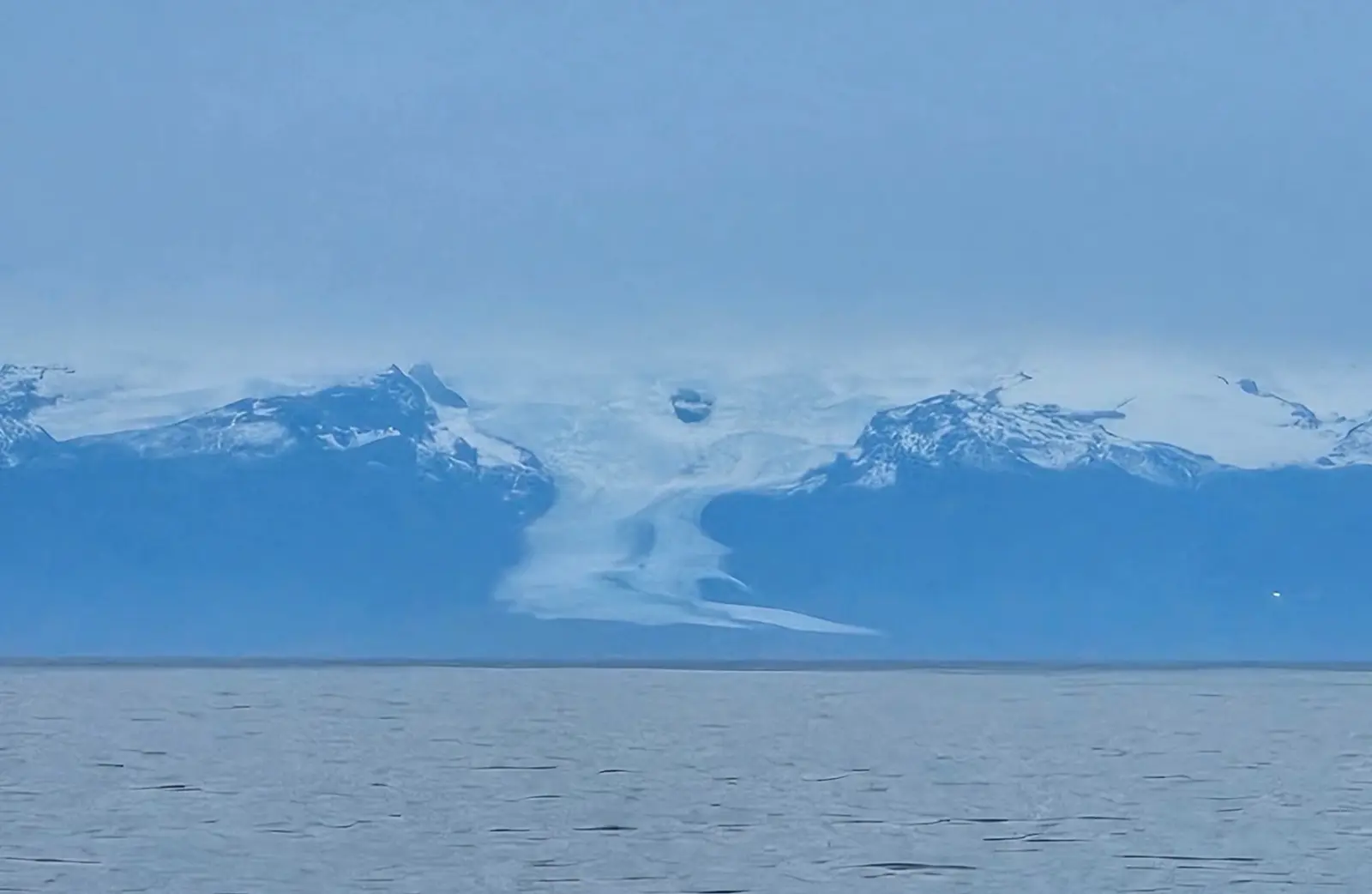 What to see and do at the Vatnajökull Glacier, IcelandVisited August 2024Vatnajökull is the largest glacier in Europe. It is located in the southeast of Iceland and it covers around 8% of the country’s landmass (3,100 square miles). The glacier is part of the Vatnajökull National Park, which is renowned for its stunning landscapes.
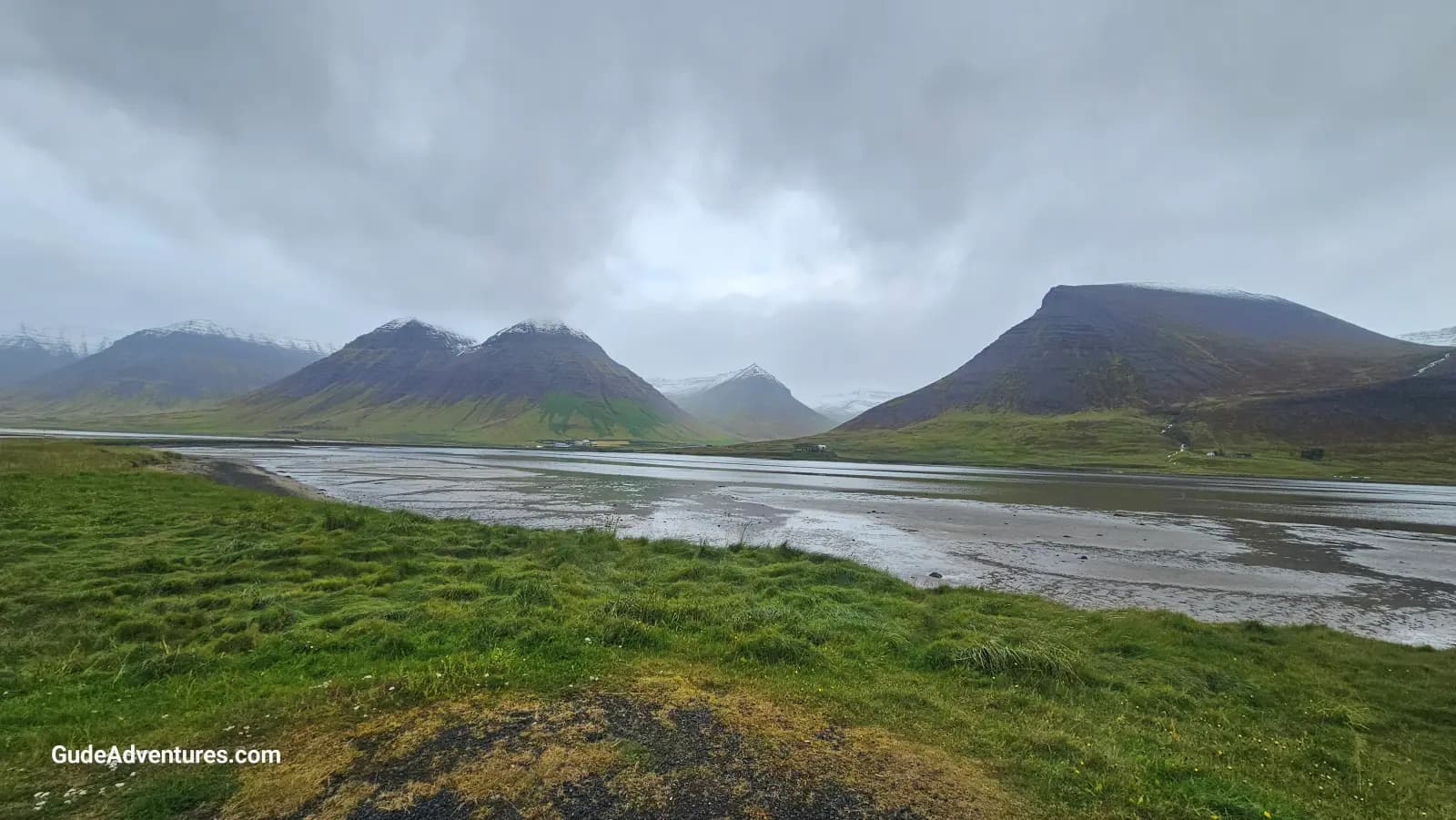 What to see and do at the Westfjords, IcelandVisited August 2024The Westfjords (Vestfirðir) is one of Iceland’s most remote and rugged regions, known for its dramatic landscapes, isolated communities, and breathtaking natural beauty. It’s often regarded as Iceland’s hidden gem, offering a unique experience compared to the more visited parts of the country.
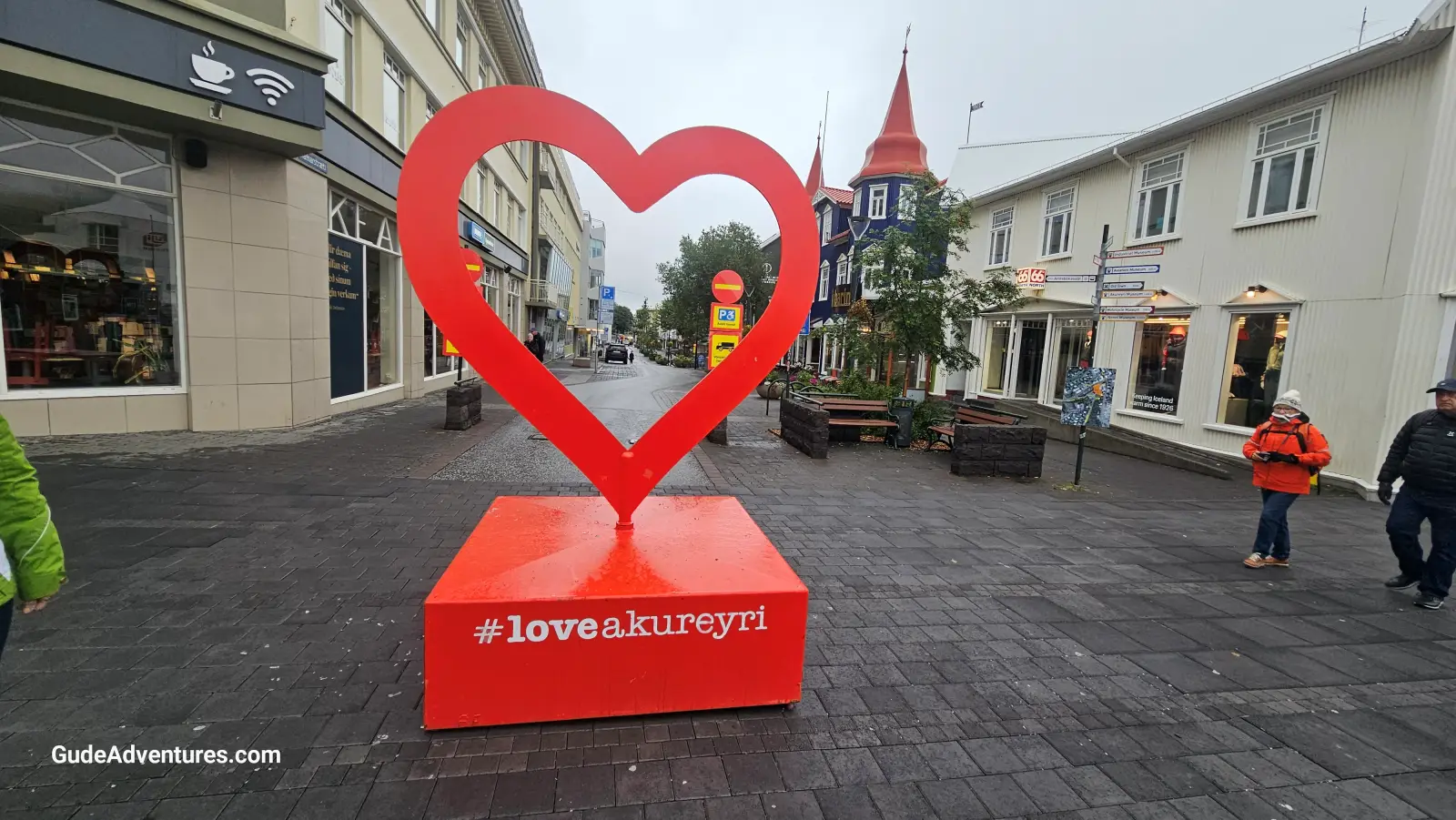 What to see and do in Akureyri, IcelandVisited August 2024Akureyri with a population of about 20,000 people is Iceland's second-largest city, located in the northern part of the country. Often referred to as the “Capital of the North,” is a vibrant hub with a rich cultural scene, beautiful natural surroundings, and a range of activities for visitors.
Akureyri lies on the shore of Eyjafjörður, Iceland’s longest fjord, which extends about 37 miles inland from the coast. The city is set on a flat plain at the base of the Súluheiði mountain range.
What to see and do in Akureyri, IcelandVisited August 2024Akureyri with a population of about 20,000 people is Iceland's second-largest city, located in the northern part of the country. Often referred to as the “Capital of the North,” is a vibrant hub with a rich cultural scene, beautiful natural surroundings, and a range of activities for visitors.
Akureyri lies on the shore of Eyjafjörður, Iceland’s longest fjord, which extends about 37 miles inland from the coast. The city is set on a flat plain at the base of the Súluheiði mountain range.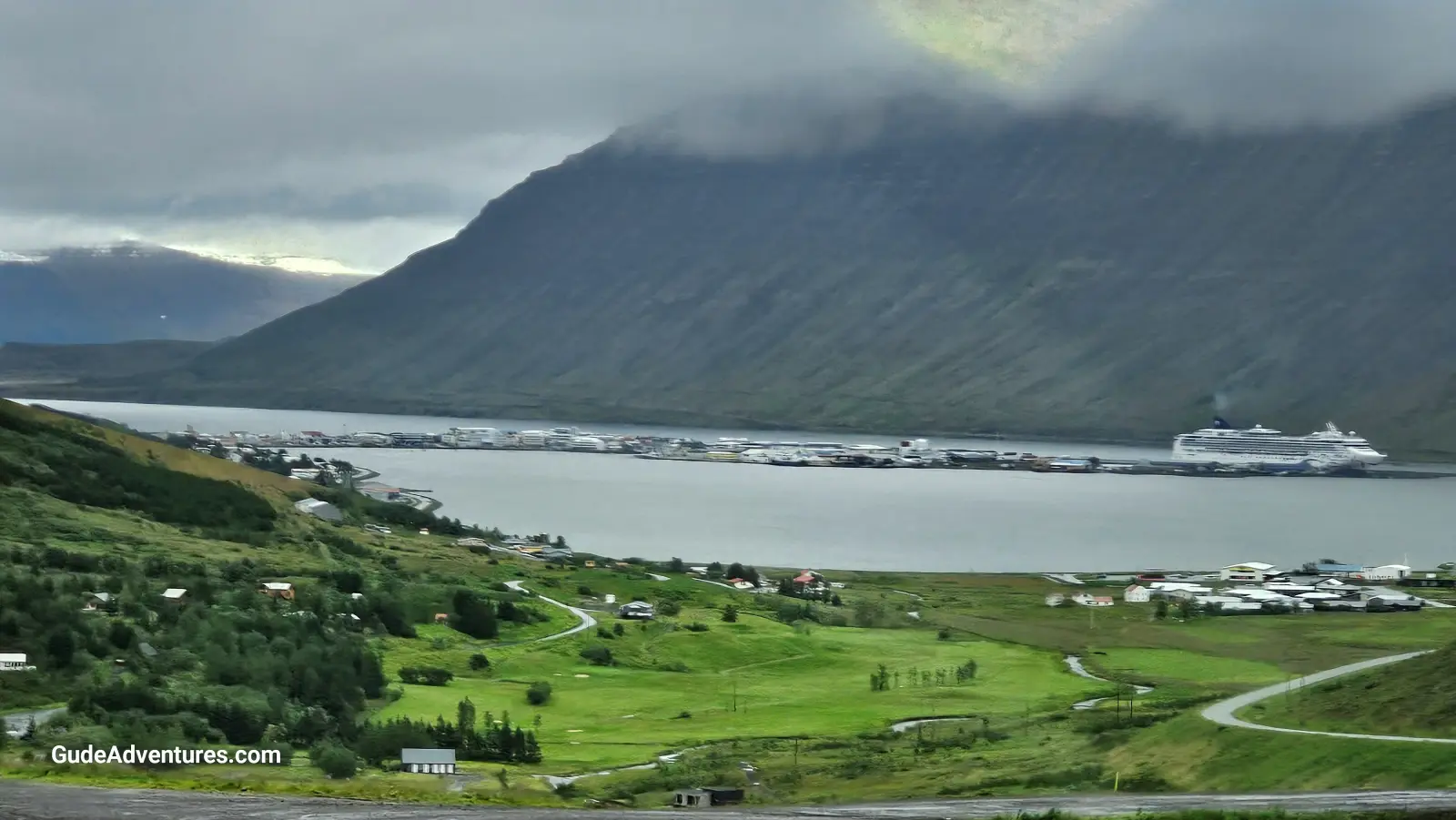 What to see and do in Ísafjordur, IcelandVisited August 2024Ísafjörður is a charming town located in the Westfjords region of Iceland. As the largest settlement in the Westfjords, it serves as a hub for the surrounding area, offering a blend of natural beauty, rich history, and vibrant local culture. It lies on the edge of the Ísafjarðardjúp fjord and is surrounded by dramatic fjord landscapes and mountains. The town is set at the head of Skutulsfjörður and is connected to other parts of the Westfjords by coastal roads, tunnels, and mountain passes.
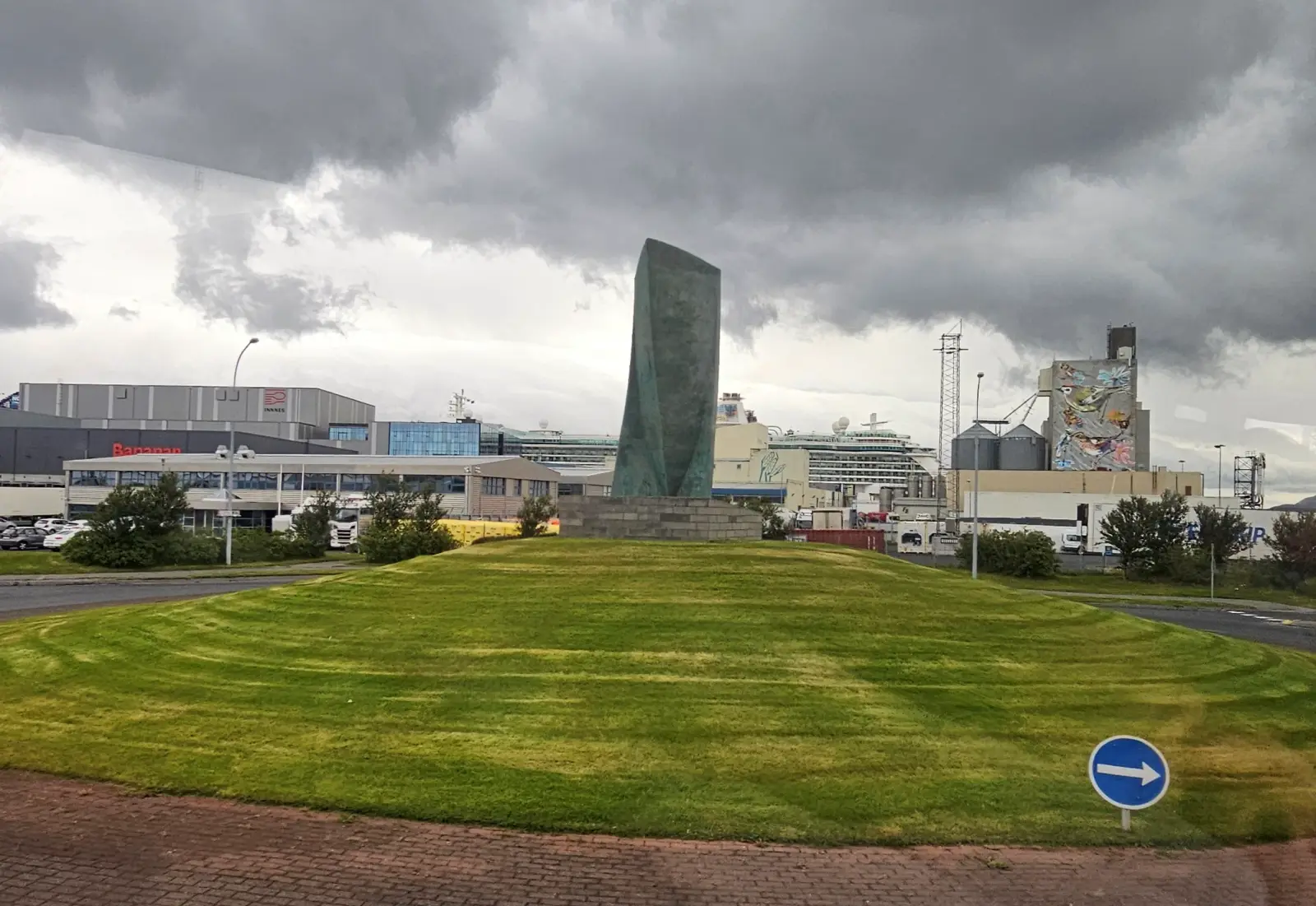 What to see and do in Reykjavík, IcelandVisited August 2024Reykjavík is located on the southwestern coast of Iceland, near the Faxaflói Bay just a short distance from the Arctic Circle. Reykjavík became the capital when Iceland gained independence from Denmark in 1944. The city is surrounded by dramatic landscapes, including mountains, peninsulas, and volcanic terrain. The nearby Esja mountain is a popular spot for hiking, offering panoramic views of the city.
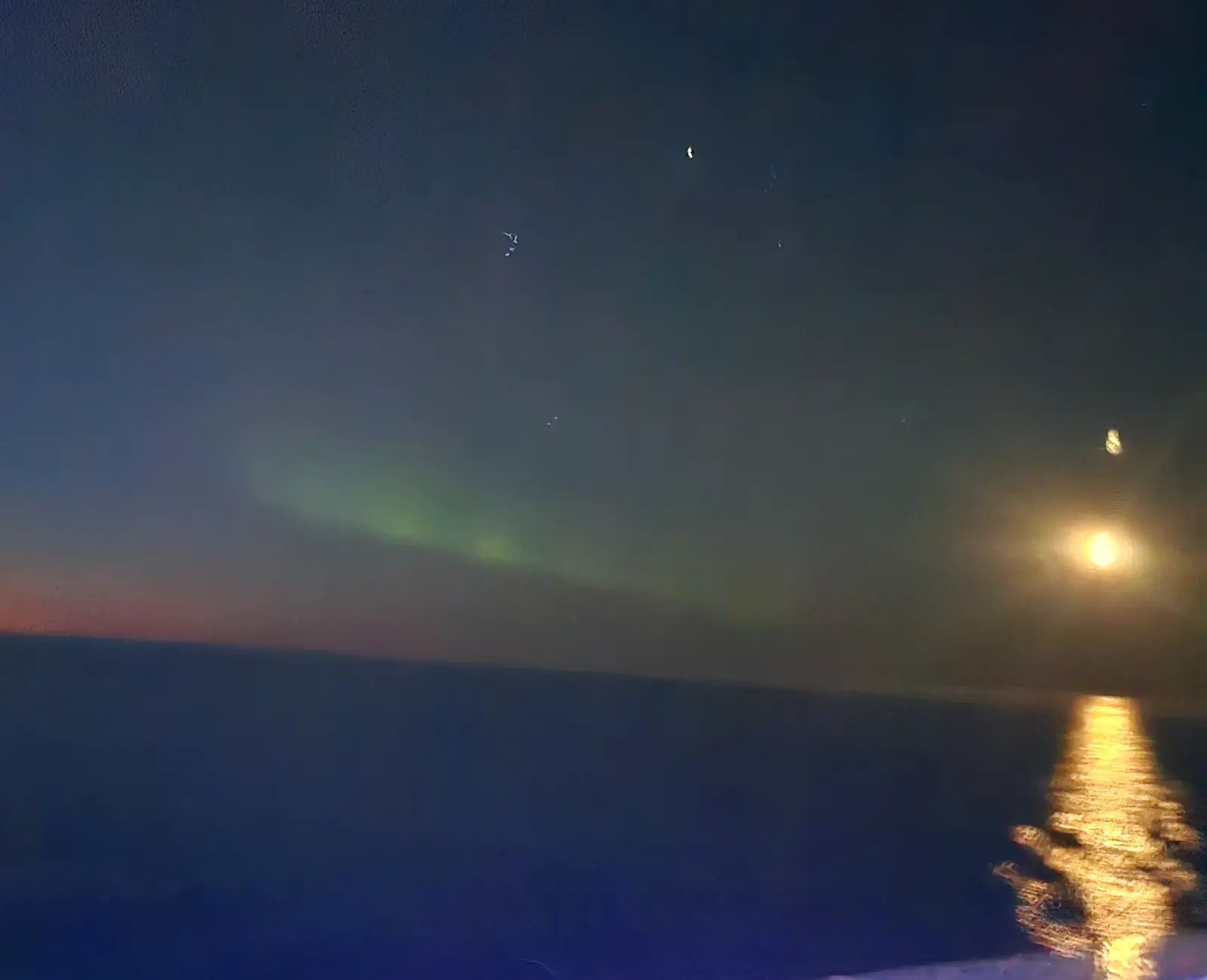 When to see the Northern Lights, Greenland and IcelandVisited August 2024The Northern Lights, also known as the Aurora Borealis, are a stunning natural phenomenon best viewed in high-latitude regions like Greenland and Iceland. They occur when charged solar particles collide with Earth's magnetic field, producing colorful lights that dance across the night sky.