


Things to Do in Rio de Janeiro, Brazil

Rio de Janeiro, Brazil: Sugarloaf, Christ the Redeemer, and Copacabana
Rio de Janeiro is the second-largest city in Brazil. Rio de Janeiro is a vibrant city located in southeastern Brazil, known for its stunning natural landscapes, rich cultural heritage, and lively atmosphere.
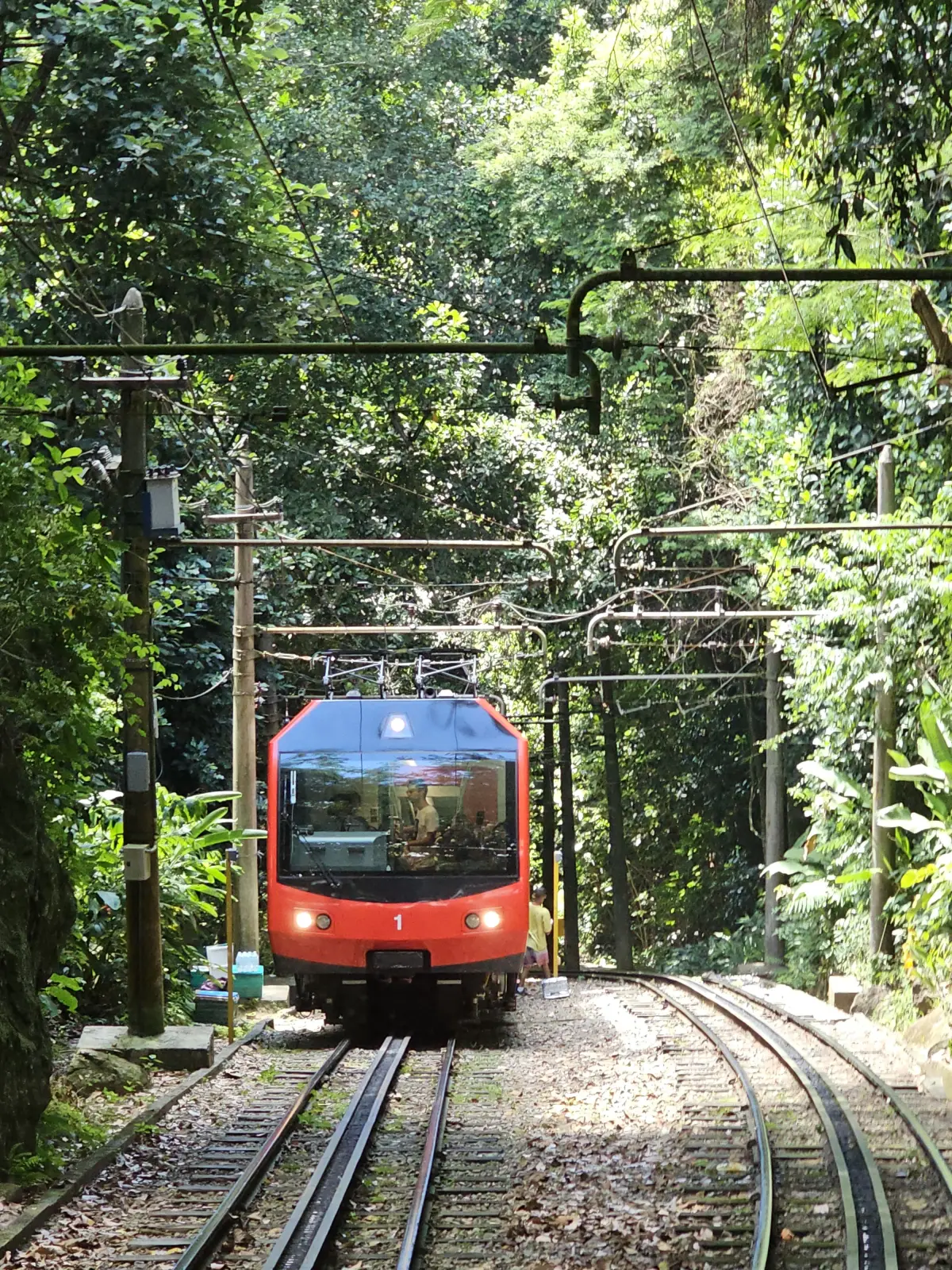
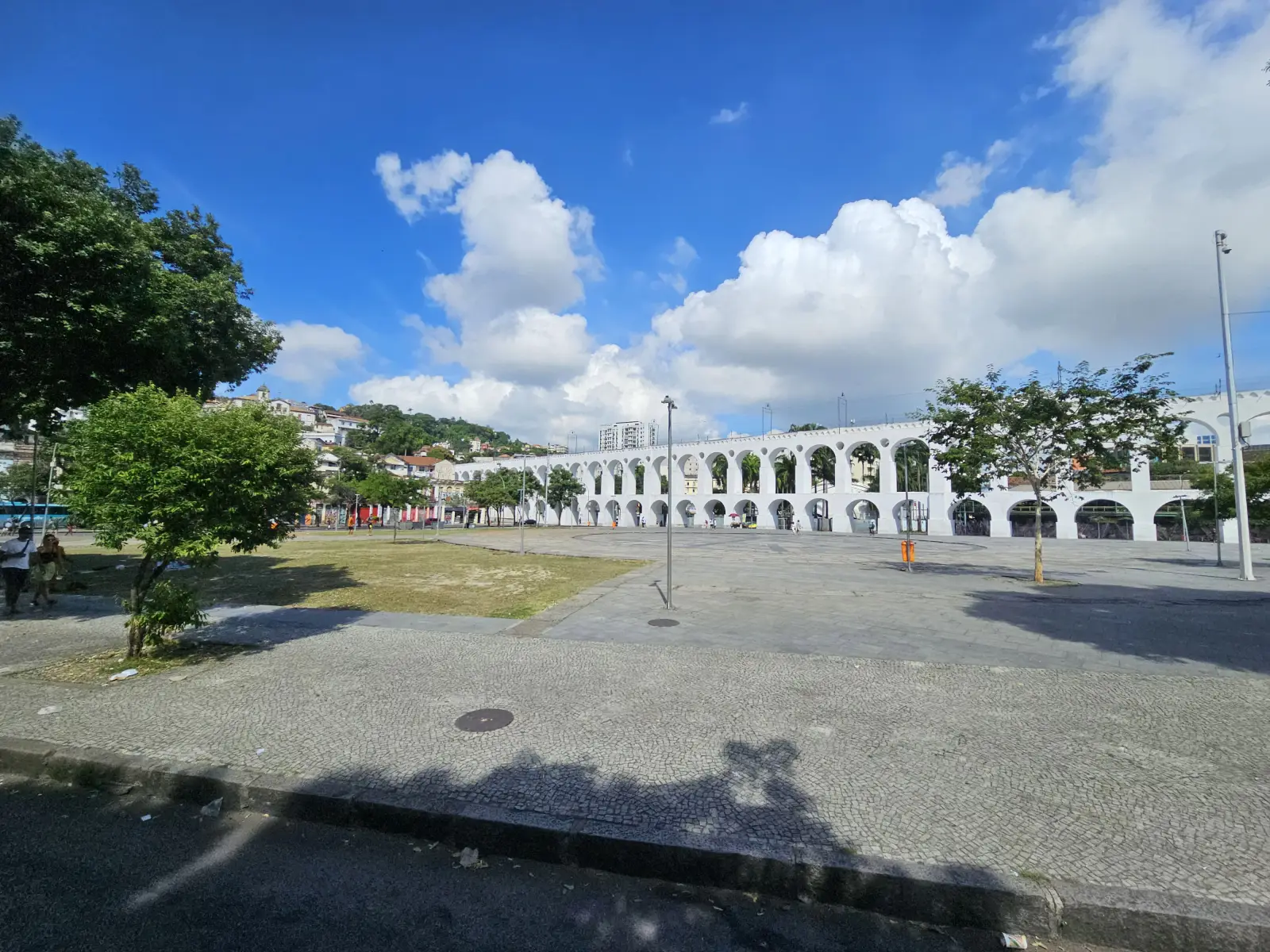
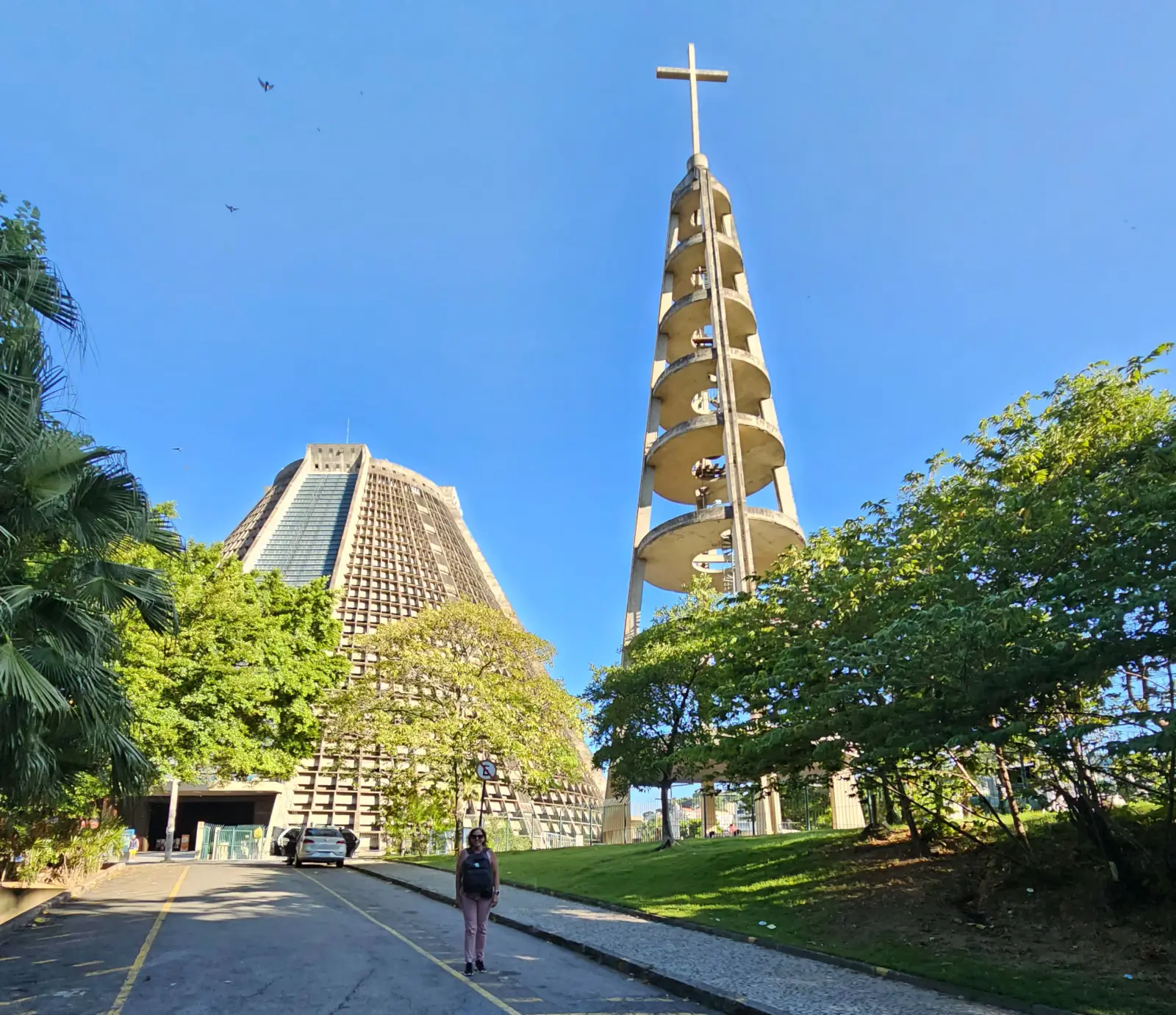
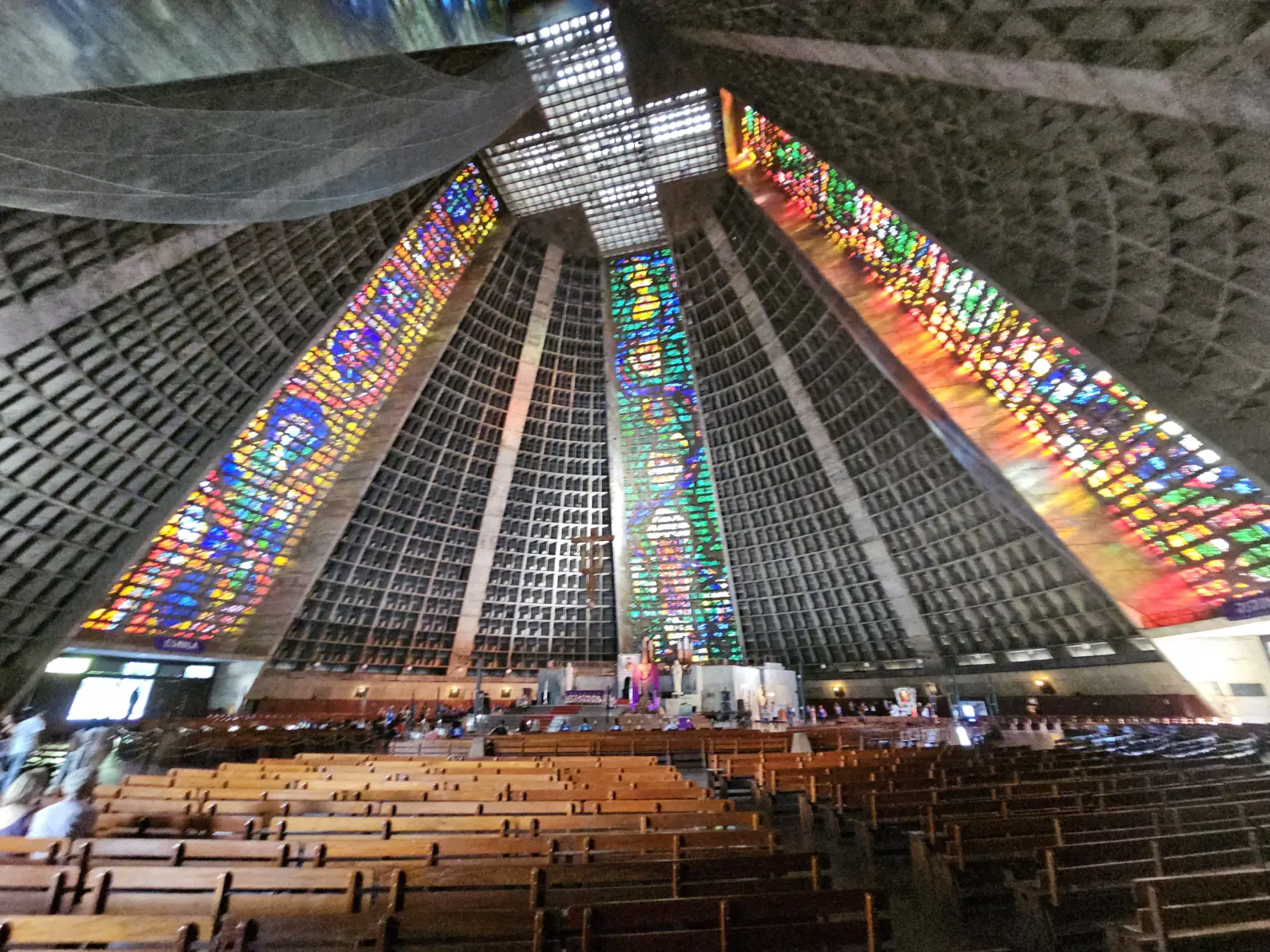
We ended our cruise on the Norwegian Star in Rio de Janeiro on 3/18/2023. But remained on the ship in port for an additional night. The first day, we took a bus tour of the city and it included a trip on the cable cars to the top of Sugarloaf, went to Copacabana Beach, and visited a few other places including the Cathedral of St. Sebastian. On Morro da Urca, people were rappelling down and we saw several monkeys there. One cable car takes you up to the top of Morro da Urca and then you ride a second one to the top of Sugarloaf. The next day, we departed the ship on a bus that took us to view more of the city, a visit to the Christ the Redeemer statue and then it dropped us off at the airport to fly home. There is a 15 minute train ride up to the statue and then after you visit it, a 15 minute train ride back down the mountain.
Christ the Redeemer and Sugarloaf Mountain
One of the most iconic landmarks of Rio de Janeiro is the Christ the Redeemer statue, which stands atop Corcovado Mountain and offers stunning views of the city. Another popular attraction is Sugarloaf Mountain, which can be reached by cable car and also provides panoramic views of the city.
Copacabana and Ipanema
Rio de Janeiro is also famous for its beautiful beaches, including Copacabana and Ipanema. These beaches are popular spots for sunbathing, swimming, and people-watching, and are lined with bars, restaurants, and shops.
Carnival
Carnival is one of the biggest events in Rio de Janeiro, drawing millions of visitors to the city each year. The festival is known for its colorful parades, samba music, and street parties, and is considered one of the largest and most spectacular carnival celebrations in the world.
Why Visit Rio de Janeiro?
The city also has a rich cultural heritage, with a blend of Portuguese, African, and indigenous influences. Visitors can explore the historic city center, which features colonial-era architecture, museums, and art galleries, as well as enjoy the vibrant music and dance scene in the city's many bars and clubs.
Best time to visit Rio de Janeiro is from December to March (southern summer — beach season).
How to get there: Click here for options.
Looking for a place to stay? Click here for options.
Looking for things to do? Viator offers numerous tours in Rio de Janeiro. Click here for details.
Passport/Visa Requirements for Rio de Janeiro, Brazil
Click here to view the location on the map.
Pictures from Rio de Janeiro














Nearby places we have visited
- Ilha Grande, Brazil — 70 miles
- Buzios, Brazil — 82 miles
- Santos, Brazil — 212 miles
- Iguazu Falls — 735 miles
- Punta del Este, Uruguay — 1,094 miles
- Montevideo, Uruguay — 1,141 miles